Engineered for high salinity, remote resilience, and minimized footprints in low-lying coral atoll environments.
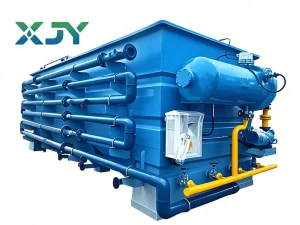
Designed for rapid clarification of high-load industrial wastewater, removing suspended solids and oily substances under coastal conditions.
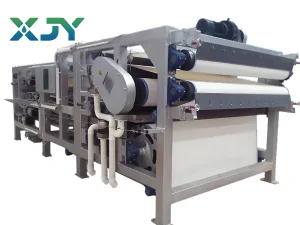
Optimized for continuous, heavy-duty municipal sludge cake dewatering. Drastically reduces waste volume to lower disposal logistics costs.
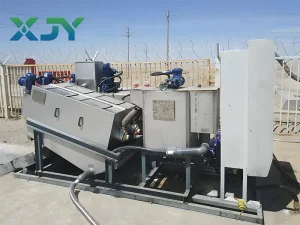
Low-speed, energy-efficient screw press ideal for decentralized installations with low maintenance and minimal freshwater consumption.
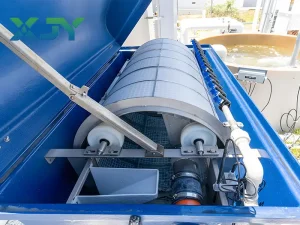
Ensures robust solid-liquid separation to protect secondary purification systems from organic particulate fouling.
An in-depth analysis of ecological vulnerabilities, sanitation infrastructure, and modern engineering mandates.
The Republic of Kiribati, consisting of 33 low-lying coral atolls spread across the Pacific, faces some of the world's most critical water security and sanitation challenges. The nation relies heavily on shallow, subterranean freshwater lenses (primarily in urban centers like South Tarawa and Kiritimati Island) for its domestic water supply. These lenses are highly susceptible to contamination from untreated municipal sewage, open defecation, and agricultural run-off.
Standard municipal sludge management is restricted by porous sandy soils, which act as poor natural filters. Traditional septic tank seepage and open-air sludge drying beds pose direct risks of microbial and nitrate contamination to the underlying groundwater. Consequently, decentralized, highly enclosed, and modern chemical/physical sludge treatment processes are imperative to isolate contaminants before they leach into the island's primary drinking source.
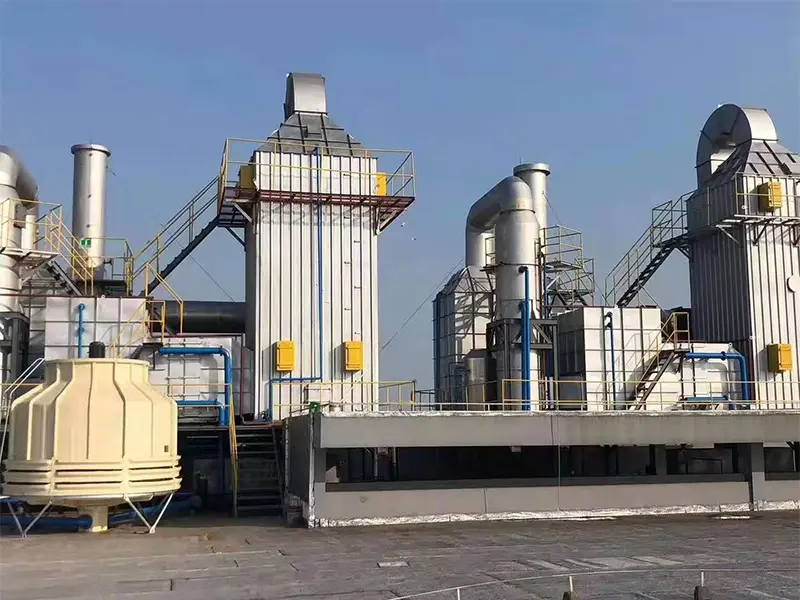
Implementing sludge treatment technologies in Kiribati requires addressing severe geographical and operational constraints. Key factors include:
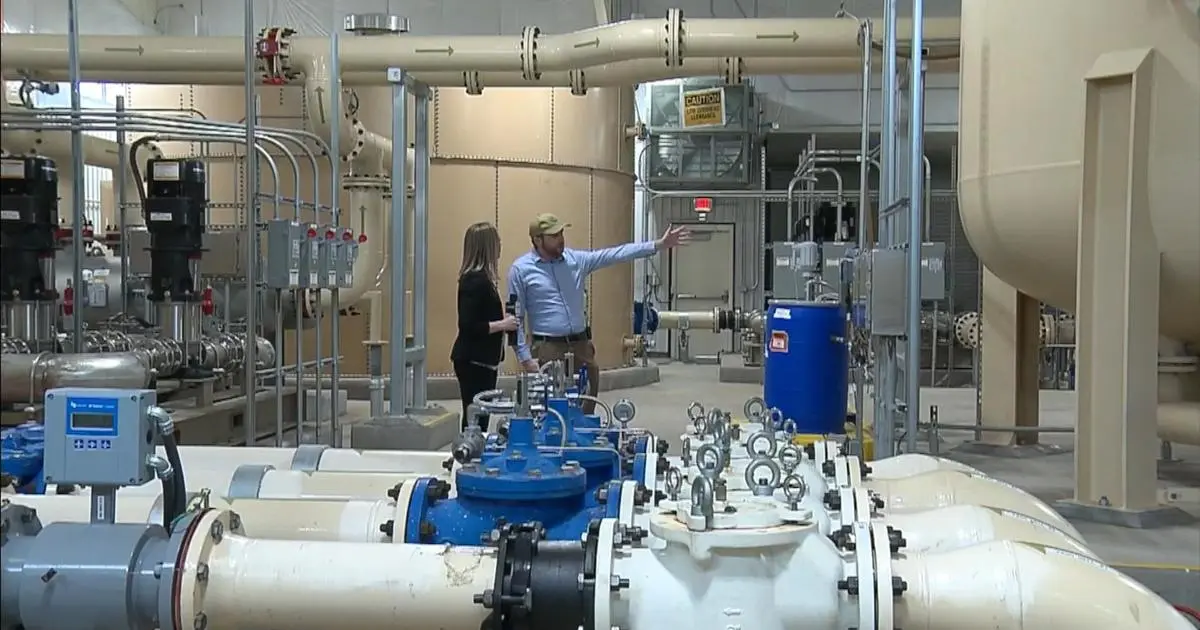
National Patents Issued
Software & Control Copyrights
Post-Drying Sludge Moisture Goal
Certified Quality & Environmental Systems
How Guangdong Xinjieyuan ensures reliable project execution, strict quality compliance, and rapid Pacific delivery.
Guangdong Xinjieyuan Environmental Protection Technology Co., Ltd. integrates environmental research, equipment design, and advanced manufacturing. Our production floor operates on automated manufacturing lines, utilizing high-precision laser cutting, robotic welding, and automated assembly systems. This structured process guarantees consistency and build quality for every dewatering unit, clarifier, and dosing module.
Our Quality Management Systems (ISO9001), Environmental Management Systems (ISO14001), and Occupational Health and Safety Systems (ISO45001) form the foundation of our engineering standards. With over 45 patented innovations and 32 proprietary control software integrations, our equipment features advanced remote monitoring capabilities. This allows offshore technicians to verify operation parameters, which is vital for remote regions like Kiribati.
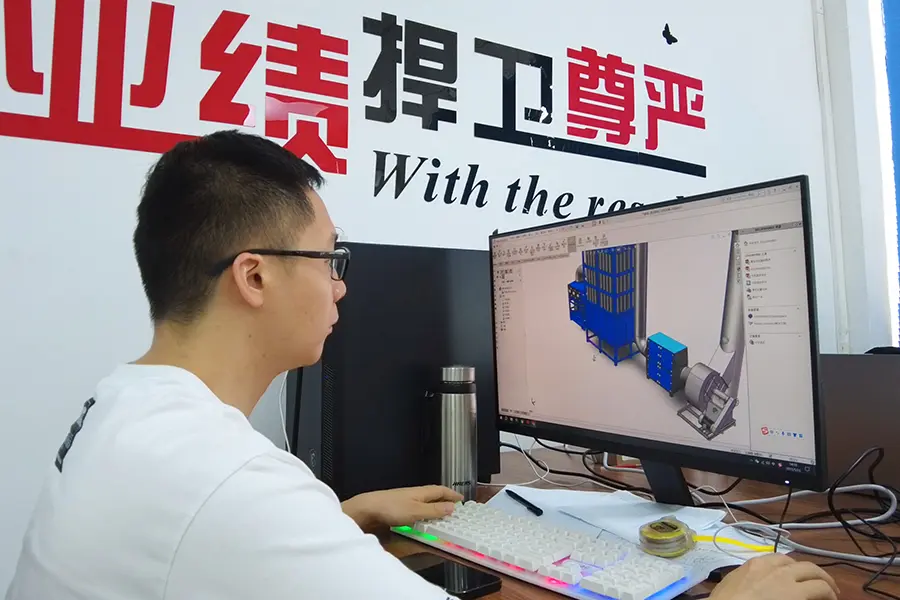
Pre-engineered, plug-and-play modular units constructed within standard sea containers. Ready for immediate integration upon arrival at Tarawa ports.
Designed with standard components and simple mechanical paths to simplify maintenance and reduce downtime in remote island networks.
Real-time operating diagnostics and parameter tuning to support island operators without requiring on-site specialists.
Integrated treatment technologies designed for efficiency, environmental compliance, and long service life.
Controls odors in agricultural, chemical, food, mining, and electroplating industries. Highly automated, energy-efficient, and capable of unattended operation, helping facilities maintain good community relations.
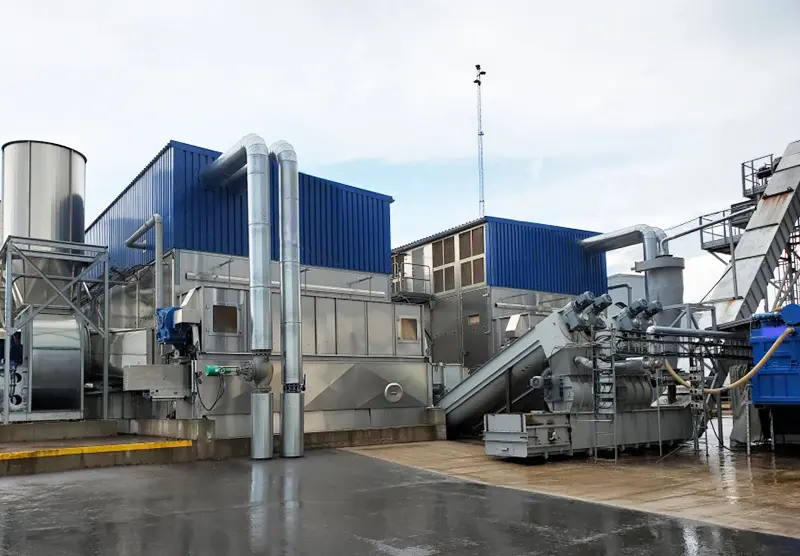
Processes raw municipal or industrial sludge with 80% moisture content, drying it into a stable, pathogen-free, 35% moisture powder/granule. Ideal for reuse in cement kilns, power stations, or agricultural soil amendments.
A multi-stage water treatment system designed for residential, medical, educational, and industrial use. Optimizes purification and promotes water recycling to support local sustainability goals.
Take a virtual look inside our automated production workshops, precision CNC areas, and heavy testing bays.
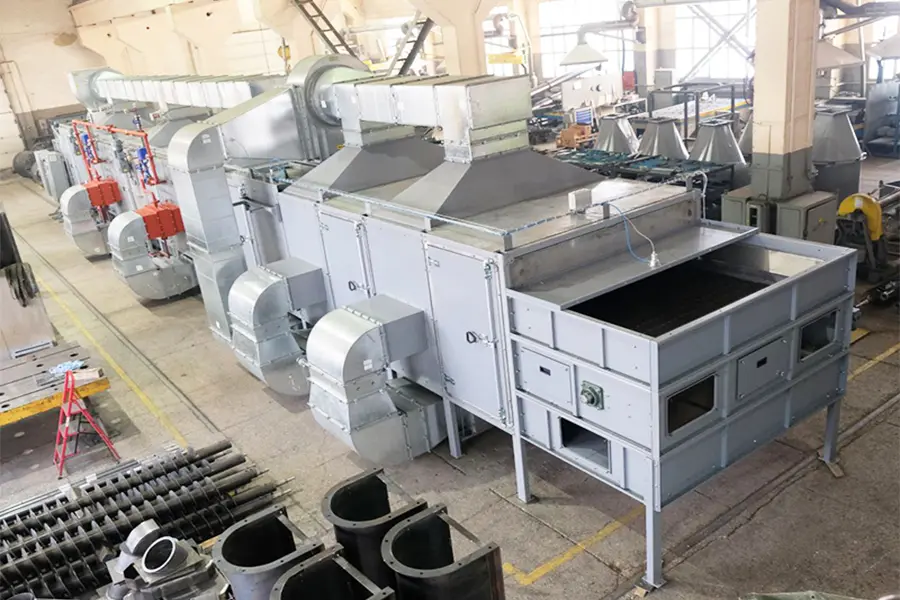
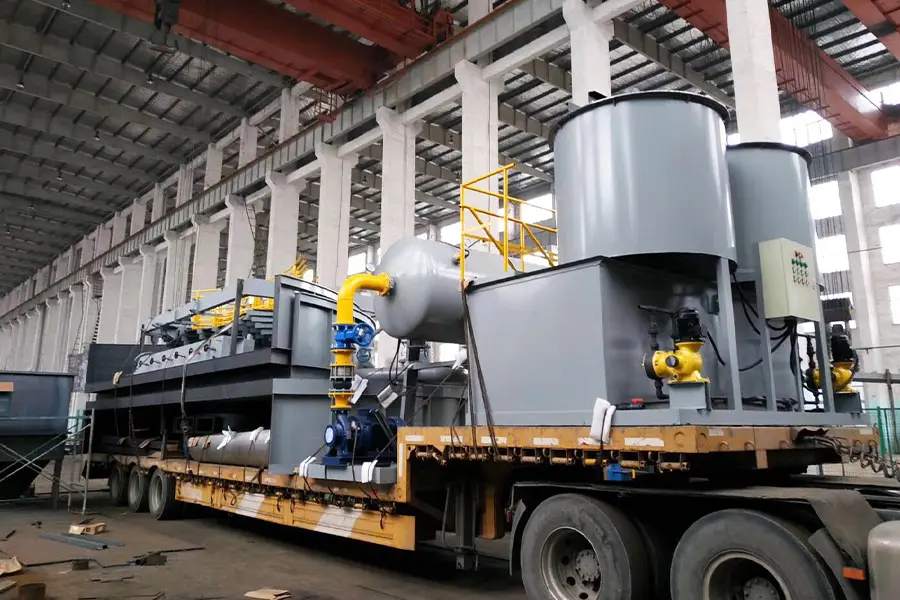
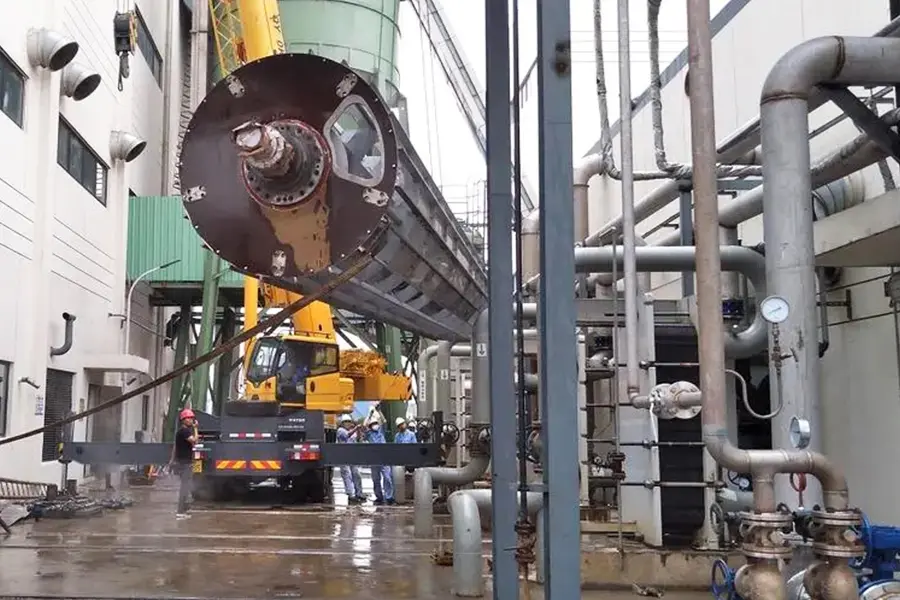
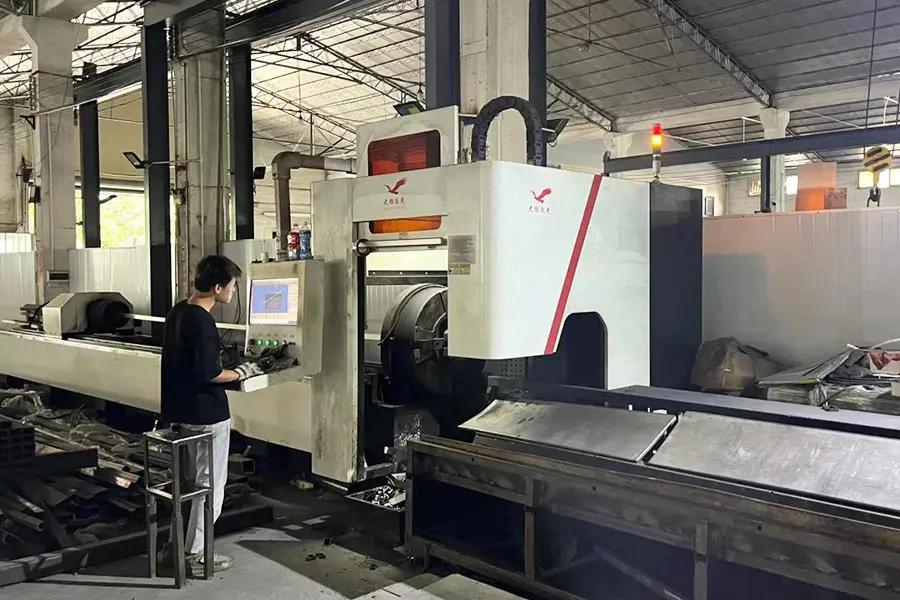
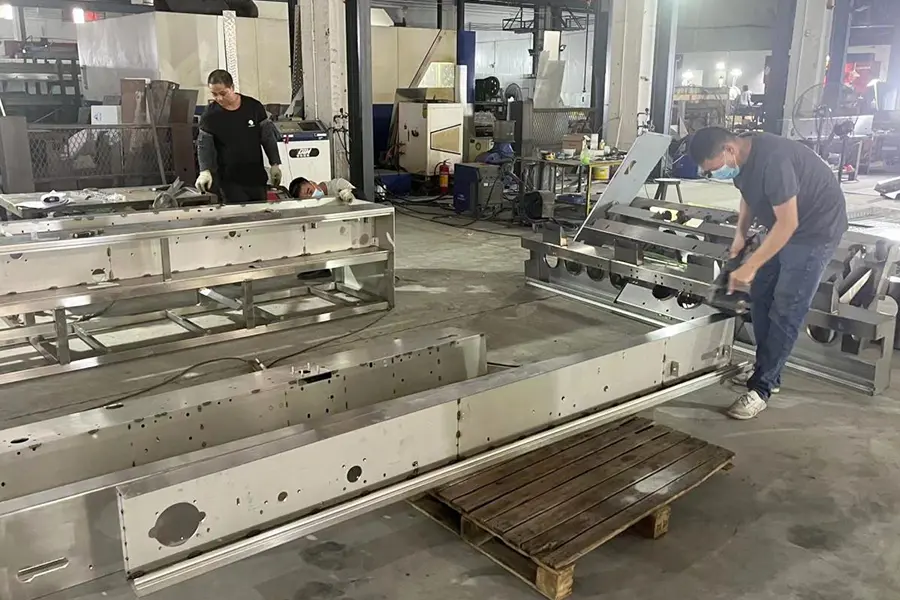
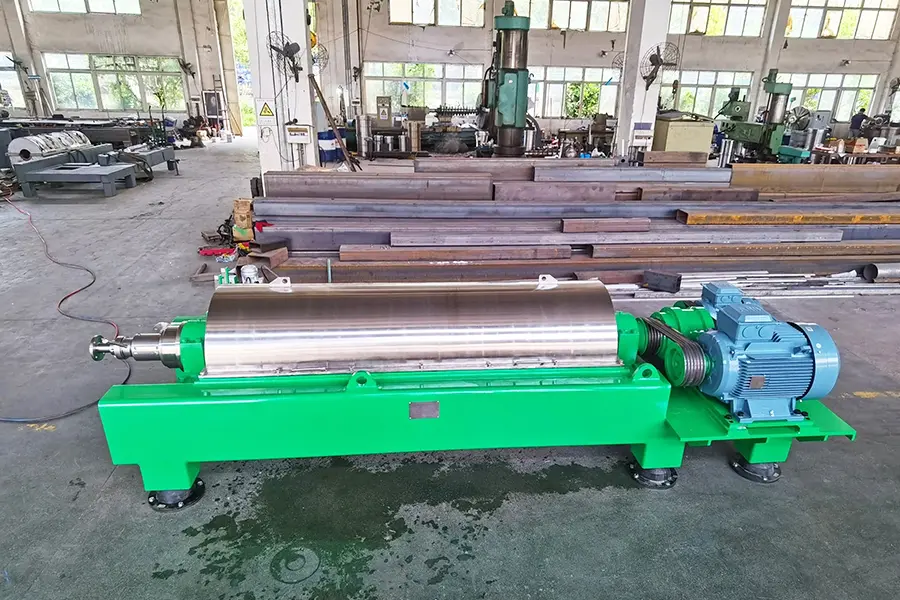
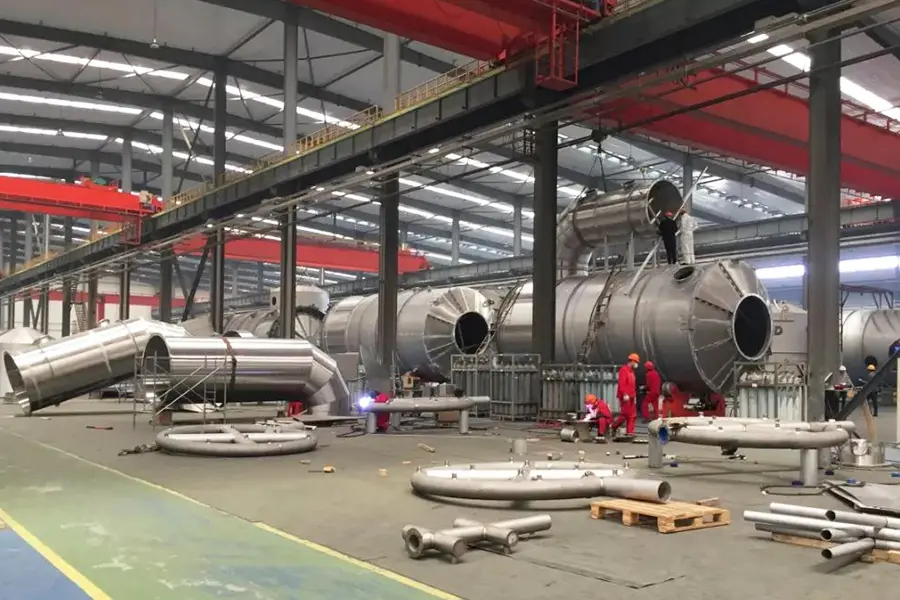
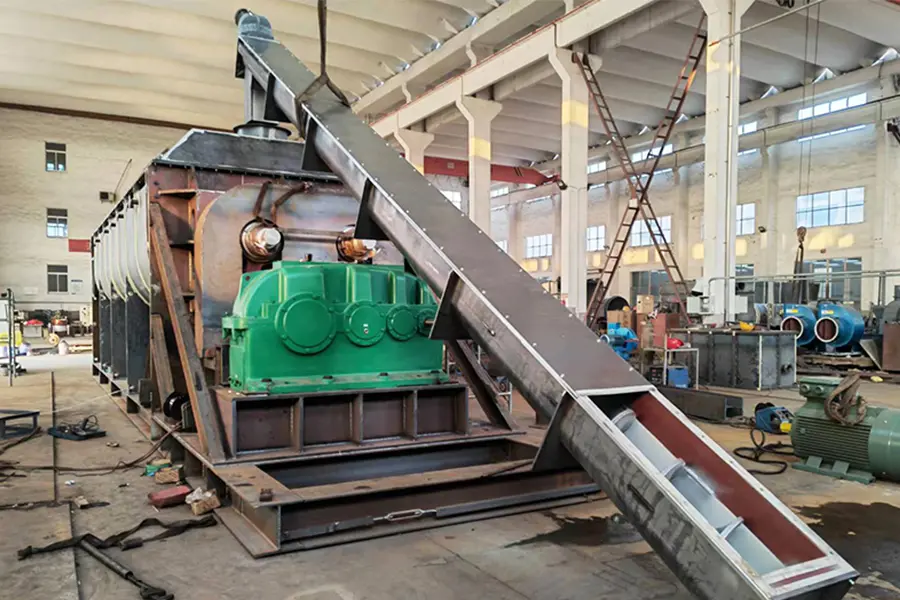
Robust treatment and filtration technologies engineered for the chemical, municipal, agricultural, and energy sectors.
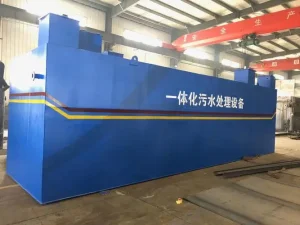
A compact, biological wastewater processing plant designed to protect shallow water lenses from nutrient discharges.
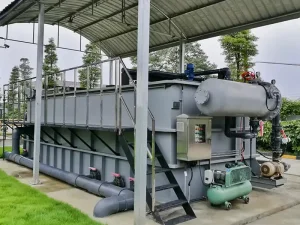
Designed for clarifying wastewater streams by removing algae, grease, and finely suspended solids from the main treatment loop.
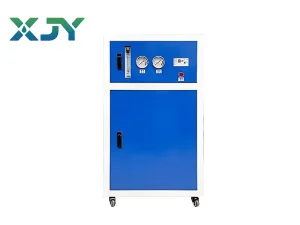
A desalination system designed to convert brackish well water into clean drinking water for municipal atoll grids.
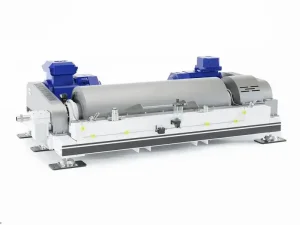
Engineered for high-volume solid-liquid separation tasks, providing high dry-solids discharge for industrial applications.
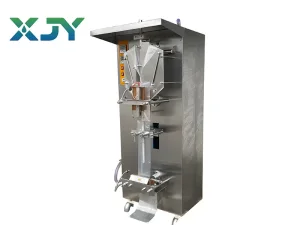
Designed for packaging purified water and liquid chemical reagents, ensuring accurate volume dosing and sealing.
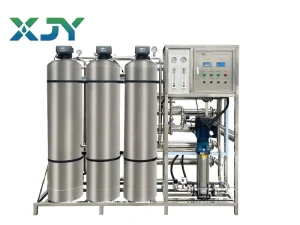
A reverse osmosis system constructed with a marine-grade stainless steel frame, engineered for saline island environments.
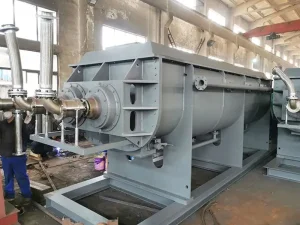
A centralized sludge treatment system designed for sanitation agencies managing municipal septic tank waste.
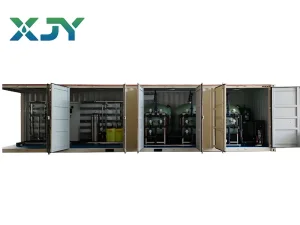
A weatherized, mobile water treatment system housed in a container, ready for deployment in outer island emergencies.
Expert answers addressing the selection, delivery, and operation of sludge systems in Kiribati.
 XINJIEYUAN