commercial Biological Deodorization Tower Factory, Factories

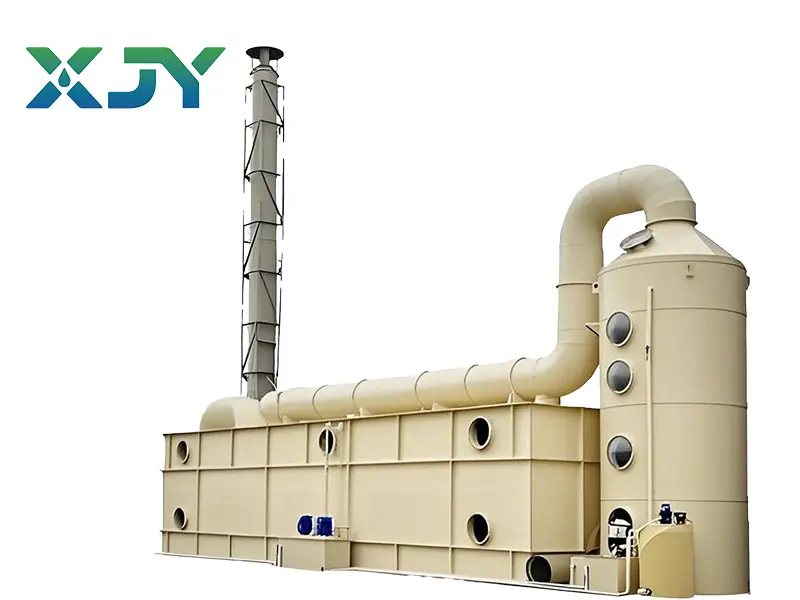
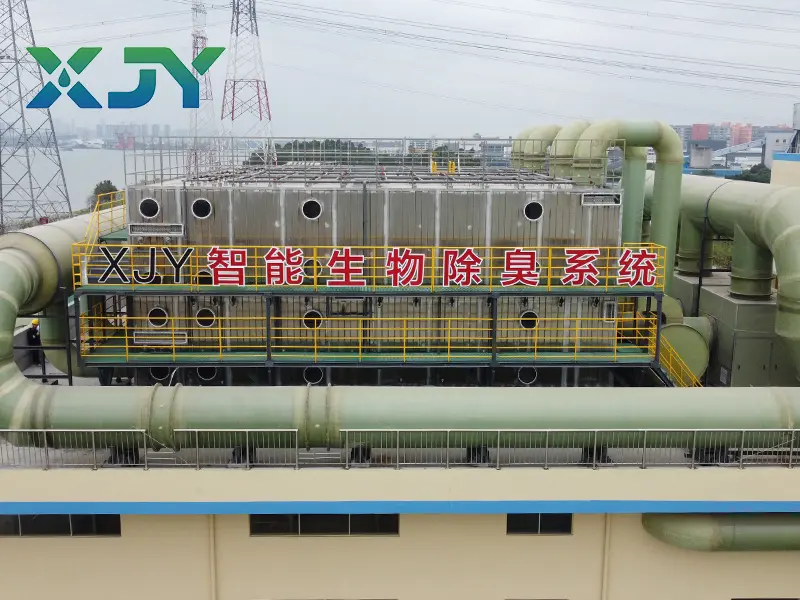
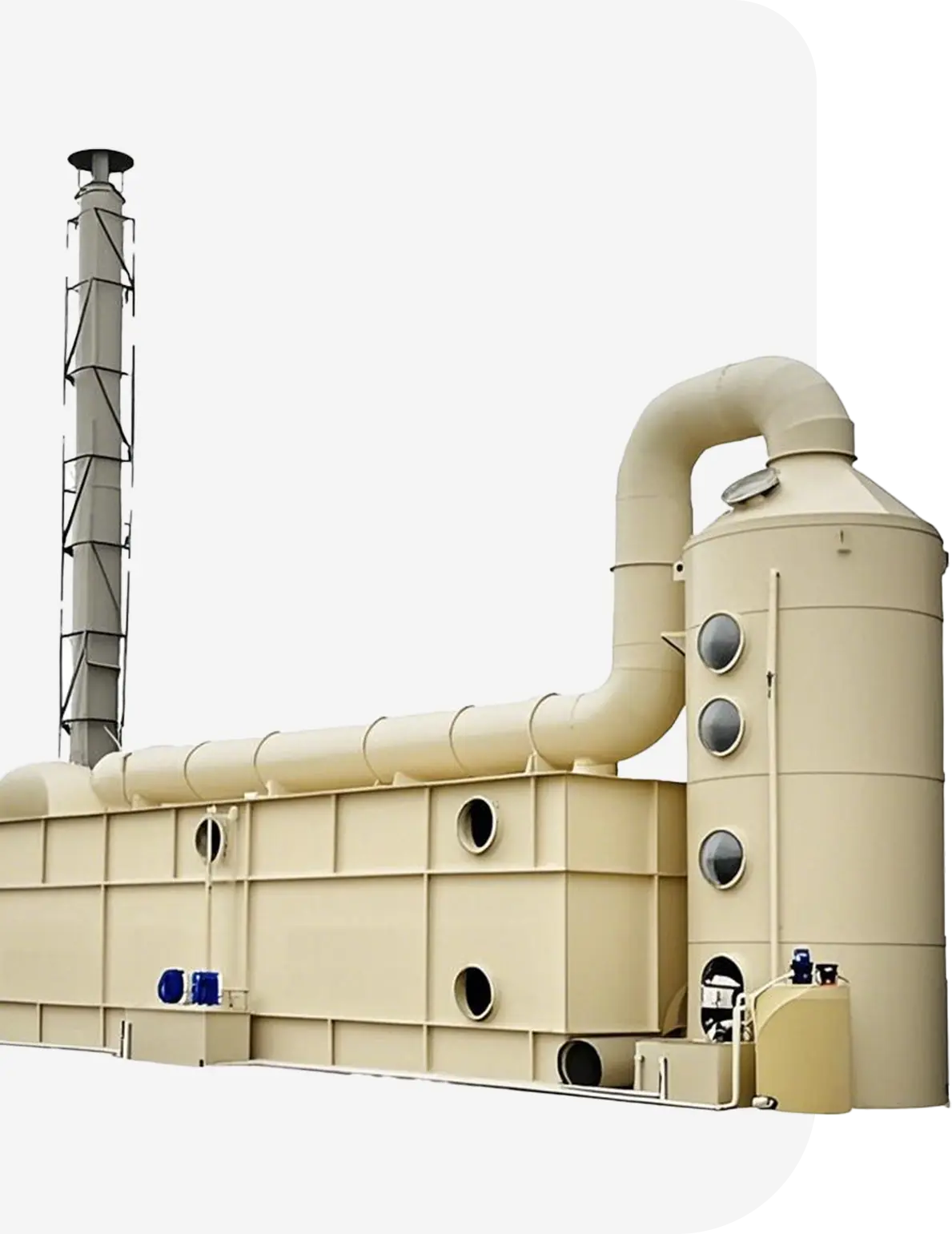
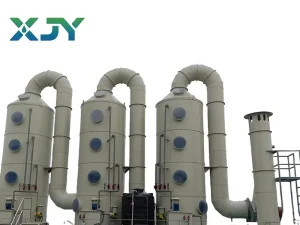
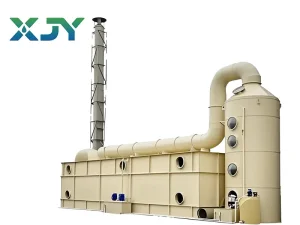
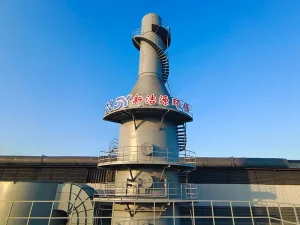
XJY's biological deodorization tower is an environmentally friendly equipment used to treat odorous gases. It is mainly composed of device shell, air flow distribution system, circulating liquid spraying system, biological filler circulating liquid replenishing system, electrical instrument control system, etc. It mainly utilizes the metabolism of microorganisms to degrade and transform malodorous substances.It can also degrade organic pollutants such as benzene, aldehydes, ketones and other VOCs.

Product Description

Introduction To Biological Deodorization Tower
Biological Deodorization Tower

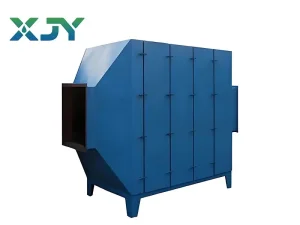
The biological deodorization tower is an environmentally friendly equipment used to treat odorous gases. It is mainly composed of device shell, air flow distribution system, circulating liquid spraying system, biological filler circulating liquid replenishing system, electrical instrument control system, etc.

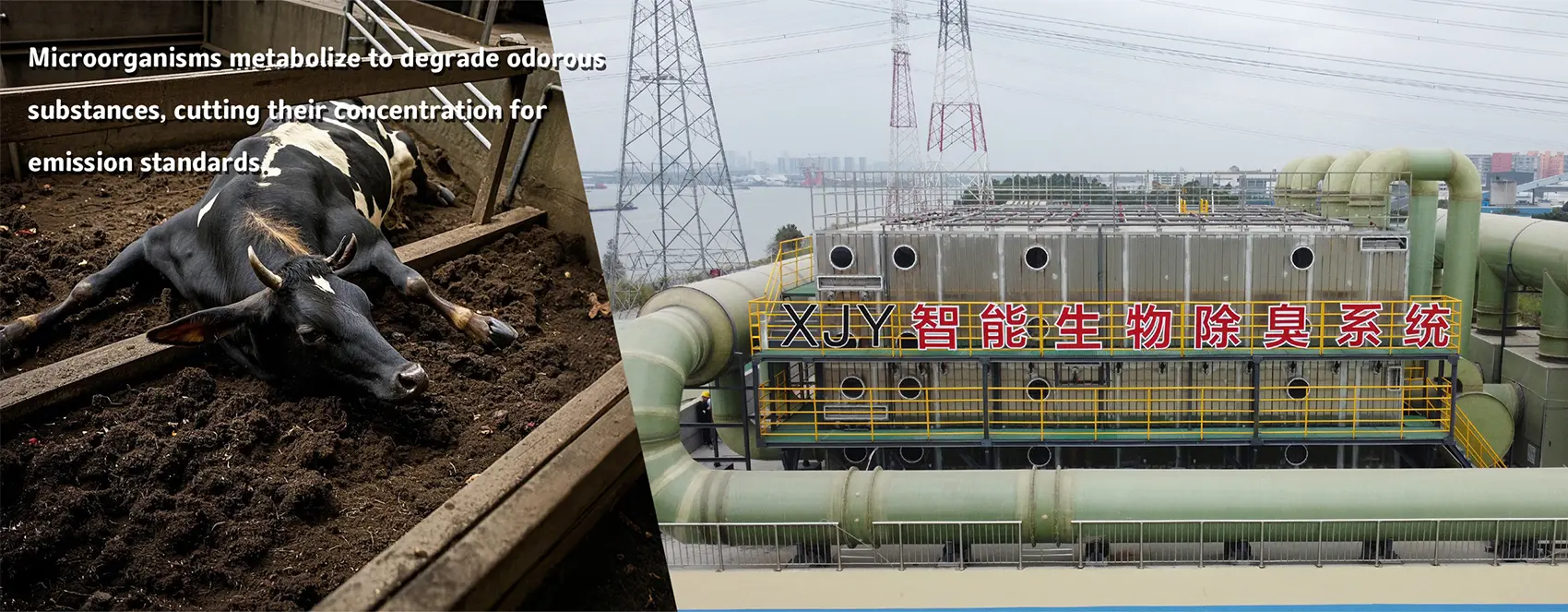
It mainly utilizes the metabolism of microorganisms to degrade and transform malodorous substances, significantly reducing the concentration of malodorous components to meet emission standards. It can also degrade organic pollutants such as benzene, aldehydes, ketones and other VOCs.
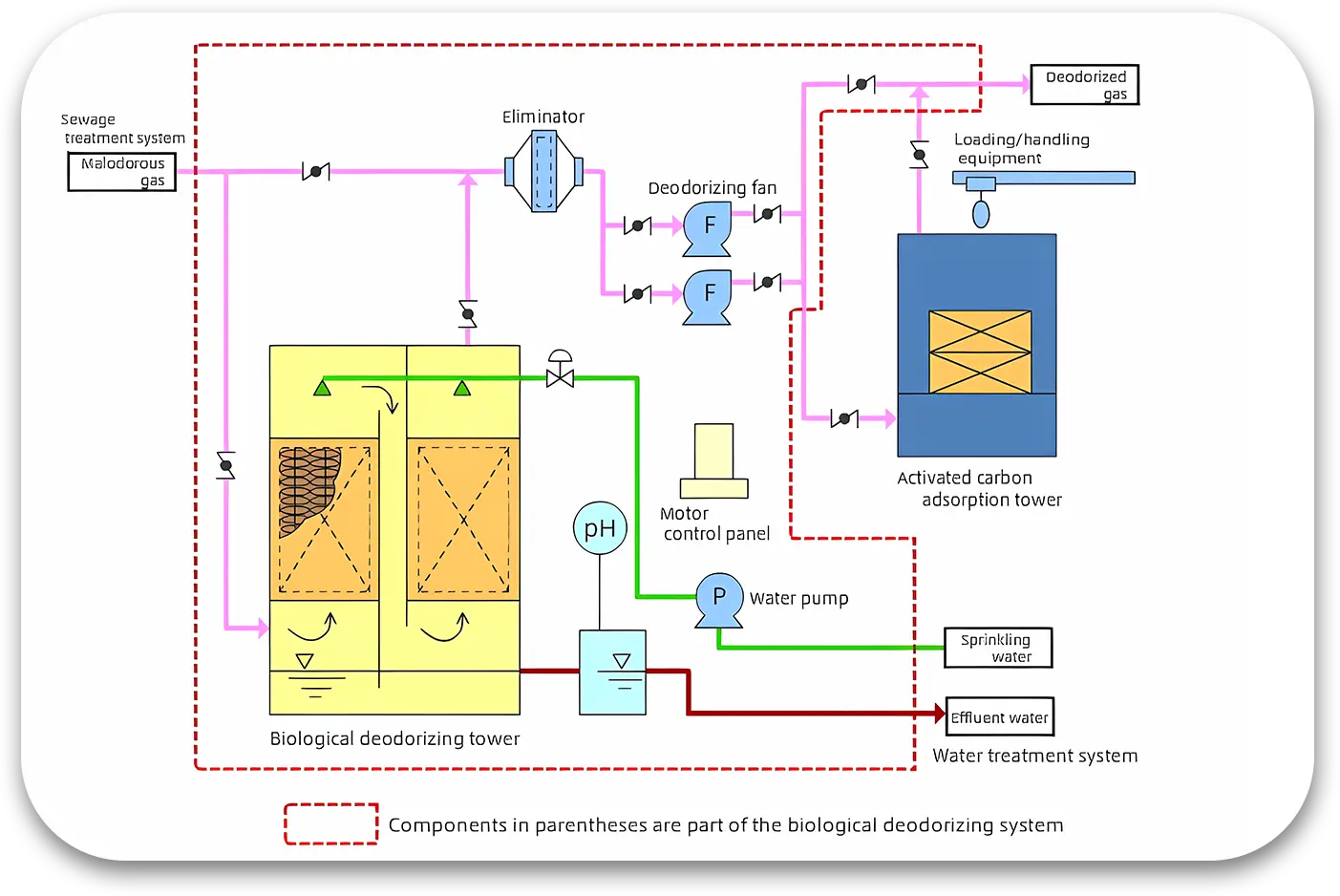
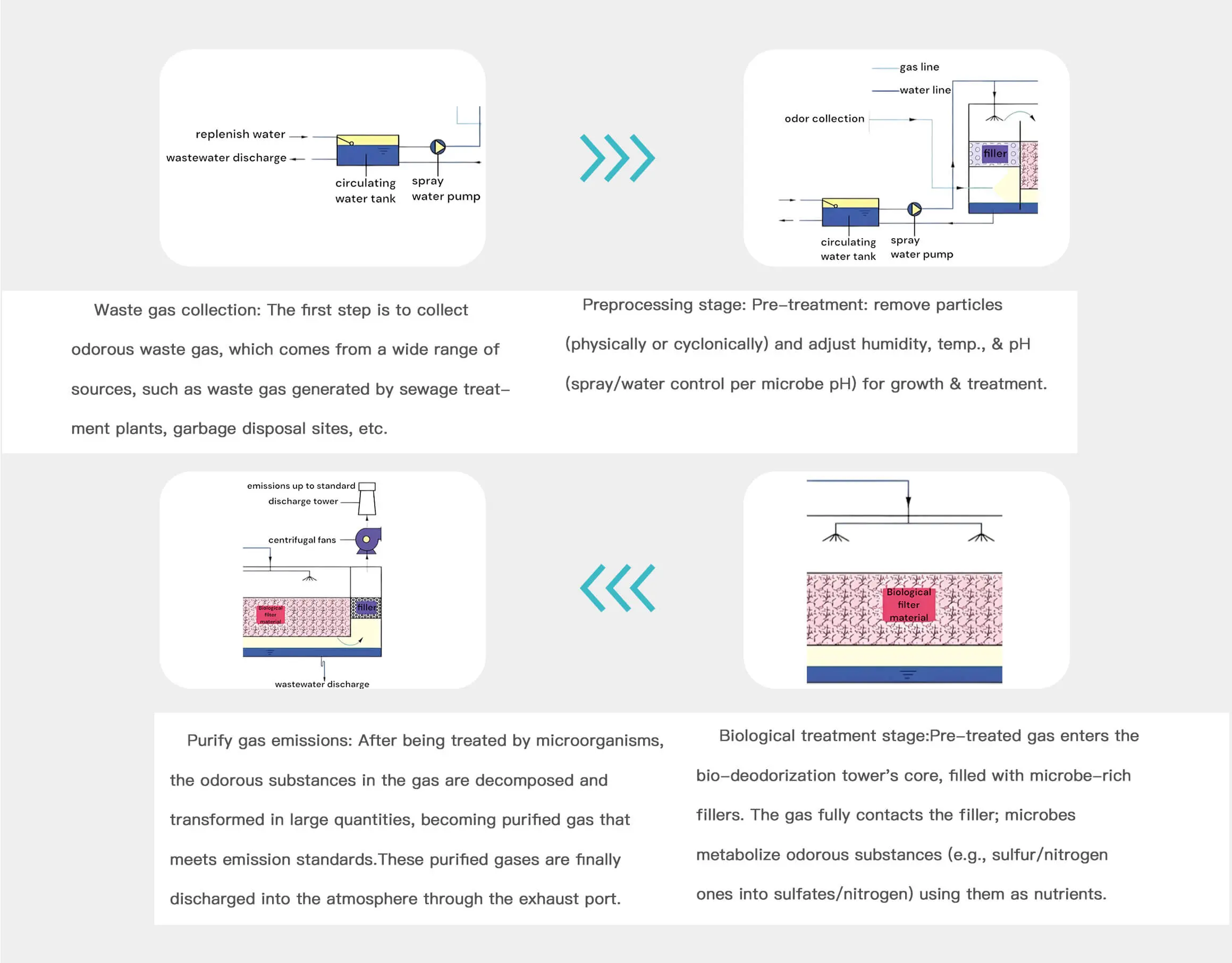
Equipment Process Workflow
Process Diagram
Core Functions & Technology
⚙️ Inert Artificial Biological Products

The porous, large specific surface area, easy biological attachment, and not easy to degrade and rot inert artificial biological fillers are used as fixed beds. By evenly spraying circulating liquid containing nutrients and microorganisms, a biofilm is formed on the surface of the filler.

The metabolic activities of microorganisms are utilized to decompose and mineralize volatile organic compounds and malodorous substances in the exhaust gas, ensuring purified metabolic products are discharged regularly with the circulating fluid.
Core Functions
Tower Function 1 Tower Function 2
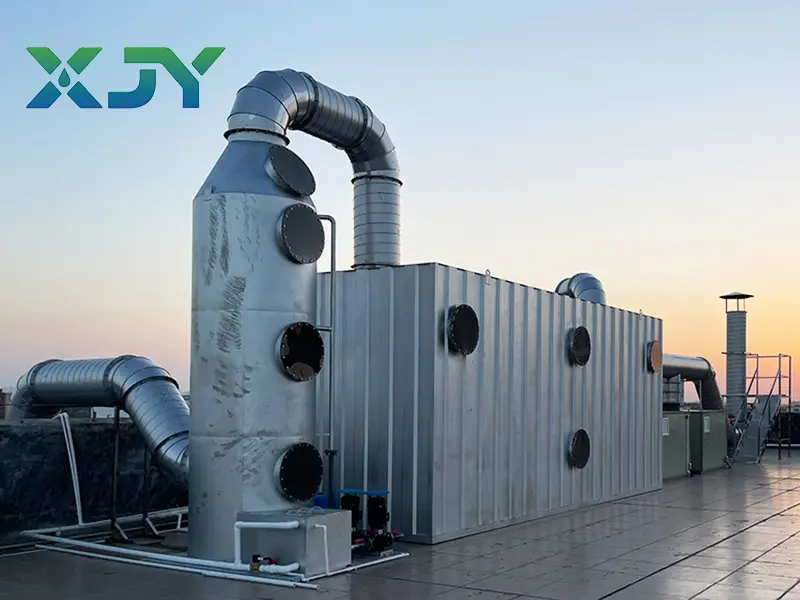
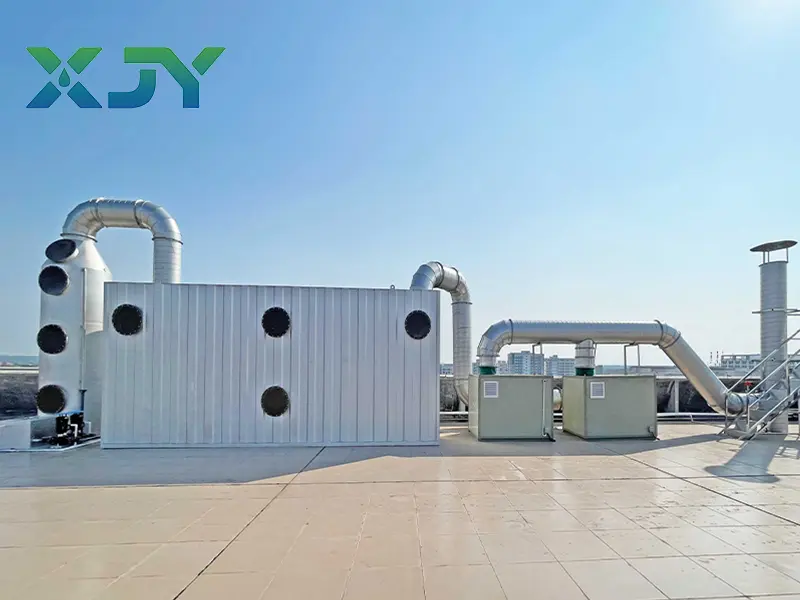
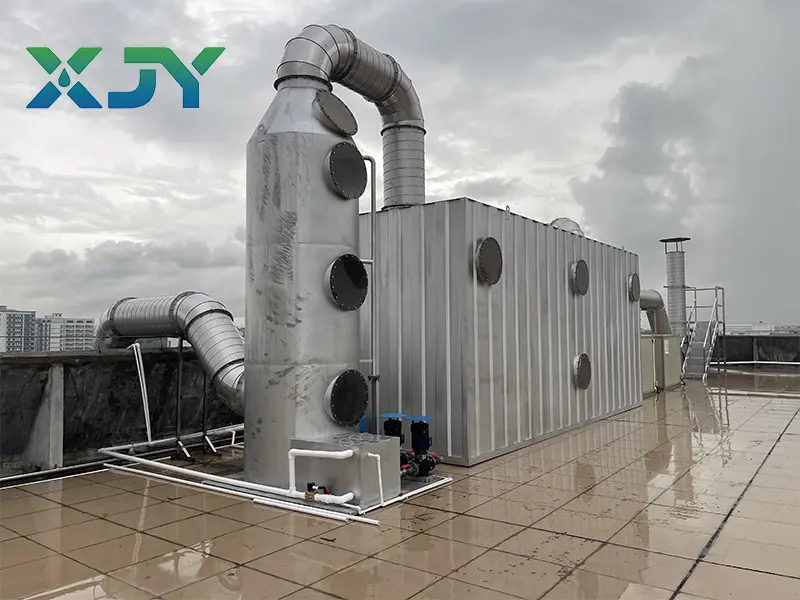
Usage Scenarios Display
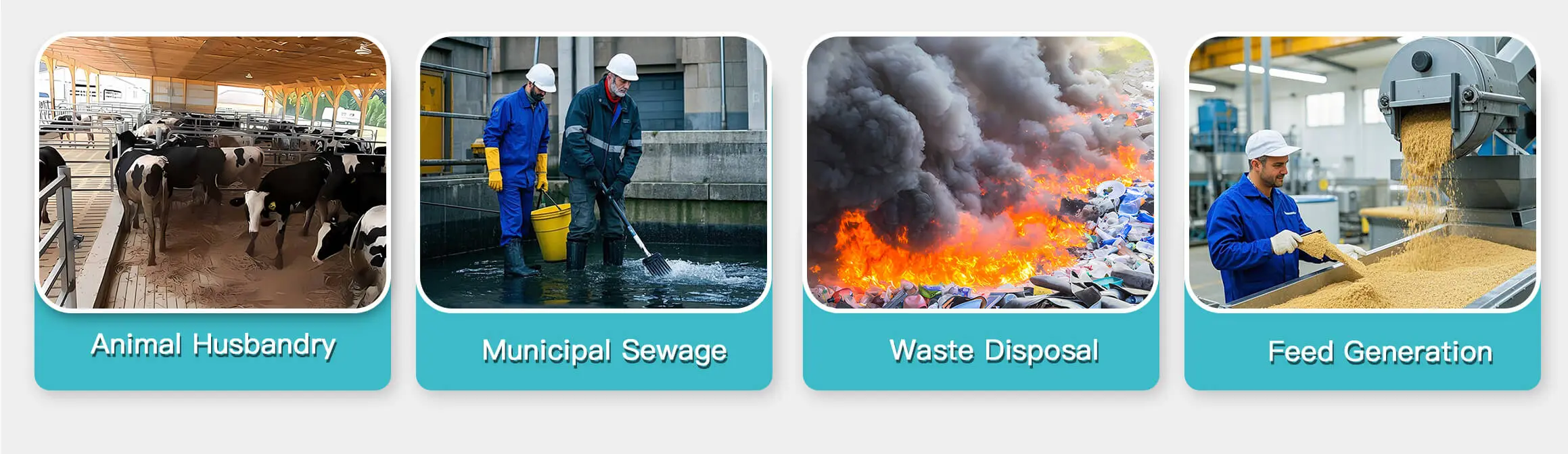
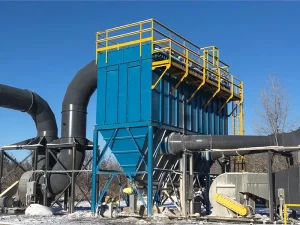
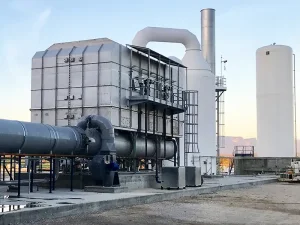
Usage Scenarios
Comprehensive Characteristics and Advantages
🚀High-efficiency deodorization

Converts harmful substances into harmless or low-toxic components. Treatment efficiency can usually reach more than 90% with specific microbial strains.

🌱Environmentally friendly

Uses biodegradation, avoiding harmful chemicals and secondary pollution, fitting the green and low-carbon concept.

🛡️Corrosion resistance

Materials like stainless steel, fiberglass, and PP ensure long-term stable operation in harsh environments.

⚖️Good stability

The microbial community forms a stable ecosystem. The air duct structure ensures sufficient contact time for full degradation.

Low energy consumption

Lower energy consumption compared to traditional chemical treatment as microorganisms generate energy via metabolic processes.

🔄Strong adaptability

Suitable strains can be flexibly selected for different pollutants to meet various complex deodorization requirements.

Delivery and Installation
Global Delivery

Global delivery is available. Our integrated products can be installed independently, providing a convenient, simple, and easy-to-operate solution for global clients.
Technical Specifications
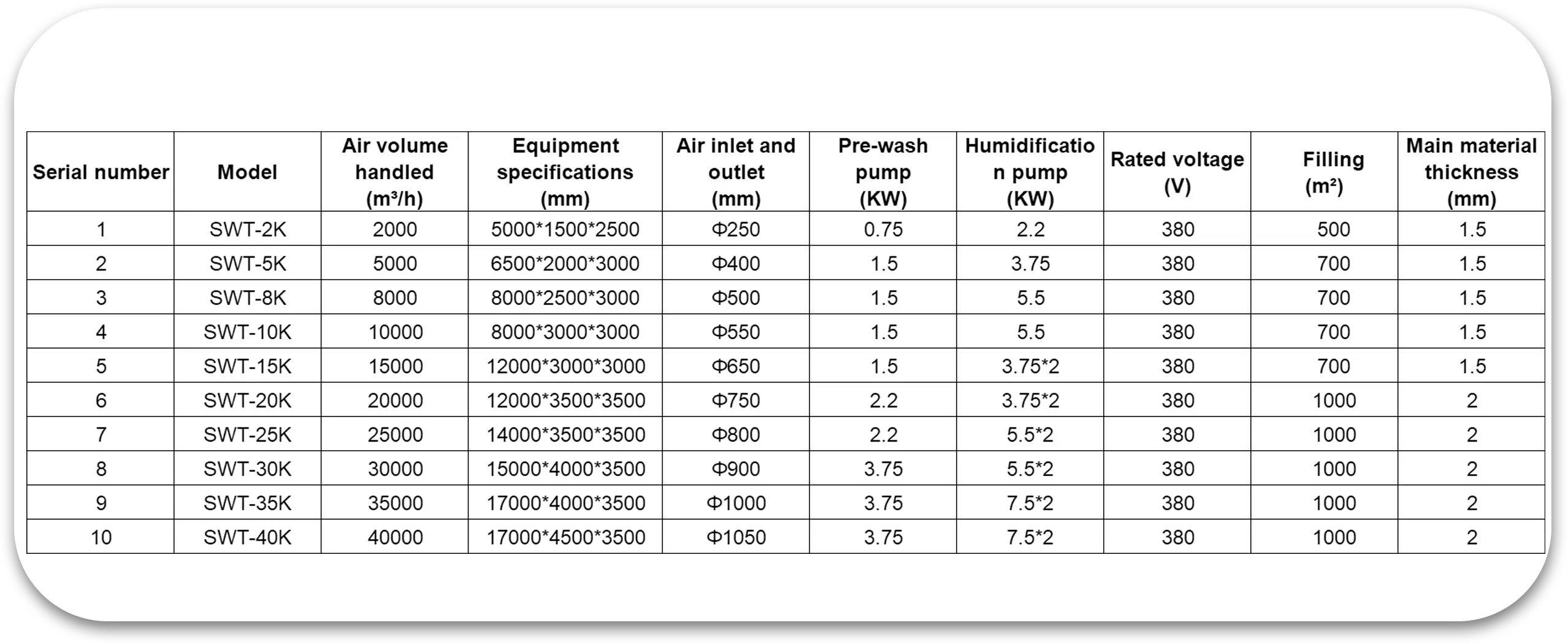
Specifications Table
Frequently Asked Questions (FAQ)
Q1: How does a biological deodorization tower work?
It utilizes the metabolic activity of microorganisms attached to biological fillers to degrade and transform malodorous substances and VOCs into harmless minerals, water, and CO2.
Q2: What kind of pollutants can this system handle?
The system is highly effective against common odorous gases as well as organic pollutants including benzene, aldehydes, ketones, and various Volatile Organic Compounds (VOCs).
Q3: Is the removal efficiency high enough for industrial standards?
Yes, by selecting specific microbial strains for different pollutants, the treatment efficiency typically reaches more than 90%, meeting most international emission standards.
Q4: What materials are used to prevent corrosion?
We use high-grade corrosion-resistant materials such as stainless steel, fiberglass (FRP), and Polypropylene (PP) to ensure long-term durability in moist and acidic/alkaline environments.
Q5: Is the installation process complicated?
No, the equipment is designed as an integrated system. It allows for independent installation, which is convenient, simple, and requires minimal technical training to operate.
Q6: How does it compare to chemical scrubbing in terms of cost?
Biological towers have significantly lower energy and chemical consumption. Since microorganisms regenerate themselves and utilize the pollutants as energy, the long-term operational cost is much lower.

Related Products