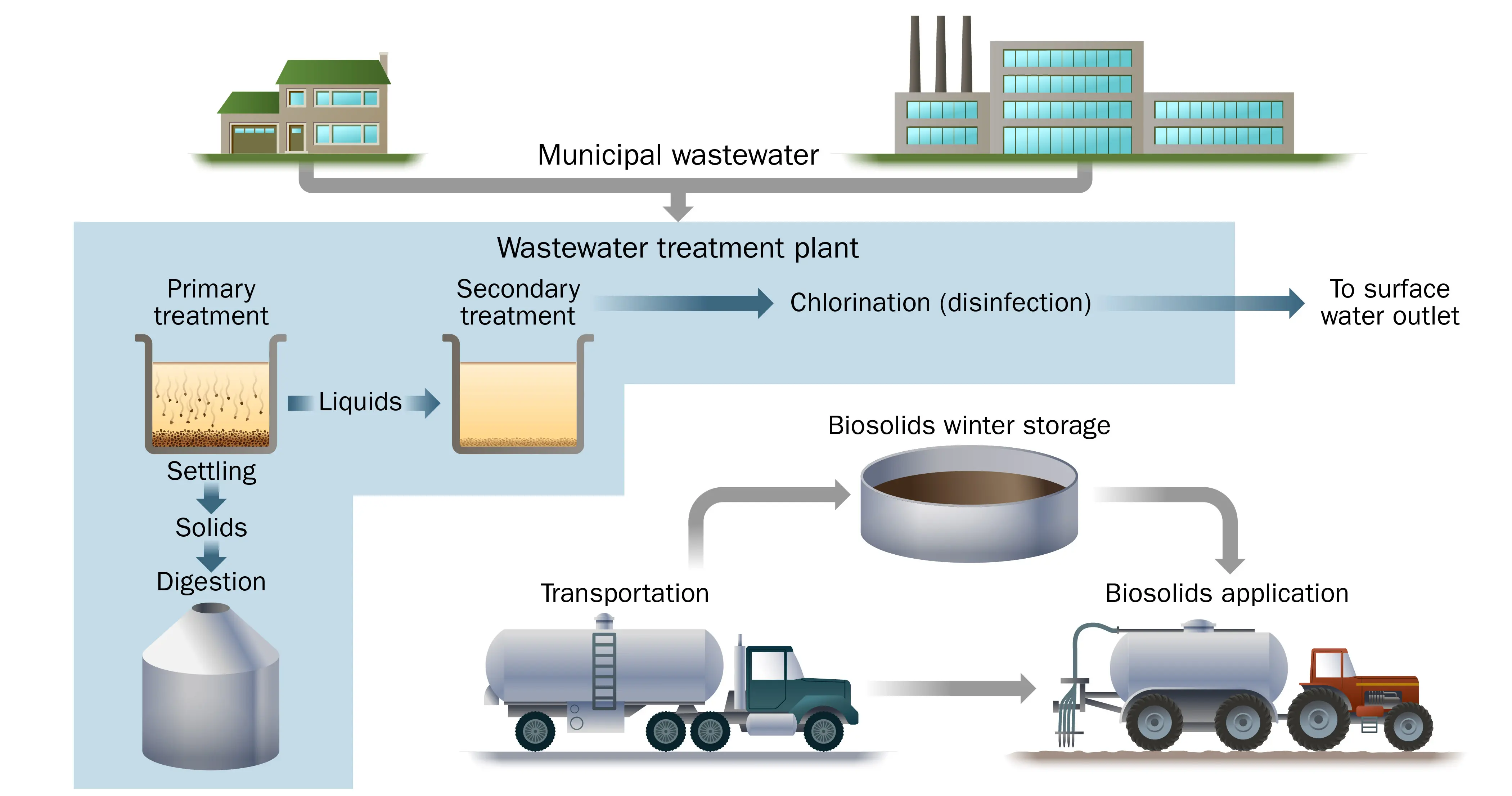
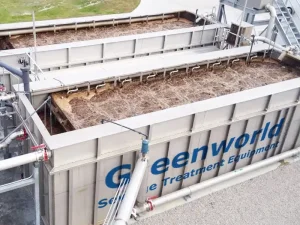
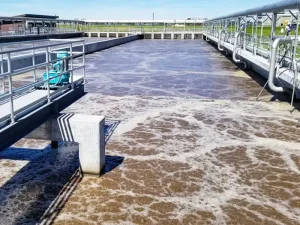
Urban sewage mainly includes domestic sewage and industrial sewage, which is collected by the urban drainage pipe network and transported to the sewage treatment plant for treatment. Municipal sewage treatment refers to the measures taken to change the nature of sewage so that it does not cause harm to environmental waters.
Urban sewage treatment technology generally determines the treatment degree and corresponding treatment technology of sewage according to the utilization or discharge direction of urban sewage and the natural purification capacity of water body. Modern sewage treatment technology, according to the degree of treatment, can be divided into primary, secondary and tertiary treatment process.
Change in Water Quantity
Most of the water used in human production and life is discharged into sewage pipes. Generally, the amount of sewage in cities is about 80% ~ 90% of the water supply. In some cases, actual discharge may be greater than water supply due to groundwater infiltration or rainwater inflow. The change of water quality and quantity is related to city development, living standards, climate, and industrial status.
⚙️ Pretreatment
Includes grid treatment, pumping rooms, and sand sedimentation. The goal is to intercept large blocks and remove sand/stones to protect downstream equipment.
🔄 Secondary Treatment
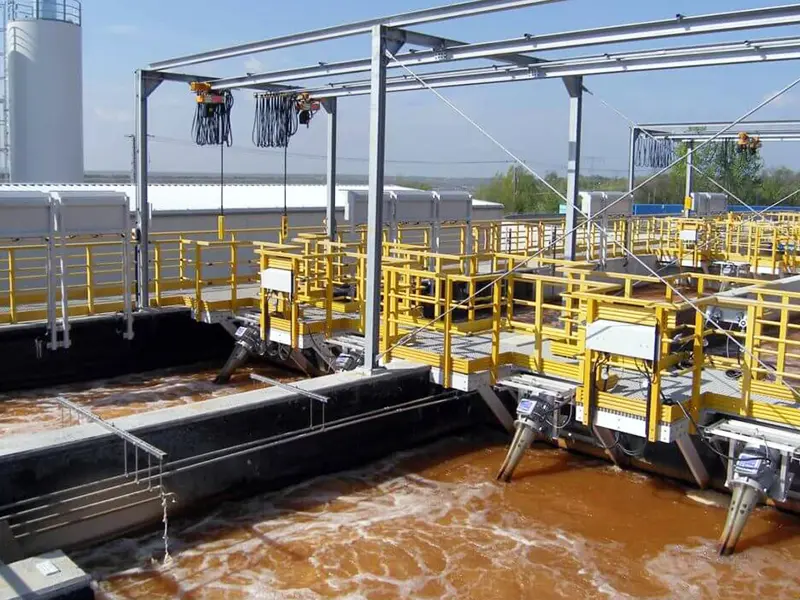
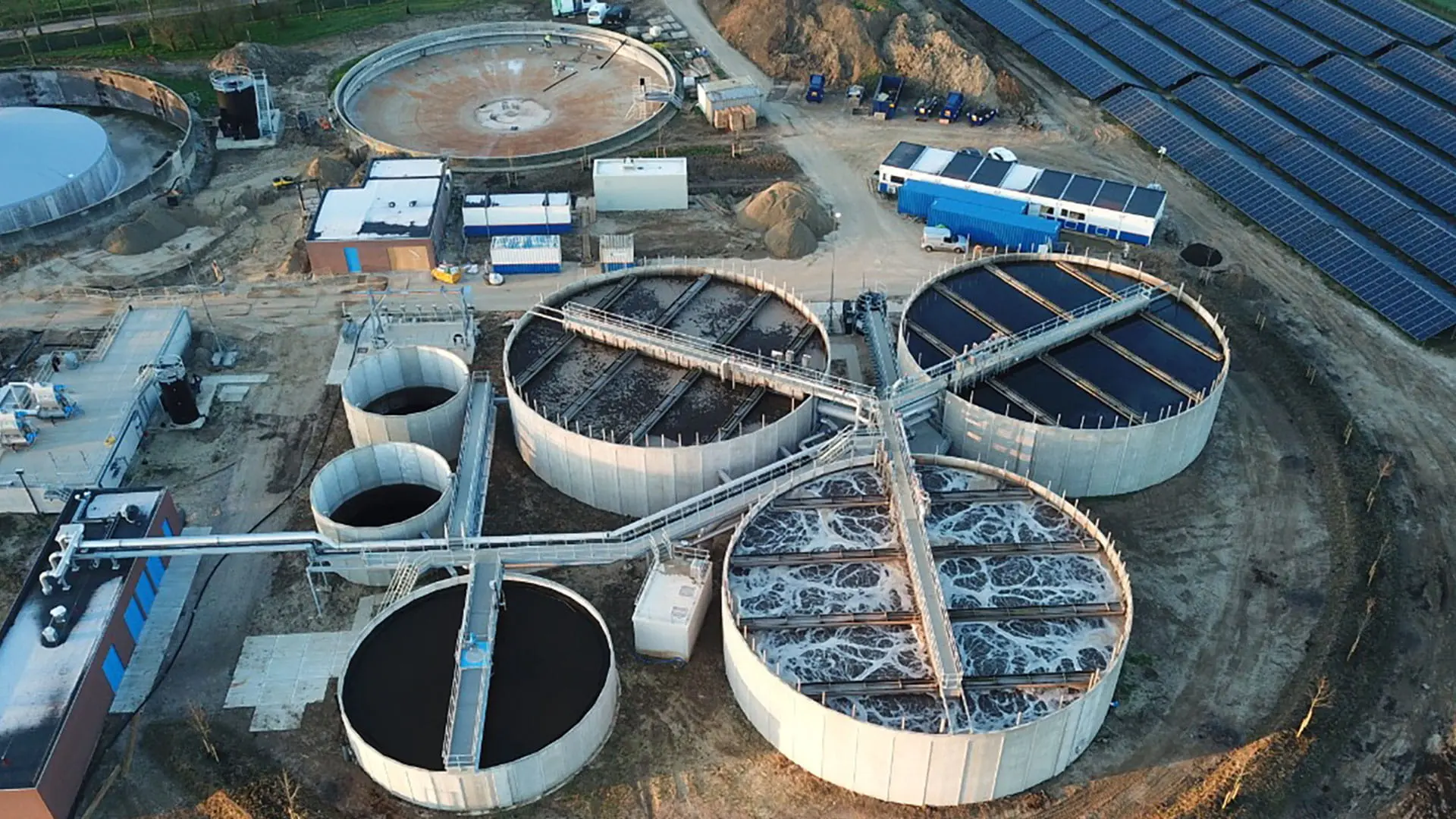
Consists of aeration tanks and secondary sedimentation. Microorganisms decompose organic pollutants into CO2 and H2O.
💎 Advanced Treatment
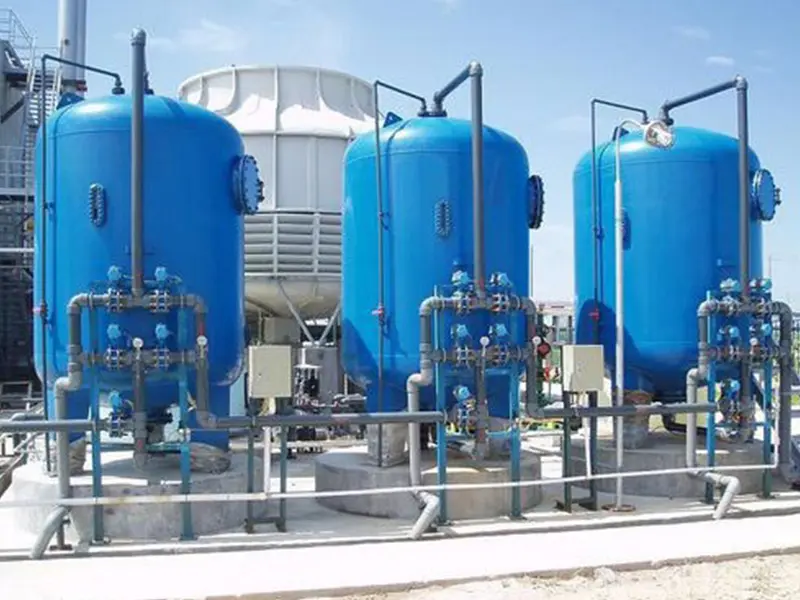
Used for high-standard water reuse. Processes include coagulation, precipitation, and filtration to remove insoluble organic matter.
🌱 Sludge Treatment
Includes concentration, digestion, and dehydration. Digested sludge can be used as fertilizer or soil amendment after proper handling.
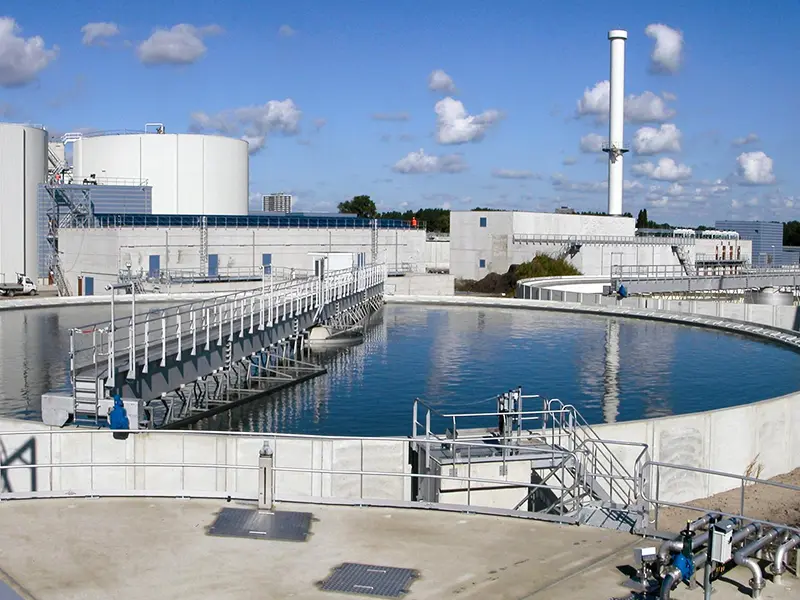
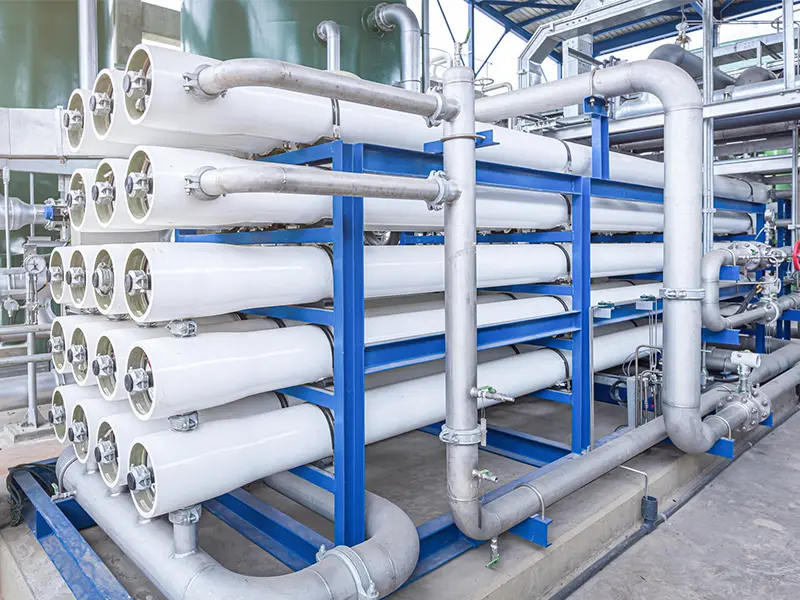
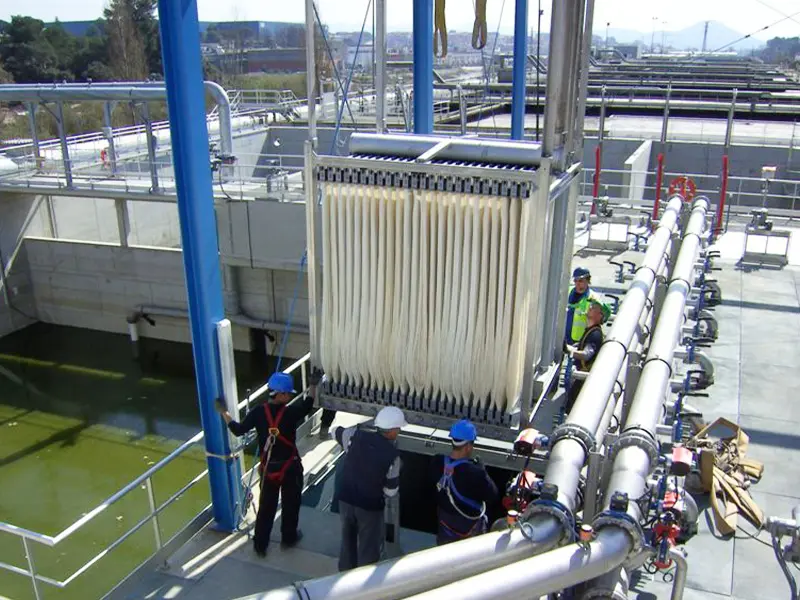
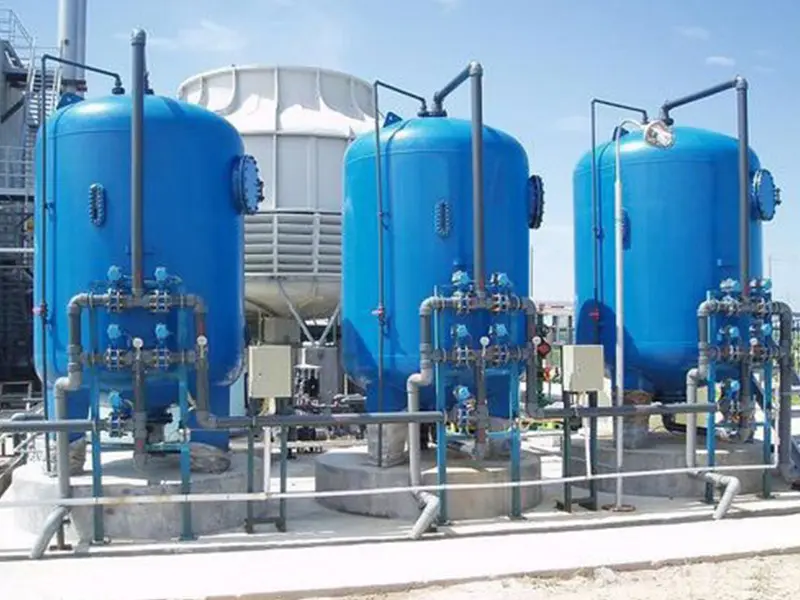
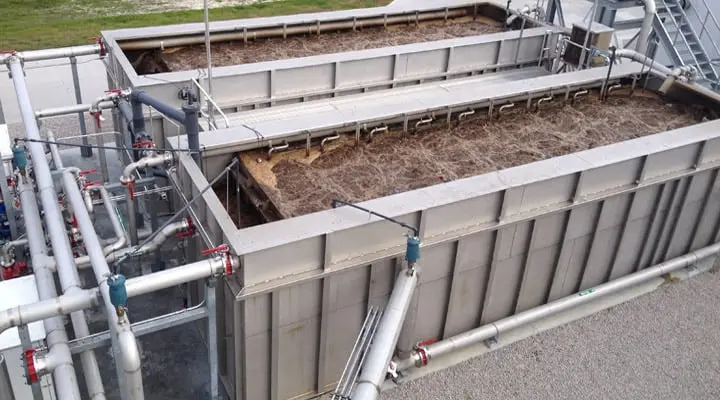
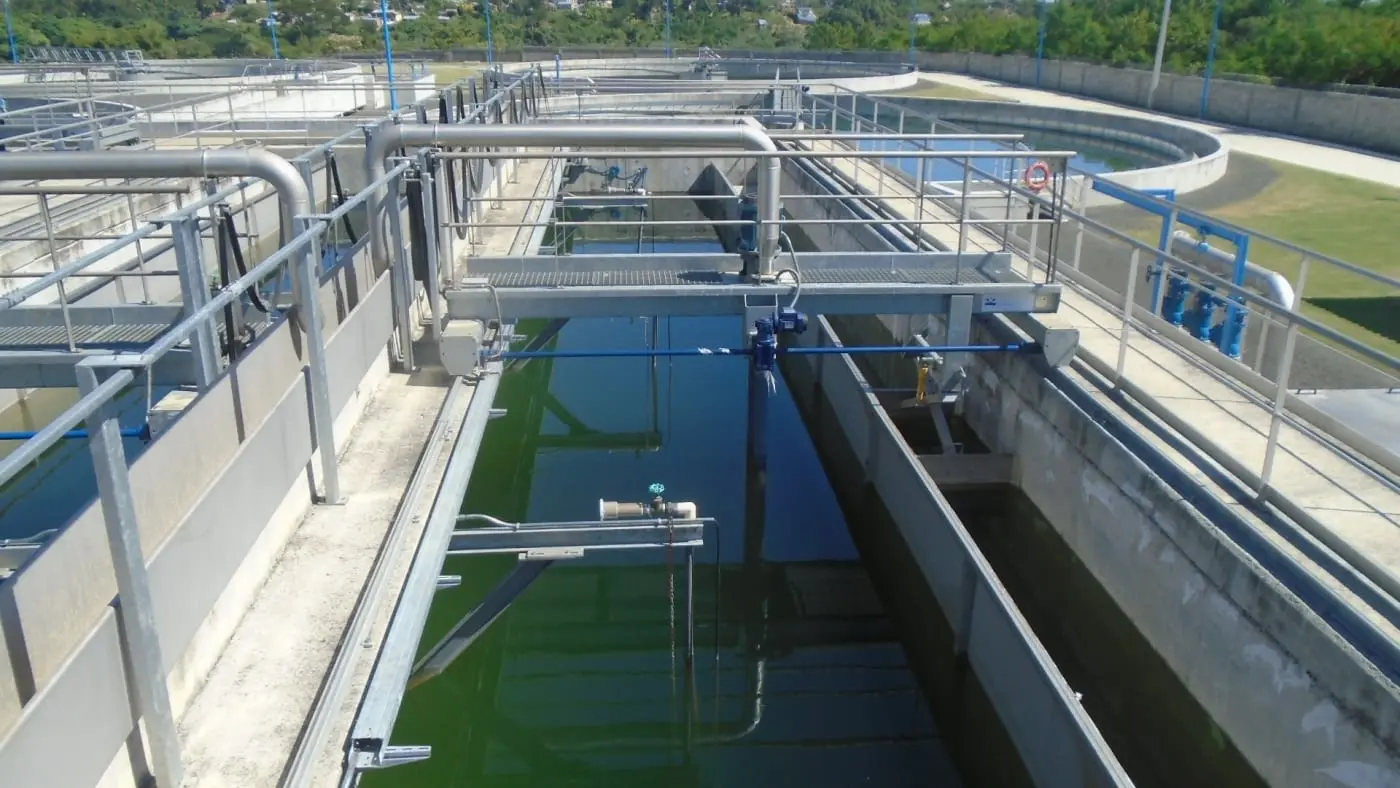
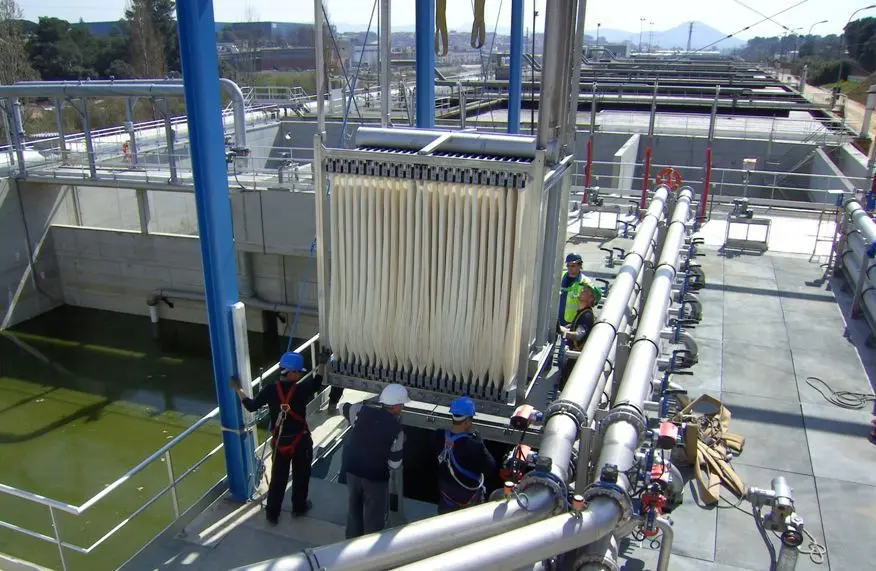
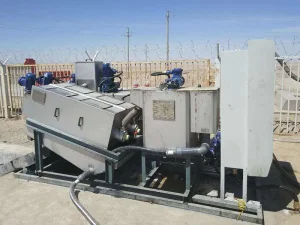
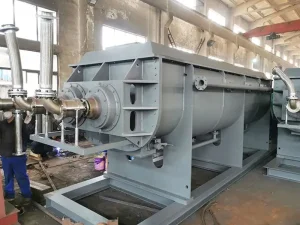
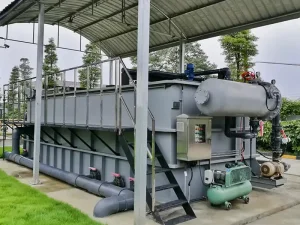
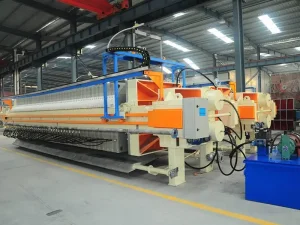
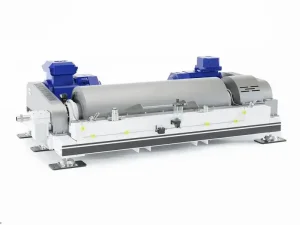
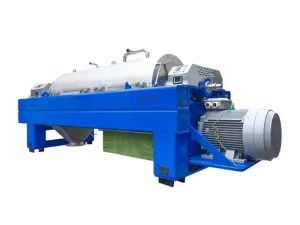
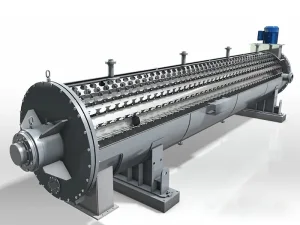
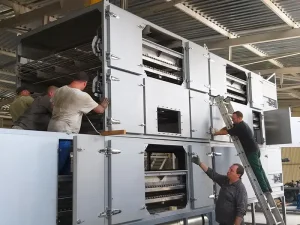
Sewage Treatment Station Equipment
Secondary Treatment Capacity Standards
1. Capacity > 200,000 m³/day: Conventional activated sludge method.
2. Capacity 100,000 - 200,000 m³/day: Oxidation ditch, SBR, or AB method.
3. Capacity < 100,000 m³/day: Hydrolysis aerobic method or biological filters.
Methods of Treatment
🏗️ Physical Method
Separating insoluble suspended pollutants through gravity separation, centrifugal separation, and screening.
🧪 Chemical Method
Using chemical reactions (coagulation, neutralization, REDOX) to transform pollutants into harmless substances.
🦠 Biological Method
Utilizing microbial metabolism to transform solution-state organic pollutants into stable substances.
Remote Monitoring & Management
Through real-time collection and storage of operation data, personnel can track production status remotely via networks. Key features include:
Real-time graphical display of production operations.
Historical production data analysis and visual comparison.
Automatic monitoring with abnormal real-time alarms.
Equipment Maintenance
Focuses on the full life cycle of equipment using fault repair, preventive maintenance, and condition overhaul.
📋 Ledger Management
Accurately grasp basic information and maintenance history of all equipment.
🔧 Automated Orders
System automatically generates maintenance orders based on lubrication and overhaul plans.
📦 Spare Parts
Standardized warehouse management with intelligent inventory monitoring.
Frequently Asked Questions
Q1: What are the main components of urban sewage?
Urban sewage primarily consists of domestic sewage from households and industrial sewage from various production processes.
Q2: What is the difference between primary and secondary treatment?
Primary treatment uses physical methods like screening to remove suspended solids, while secondary treatment uses biological methods (microorganisms) to degrade organic matter.
Q3: Why is tertiary (advanced) treatment not used everywhere?
While it provides drinking-quality effluent, the cost is very high. It is typically reserved for regions with extreme water shortages or specific industrial reuse needs.
Q4: How does biological contact oxidation work?
It uses a biofilm covered filler. Sewage flows through the filler, and microorganisms on the biofilm remove pollutants through metabolism.
Q5: What are the benefits of remote monitoring in sewage plants?
It allows for real-time data tracking, abnormal alarm detection, and centralized management of multiple project locations, improving operational efficiency.
Q6: How is sludge disposed of after treatment?
Sludge is concentrated and dehydrated. It can be used as fertilizer if it meets safety standards, or disposed of in sanitary landfills.
 XINJIEYUAN