industrial EDI System For Water Purification Manufacturers, Factories
XJY's electrodeionization (EDI) is a water treatment technology that utilizes DC power, ion exchange membranes, and ion exchange resin to deionize water. EDI system for water purification is typically employed as a polishing treatment following reverse osmosis (RO), and is used in the production of ultrapure water. It differs from other RO polishing methods, like chemically regenerated mixed beds, by operating continuously without chemical regeneration.
Electrodeionization (EDI) is an electrically-driven water treatment technology. It utilizes electricity, ion exchange membranes, and resin to remove ionized species from water.
Detailed Introduction of EDI System
Electrodeionization (EDI) is a water treatment technology that utilizes DC power, ion exchange membranes, and ion exchange resin to deionize water. EDI is typically employed as a polishing treatment following reverse osmosis (RO) and is used in the production of ultrapure water. It differs from other RO polishing methods, like chemically regenerated mixed beds, by operating continuously without chemical regeneration.
Electrodeionization can be used to produce high purity water, reaching electrical resistivity values as high as 18.2 MΩ/cm.
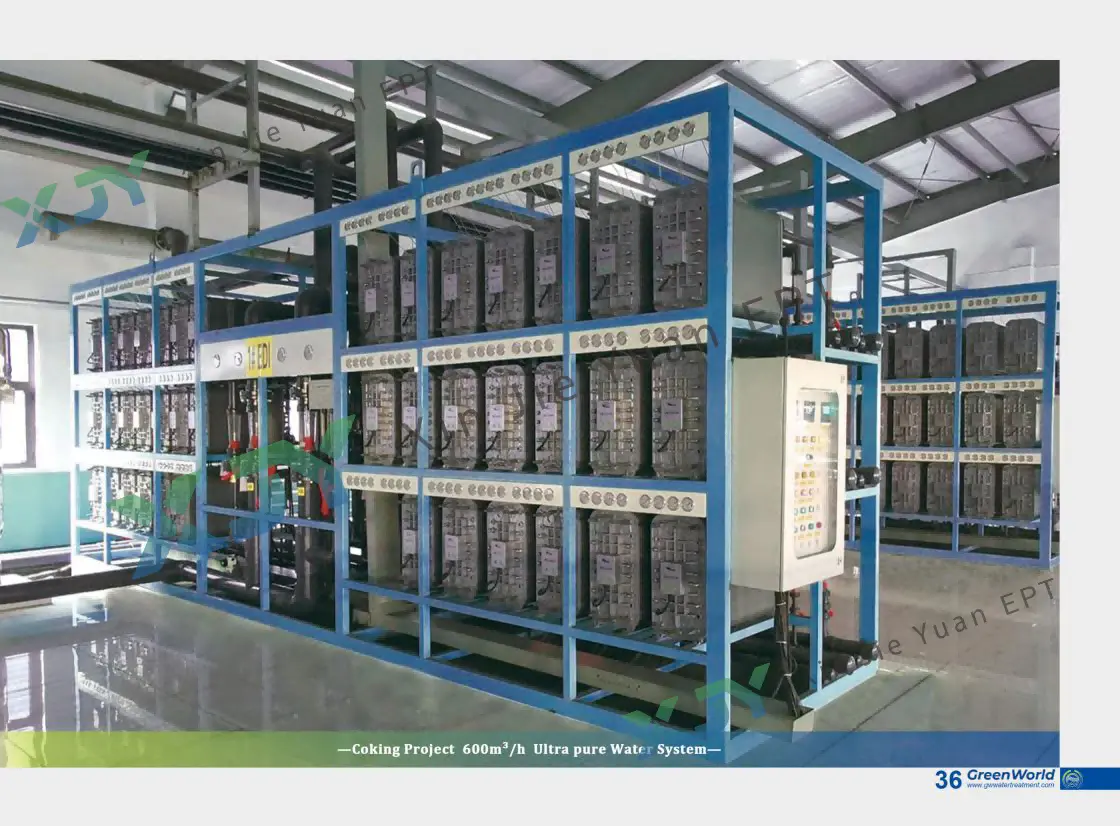
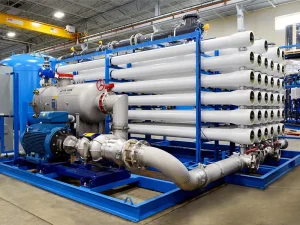
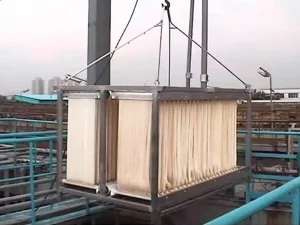
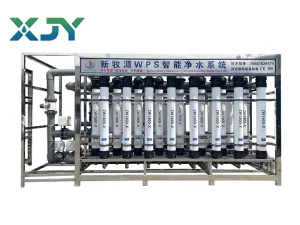
Picture 1: EDI Equipment
1.
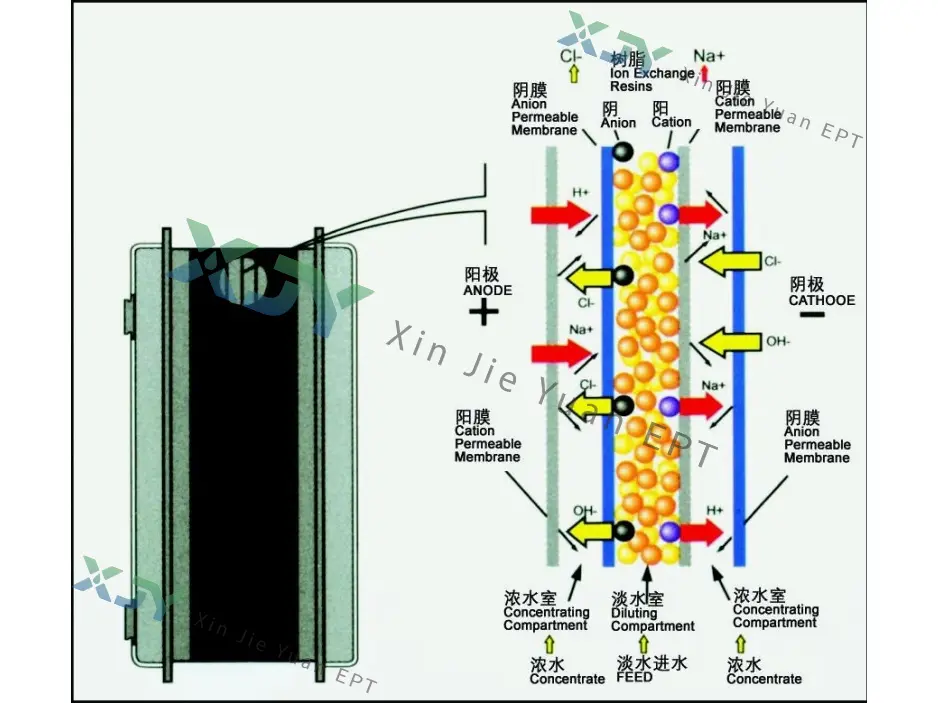
Electrolysis: A continuous DC current directs positive and negative ions toward electrodes with opposing electrical charges. The electrical potential draws anions and cations from diluting chambers, through cation or anion exchange membranes, into concentrating chambers.
2.
Ion exchange: An ion exchange resin fills the diluting chambers. As water flows through the resin bed, cations and anions become affixed to resin sites.
3.
Electrochemical regeneration: Unlike chemically regenerated mixed beds, EDI accomplishes regeneration through water splitting induced by the continuous electric current. Water splits from H2O into H+ and OH- to effectively regenerate the resin without the need for external chemical additives.
EDI is often labeled "continuous electrodeionization" (CEDI) because the electric current continually regenerates the ion exchange resin mass.
EDI Machine Workflows
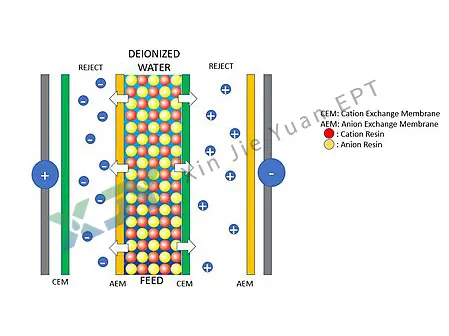
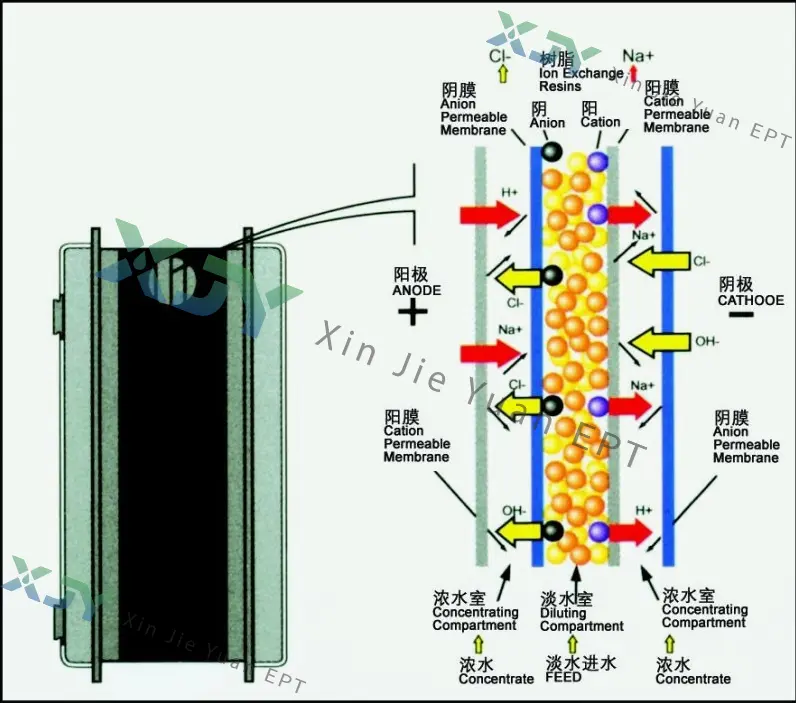
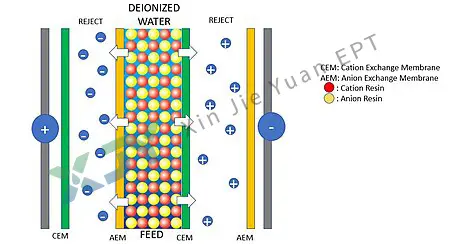
The electrodeionization EDI systems module consists of a set of chambers. We fill these chambers with ion exchange resins separated by ion-exchange membranes. As water enters the module, an applied electrical field forces ions to move through the resins and across the membranes. These impurity ions are collected into concentrate streams to be drained or recycled.
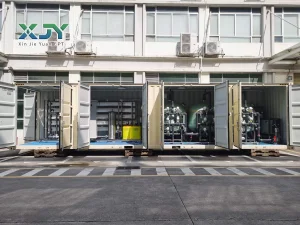
Picture 2: Technical Principles of EDI
The EDI module acts as an ion exchange bed which is continuously regenerated electrically. Under the influence of the externally applied electric field, H+ and OH- ions are produced to maintain the resins in their regenerated state. This process eliminates the need for chemical additives. We often use EDI after reverse osmosis, and if the water is hard, with degassing to remove carbon dioxide.
Key Components of EDI Water Treatment
✔
Ion - Exchange Resins: Responsible for the initial ion exchange and removal of ions from water. They have a high affinity for ions and are distributed within the EDI cell.
✔
Electrodes: The anode and cathode provide the electrical potential necessary for ion migration. They are made of materials that conduct electricity effectively and withstand electrochemical environments.
✔
Membranes: Cation-exchange and anion-exchange membranes act as semi-permeable barriers to control the movement of ions within the EDI stack.
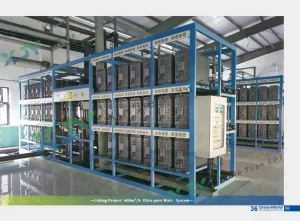
Picture 3: Key Components of EDI
Installation Plan
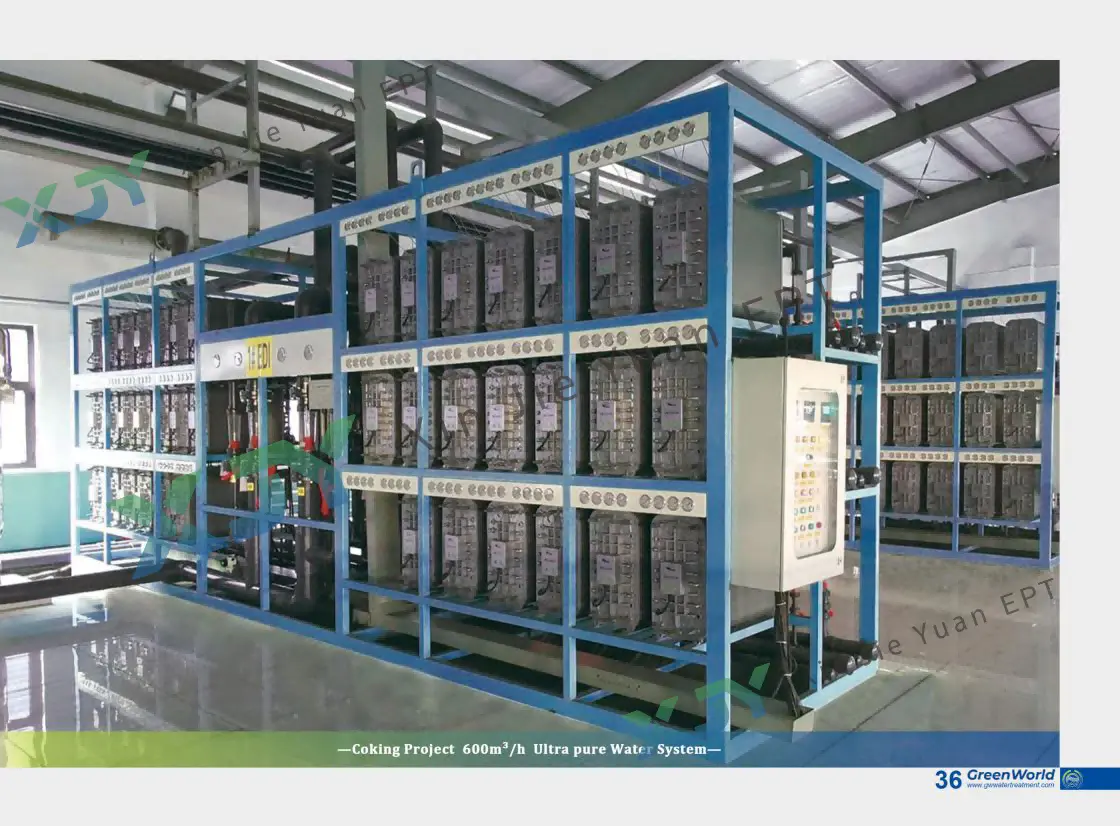
A typical EDI installation consists of electrodes, anion exchange membranes, cation exchange membranes, and resin. Simple configurations comprise three compartments, but the number of cells can be increased to enhance production intensity or efficiency.
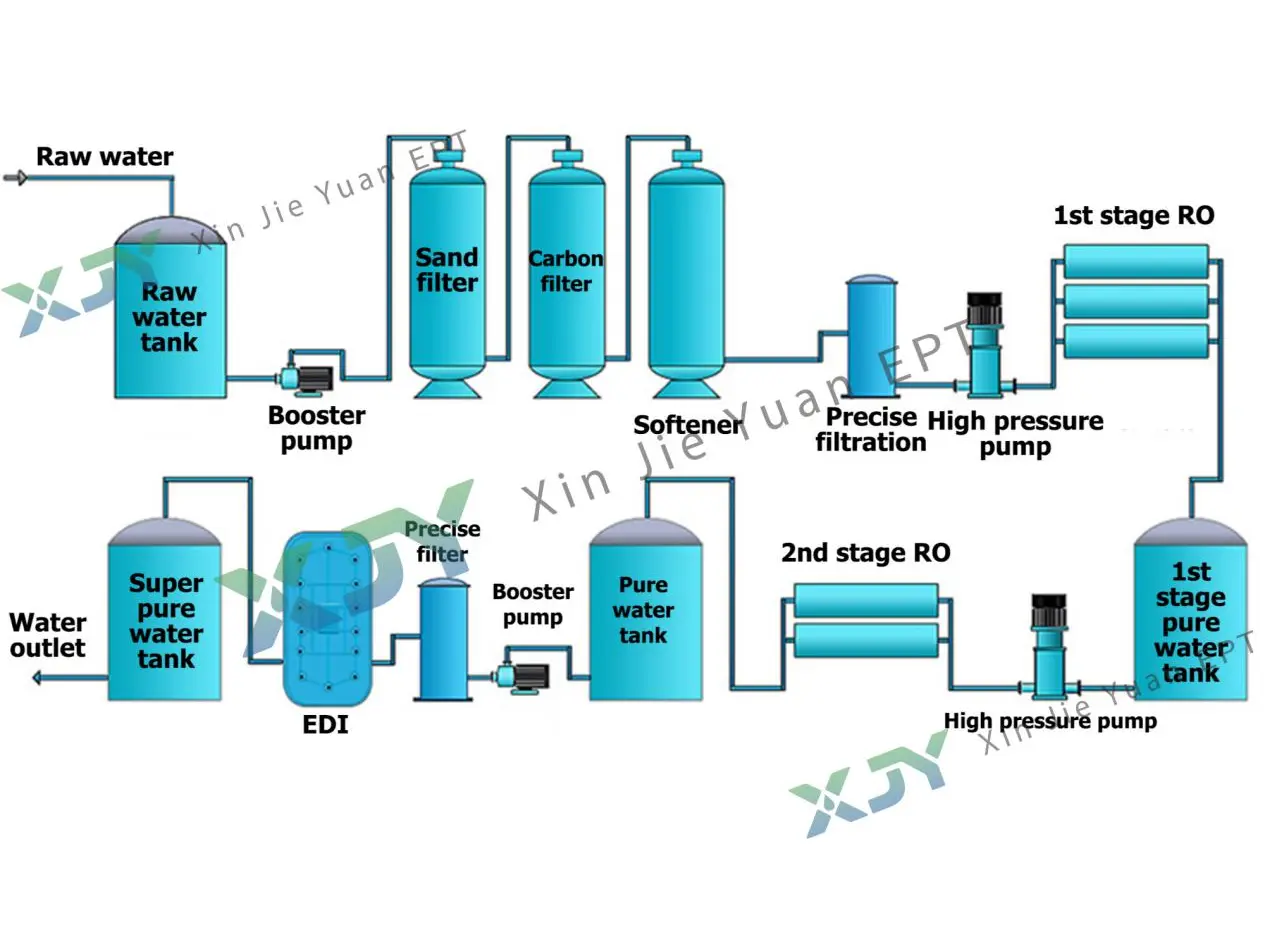
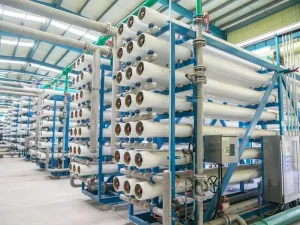
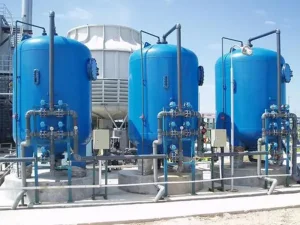
Picture 4: EDI System
Once installed, feedwater flows through the system; cations migrate toward the cathode and anions toward the anode. The selectivity of the membranes ensures that ions flow in one direction, leaving the product water relatively ion-free. This allows for selective waste disposal, recycling, or reuse, especially for heavy metal removal.
Main Features and Advantages
●
High Water Quality: Consistently produces ultrapure water with resistivities exceeding 15 MΩ·cm.
●
Eco-Friendly: Eliminates the need for chemical regeneration, reducing hazardous waste.
●
Continuous Operation: Operates 24/7 without downtime for resin regeneration.
●
Safety: No handling of concentrated acids or alkalis is required.
●
Space-Saving: Compact modular design ideal for facilities with limited space.
Applications of EDI
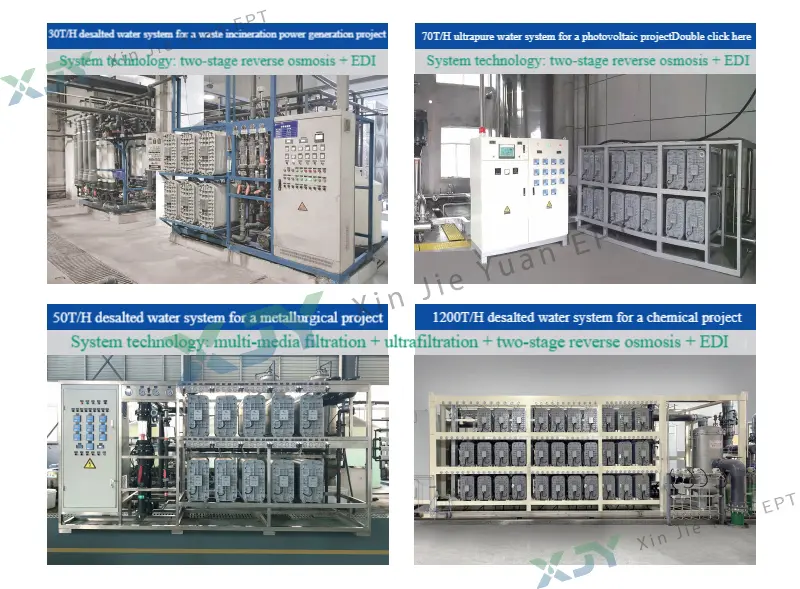
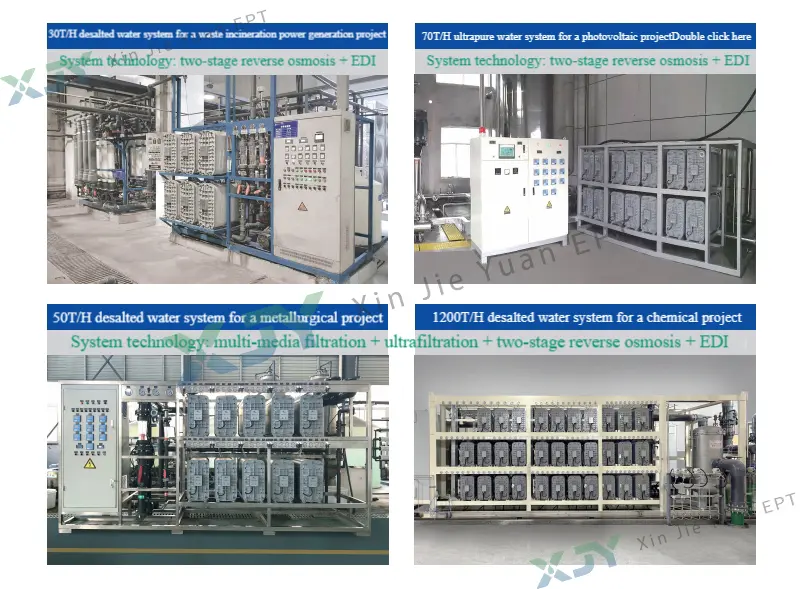
Picture 5: Applications of EDI
EDI technology finds extensive application in various industries:
▸
Electronics and Semiconductors: For rinsing and etching processes requiring contamination-free water.
▸
Pharmaceuticals: Essential for sterility and purity in drug production.
▸
Power Generation: High-purity boiler feedwater to prevent equipment corrosion.
▸
Fine Chemicals: Crucial for research, development, and high-tech manufacturing.
Frequently Asked Questions
Q1: What is the main benefit of using EDI over traditional mixed bed ion exchange?
The primary advantage is that EDI operates continuously and regenerates itself electrically, eliminating the need for hazardous chemicals and the downtime associated with chemical regeneration.
Q2: What level of water purity can an EDI system achieve?
EDI systems can consistently produce ultrapure water with electrical resistivity values as high as 18.2 MΩ/cm, meeting the most stringent industrial standards.
Q3: Does EDI require pretreatment?
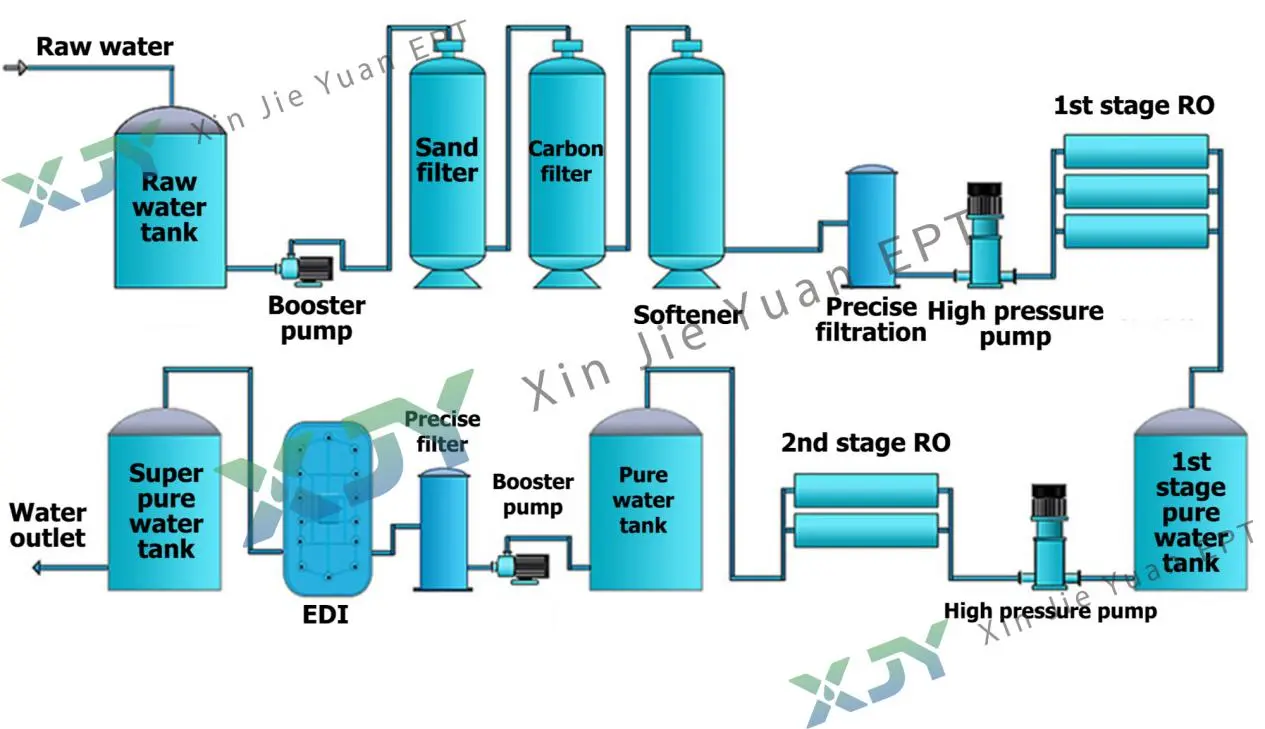
Yes, EDI is typically used as a secondary treatment after Reverse Osmosis (RO). The RO system removes the bulk of the contaminants, allowing the EDI to focus on polishing the water to ultrapure levels.
Q4: How does EDI regenerate its resin without chemicals?
EDI uses a continuous electric current to split water molecules into hydrogen (H+) and hydroxyl (OH-) ions, which continuously regenerate the ion exchange resins in situ.
Q5: Is EDI technology environmentally friendly?
Yes, because it does not require acid or caustic soda for regeneration, it significantly reduces chemical waste and the environmental footprint of water treatment operations.
Q6: What maintenance is required for an EDI module?
Maintenance is generally low compared to traditional systems. It primarily involves monitoring electrical parameters, inlet water quality, and ensuring the RO pretreatment is functioning correctly to prevent module scaling.
 XINJIEYUAN