⚙️Technical Characteristics of Reverse Osmosis Membrane Desalination
Reverse osmosis membrane desalination technology can separate dissolved mineral salts, organic matter, bacteria, viruses, and solids in seawater.
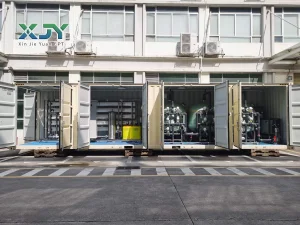
Seawater reverse osmosis (SWRO) desalination system combined with automation and high-precision manufacturing processes reduces investment and operation costs while improving water yield.
The reverse osmosis RO desalination plant effluent quality meets drinking water standards, alleviating serious fresh water shortages.
As the core component of seawater desalination systems, the reverse osmosis membrane features a high desalination rate, excellent pressure resistance, oxidation resistance, and pollution resistance. It intercepts inorganic ions, colloidal substances, and macromolecular solutes to produce pure water. This technology is vital for the high-quality development of the desalination industry and for mitigating global water resource shortages.
💧Product Introduction
Seawater reverse osmosis desalination technology removes salt from seawater, transforming it into fresh water for human life and industry. With increasing global demand, SWRO technology has become a cornerstone of sustainable water management.
Definition of Seawater Reverse Osmosis
It is a treatment technology that filters seawater through a semi-permeable membrane, separating salt and impurities from pure water by applying pressure.
🔍Principles of Seawater Reverse Osmosis
1. Principle of Semi-permeable Membrane: Special materials with specific pore sizes allow small molecules like water and oxygen to pass while blocking large molecules like salt and organic matter.
2. The Effect of Osmotic Pressure: When the pressure applied to the seawater side exceeds its natural osmotic pressure, water molecules flow from the high-pressure area to the low-pressure area through the membrane.
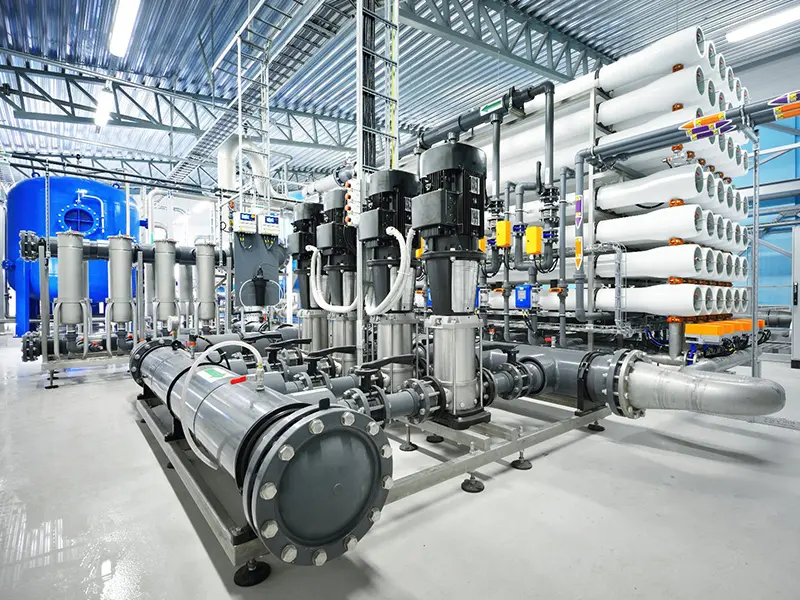
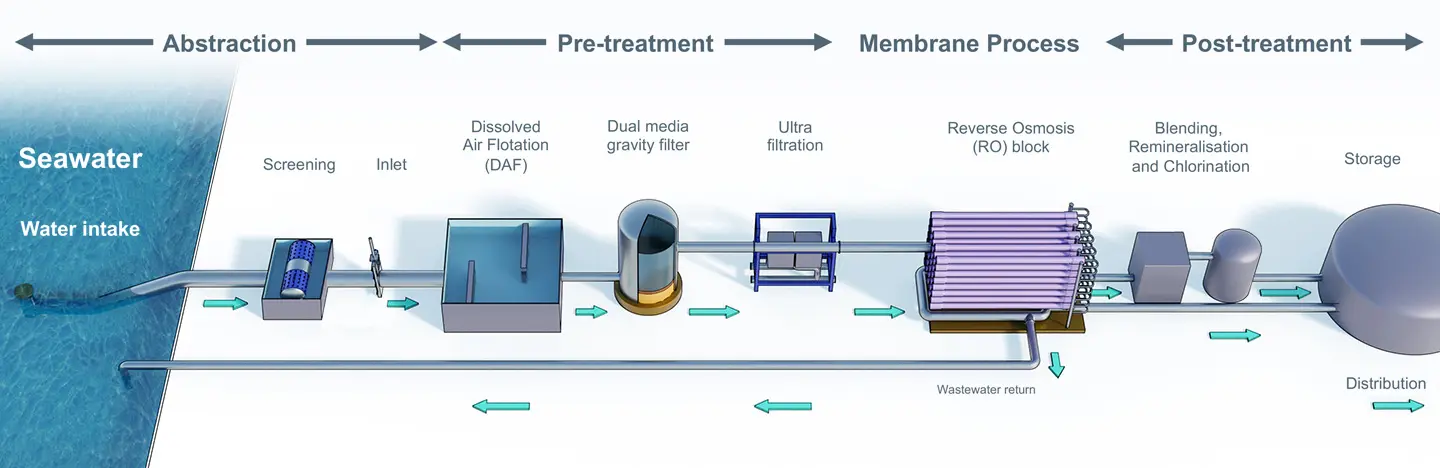
3. Composition of Reverse Osmosis System: Includes a pretreatment system (filtration, dosing, chlorine removal), the RO system (membranes and vessels), and post-treatment (mineralization, pH adjustment).
🛠️System Components & Functionality
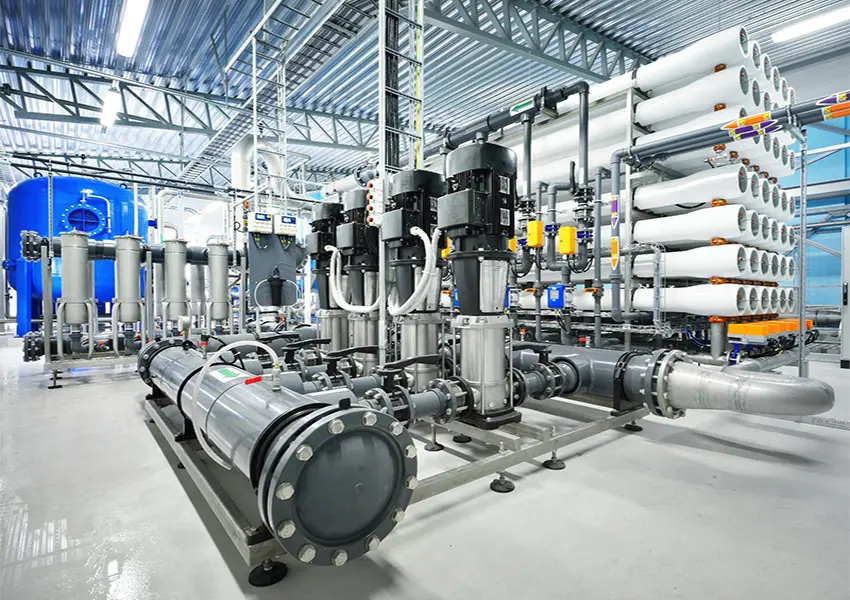
Water Supply Pump: Provides power for multi-media filters and precision filters, ensuring consistent flow and flushing capabilities.
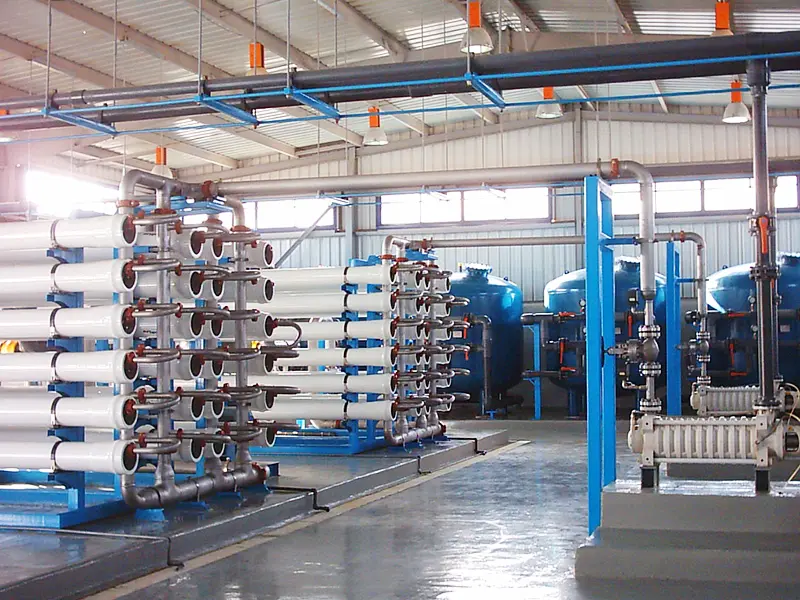
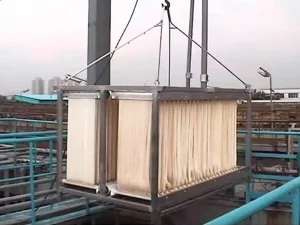
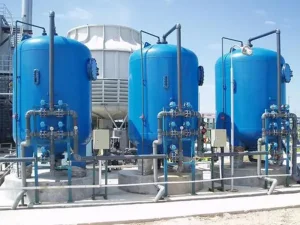
Multi-media Filter: Removes algae, rust, and particulate matter. It minimizes the pollution index (SDI) and turbidity of raw water to protect the RO system.
Activated Carbon Filter: Adsorbs residual chlorine to prevent membrane degradation and removes small organic pollutants.
Precision Filter: Intercepts particles larger than 5 microns to ensure the thin RO membrane (approx. 10 microns) is not scratched or damaged by high-pressure suspended solids.
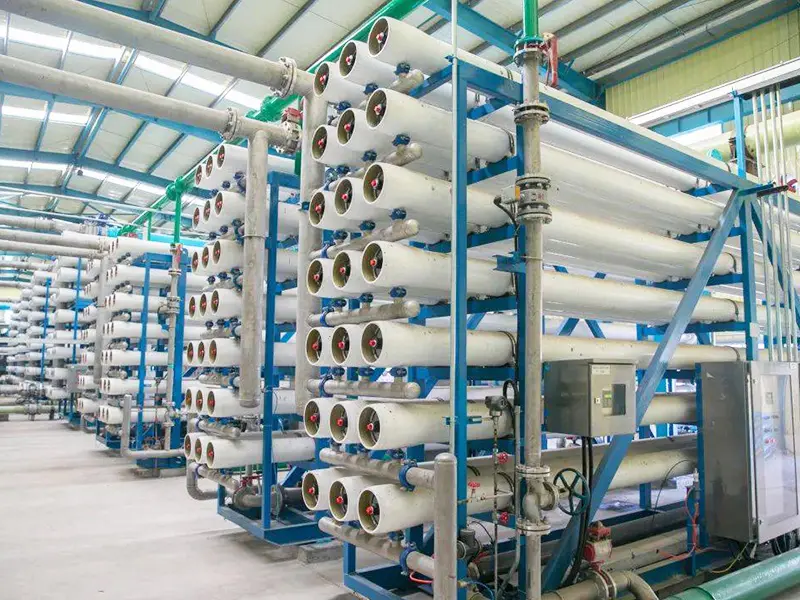
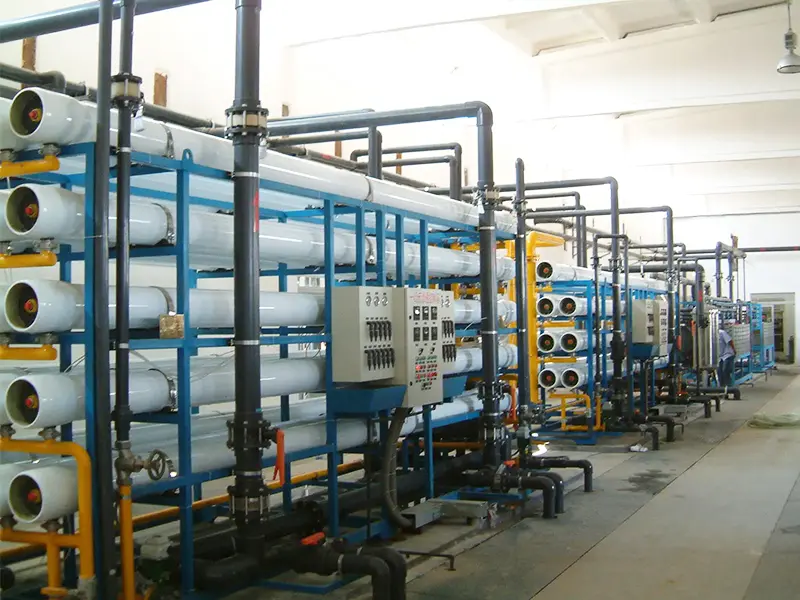
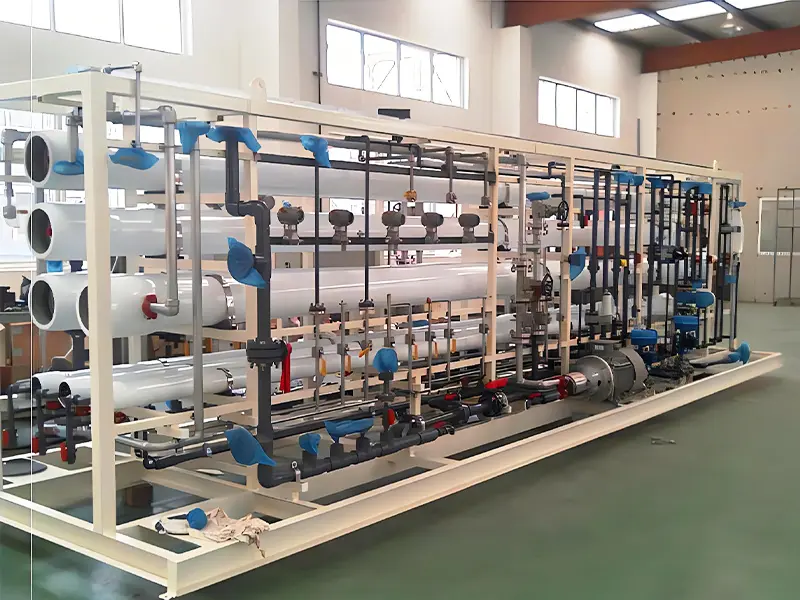
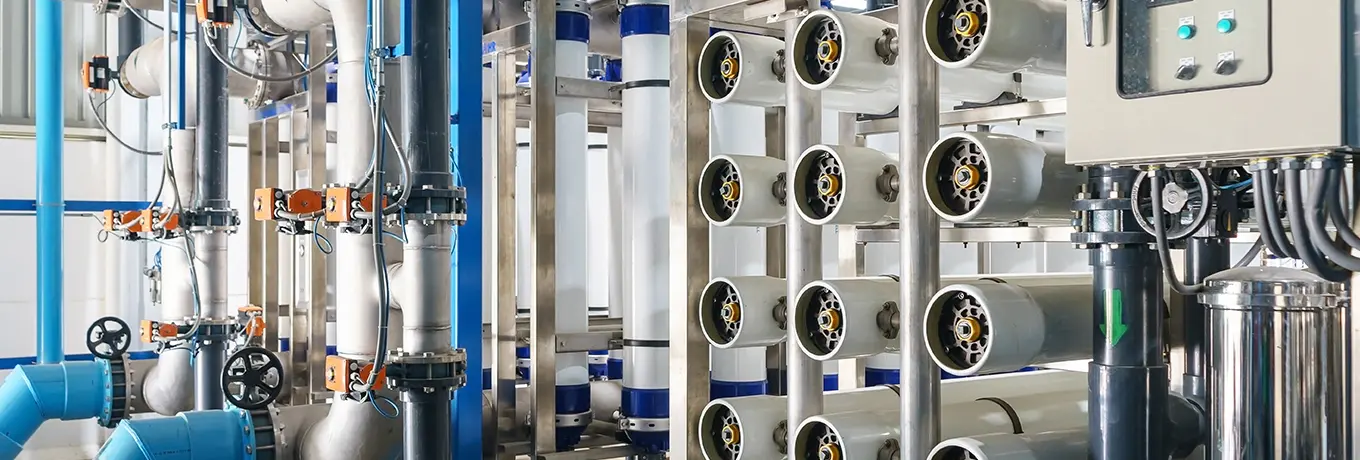
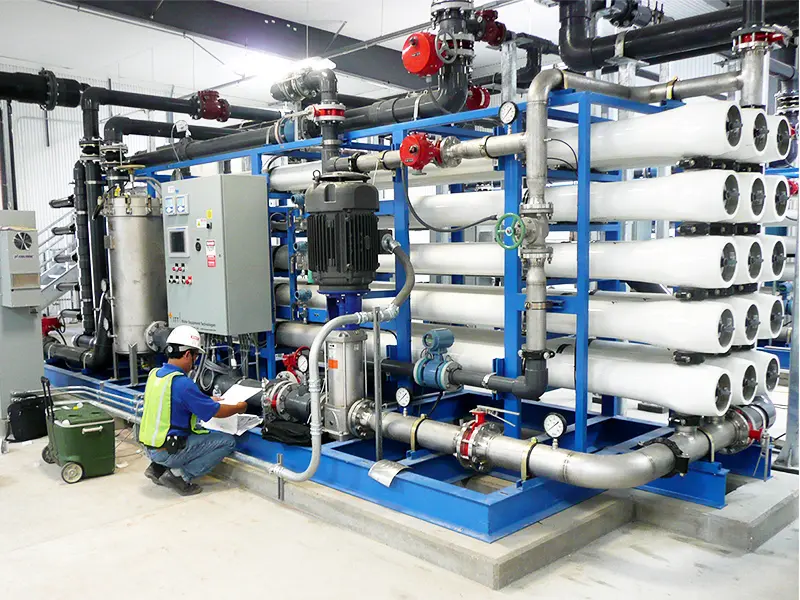
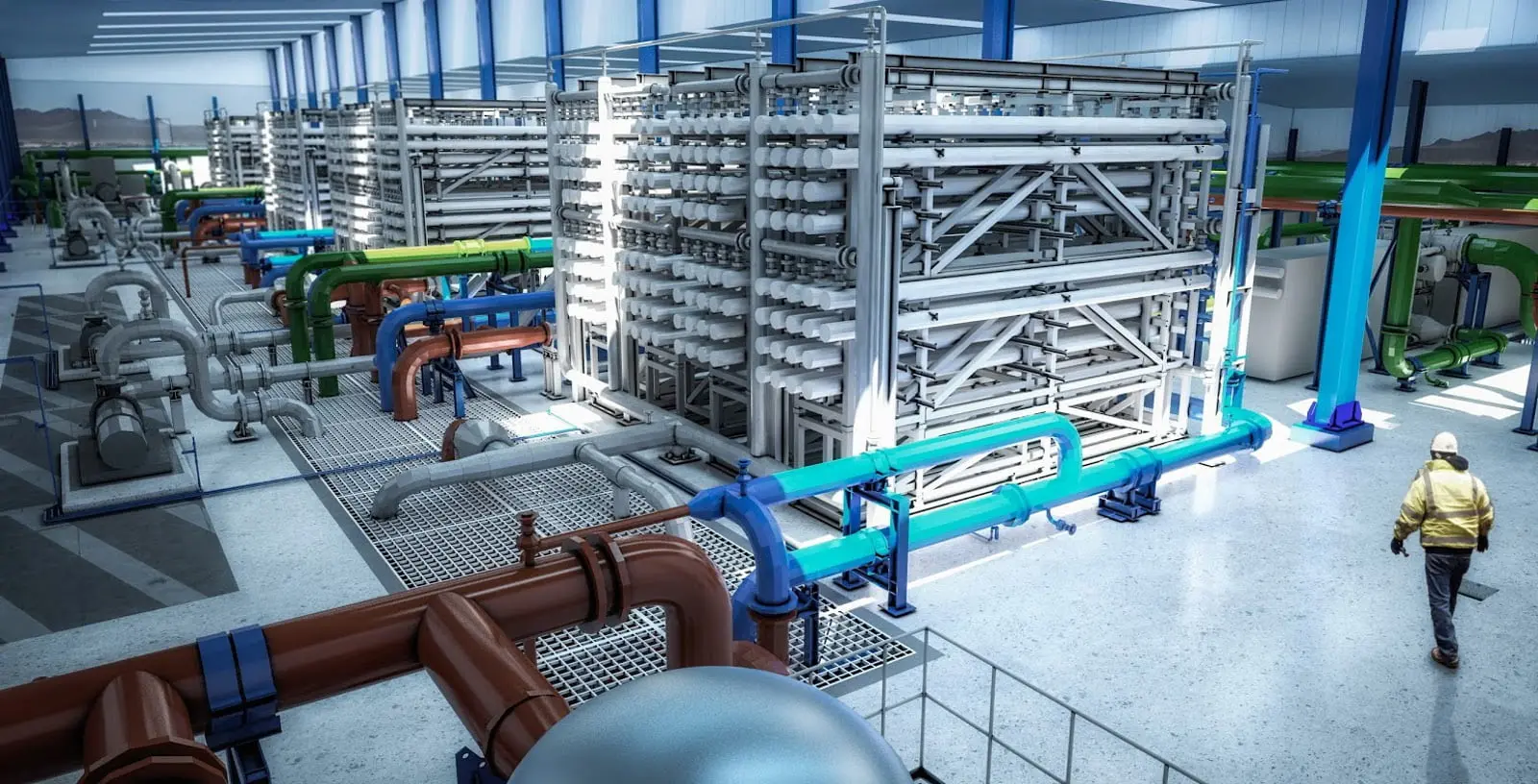
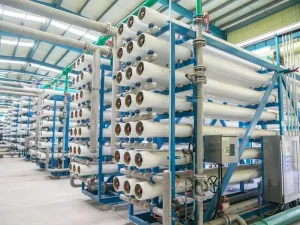
Reverse Osmosis System: The core desalting device that utilizes membrane characteristics to remove soluble salts, colloids, and microorganisms.
Cleaning System: Chemical cleaning restores performance by removing trace salt fouling and organic accumulation that standard washing cannot clear.
🌍Sustainable Development & Environmental Impact
Seawater reverse osmosis is a promising technology for desert areas, islands, and offshore industries (oil, wind power). It provides a sustainable alternative to traditional freshwater transfer, which often causes ecological issues like river pollution and wetland destruction.
By converting a large amount of wastewater into sustainable water resources, this process promotes green industrial and agricultural production. It is not only a solution for drinking water but also a critical tool for global water security and environmental protection.
🏢Application Fields
Beyond seawater desalination, these systems are effectively used in:
- Heavy Metal Wastewater Treatment: High recovery rates (over 90%) for electroplating rinse water (zinc, copper cyanide).
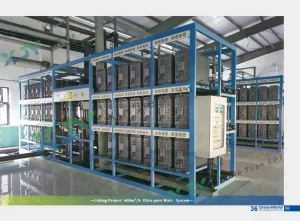
- Ultrapure Water Preparation: Phase-change-free filtration requiring no acid-base regeneration.
- Industrial Recycling: Reducing the environmental footprint of manufacturing plants.
Frequently Asked Questions (FAQ)
Q1: Can reverse osmosis water be used for drinking directly?
A: Yes, modern seawater reverse osmosis (SWRO) systems produce effluent that meets or exceeds international drinking water standards.
Q2: Why is a precision filter necessary before the RO membrane?
A: The RO membrane is extremely thin (about 10 microns). A precision filter intercepts particles larger than 5 microns to prevent the membrane surface from being scratched under high pressure.
Q3: How does temperature or salt concentration affect the system?
A: Higher salt concentrations increase the osmotic pressure, requiring more energy. Proper pretreatment and automation help the system adjust to various seawater conditions.
Q4: What are the main benefits of RO compared to thermal desalination?
A: RO systems generally offer lower energy consumption, smaller equipment footprints, lower investment costs, and shorter construction periods.
Q5: Is chemical cleaning frequently required?
A: Chemical cleaning is periodic. It is used to restore desalination capacity when performance declines due to salt fouling or organic accumulation that standard flushing cannot remove.
Q6: Can this technology treat industrial wastewater?
A: Absolutely. It is widely used to treat heavy metal wastewater and in the preparation of ultrapure water for specialized industrial manufacturing.
 XINJIEYUAN