commercial FRP Tank Service, Factory

    Product Description

    Project Introduction

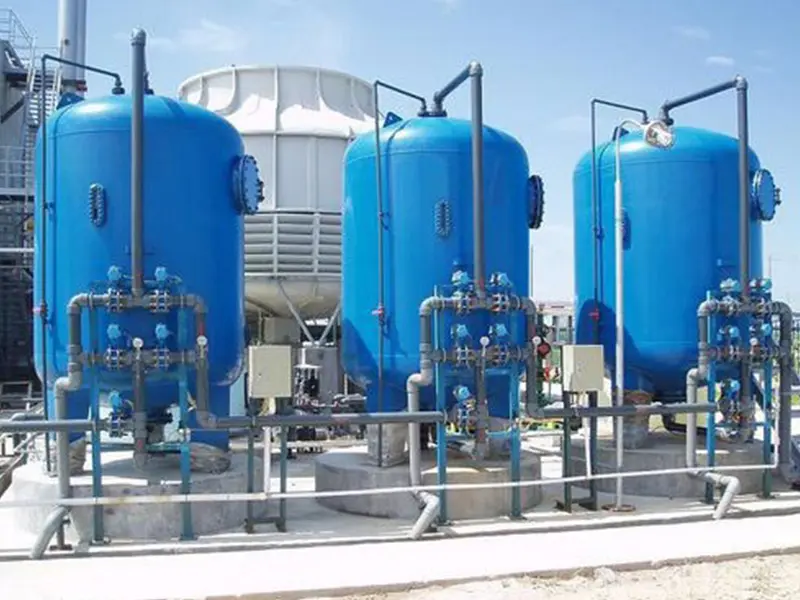
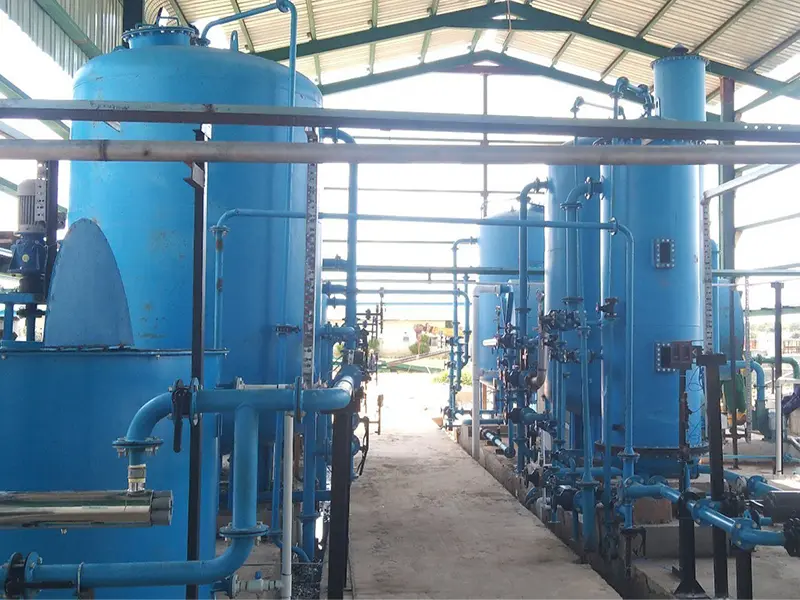
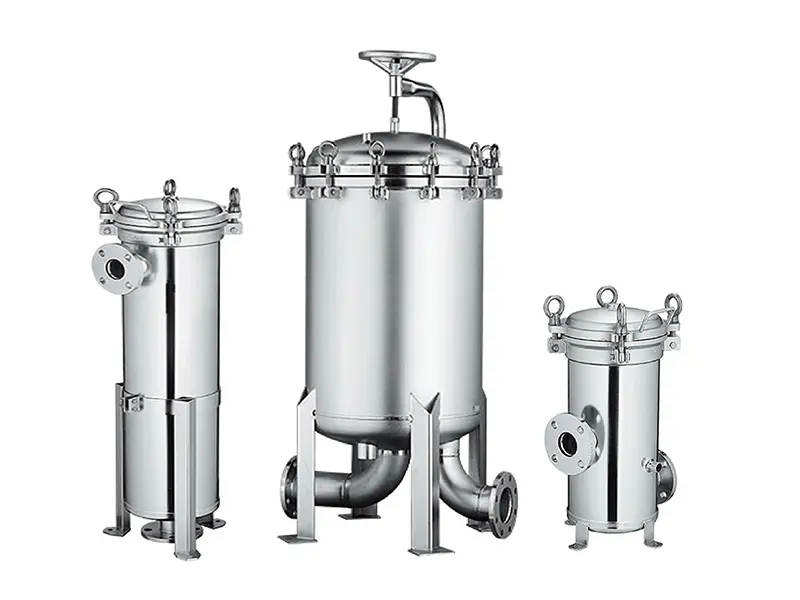
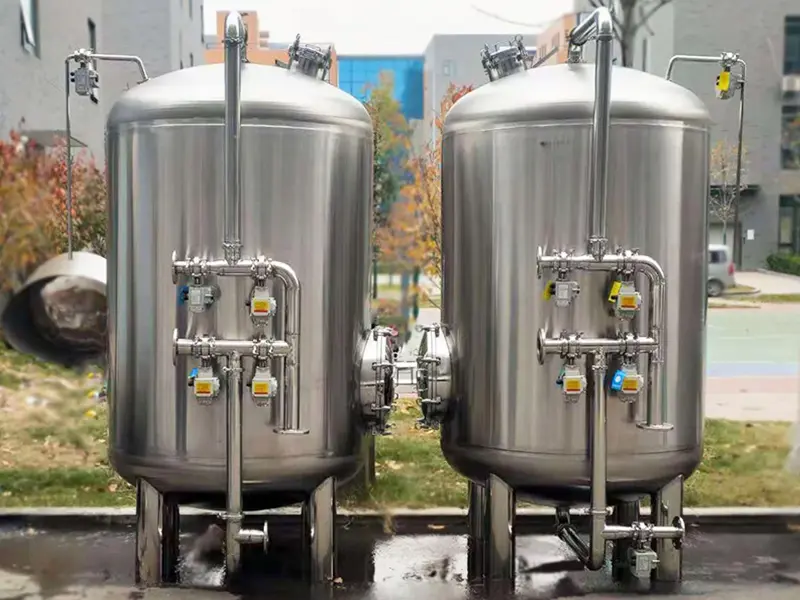
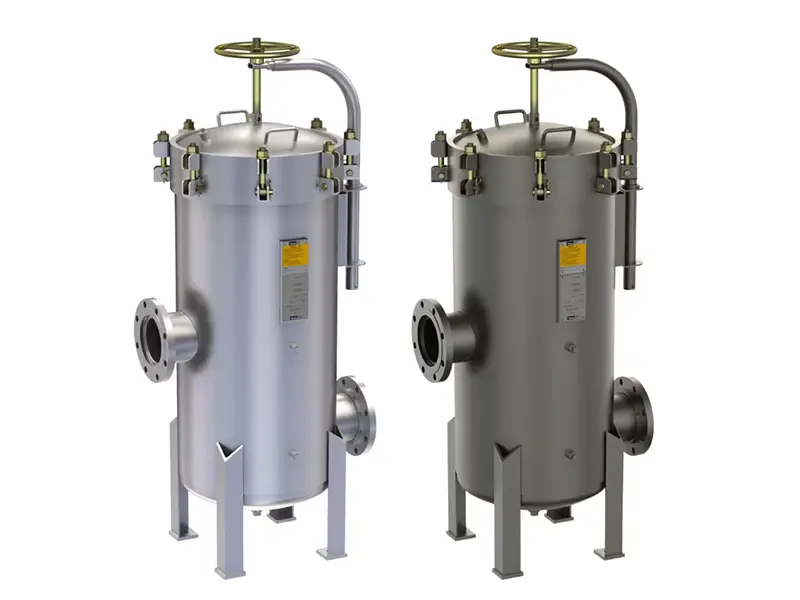
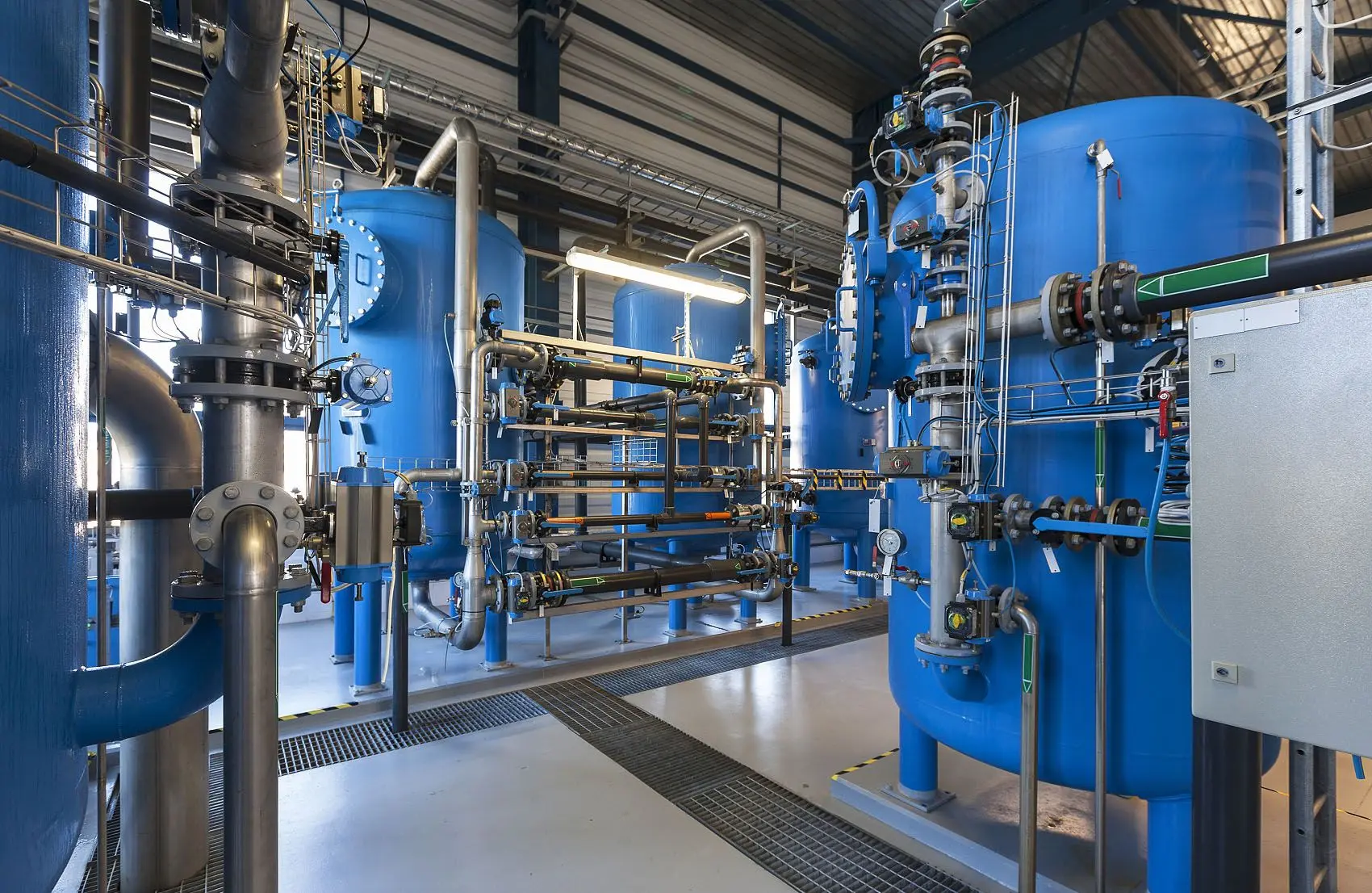
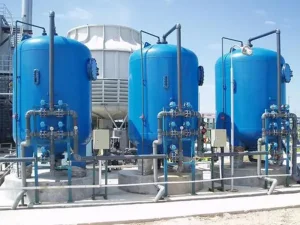
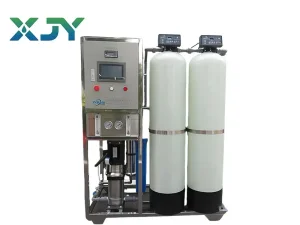
    Filter tank vessel is an indispensable equipment in the pipeline of conveying media, usually installed on the import equipment of pressure relief valve, pressure relief valve, fixed water level valve, square filter and other equipment. The filter consists of a cylinder, a stainless steel filter, a sewage discharge part, a transmission device and an electrical control part. After the water to be treated passes through the filter filter, the impurities are blocked. When cleaning is required, simply remove the detachable filter and reinstall it. Therefore, it is very convenient to use and maintain.
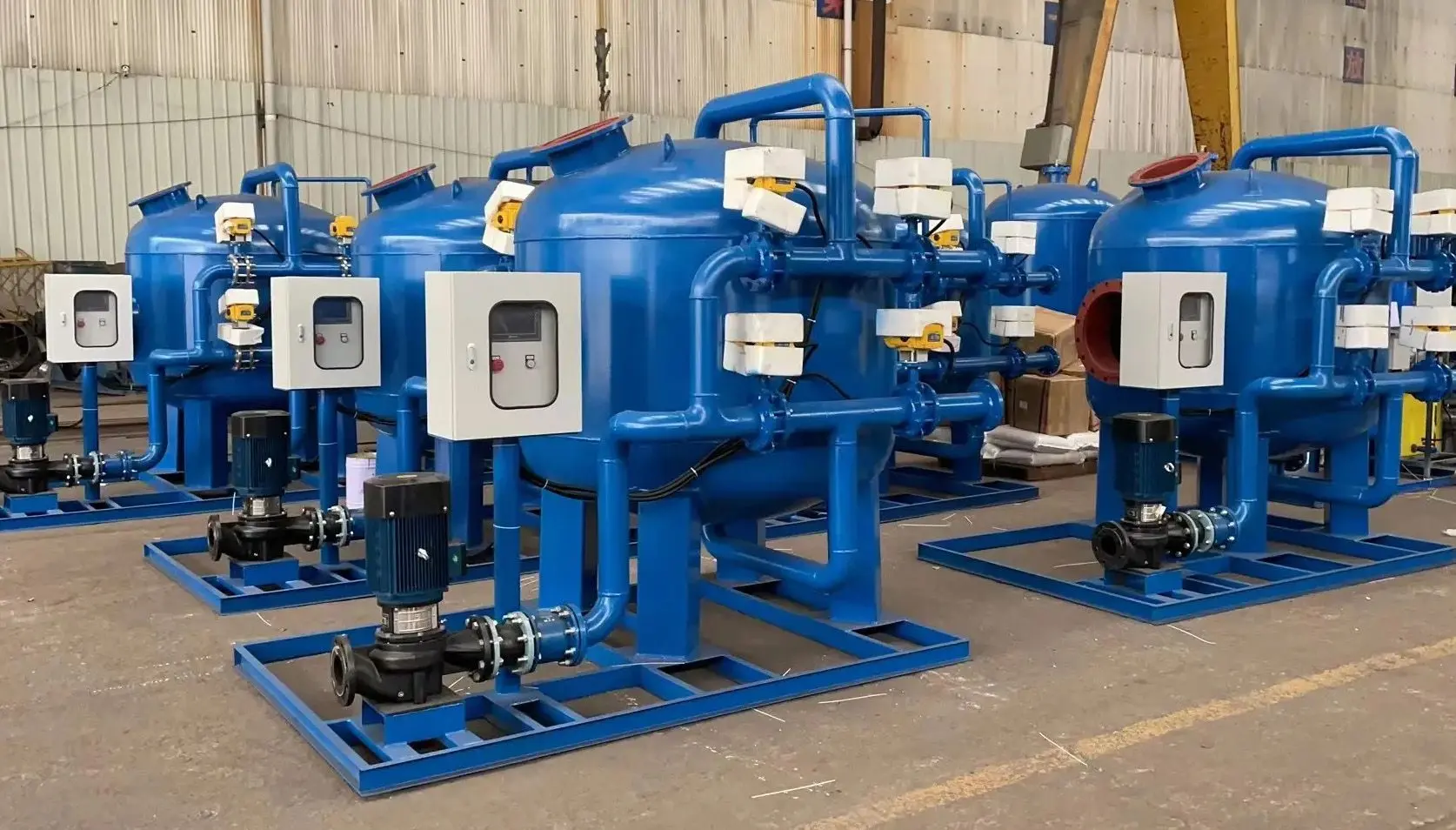
    Project Introduction Image

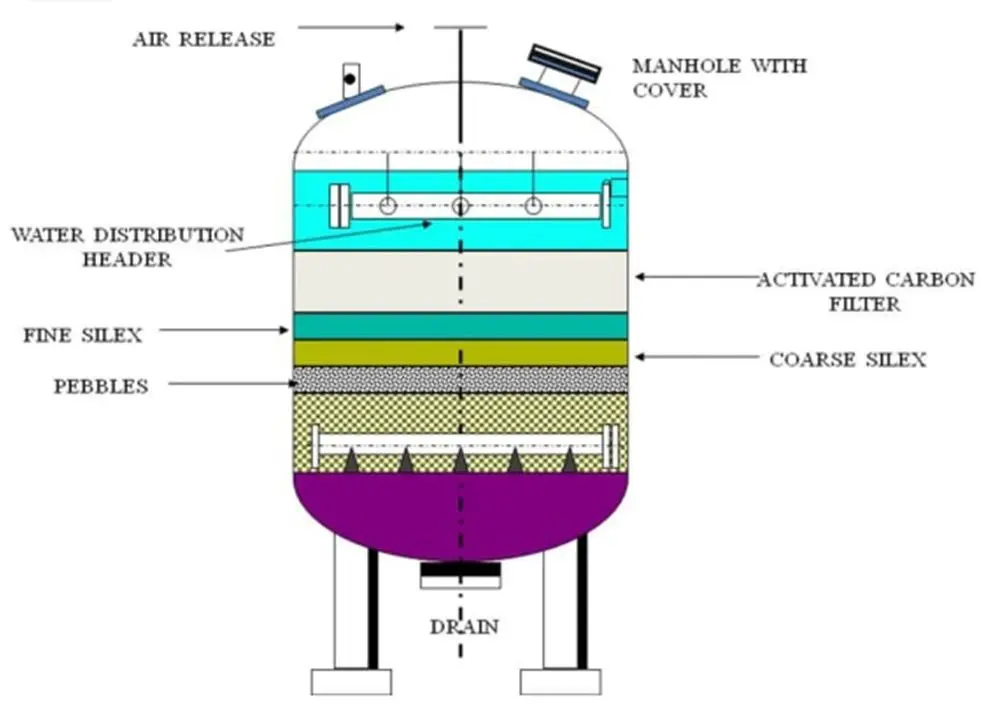
    Internal Structure of Filtration Tank

    1.
    Tank: The main structure of the water treatment filtration equipment. Usually made of carbon steel anti-corrosion, rubber-lined, stainless steel 304 or fiberglass.
    2.
    Water distributor: Located on the top of the filter, responsible for evenly distributing raw water to the filter layer for effective filtration.
    3.
    Filter material: Core part using combinations of quartz sand, activated carbon, anthracite, and manganese sand graded by specific size.
    4.
    Filter plate and filter cover: The plate supports and fixes the filter material, while the cover collects filtered water.
    5.
    Air distributor: Injects air into the filter layer to increase water flow and enhance the mixing effect.
    6.
    Water collector: Located at the bottom, responsible for collecting and draining filtered water from the tank.
    7.
    Legs or supports: Structural supports ensuring the stability and safety of the filter container.
    Internal Structure Diagram

    In addition, some filter tanks are also equipped with a backwash system, including backwash drain valves, backwash water inlet valves and other components. The system is designed to regularly clean the filter material and restore filtration efficiency.

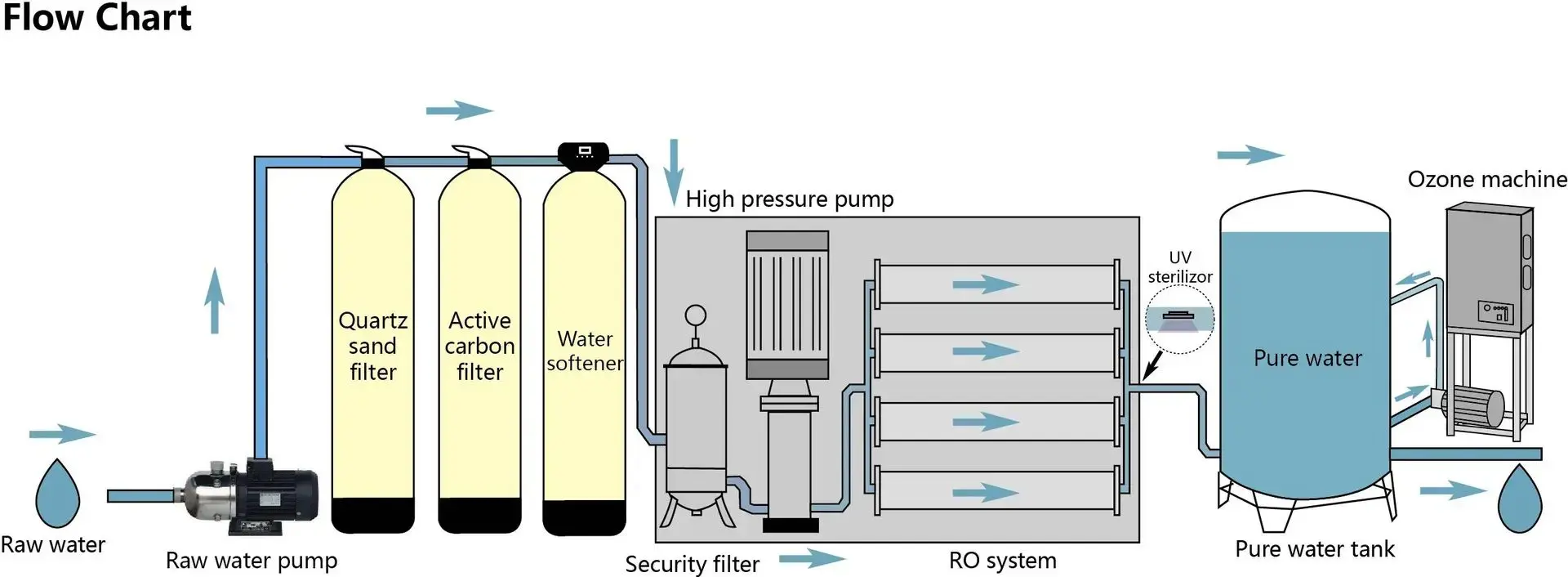
    How the Filter Plant Works

    When the filter is working, the water to be filtered enters the filter from the outlet and enters the pipeline required by the user through the outlet for process circulation, and the particulate impurities in the water are intercepted inside the filter. When the large difference reaches the set value, the differential pressure transmitter will transmit the electrical signal to the controller, the control system starts the driving motor to clean the system.
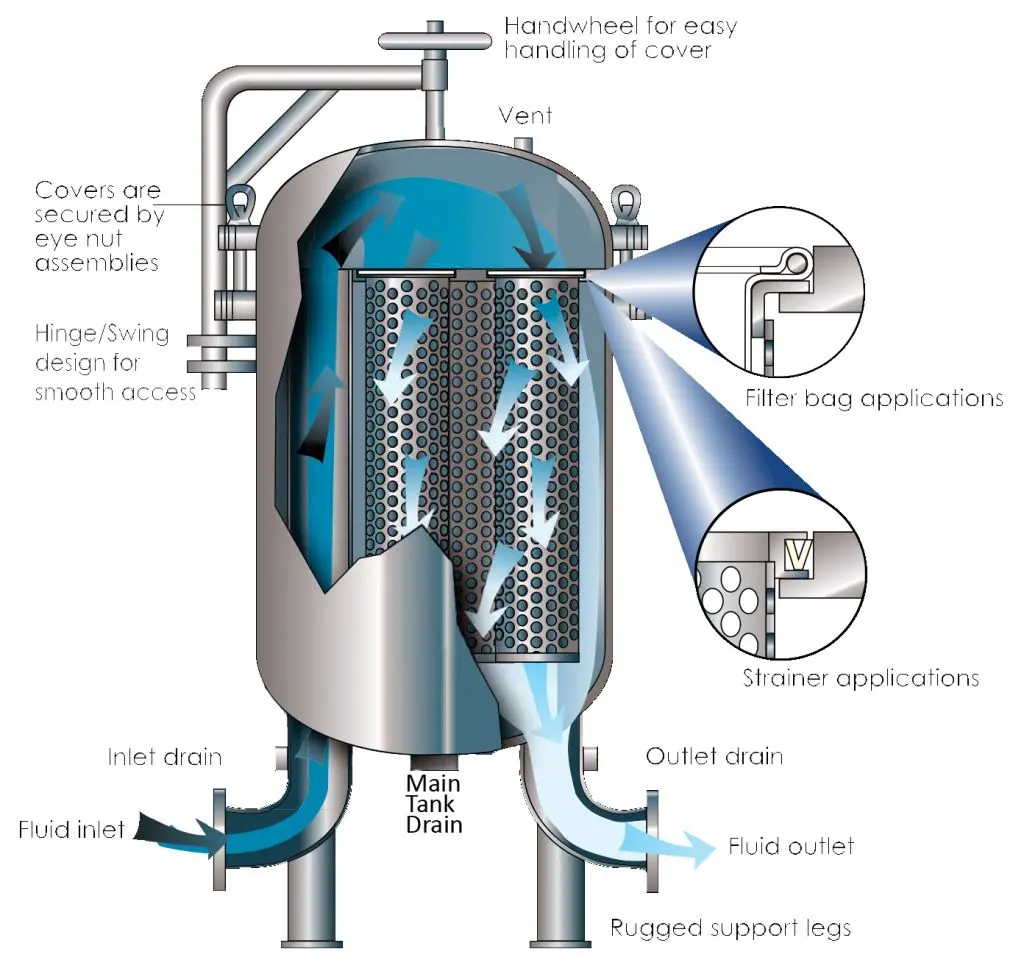
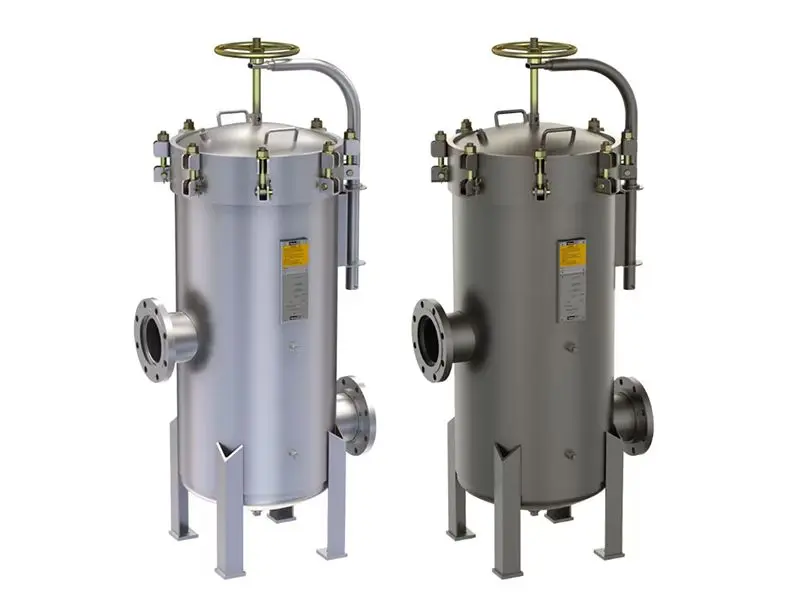
    Working Process 1 Working Process 2

    The filter uses a high strength wedge filter, which is regularly controlled by differential pressure control to automatically clean. Filters are widely used in metallurgy, chemical industry, petroleum, papermaking, medicine, food, mining, electricity, urban water supply and other fields. It is an advanced, efficient and easy to operate automatic filtering device.
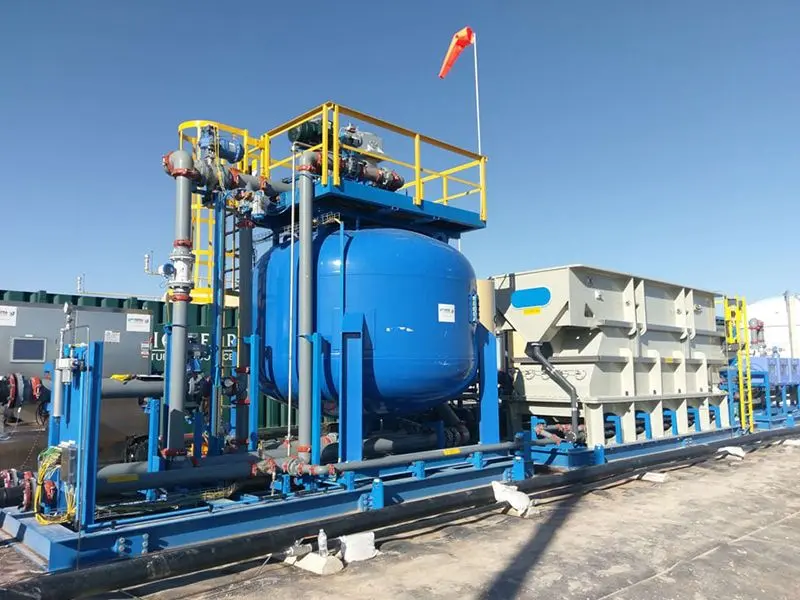
    Filter Mechanism

    Water Treatment Filtration Methods

    Physical filtering: Tiny pores block solid particles such as sediment and suspended matter, making water clearer.
    Chemical filtration: Using activated carbon or resin to absorb heavy metal ions and organic matter.
    Ion exchange: Softening hard water by removing calcium and magnesium ions.
    Removal of viruses/bacteria: Blocking microorganisms through specific pore sizes or using UV/ozone disinfection.
    Filtration Method 1 Filtration Method 2

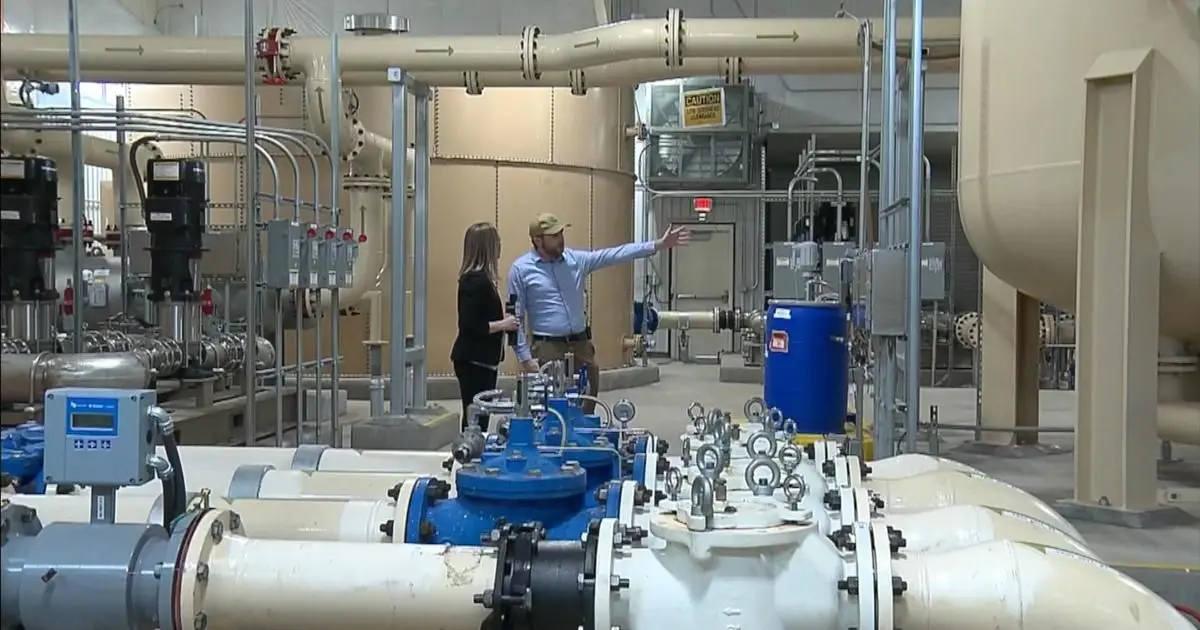
    Suspension Filtration Ways

    1. Filter residue layer: Initial media intercepts large particles; then the formed residue layer performs the primary filtration.

    2. Deep filtration: Thick filter medium where particles are adsorbed within pores, suitable for suspensions with few solid particles.

    3. Filtration/Sifting: Particles are larger than the pores and are intercepted directly on the surface.
    Suspension Filtration Process

    Frequently Asked Questions

    Q1: What materials are typically used for the filter tank? A: The tanks are commonly constructed from anti-corrosion carbon steel, rubber-lined steel, stainless steel 304, or high-strength fiberglass.
    Q2: How does the automatic cleaning mechanism trigger? A: The system uses a differential pressure transmitter. When the pressure difference between the inlet and outlet reaches a set value, the controller starts the backwash process.
    Q3: What types of impurities can chemical filtration remove? A: Chemical filtration, using media like activated carbon or resin, effectively removes heavy metal ions, organic matter, and harmful chemical contaminants.
    Q4: Can these filters remove bacteria and viruses? A: Yes, by selecting appropriate filter materials and pore sizes, bacteria and viruses can be blocked. Some systems also integrate UV or ozone for complete disinfection.
    Q5: What is the main benefit of the ion exchange method? A: It is primarily used for water softening by removing calcium and magnesium ions, which prevents scale buildup in industrial pipes and equipment.
    Q6: In which industries are these filtration vessels most commonly used? A: They are widely applied in metallurgy, chemical processing, petroleum, papermaking, food production, and urban water supply systems.

    Related Products