Project Introduction
Principle of Reverse Osmosis System
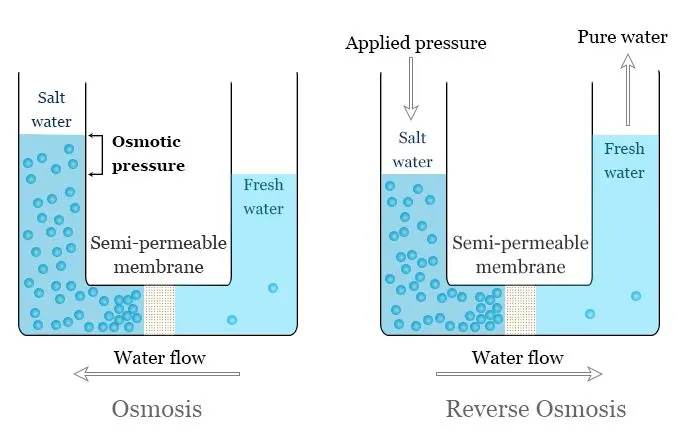
At a certain temperature, a semi-permeable membrane is used to separate the fresh water from the saline. The fresh water moves to the saline through the semi-permeable membrane. As the liquid level on the saline side rises, a certain pressure is generated to prevent the fresh water from moving to the saline side, finally reaching equilibrium. This is called osmotic pressure. If external pressure exceeding the osmotic pressure is applied to the saline side, water moves to the fresh water side through the semi-permeable membrane. This is the reverse osmosis phenomenon.
The basis of reverse osmosis desalination system is:
The selective permeability of semi-permeable membrane (letting water through but not salt).
External pressure greater than the osmotic pressure provides the driving force.
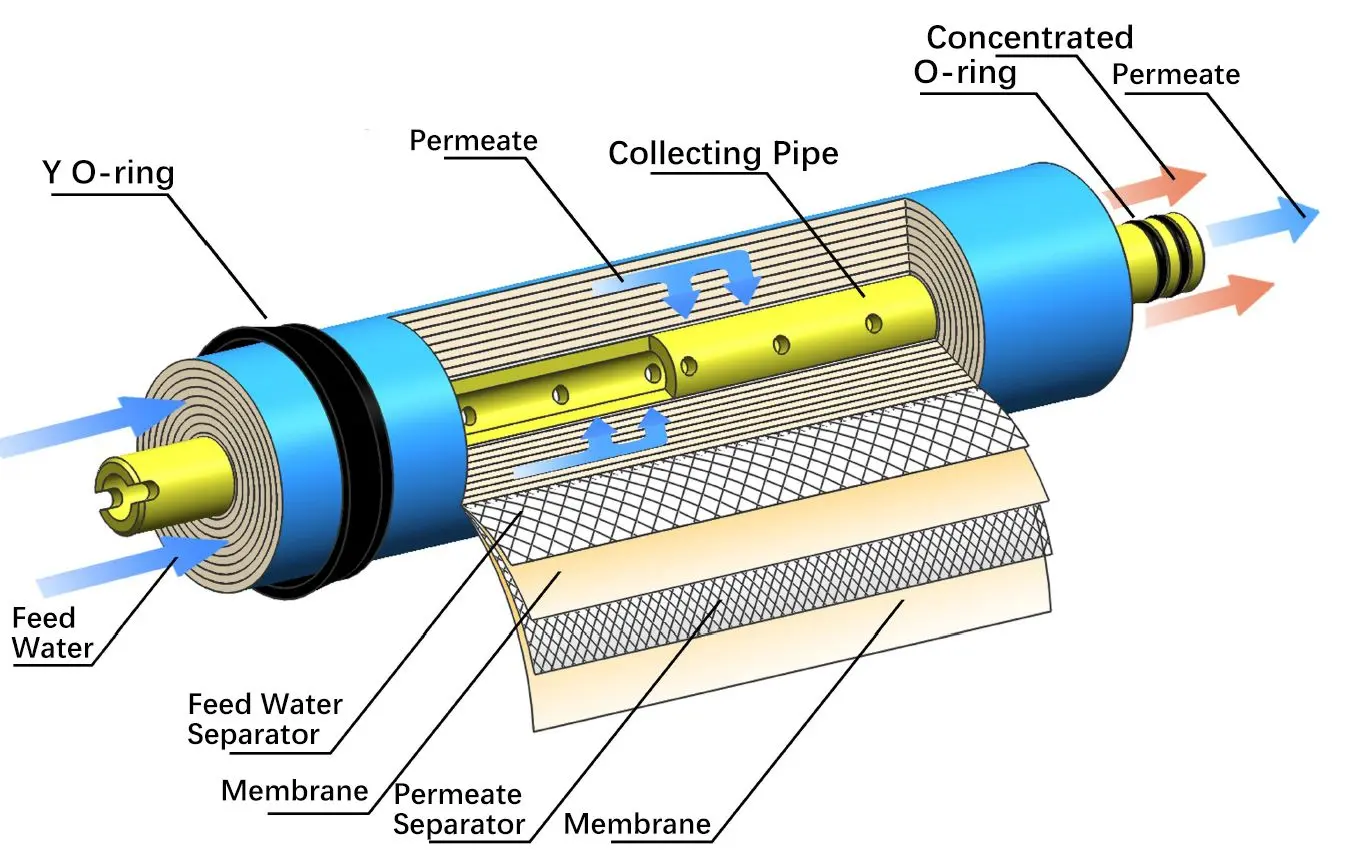
RO (Reverse Osmosis) technology is a membrane separation and filtration technology powered by pressure difference. Its pore size is as small as nanometer (1 nanometer = 10^-9 meters). Under pressure, H2O molecules pass through the RO membrane, while inorganic salts, heavy metal ions, organic matter, bacteria, and viruses are blocked.
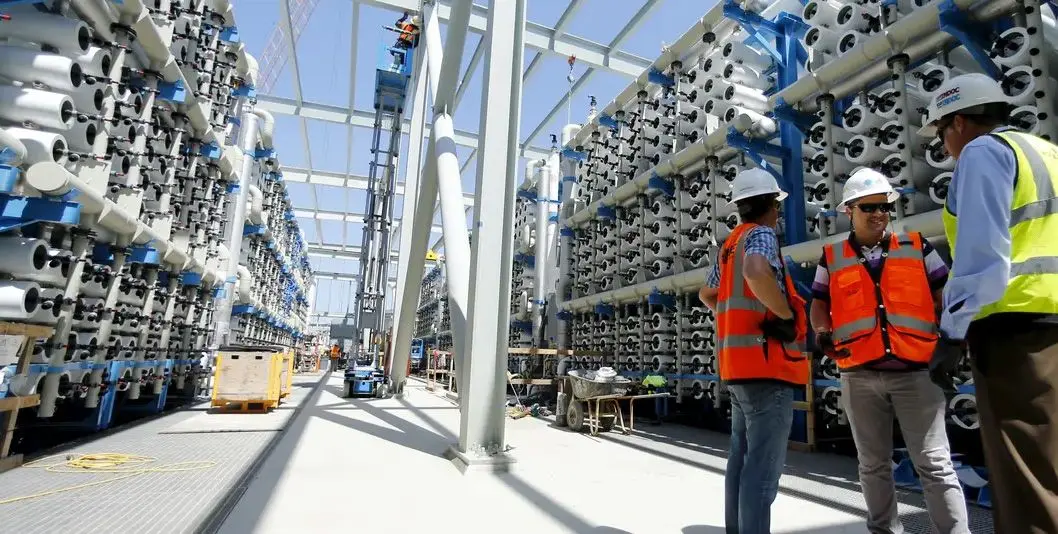
Industrial reverse osmosis systems are designed to treat large volumes of water for various sectors including agriculture, pharmaceuticals, and manufacturing. It remains a key solution to water shortages and quality issues globally.
Main Characteristics of Reverse Osmosis Membrane
Practical reverse osmosis membranes are asymmetric, consisting of a surface layer and a support layer. Due to its directionality, the membrane surface must face high-pressure brine for effective desalination.
Separation Rules
Organic matter is easier to separate than inorganic matter.
Electrolytes are easier to separate than non-electrolytes.
The larger the hydrated ion radius, the easier it is to remove (e.g., Mg2+ > Na+ > K+).
Most components with molecular mass greater than 150 can be well removed.
Core Components of the System
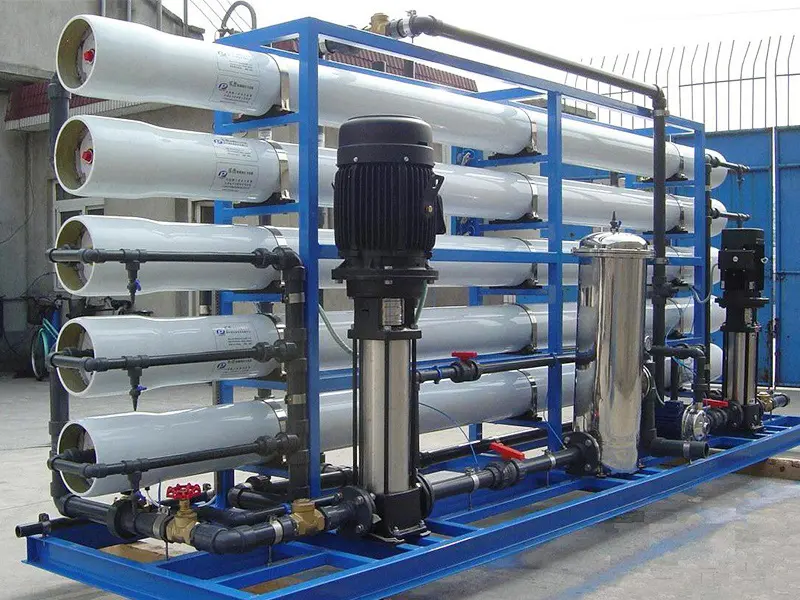
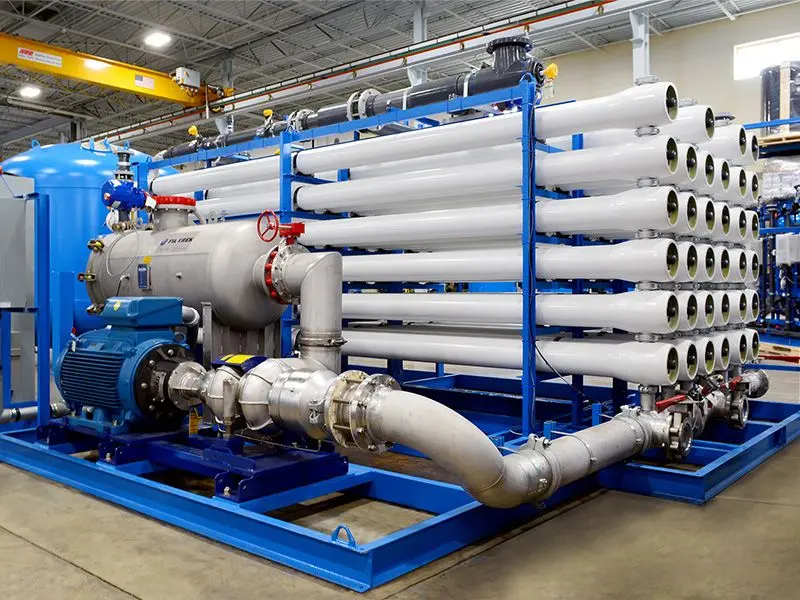
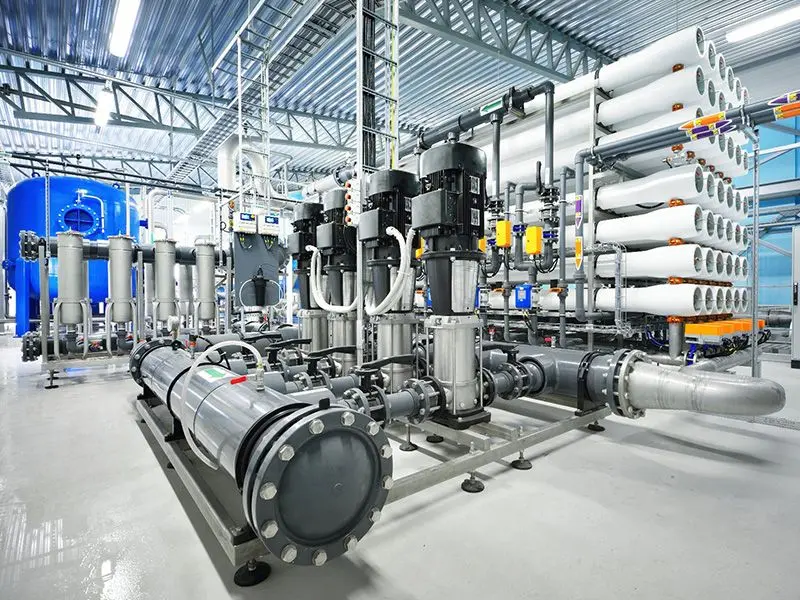
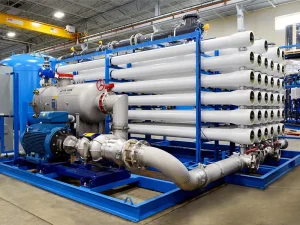
1High Pressure Pump
To complete the desalting process, water must be sent to the specified pressure. Multi-stage centrifugal pumps are the most widely used due to their high efficiency (over 90%) and energy-saving capabilities.
2Reverse Osmosis Ontology
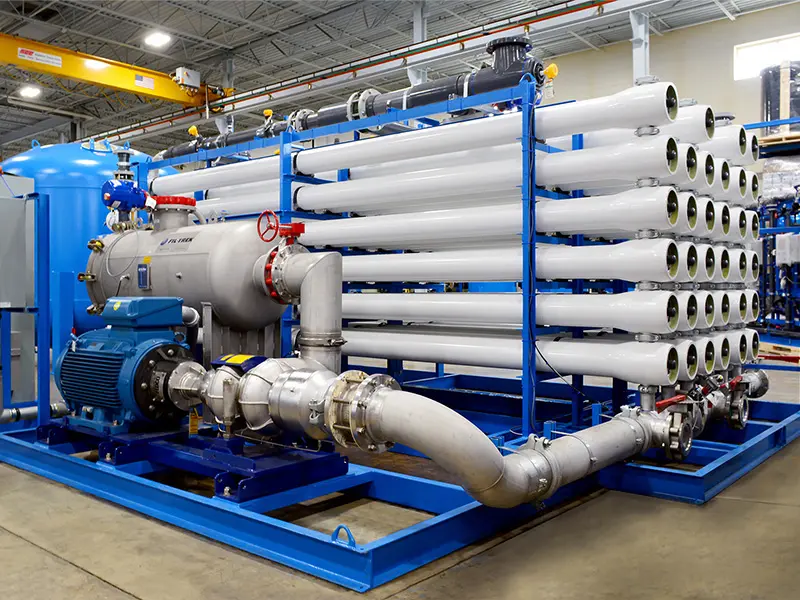
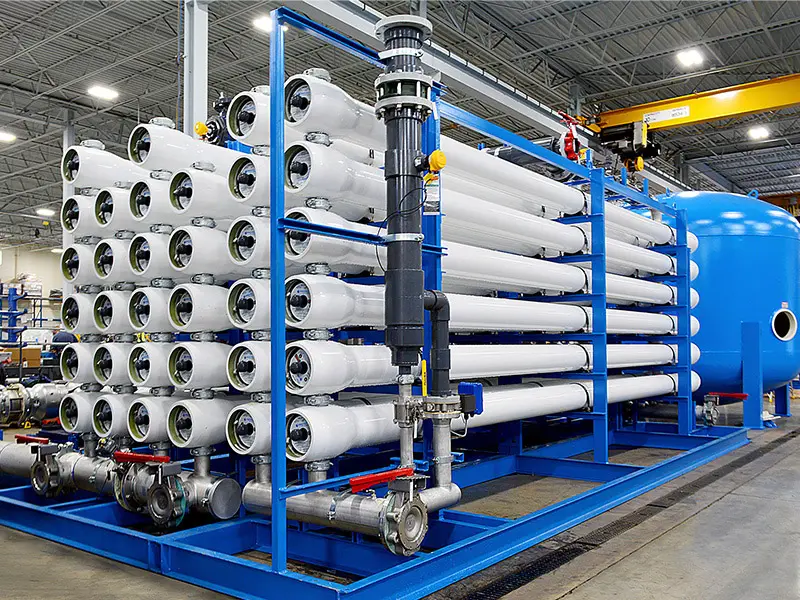
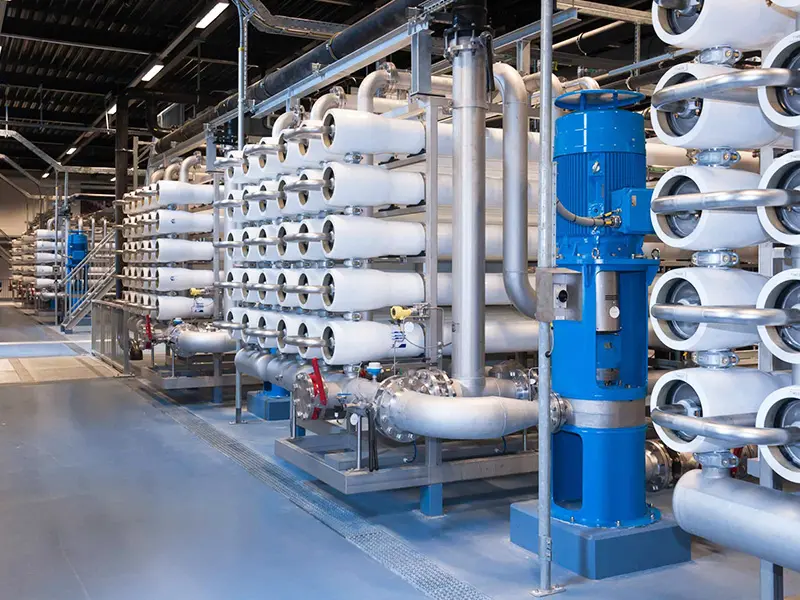
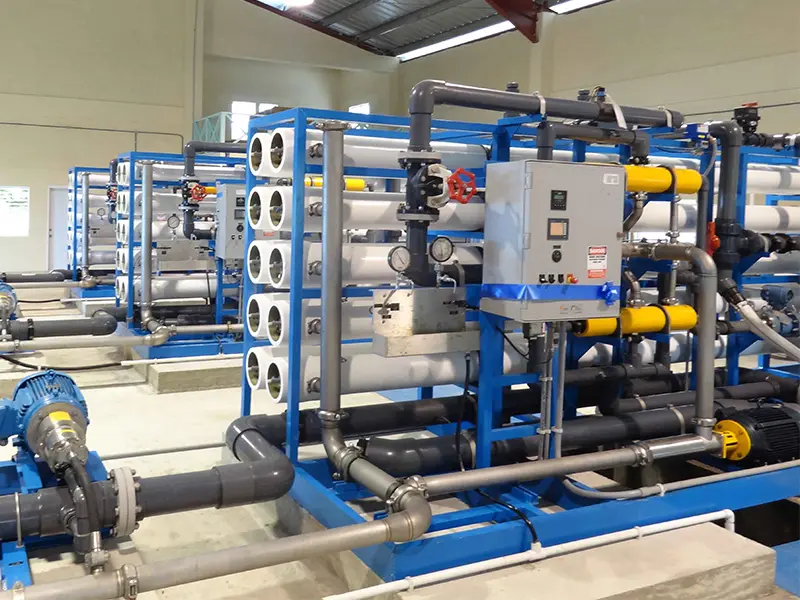
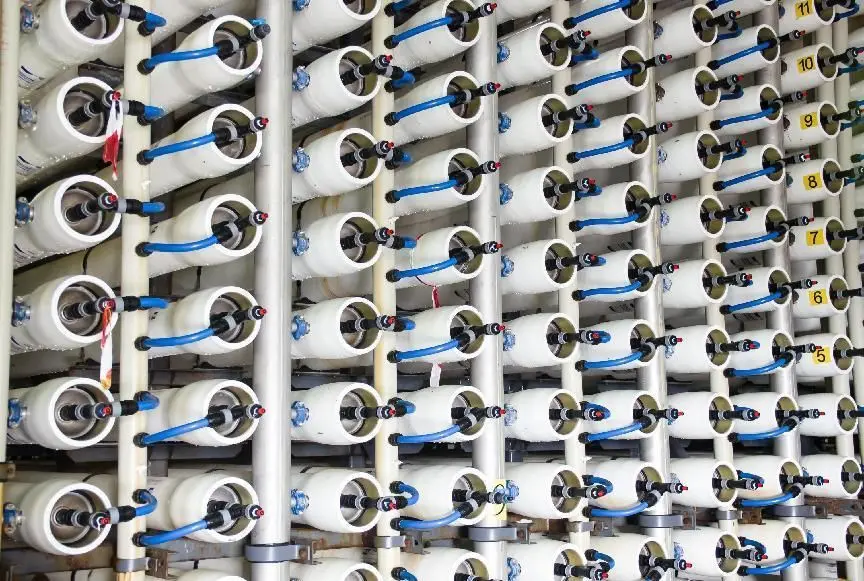
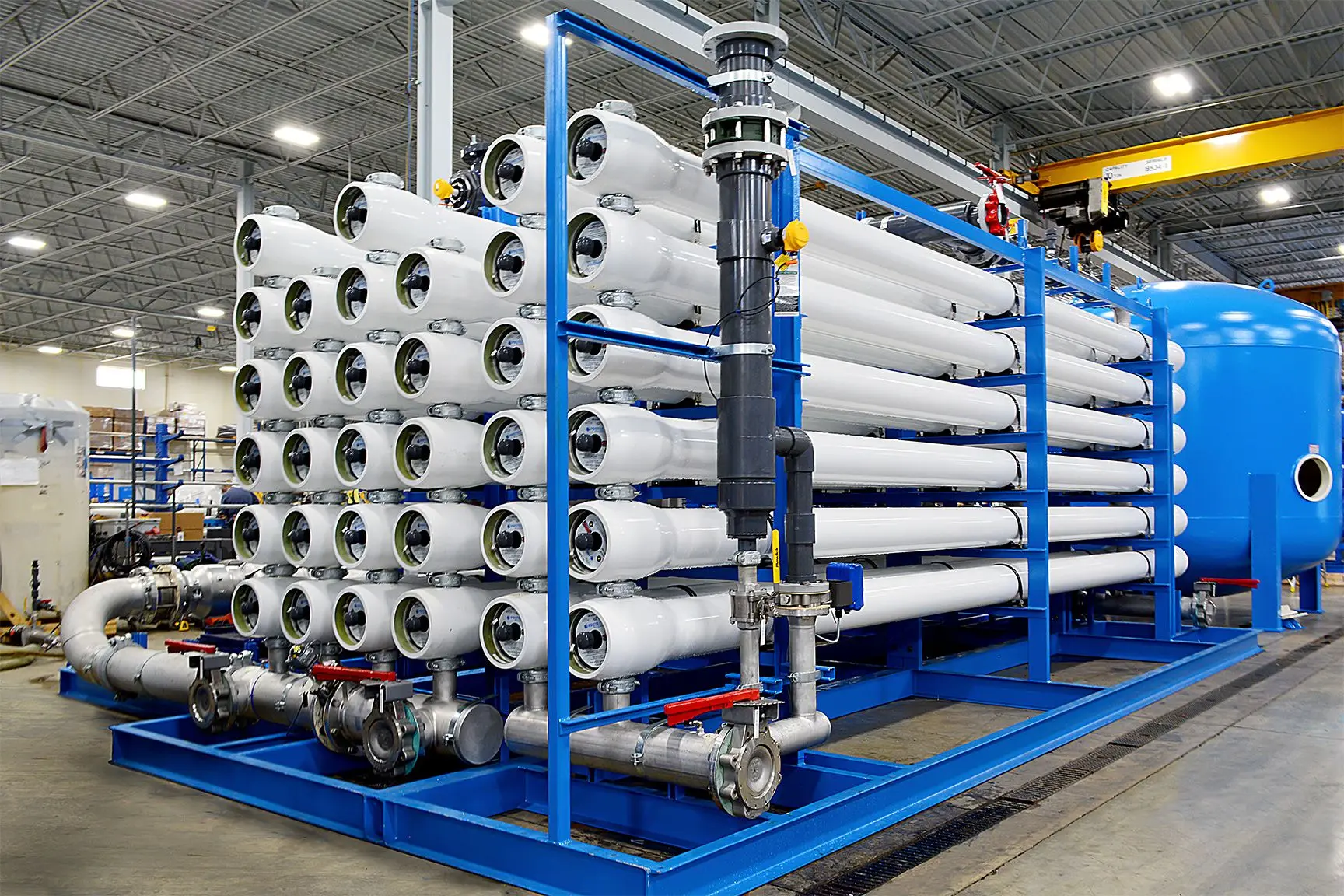
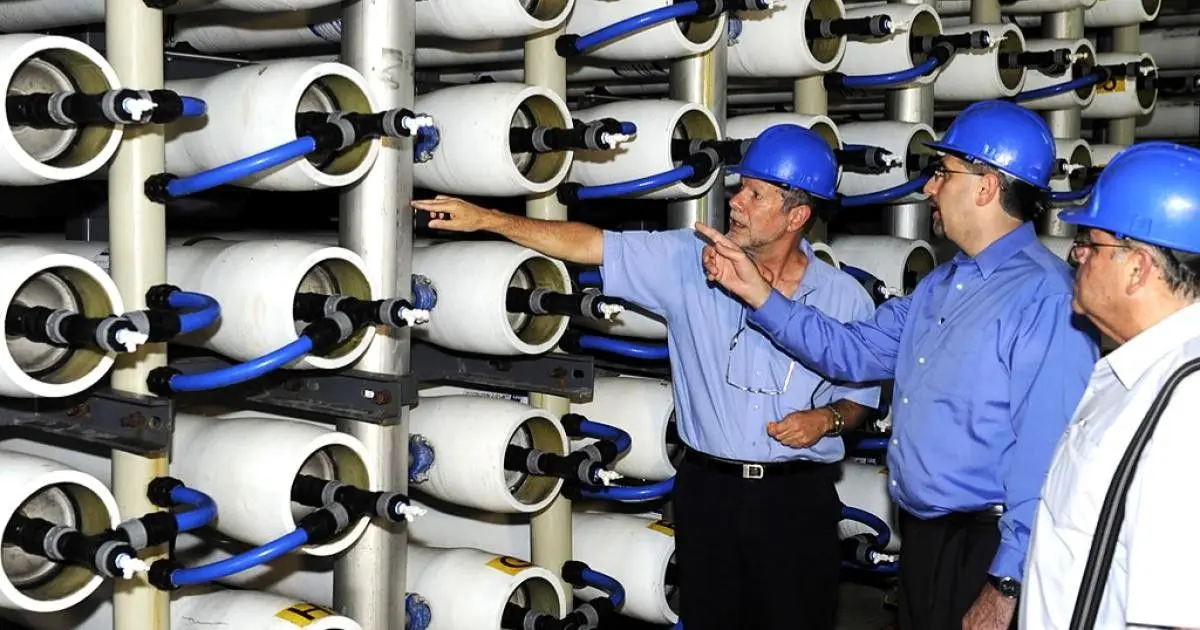
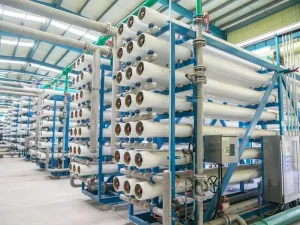
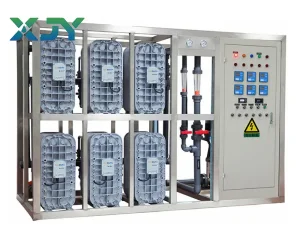
This is the combined unit connecting membrane components with pipes. It includes:
Membrane Elements: Basic units made of RO membrane and support material. Common types include seawater desalination elements and anti-fouling elements.
Membrane Shell: The pressure vessel (often made of FRP for corrosion resistance) used to load the membrane elements.
Factors Affecting Performance
Performance is measured by water flux and desalting rate, influenced by:
Pressure: Increased pressure leads to higher flux and desalination rates.
Temperature: Higher temperature increases flux but decreases the desalination rate.
Salt Content: Higher salinity increases osmotic pressure, reducing flux and desalination efficiency.
Recovery Rate: Higher recovery rates increase the risk of scaling due to concentrated salts.
pH Value: Composite membranes usually operate stably within a pH range of 3 to 10.
Pre-treatment and Maintenance
Reverse osmosis uses cross-flow filtration. Pollutants intercepted by the membrane must be managed to prevent serious damage.
Key Control Areas:
Scale Control: Adding scale inhibitors to prevent insoluble salts like CaCO3 and CaSO4 from precipitating.
Colloidal Control: Monitoring the SDI (Silt Density Index) to prevent particle fouling.
Microbial Control: Using chlorination, ultraviolet sterilization, or ultrafiltration to prevent biofilm formation.
Concentration Polarization: Maintaining turbulent flow to prevent high concentration gradients on the membrane surface.
Frequently Asked Questions
What is the basic principle of Reverse Osmosis (RO)?
Reverse Osmosis is a process where external pressure is applied to a concentrated solution to overcome its natural osmotic pressure. This forces water molecules through a semi-permeable membrane to the fresh water side, effectively removing salts and impurities.
How does temperature affect RO system performance?
As water temperature increases, the viscosity of water decreases, leading to higher water flux (output). However, higher temperatures also increase the rate at which salt passes through the membrane, which slightly reduces the desalination rate.
What is the SDI value and why is it important?
SDI stands for Silt Density Index. it is a measure of the colloidal and particulate matter in the water. Monitoring SDI is crucial because high levels of particles can quickly foul the RO membrane, reducing efficiency and increasing maintenance costs.
Why is pre-treatment necessary for RO membranes?
RO membranes are sensitive to scaling, microbial growth, and physical blockage. Pre-treatment (like scale inhibition and sterilization) ensures the feed water is clean enough to protect the membrane, extending its lifespan and maintaining stable performance.
Can RO systems remove bacteria and viruses?
Yes. Because the pore size of an RO membrane is extremely small (nanometer scale), it acts as an effective barrier against bacteria, viruses, heavy metals, and most organic compounds.
What is concentration polarization?
It is a phenomenon where a high concentration of solutes builds up on the membrane surface during the filtration process. This increases osmotic pressure and the risk of scaling, which is typically managed by maintaining a high flow rate to ensure turbulence.
 XINJIEYUAN