High-efficiency environmental processing configurations designed for extreme durability and optimal performance.
Guangdong Xinjieyuan Environmental Protection Technology Co., Ltd. is an industry-leading manufacturer specialized in the comprehensive research, development, and manufacturing of professional environmental protection equipment. Our engineering expertise covers water treatment, waste gas treatment, sewage sludge treatment, and other vital ecological protection fields. As a multidimensional enterprise, we integrate scientific research, advanced production, domestic and international sales, and an array of operation services.
Our operation team holds professional environmental protection engineering contracting qualifications, national safety production licenses, and ISO certifications (ISO9001 Quality Management, ISO14001 Environmental Management, and ISO45001 Occupational Health and Safety). Backed by more than 45 national product patents and 32 computer software and brand intellectual properties, we translate advanced technological R&D directly into high-durability operational equipment.
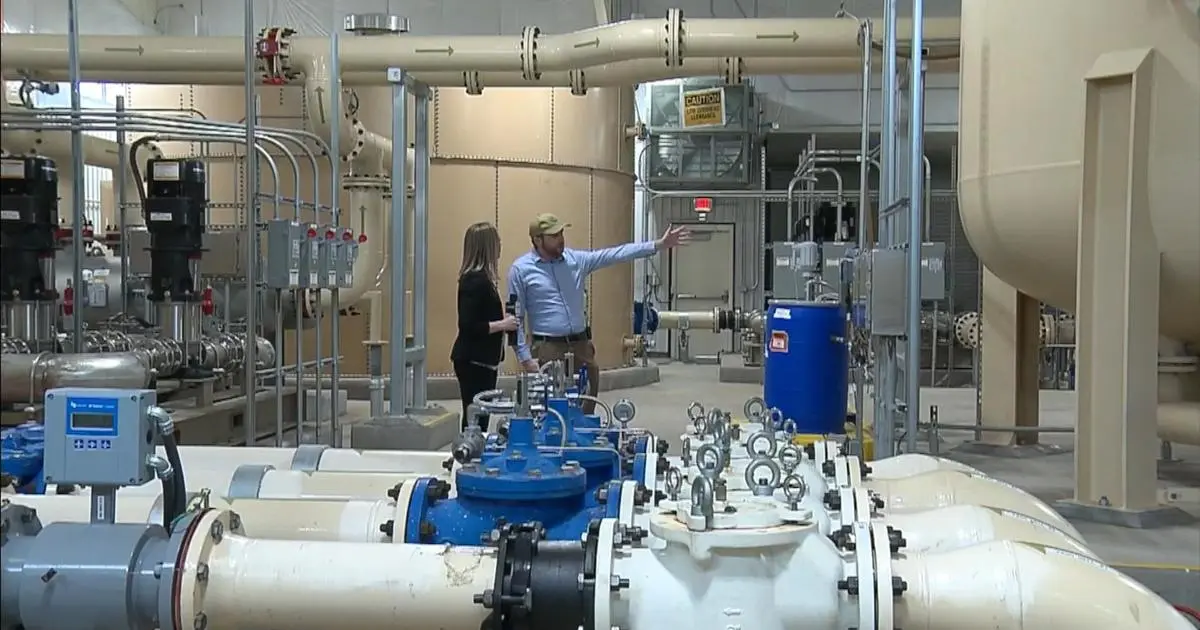
Understanding the economic pressures, legislative constraints, and technological dynamics of global sludge dewatering.
Rapid global urbanization and aggressive industrial expansion have created a massive waste disposal challenge. Municipal wastewater treatment plants (WWTPs), chemical manufacturing sites, mining operations, and electroplating complexes generate billions of tons of high-water-content sludge annually. Untreated sludge poses severe biological and chemical hazards, making transport and landfilling both environmentally unsustainable and prohibitively expensive. In regions like the European Union (under the Urban Waste Water Treatment Directive) and North America (EPA Part 503 regulations), disposal regulations impose steep financial penalties for high liquid content in industrial waste.
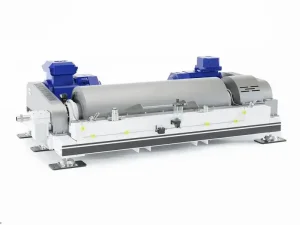
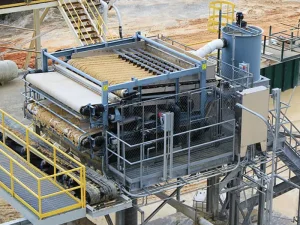
Consequently, the global industrial sector has shifted focus toward mechanical dewatering methods, primarily driven by Commercial Filter Presses for Sludge Dewatering. Unlike centrifugal separators or belt presses which struggle to drop moisture contents below 70-75% for complex biological and chemical slurries, high-pressure recessed chamber and membrane filter presses reduce raw sludge moisture levels from 80% down to approximately 35%. This drastic volume reduction enables immediate transport optimization and facilitates resource recovery, converting sludge cake into secondary raw materials for cement manufacturing, thermal power generation, and specialized organic fertilizers.
Procurement managers and engineering consultants in Europe, the Americas, and Southeast Asia are increasingly standardizing on Chinese manufacturers like Guangdong Xinjieyuan. This preference is driven by clear structural and technical factors:
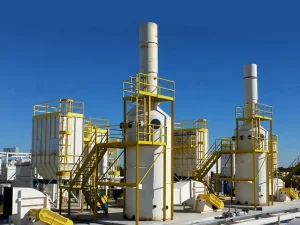
Integrated engineering blocks addressing industrial water purification, waste gas treatment, and sludge processing.
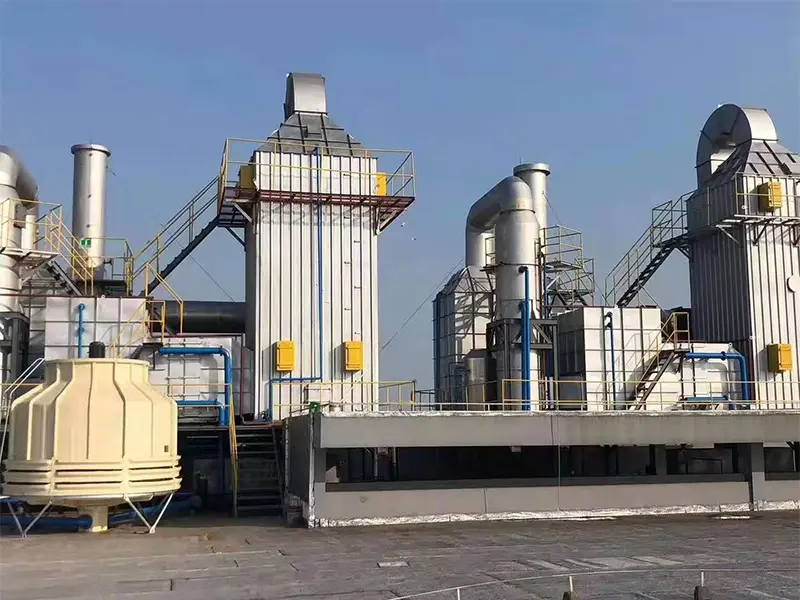
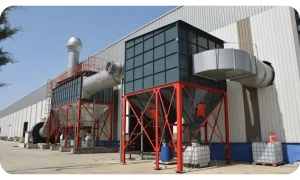
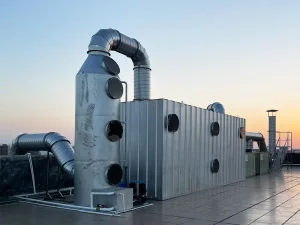
Designed to control toxic emissions and strong odors across agriculture, chemical plants, medical facilities, food production, mining, and electroplating industries. XJY developed the "BDS Intelligent Deodorization System"—a highly automated, unattended system with high-efficiency output to resolve community complaints and maintain rigorous environmental compliance.
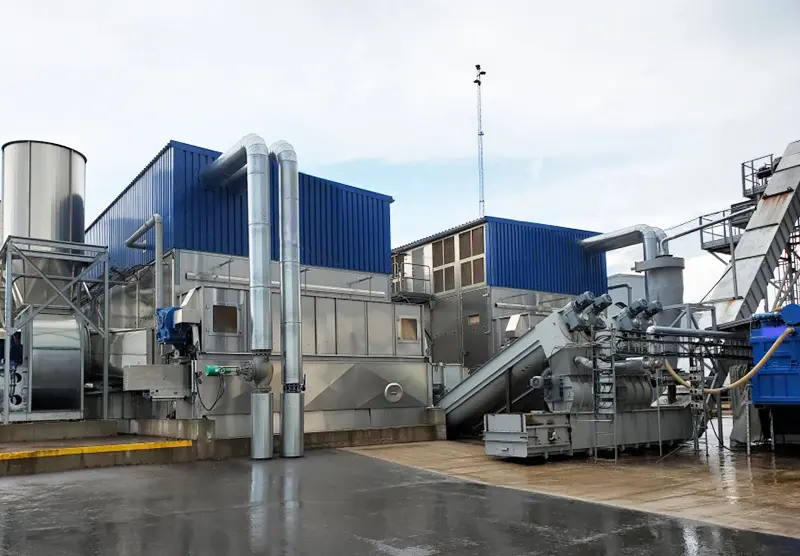
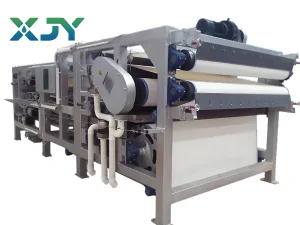
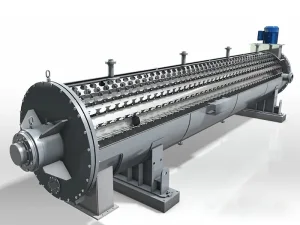
A complete solution for municipal sludge, industrial slurry, and polluted black water dredging. XJY designs, constructs, and operates complete drying and volume-reduction systems. Our tech processes sludge from an initial 80% moisture content to approximately 35% moisture content, converting sludge into powder or granular raw materials suitable for cement kilns, thermal power plants, and soil remediation.
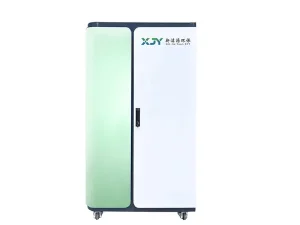
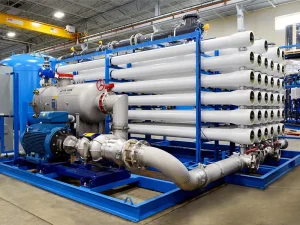
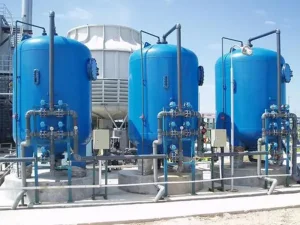
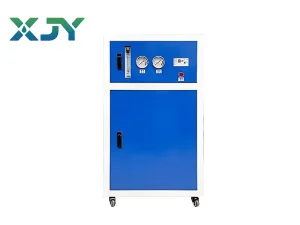
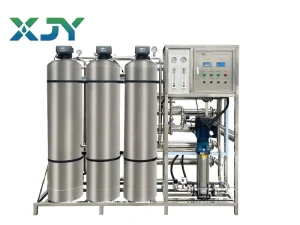
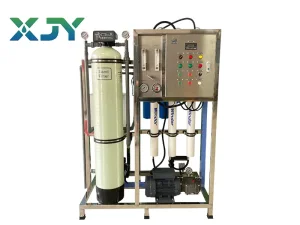
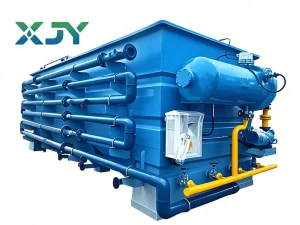
In response to global water scarcity and strict effluent discharge limits, XJY developed the "WPS Intelligent Water Purification System". This highly scientific, efficient configuration is widely utilized for drinking water purification in communities, hospitals, schools, and factories, as well as complex industrial wastewater treatment and agricultural sewage processing. The WPS provides reliable engineering support for water reuse, zero liquid discharge (ZLD) processes, and valuable resource recovery.
Engineered configurations customized to handle specific industrial wastewater and solids profiles.
For processing mineral tailings, stone wash slurries, and coal washing black water. High-volume chamber filter presses recycle up to 95% of process water back into the plant circuit, leaving highly compact, stackable dry cake for convenient environmental disposal or backfilling.
Processing aggressive chemicals, acidic catalysts, and petrochemical residues requires filter presses with corrosion-proof PP plates, acid-resistant filter cloths, and stainless steel structural cladding. These additions prevent premature frame corrosion and maintain reliable process safety.
Neutralized heavy metal slurries containing copper, nickel, zinc, and chrome are compressed into highly stable filter cakes. The filtrate is clear and easily directed to secondary ion-exchange loops for Zero Liquid Discharge (ZLD) compliance.
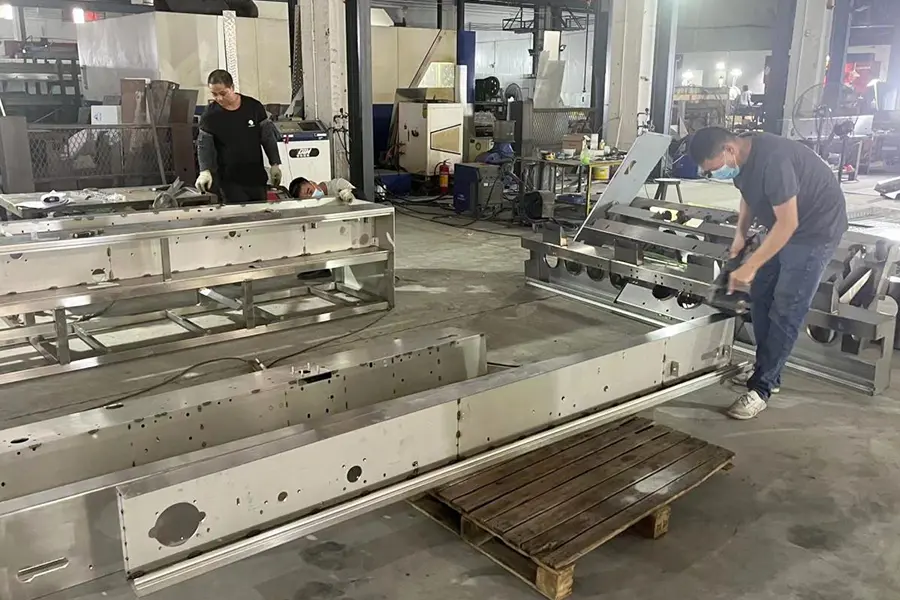
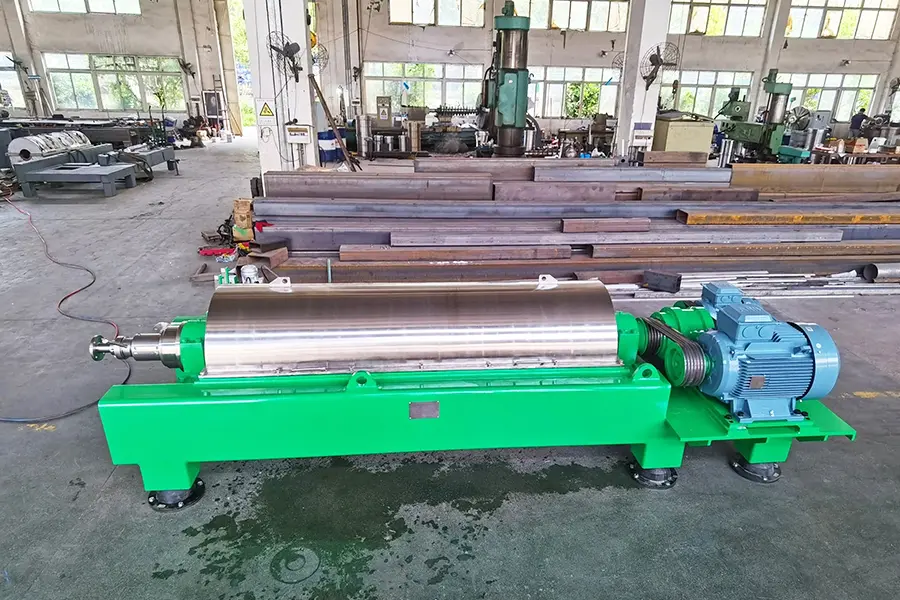
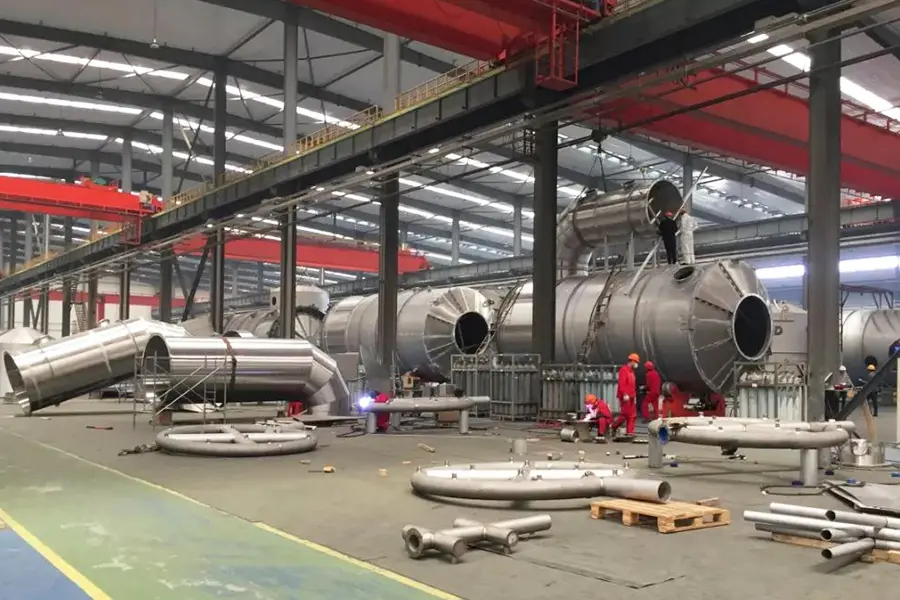
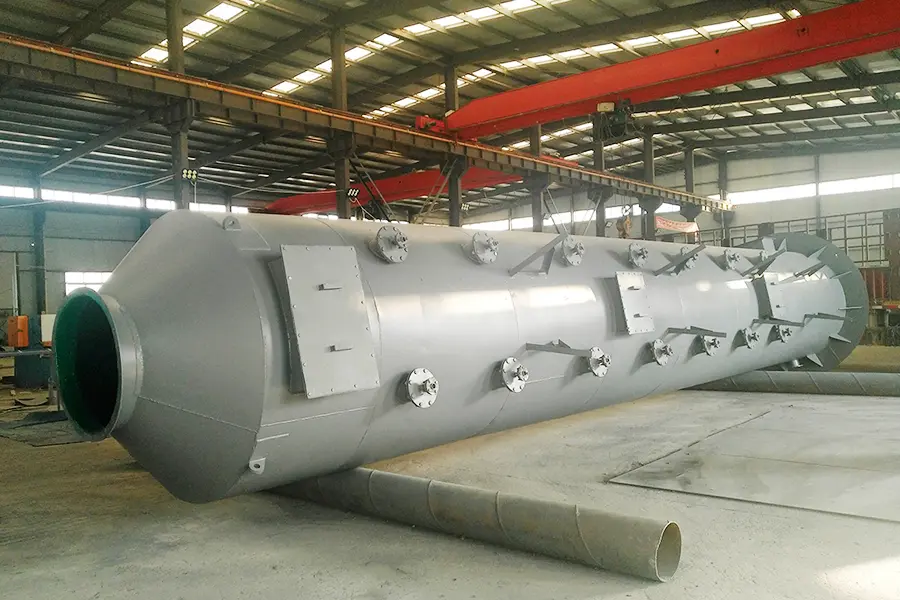
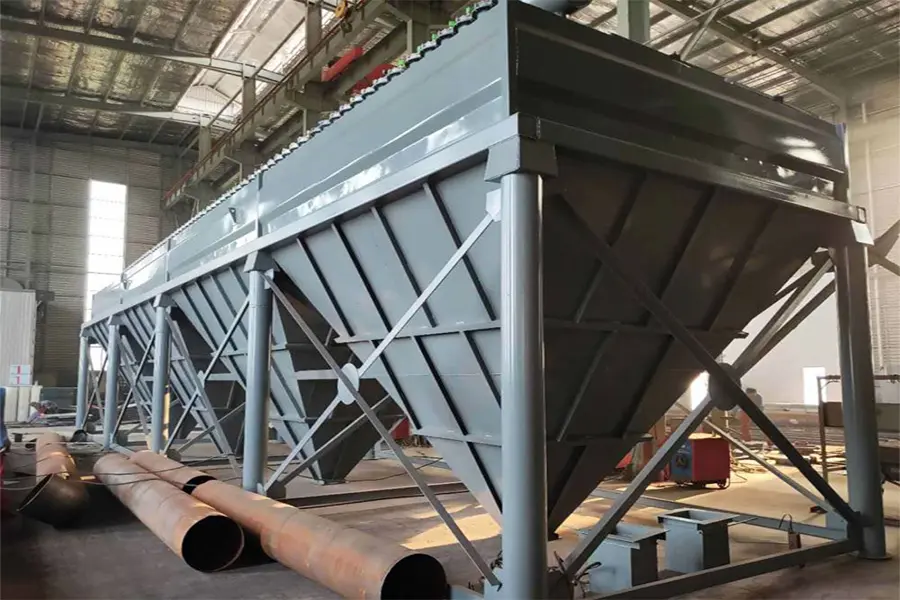
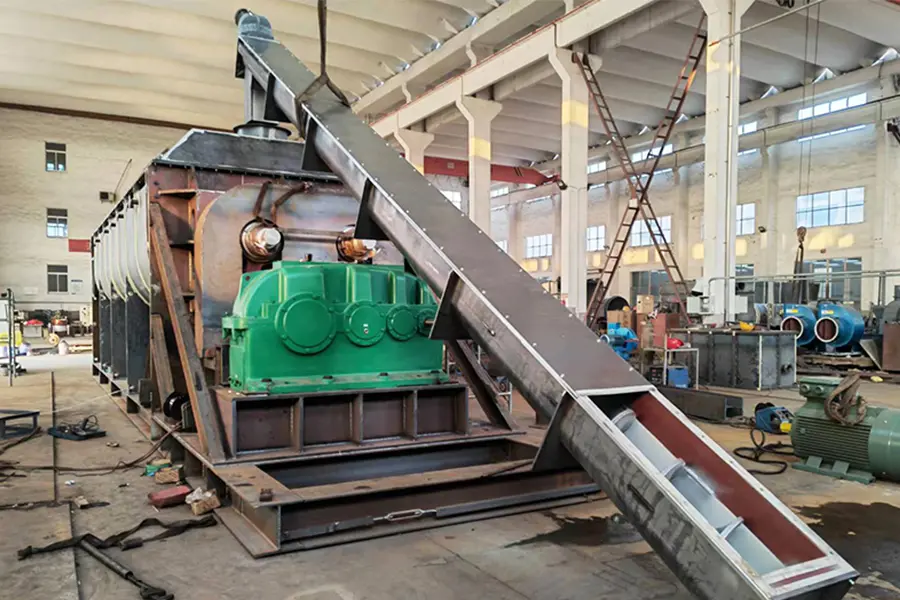
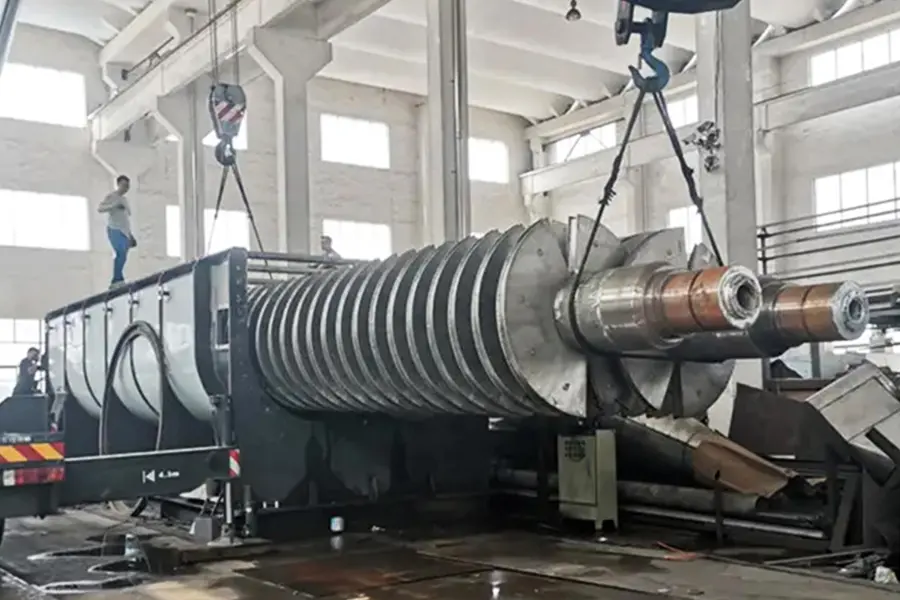
A transparent look inside our ISO-compliant manufacturing facilities and heavy assembly areas.
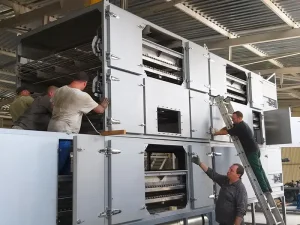
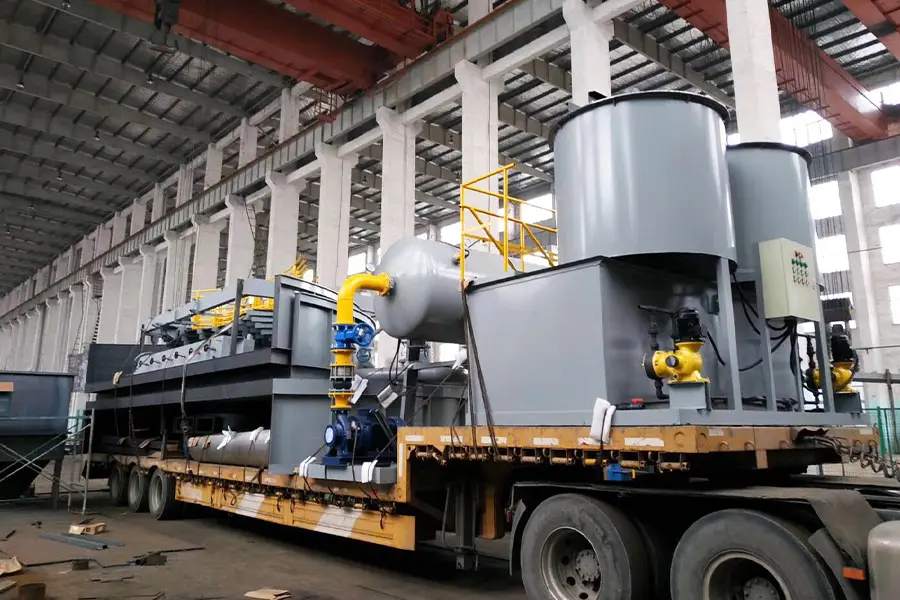
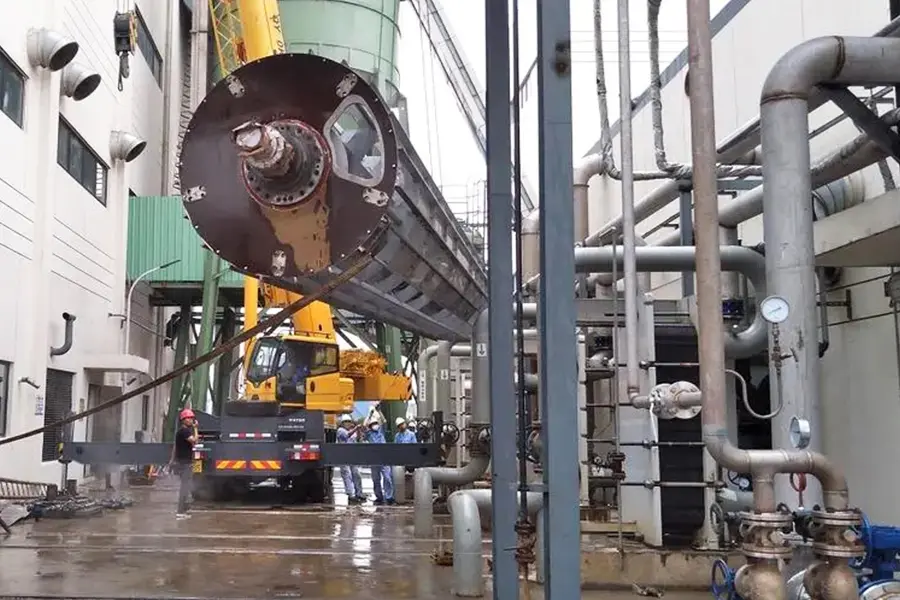
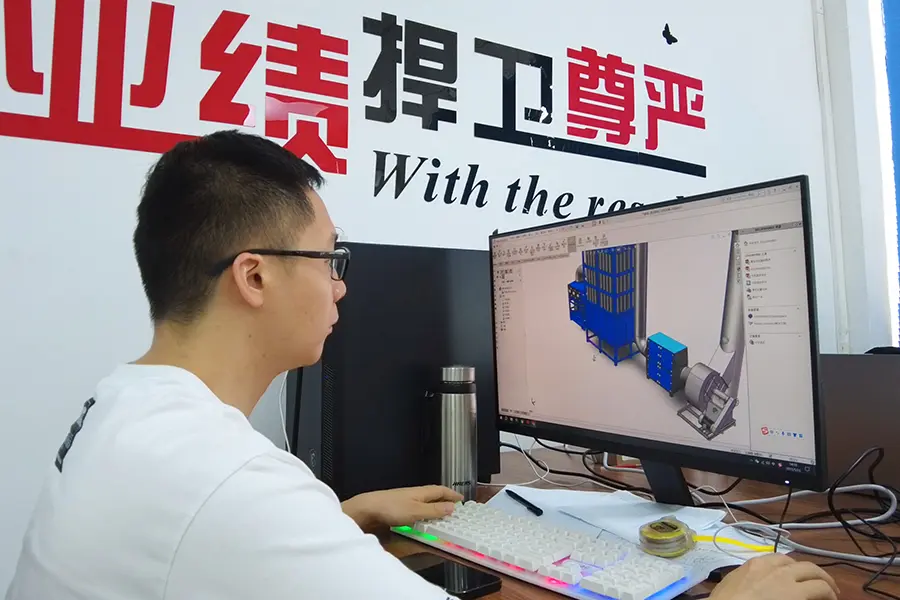
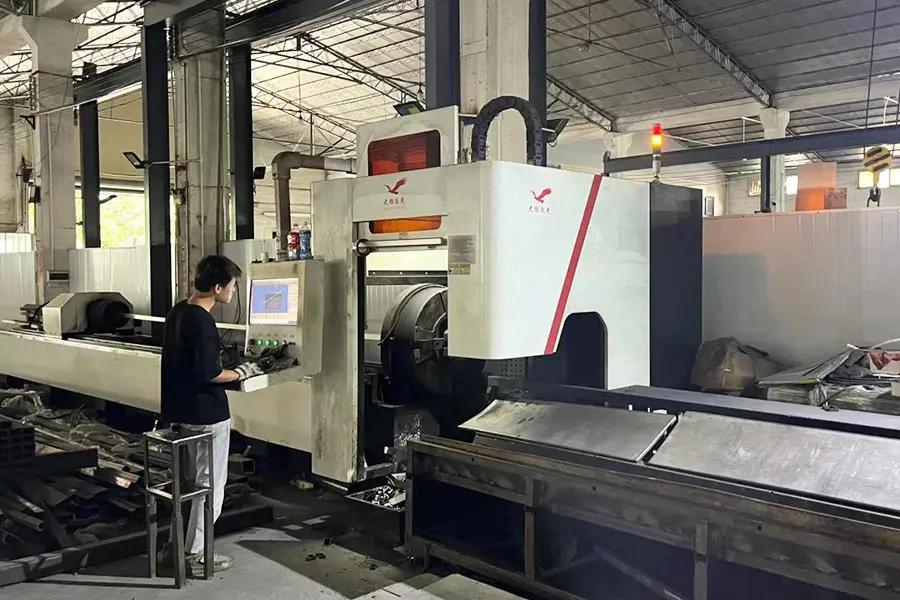
Our production facilities implement lean manufacturing methodologies to build high-performance industrial environmental equipment. We monitor every step of the process, from welding critical steel frames and plate casting to programming automated control panels.
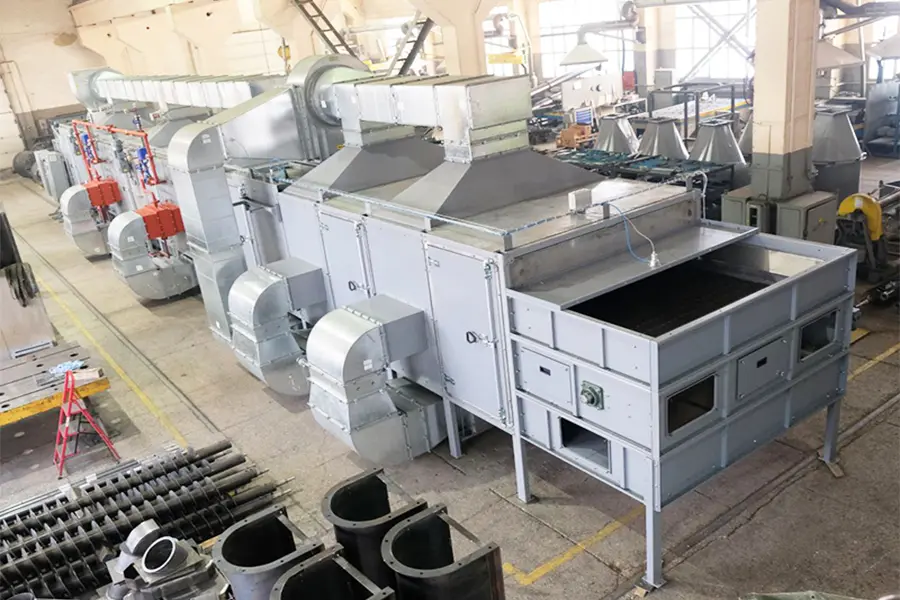
Critical engineering metrics procurement directors must analyze to optimize total cost of ownership (TCO).
Selecting a commercial-scale filter press requires careful alignment of slurry properties with machine design. A mismatch can result in wet filter cakes, rapid cloth blinding, excessive chemical consumption, or premature mechanical failure. Procurement managers should evaluate three primary engineering elements:
Technical answers to key engineering and operations questions regarding high-capacity filter presses.
Industrial-grade environmental machinery manufactured to handle high flow rates and aggressive materials.
 XINJIEYUAN