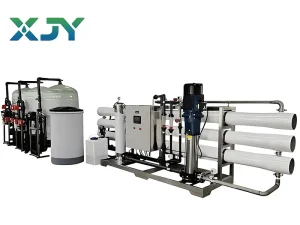
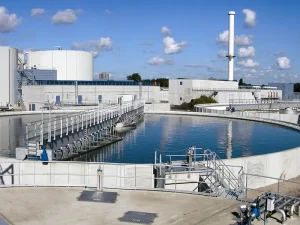
As fresh water scarcity becomes an escalating global crisis, the demand for commercial sea water to drinking water machines has shifted from a luxury to an essential infrastructure requirement. Today, over 40% of the world's population lives within 100 kilometers of the coast, yet many of these regions suffer from acute water stress. The global desalination market is currently experiencing a compound annual growth rate (CAGR) of over 9%, driven by rapid urbanization, climate change, and industrial expansion in arid regions like the Middle East, North Africa, and Southeast Asia.
Industrial sectors, including oil and gas, power generation, and large-scale agriculture, are increasingly adopting Industrial Desalination Machines to ensure a stable, independent water supply. Commercial enterprises such as luxury coastal resorts, island hotels, and offshore platforms are investing in proprietary desalination units to bypass the high costs and unreliability of local municipal supplies. This transition is supported by the rapid evolution of Reverse Osmosis (RO) technology, which has significantly lowered the energy consumption and operational costs associated with converting sea water into high-quality potable water.
Guangdong Xinjieyuan Environmental Protection Technology Co., Ltd.
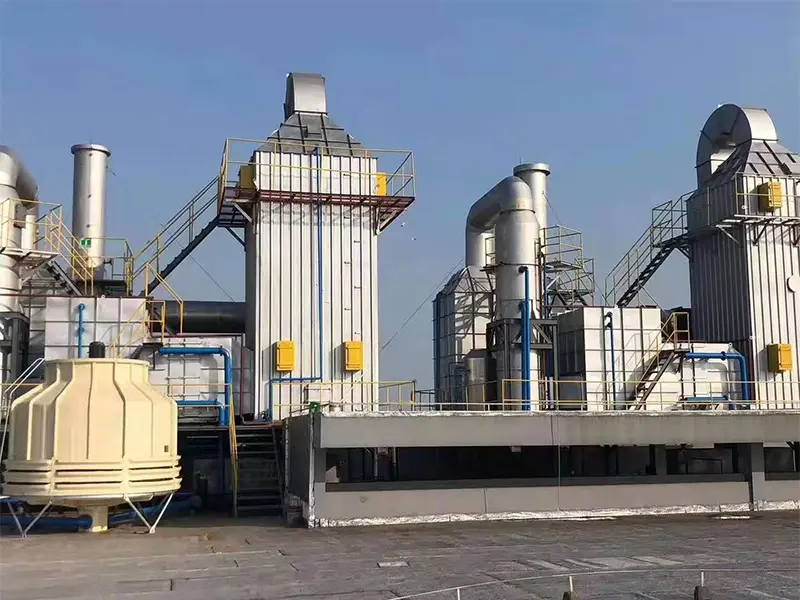
Guangdong Xinjieyuan Environmental Protection Technology Co., Ltd. is a premier professional in environmental protection equipment research, development, and manufacturing. Our expertise spans across water treatment, waste gas treatment, and sewage sludge treatment.
As a comprehensive enterprise, we integrate scientific research, production, and sales. Our operation team possesses a proven track record in complex project constructions, offering multi-dimensional comprehensive service capabilities. We are focused, so we are professional!
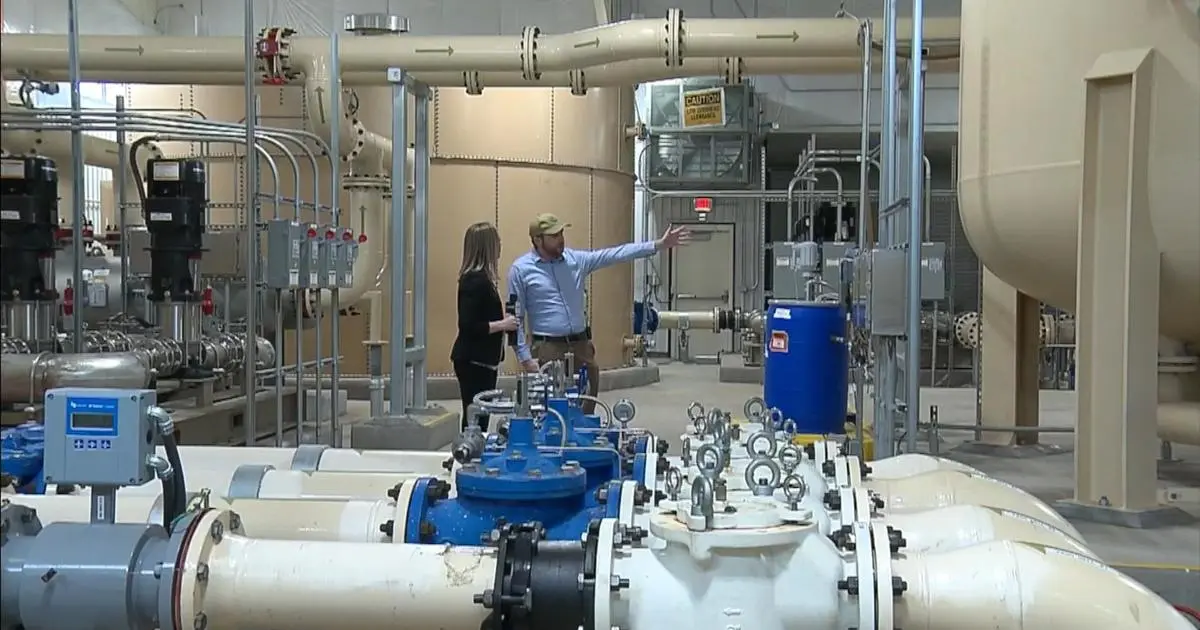
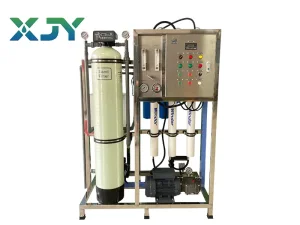
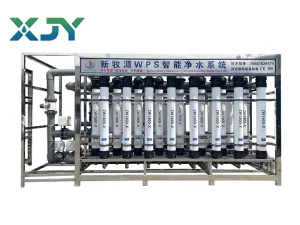
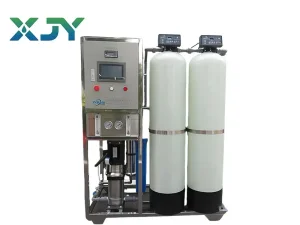
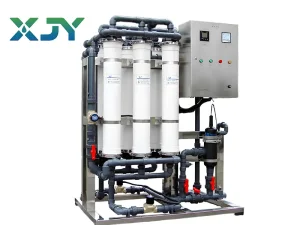
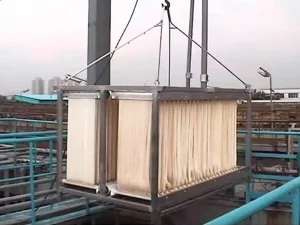
In view of water resource shortages and poor water quality, XJY has developed the "WPS Intelligent Water Purification System". This system design is scientific, smart, and highly efficient. It is widely used for drinking water purification in homes, hospitals, schools, and communities, as well as for industrial and agricultural wastewater treatment.
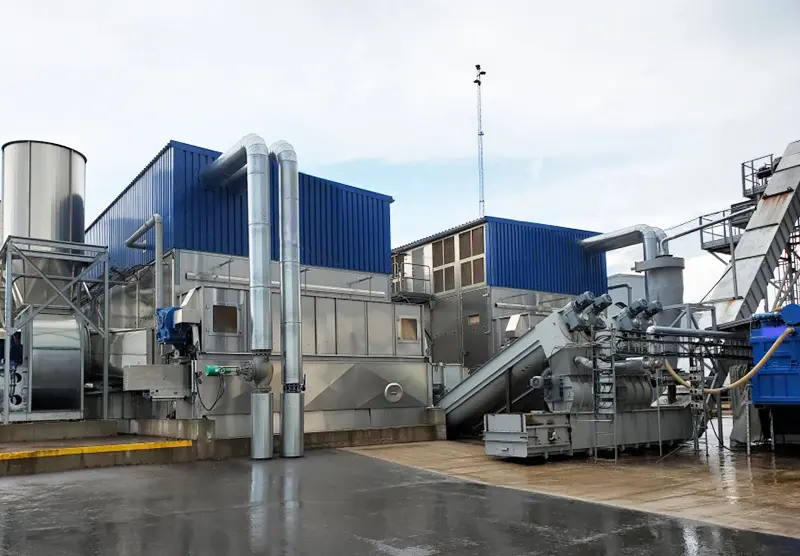
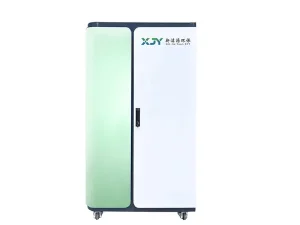
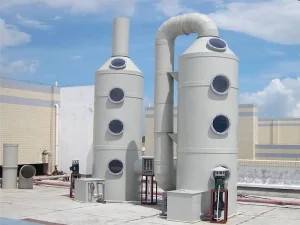
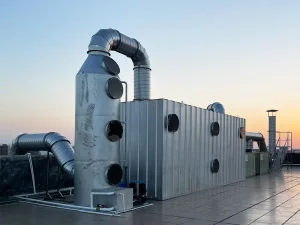
Addressing odors in agriculture, chemical industry, and food processing, the "BDS Intelligent Deodorization System" provides high-efficiency, unattended automatic operation. We solve odor problems for enterprises and local governments, creating a harmonious environment for economic development.
The future of sea water to drinking water machines lies in modular, containerized units. These "plug-and-play" systems allow for rapid deployment in remote coastal areas, significantly reducing on-site construction time and costs.
As a leading manufacturer, we focus on minimizing the environmental impact. Modern trends prioritize high-recovery rates to reduce brine discharge and innovative crystallization technologies for zero-liquid discharge (ZLD).
Global procurement teams now demand remote monitoring capabilities. Our systems integrate AI-driven diagnostics that predict membrane scaling and optimize chemical dosing, ensuring 24/7 operation with minimal human intervention.
The rise of offshore wind farms and deep-sea mining has created a niche for ultra-compact, vibration-resistant desalination units designed for harsh marine environments with limited space.
Coastal hotels require "silent" operation and aesthetic integration. Our commercial units are designed with noise-dampening enclosures and compact footprints to fit into resort utility rooms seamlessly.
As a Chinese factory, Guangdong Xinjieyuan offers the perfect balance of R&D innovation and supply chain efficiency. We provide high-end technology at a lower total cost of ownership compared to European or US counterparts.
Advanced Manufacturing Base for Environmental Excellence
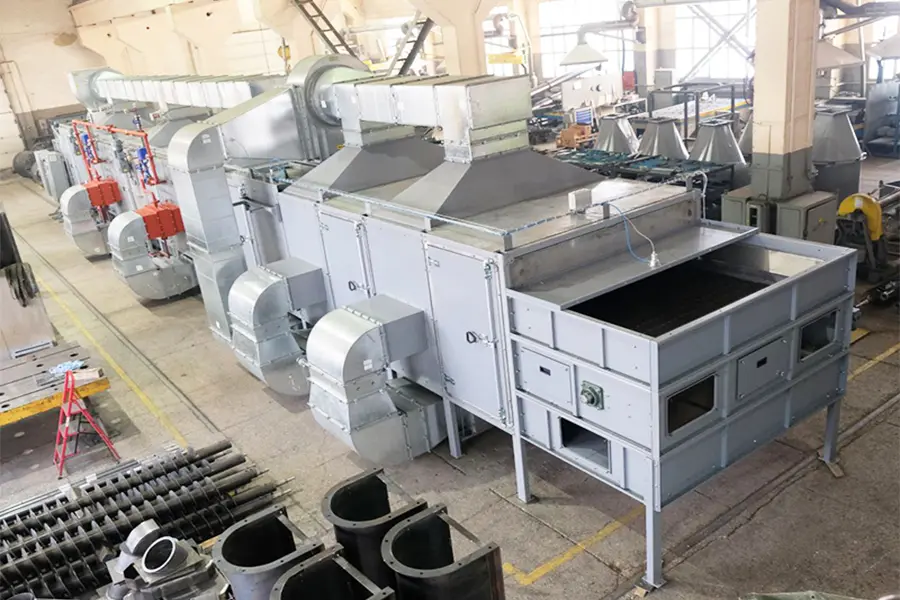
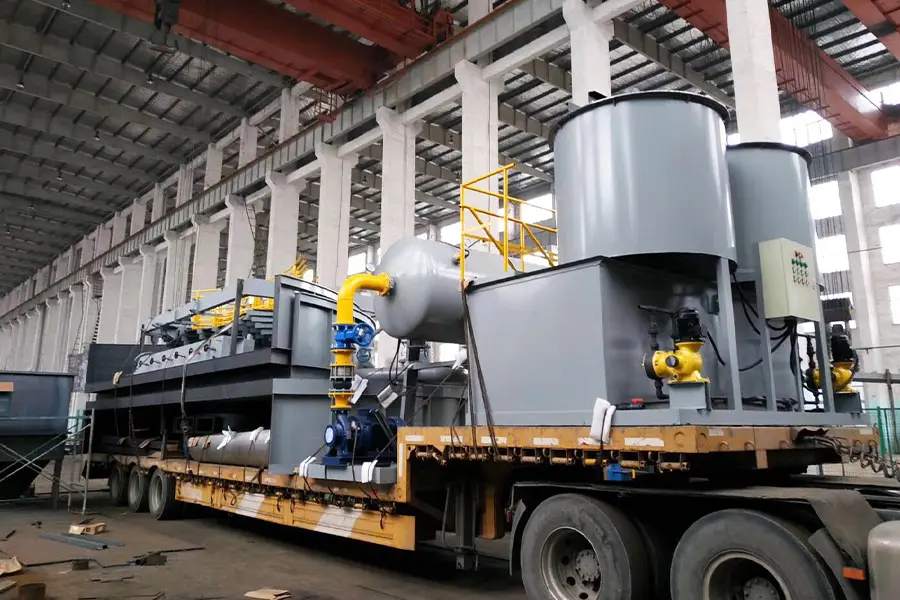
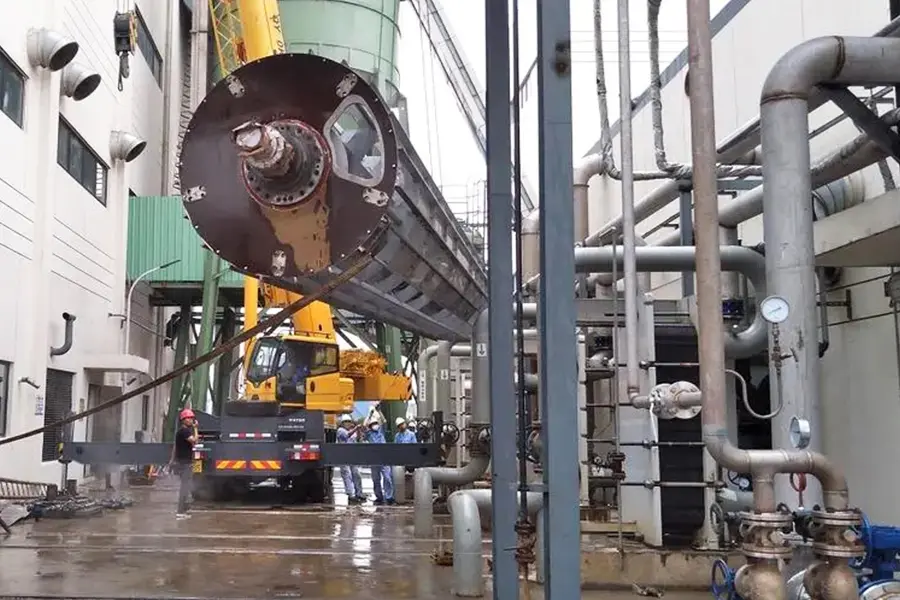
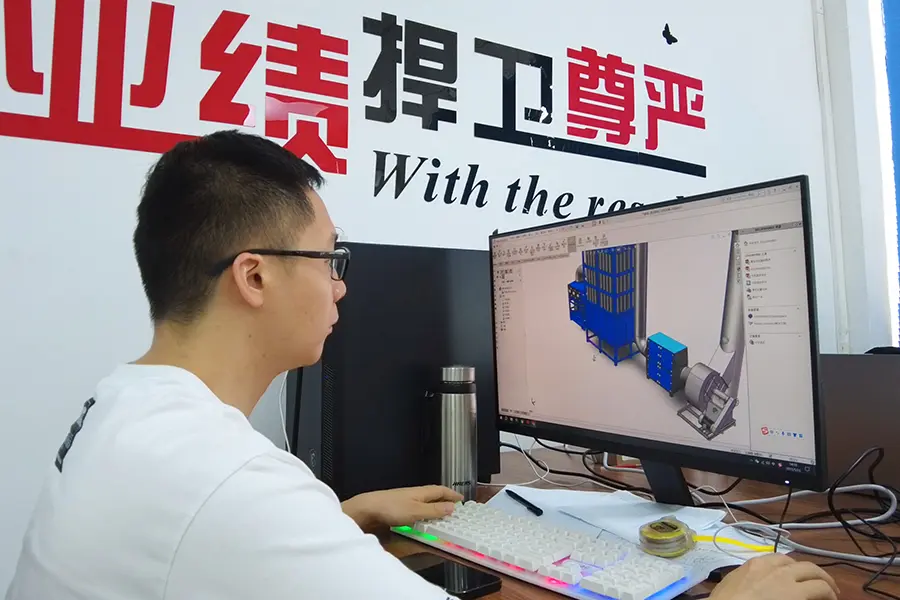
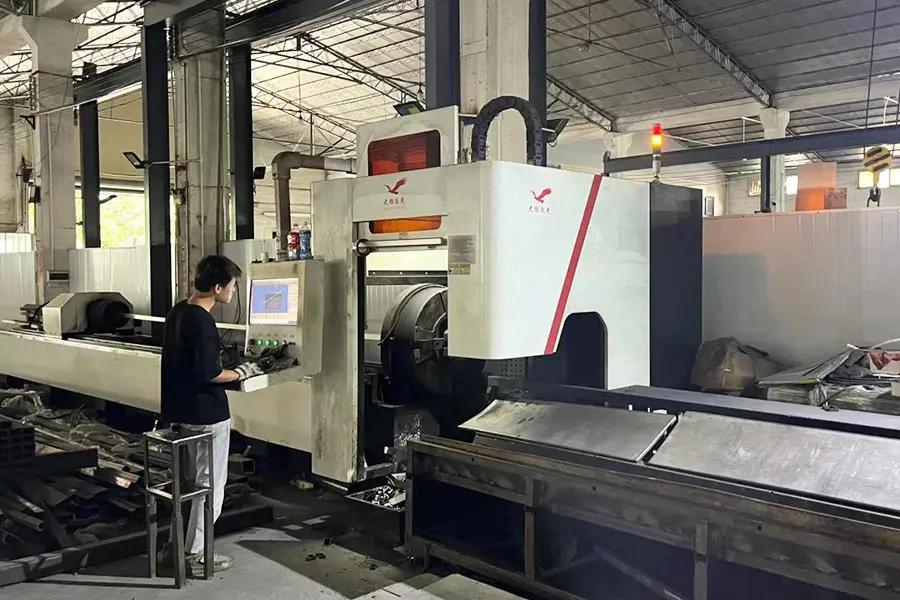
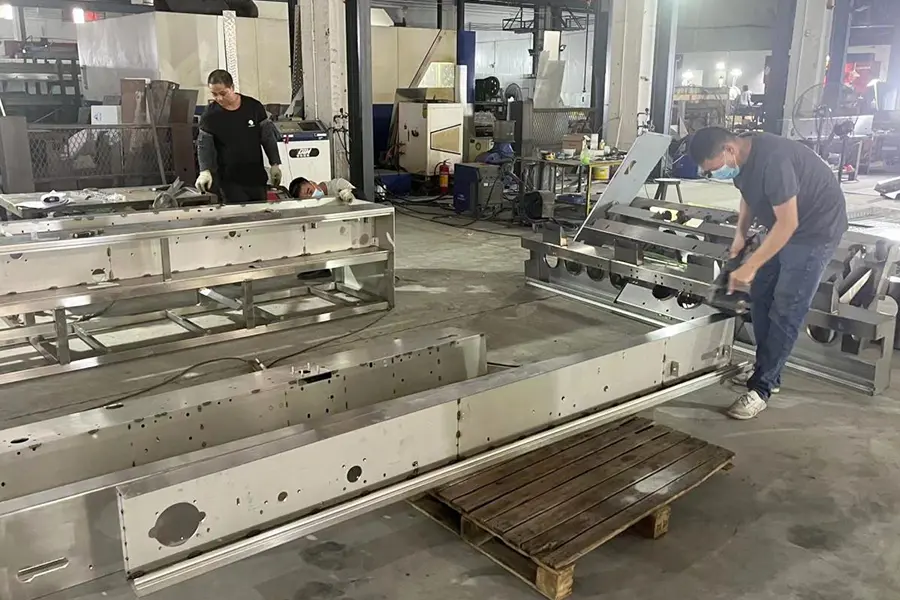
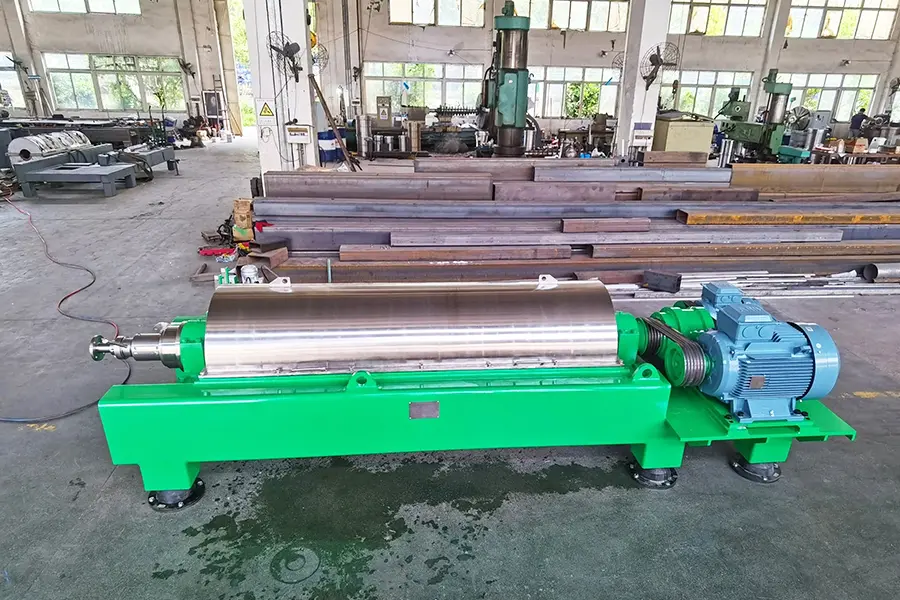
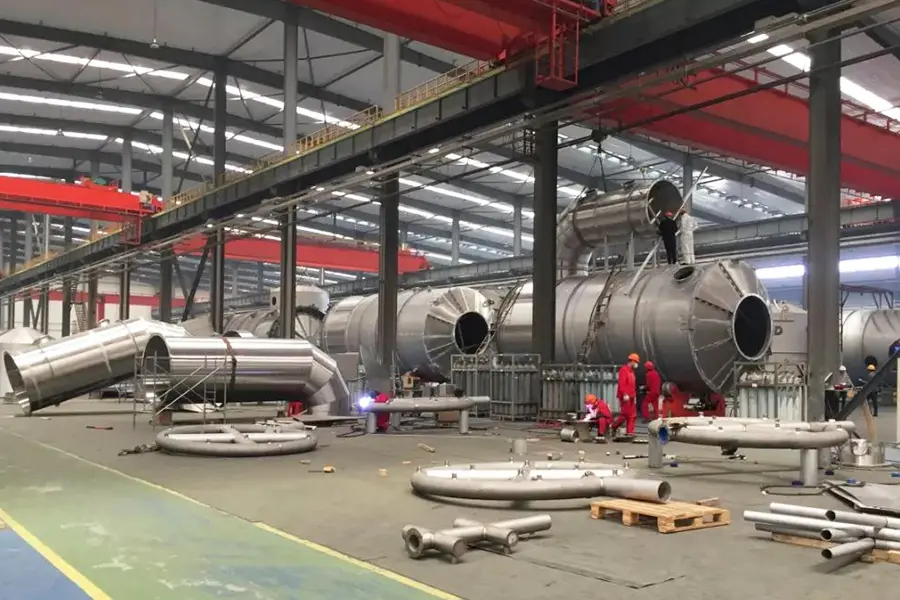
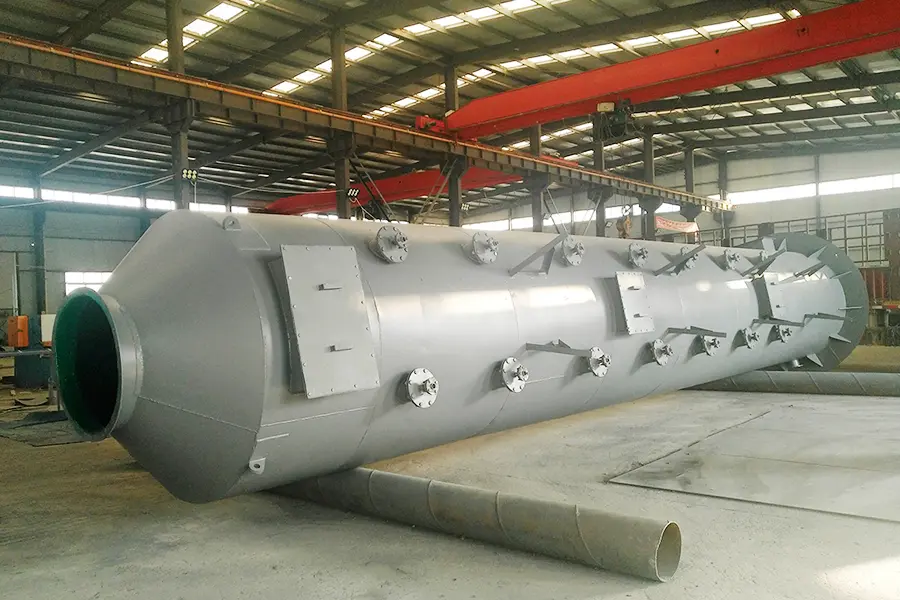
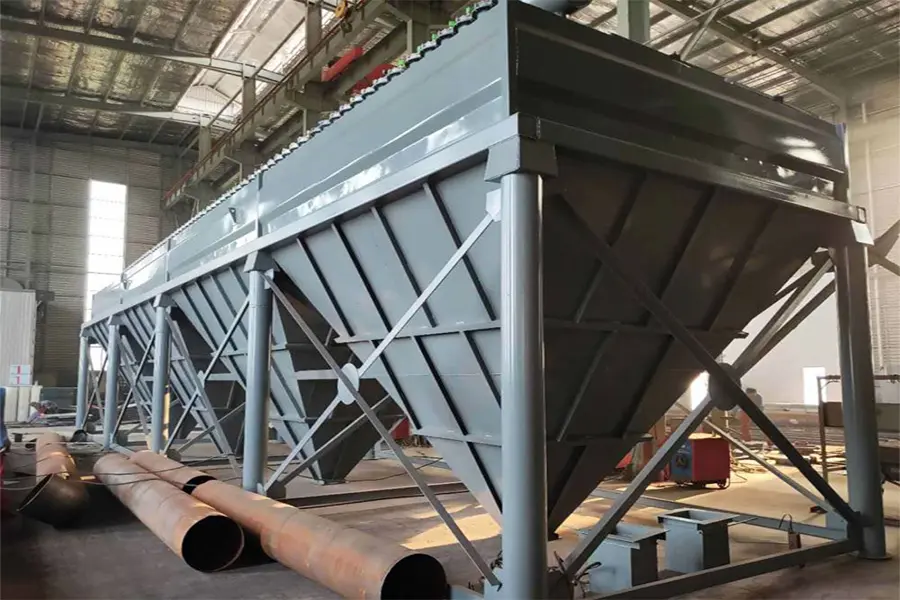
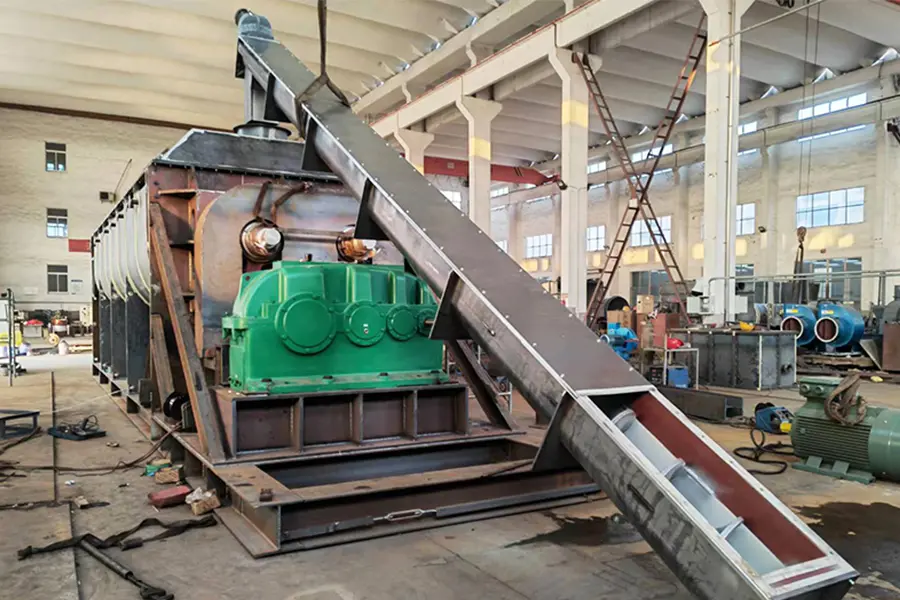
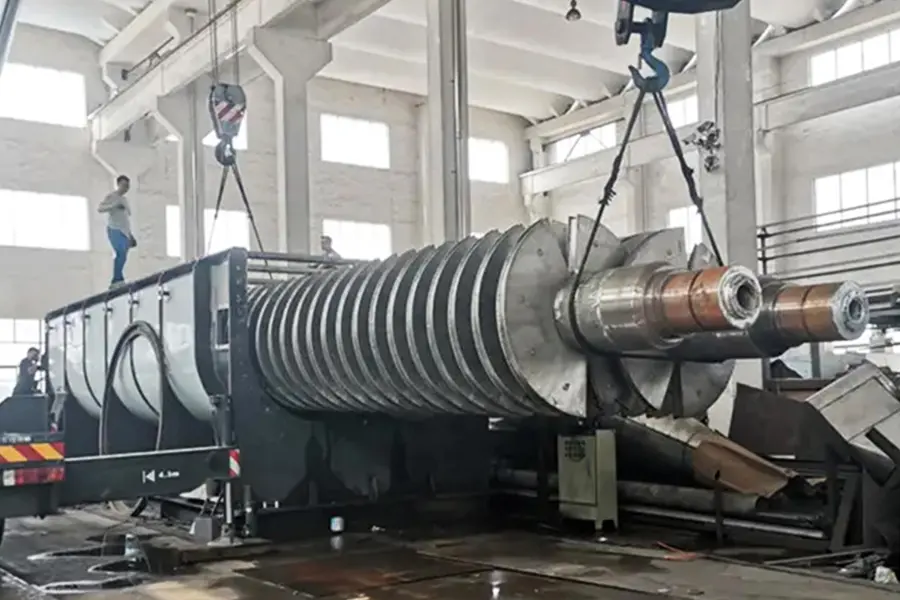
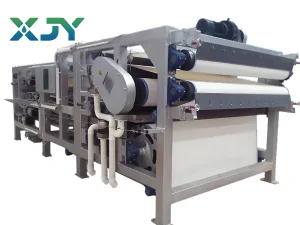
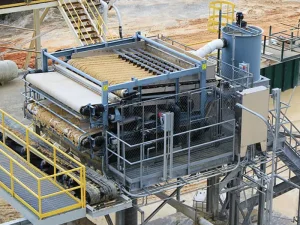
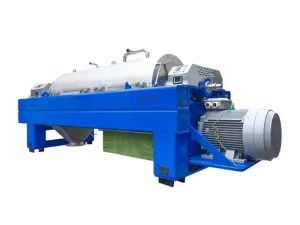
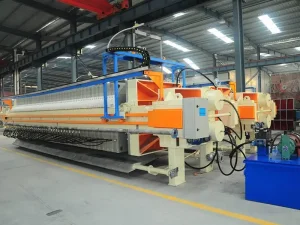
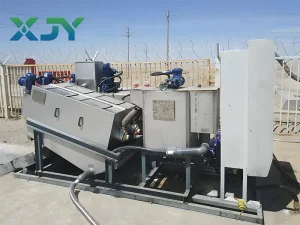
For municipal sludge disposal, industrial sludge disposal, and polluted black/smelly water dredging treatment, XJY provides complete solutions. We have successfully built and operated numerous sludge drying reduction projects. Our systems treat sludge with 80% moisture content, drying it into approximately 35% moisture content powder granular raw materials. These materials are then utilized as resources in cement plants, thermal power plants, and fertilizer plants.
 XINJIEYUAN