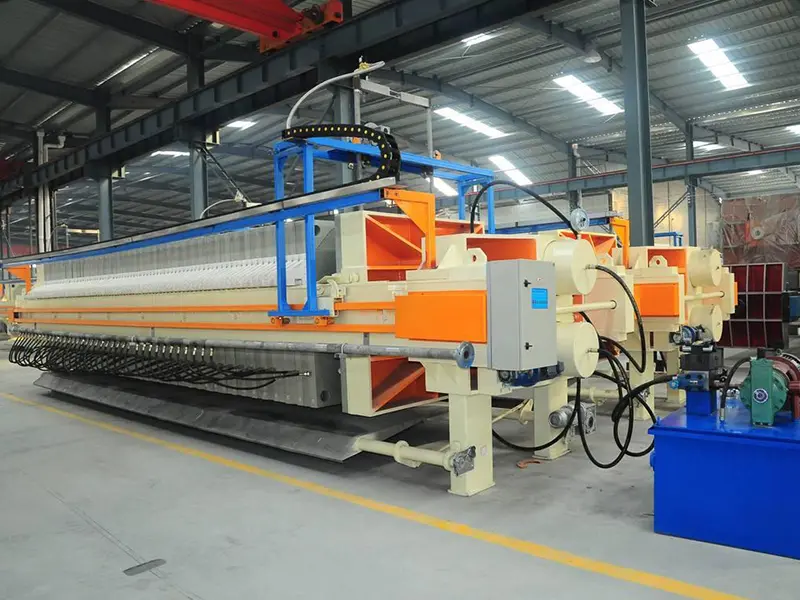
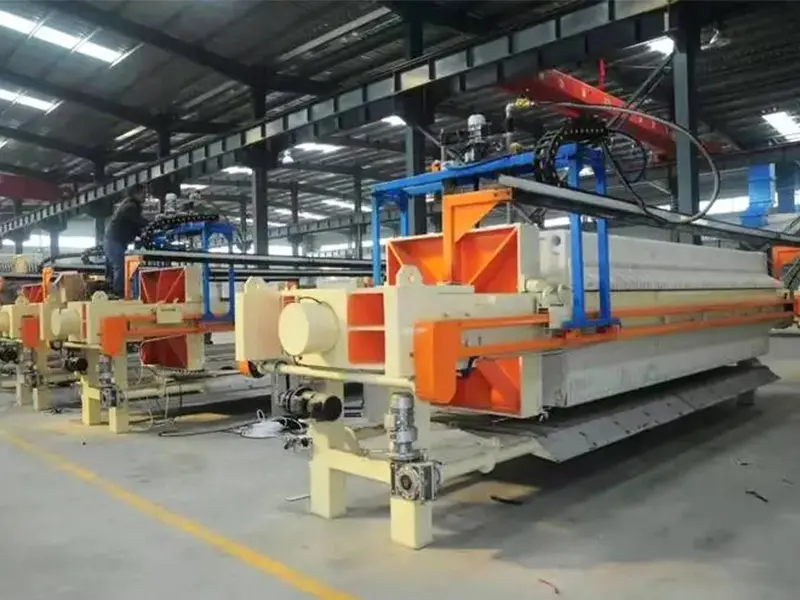
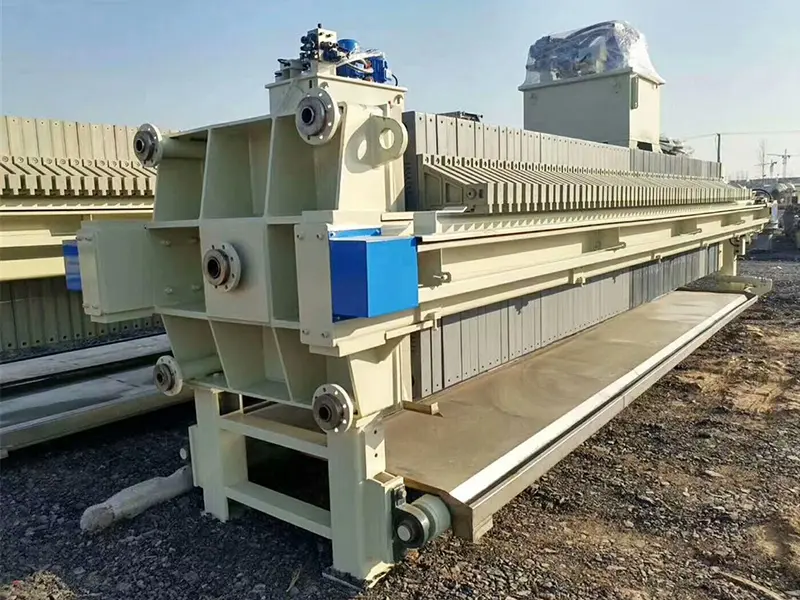
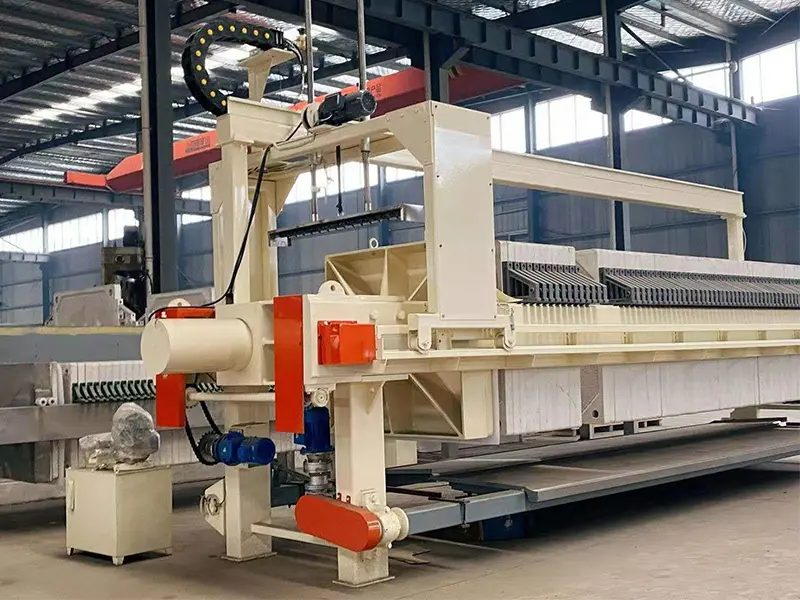
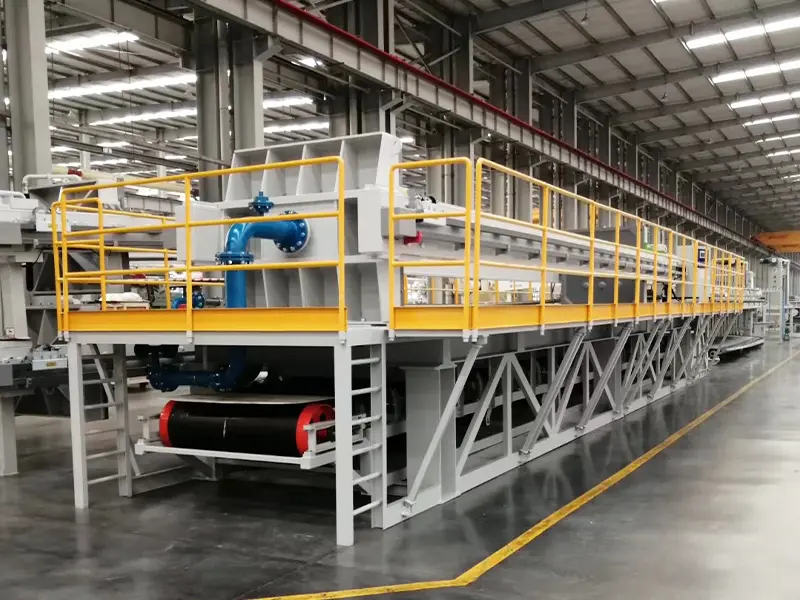
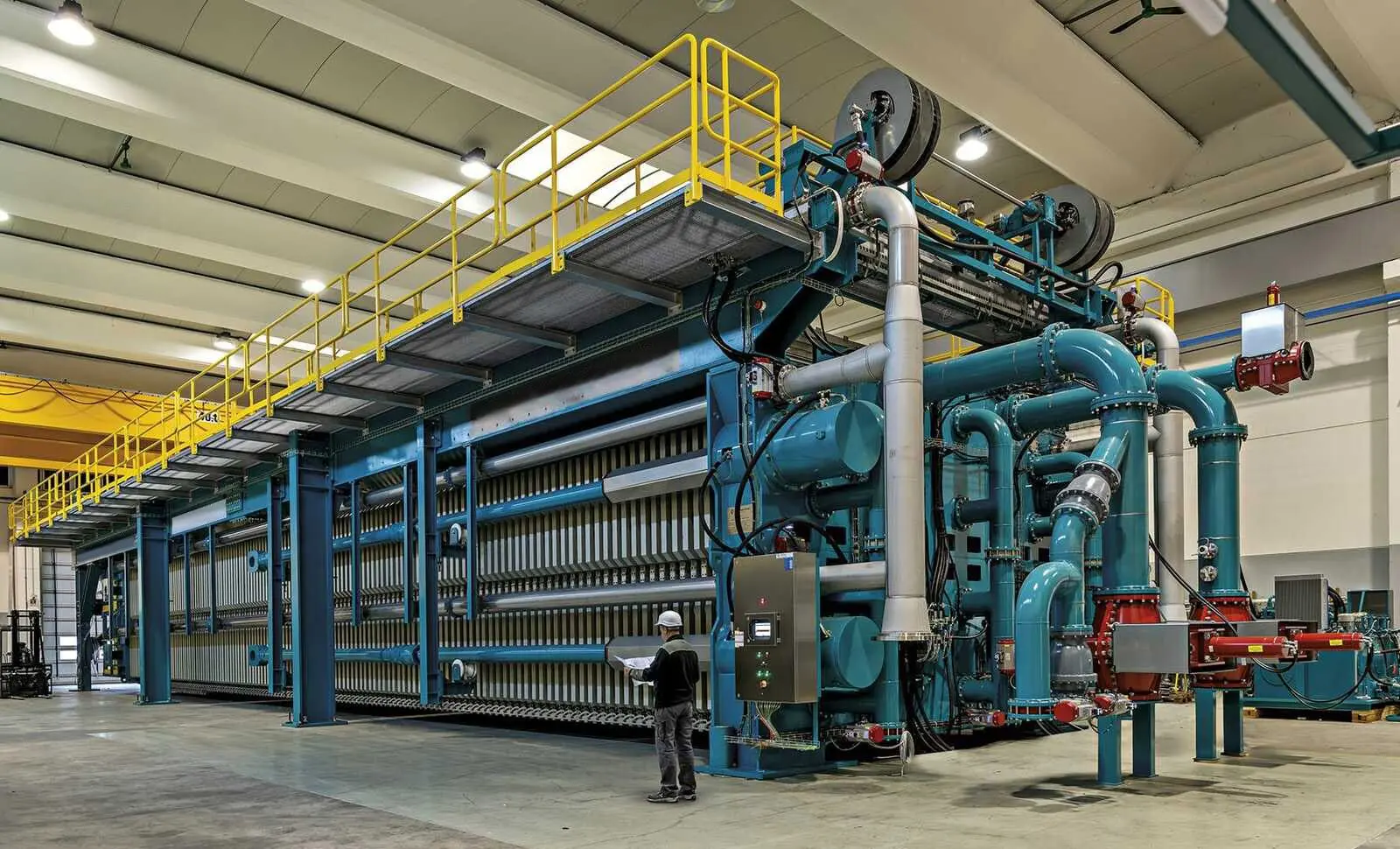
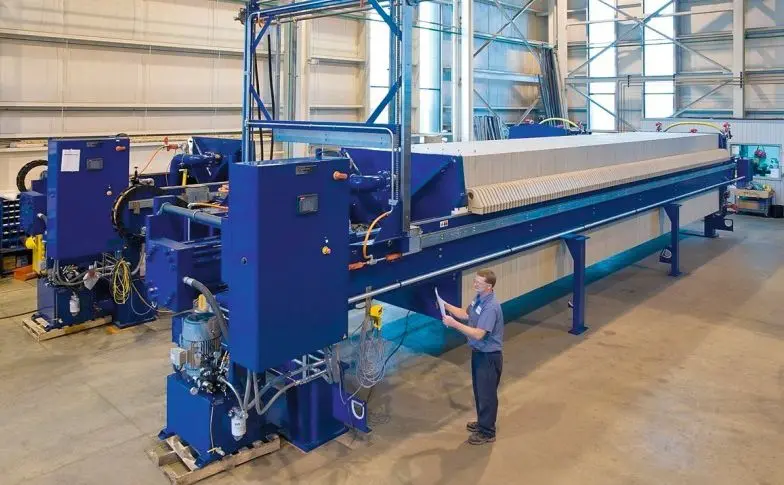
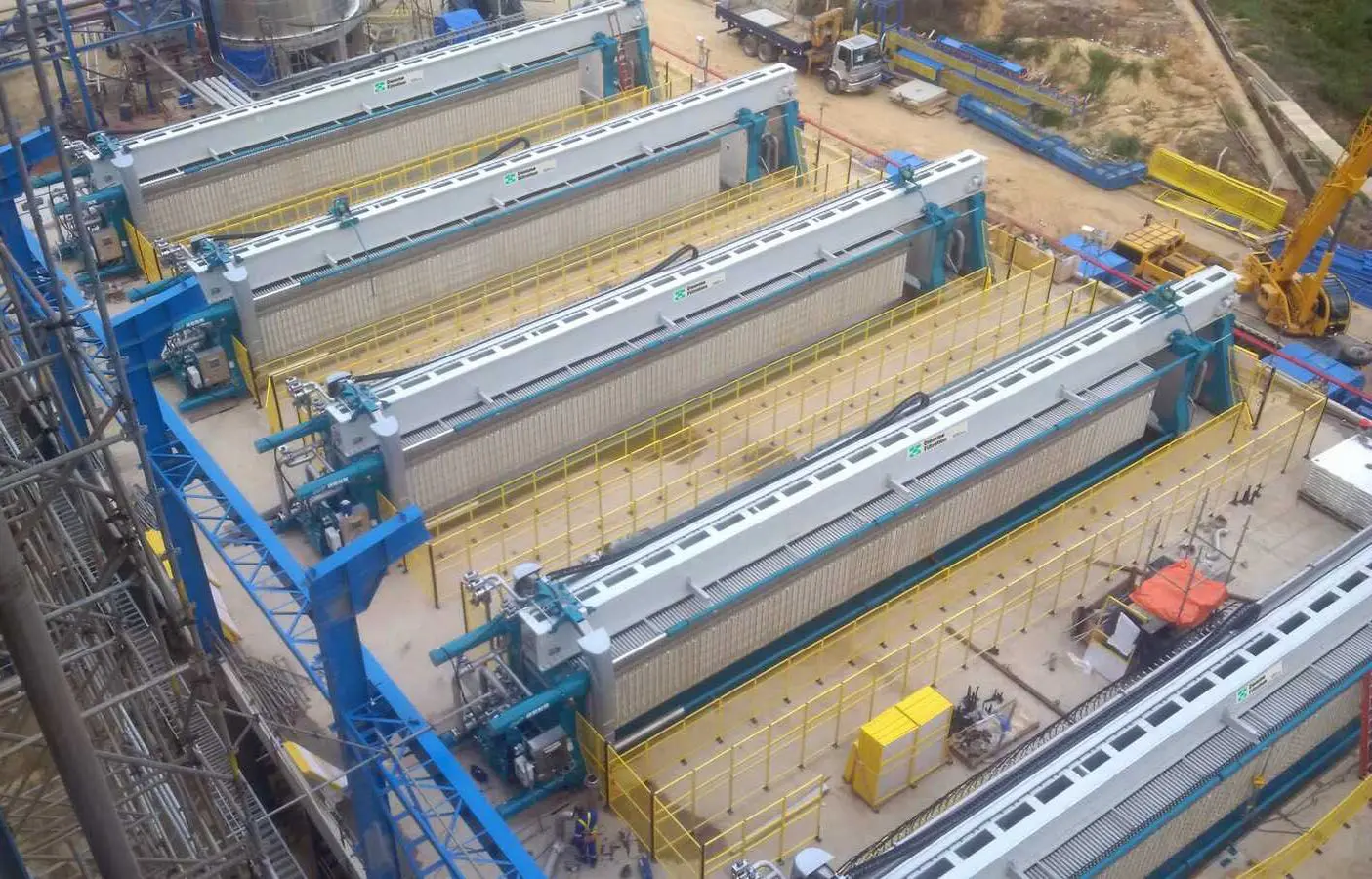
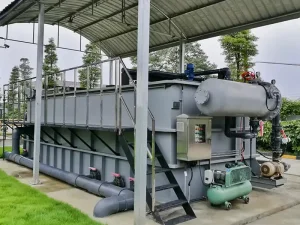
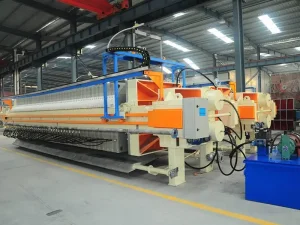
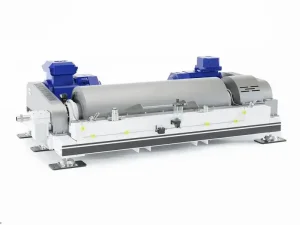
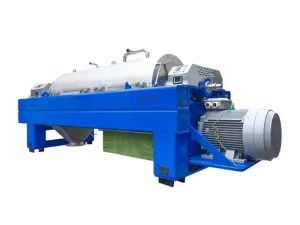
Sludge dewatering equipment is a widely used equipment in industry, which can effectively separate solids from liquids. Filter press functionality is derived from high-pressure operation, which compacts the solid filter cake and minimizes moisture content. This core technology solves the solid-liquid separation problem in many industries and is an important part of industrial production.
Application industries of filter press machine:
Filter presses machine have become essential equipment in various industries due to their ingenious design and functionality. Filter presses have a variety of application fields and play a vital role in chemical, mining, food and beverage, pharmaceutical, environmental protection and other industries.
In the chemical industry, filter presses are used to process large amounts of chemical waste and efficiently extract reusable resources. In the mining and metallurgical industries, they effectively separate solids from ore liquors, reducing environmental impact. The food and beverage industry relies on them for purity, while the pharmaceutical industry ensures strict quality standards through cleaning and clarifying solutions.
In environmental protection, filter presses play a vital role in treating industrial wastewater and domestic sewage, helping improve environmental sustainability through effective solid-liquid separation.
Structure of Filter Press Equipment
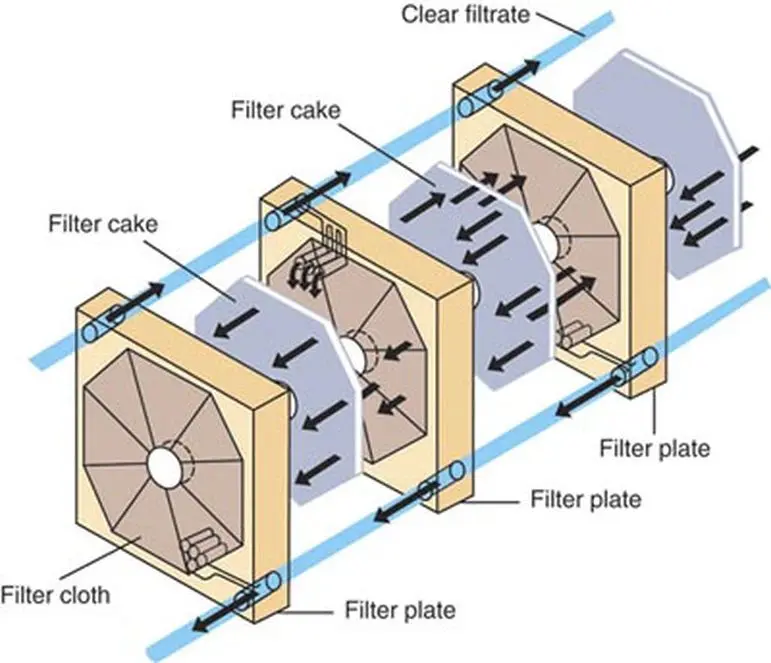
1. Filter Media: Filter cloth or mesh allows liquids to pass while retaining solid particles.
2. Filter Plate: The core component where multiple plates are pressurized to create an enclosed filter space.
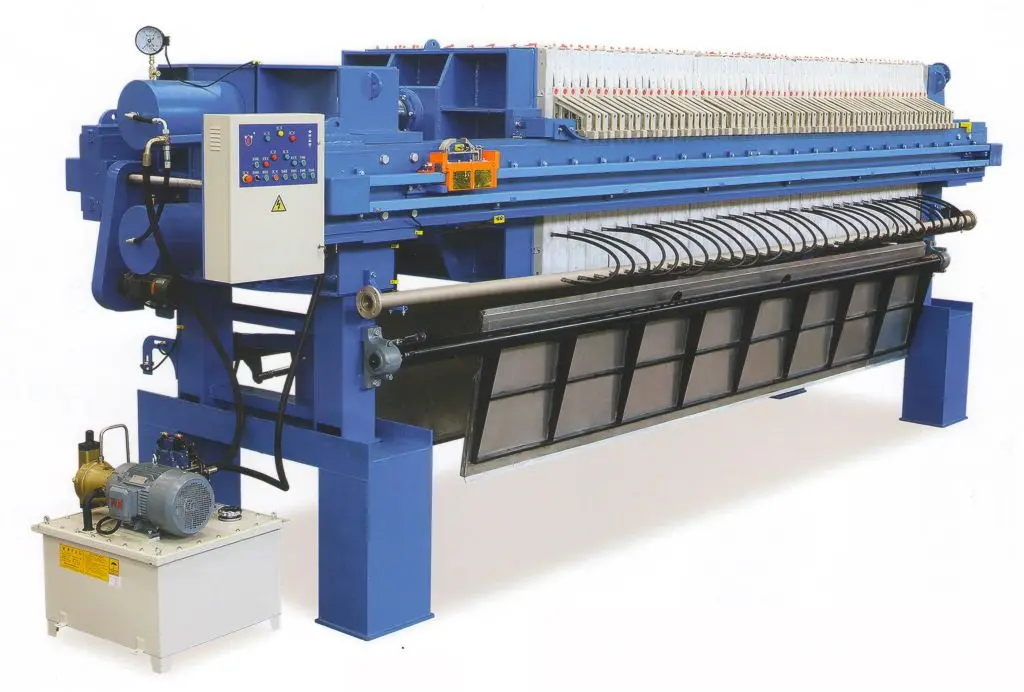
3. Hydraulic System: The power source consisting of pumps, cylinders, and valves to pressurize the material.
4. Control System: The central mechanism (electric cabinet, sensors) for monitoring and managing operations.
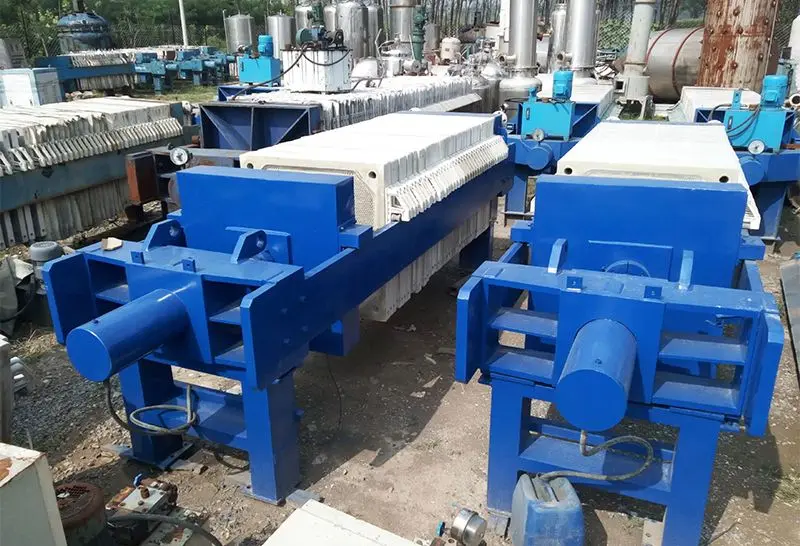
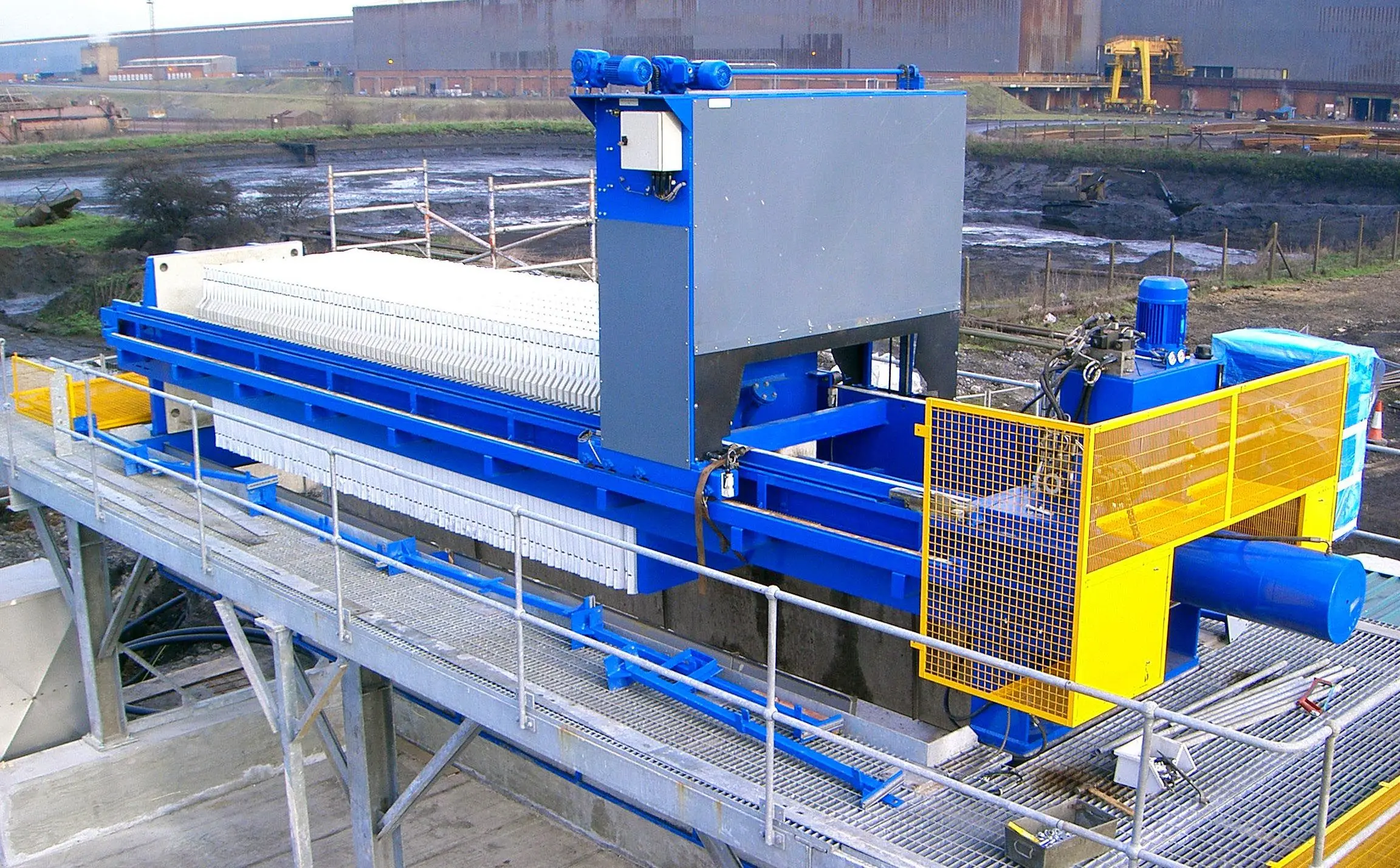
5. Frame: The support structure providing stability and rigidity to the entire equipment.
6. Cleaning Device: Includes nozzles and pumps to maintain filter media and plates.
7. Mobile Device: Auxiliary devices used to move the filter plates and media efficiently.
Working Principle of Plate and Frame Filter Press
1
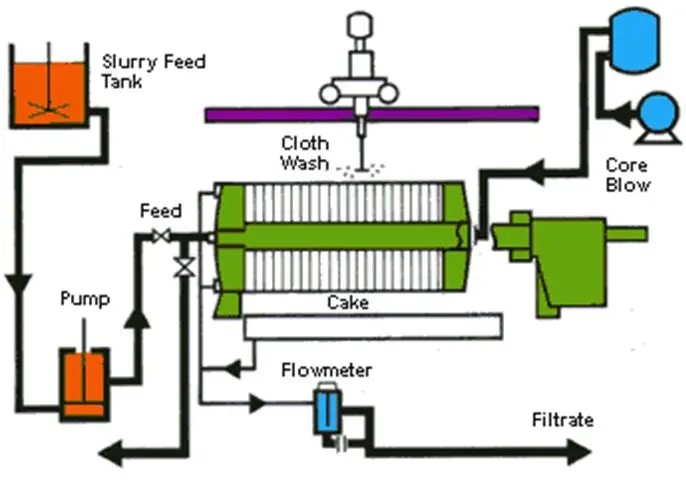
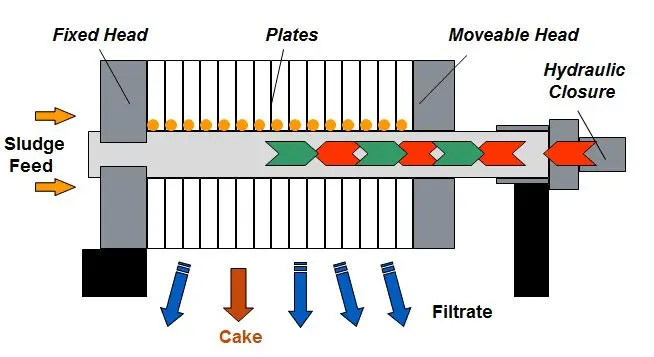
Closure: High pressure oil pump starts to close the filter plates until the pressure reaches set values (30~34 MPa).
2
Feeding: Pump feeds material into the chambers. Solids are intercepted to form a filter cake while filtrate passes through.
3
Diaphragm Extrusion: Extrusion pump applies pressure to the diaphragm to forcefully dehydrate the filter cake.
4
Center Back Blowing: Compressed air removes residue from the feeding pipe and improves filter cake solidity.
5
Pressure Relief: Main cylinder releases pressure and the filter press opens.
6
Unloading: Automatic pull plate device moves the plates, and the filter cake falls off under gravity.
Influencing Factors of Filtration Effect
Pressure Control: The core factor. Quality of the pressure system directly determines the filtration efficiency.
Filtration Speed: Speed must be distributed according to liquid concentration and resistance for optimal results.
Filtration Area: Larger areas facilitate faster flow, but density specifications must be considered for the specific mesh.
Advantages of Filter Presses in Sludge Treatment
Increased Speed: Convex column point filter plates increase effective water conduction area.
Multifunctional Design: Large pore size and even force distribution suitable for challenging materials.
Chemical Resistance: Constructed from reinforced polypropylene for corrosion resistance and stability.
Automation Options: Reduces manual labor through automatic plate pulling and pressure maintenance.
Causes and Remedies for Grouting Issues
Grouting can interrupt the efficiency of your equipment. Here are common causes and solutions:
Insufficient Compression: Adjust the pressure or use a boost regulator.
Excessive Feed Pressure: Use a pressure reducing valve to return to normal levels.
Filter Cloth Issues: Ensure the cloth is clean, undamaged, and properly installed.
Hydraulic System: Check for low oil levels or damaged relief valves.
Sealing Surface: Clean impurities from the sealing surface and replace damaged cloths promptly.
Frequently Asked Questions
What are the primary industries that use filter presses?
Filter presses are widely used in chemical processing, mining and metallurgy, food and beverage production, pharmaceutical manufacturing, and environmental protection for wastewater treatment.
What materials are filter plates commonly made of?
Most modern filter presses use reinforced polypropylene due to its excellent stability, high corrosion resistance, and chemical inertness.
How does the diaphragm extrusion process benefit sludge treatment?
The diaphragm extrusion applies mechanical pressure to the filter cake, which significantly reduces the moisture content and enhances the solid concentration of the sludge.
What causes "spraying" or grouting in a filter press?
This is typically caused by insufficient cylinder compression, excessive feed pump pressure, damaged filter cloths, or impurities on the sealing surfaces of the plates.
Why is center back blowing important?
It helps remove remaining material from the feeding pipe, prevents pipe blockage, improves the solidity of the filter cake, and extends the service life of the filter cloth.
Can the filter press operation be fully automated?
Yes, modern filter presses can include automated control systems for plate pulling, unloading, and pressure maintenance, reducing the need for manual labor.
 XINJIEYUAN