commercial Biological Scrubber Manufacturers, Service
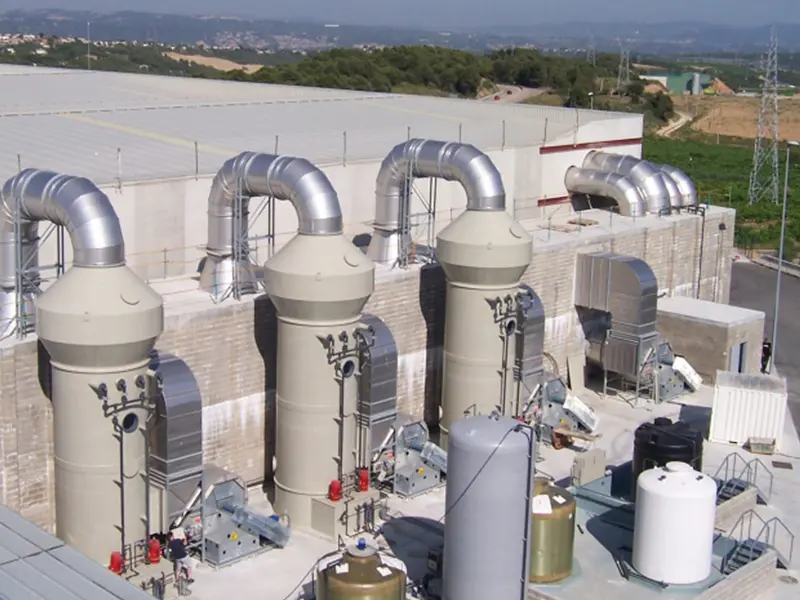
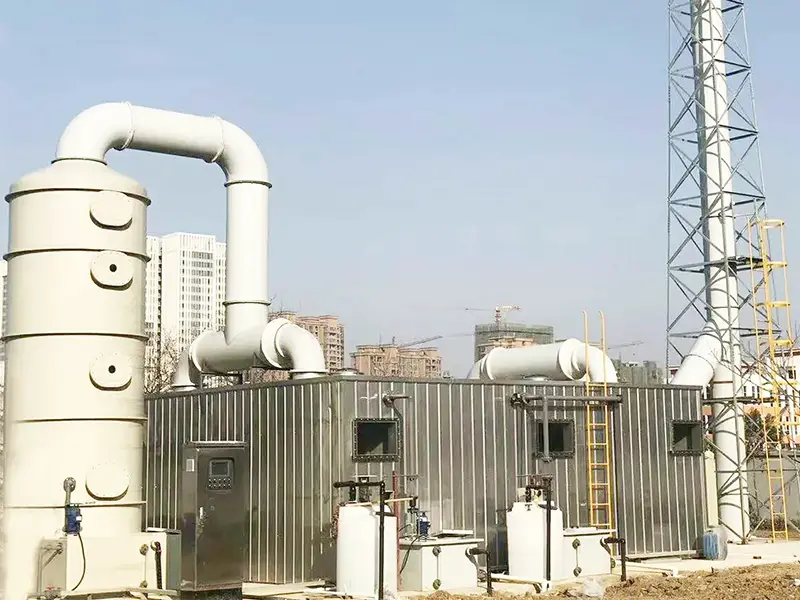
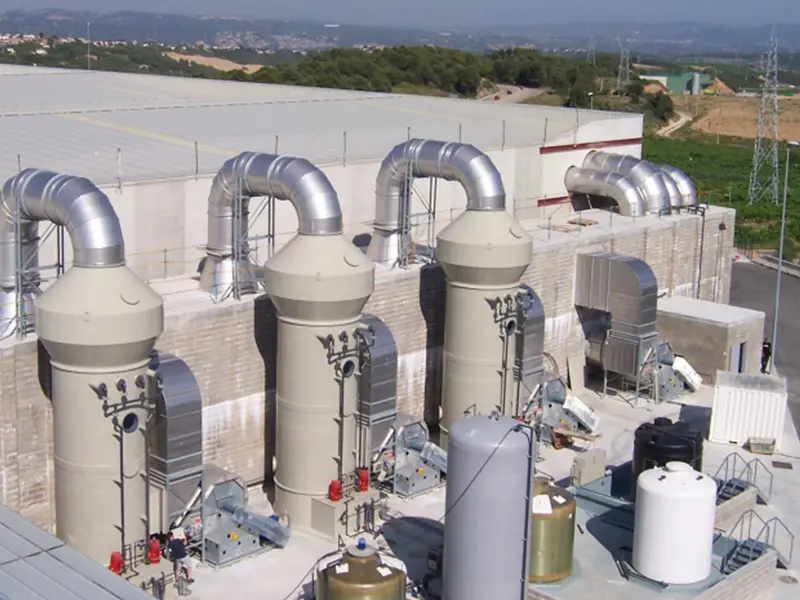
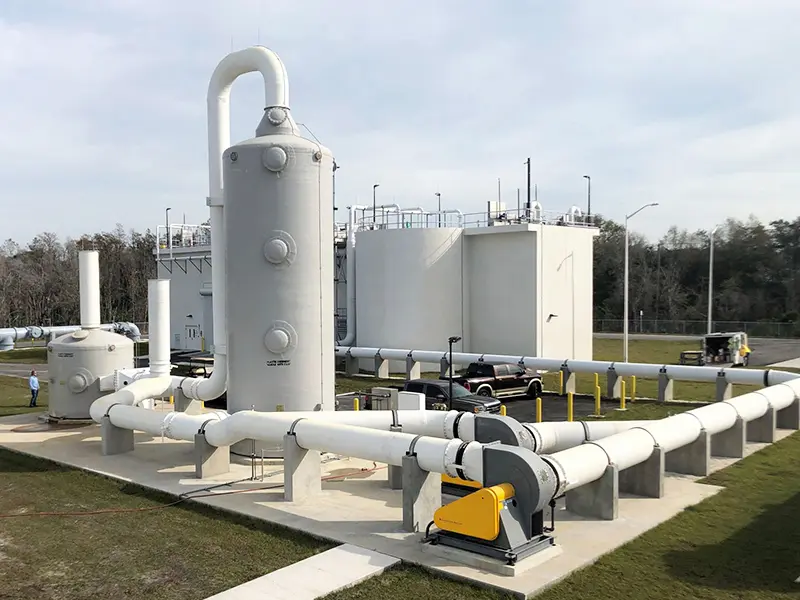
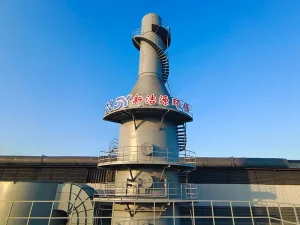
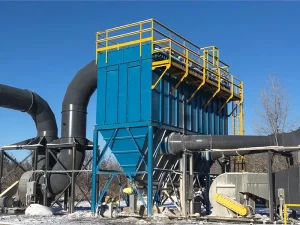
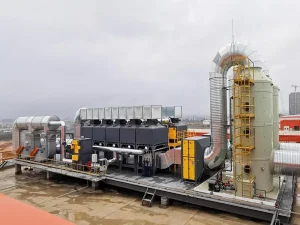
The bioscrubber uses the biodegradation capacity of microorganisms to efficiently remove organic pollutants in the exhaust gas, such as volatile organic compounds (VOCs), ammonia, etc. Microorganisms grow and multiply inside the tower, forming biofilms, or bio-particles, that convert organic pollutants into harmless substances.It is suitable for the treatment of various organic waste gases, including industrial waste gas, chemical waste gas, printed waste gas, etc.
MBR membrane bioreactor (MBR) is an efficient wastewater treatment method that combines membrane separation technology and biological treatment technology. Its working principle is mainly based on the following points:
The basic principle of biological scrubber: biological absorption method is also called biological washing method. It is the use of microbial absorption liquid composed of microorganisms, nutrients and water to treat organic waste gas, suitable for removing soluble organic waste gas. The microbial mixture that absorbs the waste gas is then treated with aerobic treatment to remove the absorbed pollutants in the liquid, and the treated absorption liquid is reused. In the bio-washing process, the microorganisms and their nutrient ingredients are present in the liquid, and the gaseous pollutants are transferred to the liquid through contact with the suspension, thus being degraded by the microorganisms.
The working process of the bioscrubber
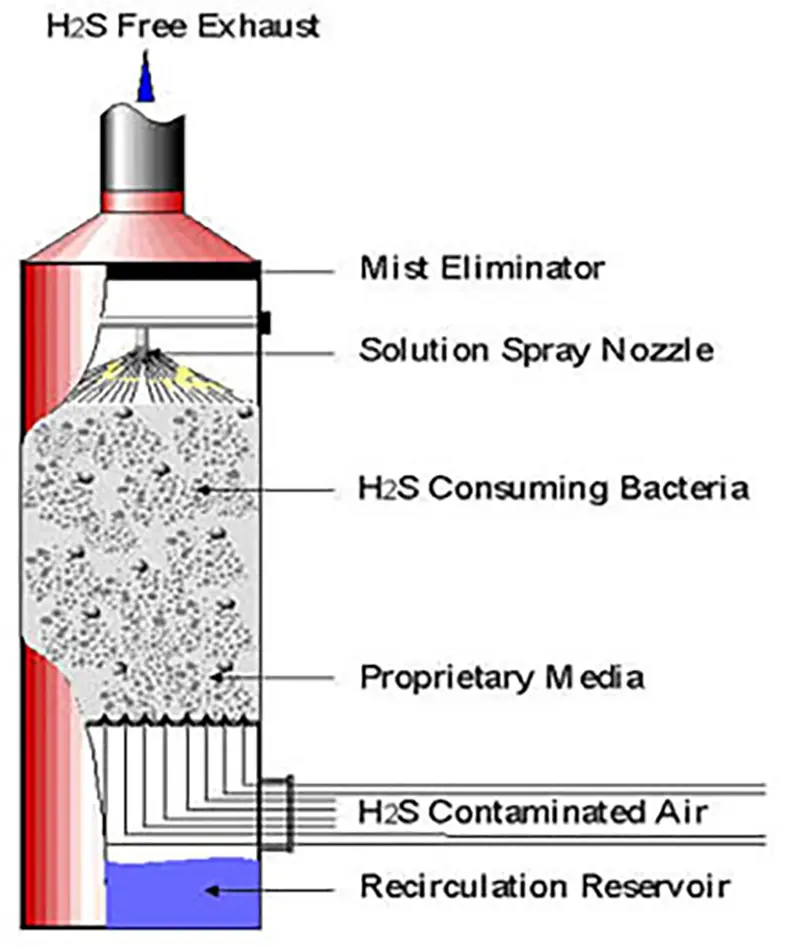
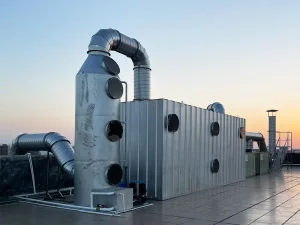
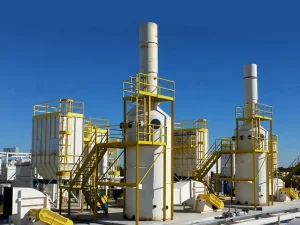
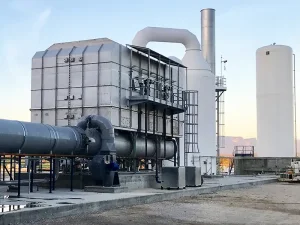
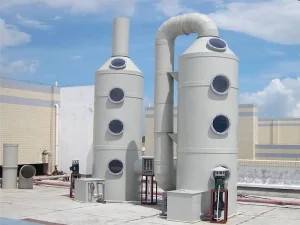
Biological scrubber is a waste gas treatment device that uses microorganisms to degrade pollutants, which is usually composed of an intake pipe, a biological filter material layer, an exhaust pipe, and an air distributor. It works by degrading organic matter in exhaust gas through the metabolic growth of microorganisms, converting it into harmless substances such as water and carbon dioxide.
1.
Oxidative degradation: The air enters the biological filter material layer through the intake pipe, and contacts the biofilm on the surface of the filter material, so as to achieve the effect of oxidative degradation of organic substances in the exhaust gas.
2.
Adsorption: Organic substances in the process of passing through the biofilter layer, some will be adsorbed by the biofilm, and then achieve the purpose of removing organic matter.
3.
Biodegradation: After the organic matter in the waste gas is adsorbed to the surface of the biological filter material layer, the microorganisms are attached to the surface of the filter material, and the organic matter is converted into harmless substances such as water and CO2 through biodegradation, so as to achieve the effect of purifying the waste gas.
Composition of biological deodorization equipment
01.
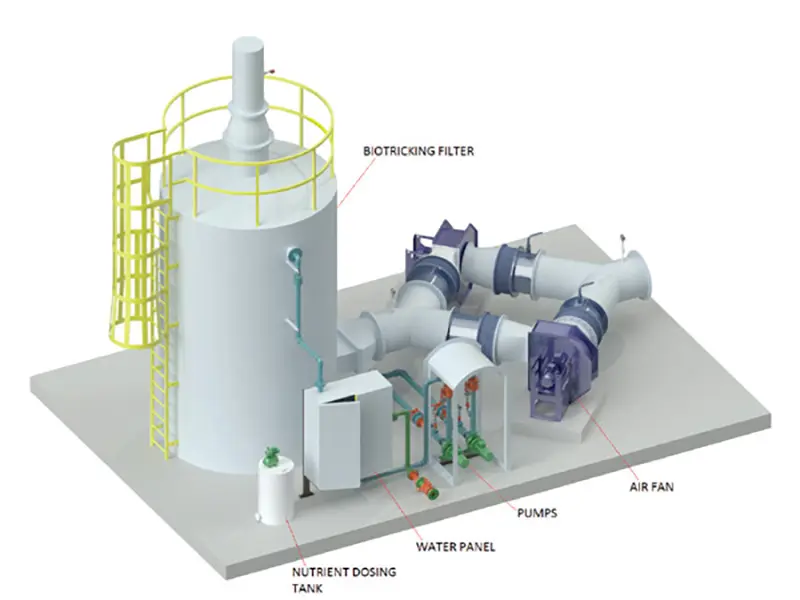
Pretreatment system: mainly includes spray tower, adsorption device, etc., which is mainly used to remove particles and some harmful gases in exhaust gas.
02.
Biological filter: The core part of biological equipment, it is filled with microbial fillers, such as activated carbon, ceramic particles, etc., these fillers provide an environment for microbial adhesion and growth.
03.
Microbial strains: The key to biological deodorization equipment, they multiply in biological filters, decompose harmful substances in exhaust gas.
04.
Post-treatment system: mainly includes scrubber, activated carbon adsorption device, etc., which is mainly used to further remove harmful substances in the exhaust gas.
Analysis of internal structure of scrubber
1.
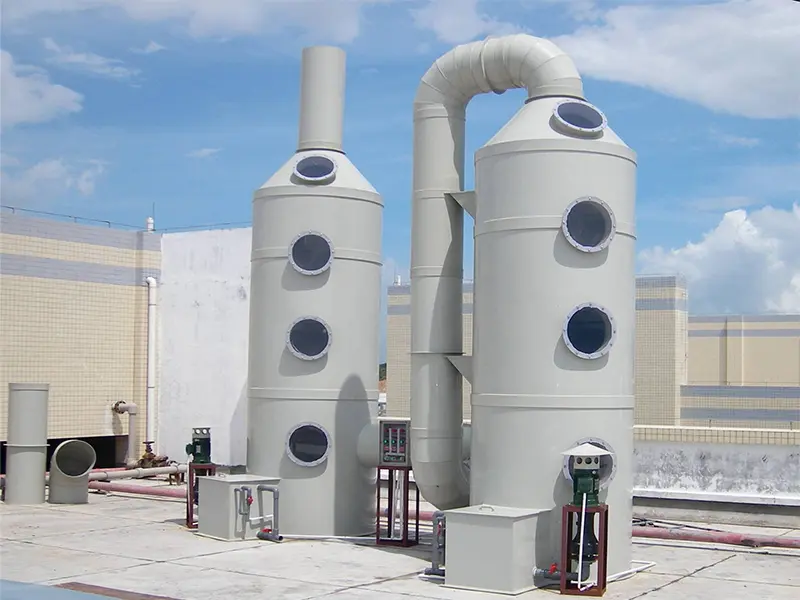
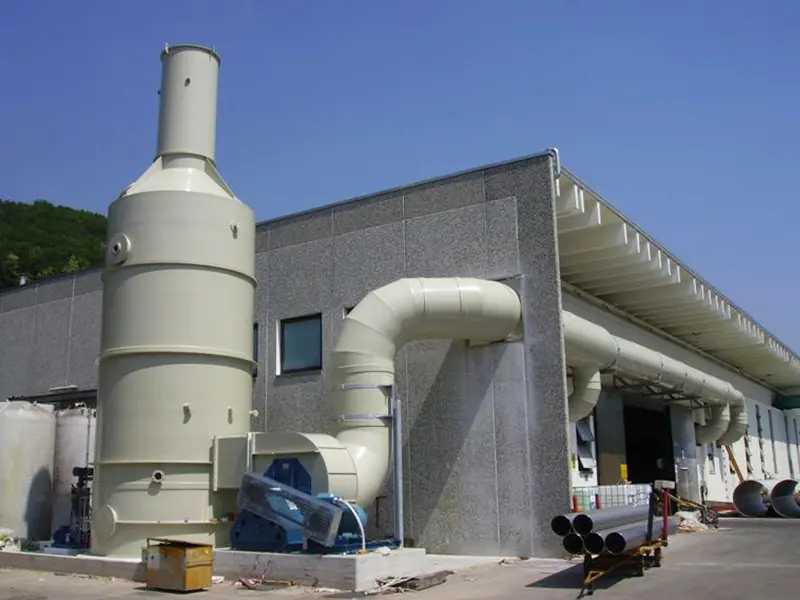
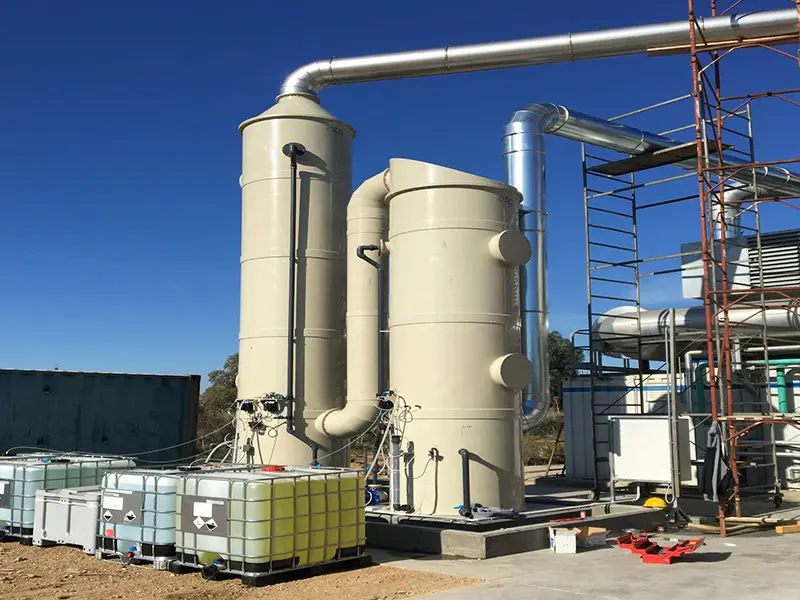
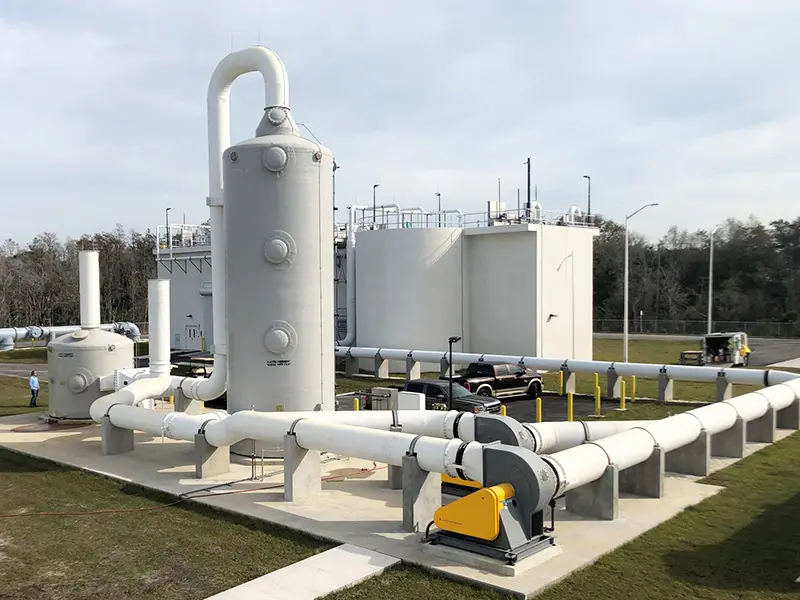
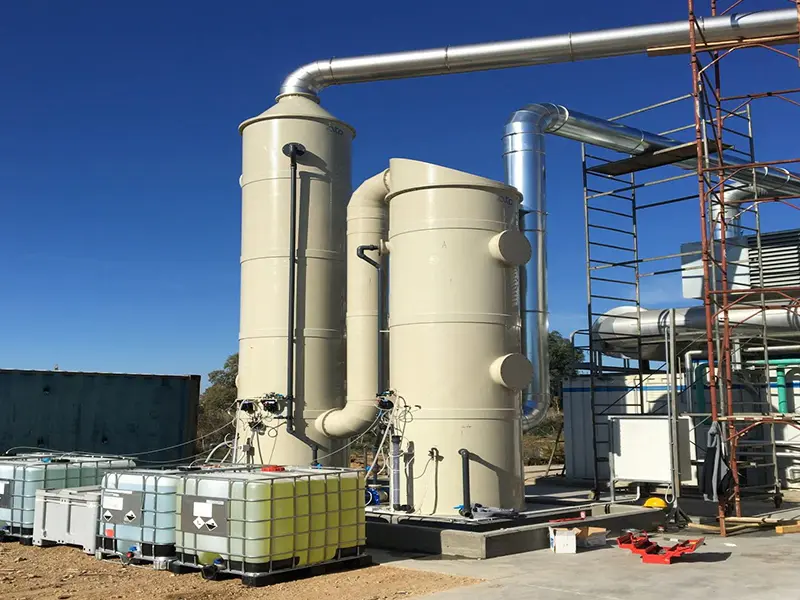
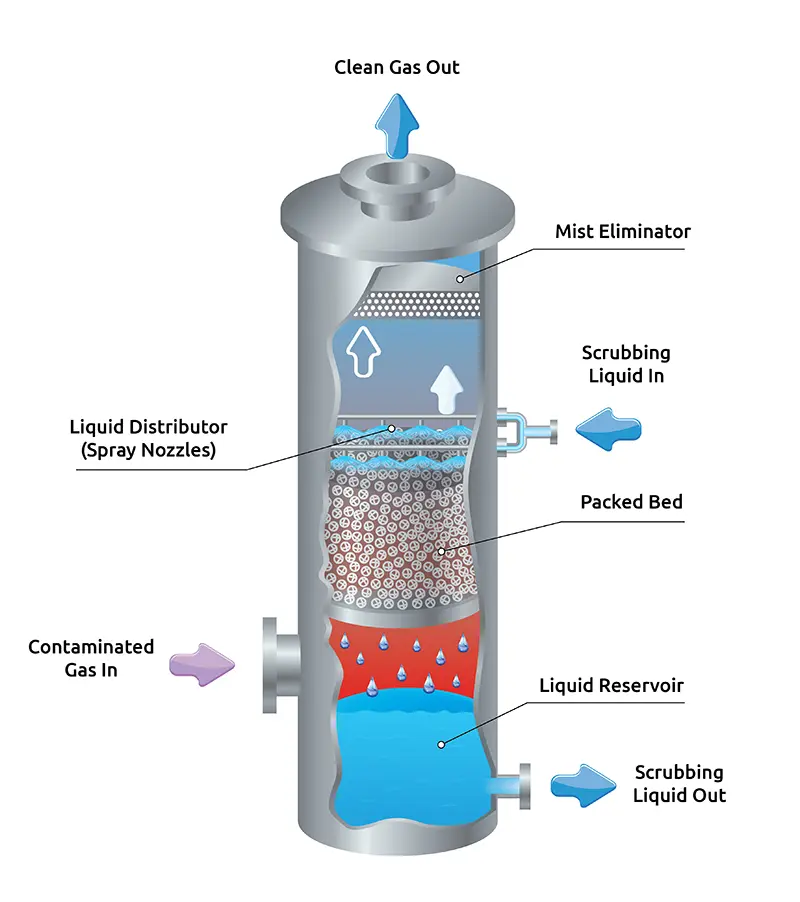
Tower structure: The scrubber is mainly composed of the tower body, entrance, exit, packing, internal support and shell. The tower body accommodates the filler and the sewage to achieve purification.
2.
Packing structure: Important for increasing treatment area and strengthening biofilm adhesion. Materials include ceramic, PVC, and other plastic packing with large specific surface areas.
The inlet of the scrubber is usually set at the bottom and the outlet at the top. The structural design of the inlet and outlet should minimize the speed of the water flow to avoid impact damage to the fill. The internal support structure includes the water stop belt, the reactor chassis, and water inlet liner, ensuring stability and corrosion resistance.
In summary, the internal structure includes the tower body, packing, inlet and outlet, and discharge port. Understanding this structure helps in better operation and maintenance, improving the efficiency and quality of sewage treatment.
Function and application of biological scrubber
Biological deodorization scrubber is an environmentally friendly device that uses the decomposition of microorganisms to remove odor while washing and purifying.
Bioscrubber action
1.
Deodorizing gas odor: Uses specific microbial strains to convert odor into harmless substances.
2.
Washing items: Strong washing capacity to remove dirt and bacteria on surfaces.
3.
Purification of water quality: Transforms harmful substances in sewage into harmless substances through microbial action.
Use of biological scrubber
✔
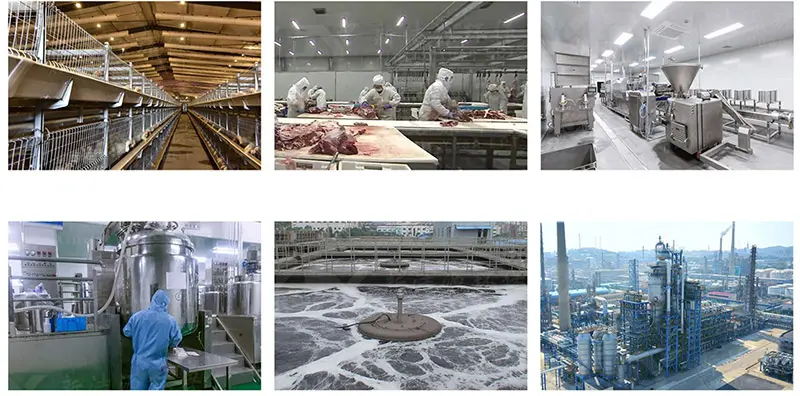
Industrial deodorization: Suitable for chemical, textile, leather, and pharmaceutical industries to protect worker health.
✔
Garbage disposal yard: Removes odors generated by garbage fermentation.
✔
Public places: Used in shopping malls, hospitals, and schools to improve comfort and health.
✔
Personal hygiene: Families can use it to remove domestic odors and improve quality of life.
Frequently Asked Questions (FAQ)
Q1: What is the main principle of a biological scrubber?A: It uses a microbial absorption liquid (microorganisms, nutrients, and water) to absorb and degrade organic pollutants in waste gas through aerobic treatment.
Q2: How do microorganisms purify the gas in the scrubber?A: Microorganisms attached to the filter material layer metabolize organic matter, converting it into harmless substances like water and carbon dioxide.
Q3: What are the core components of biological deodorization equipment?A: The equipment consists of a pretreatment system, a biological filter (core), microbial strains, and a post-treatment system.
Q4: Why is the choice of packing material important?A: Packing materials like ceramic or PVC provide a large surface area for biofilm adhesion and strengthen gas-liquid exchange efficiency.
Q5: In which industries can biological scrubbers be used?A: They are widely used in chemical, textile, pharmaceutical industries, garbage disposal sites, and public places like hospitals and schools.
Q6: What is the purpose of the redistribution device in the packing tower?A: It prevents "wall flow" and ensures uniform distribution of gas and liquid phases, which maintains high mass transfer efficiency.
 XINJIEYUAN