⚙️ Project Introduction
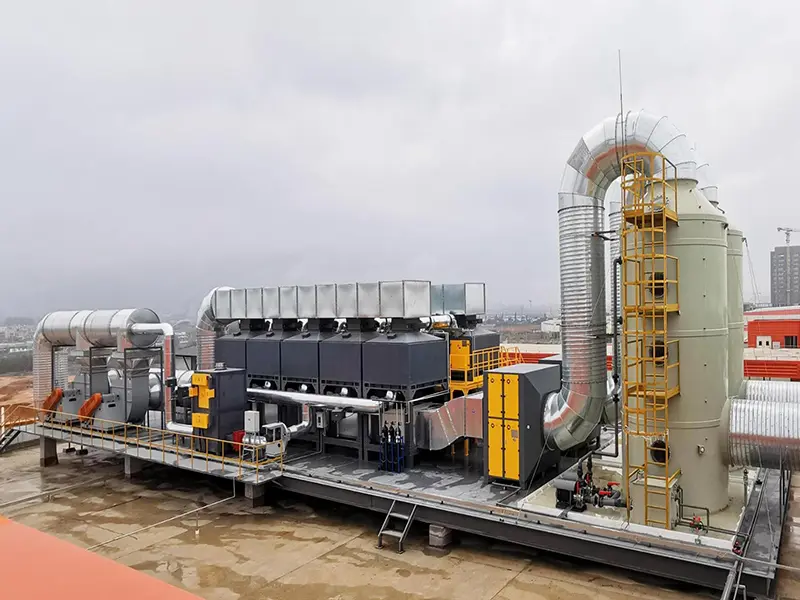
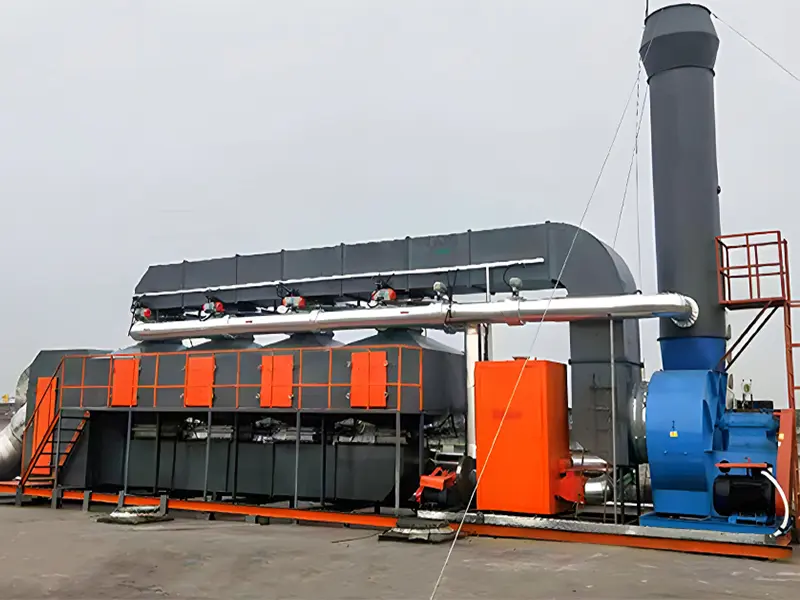
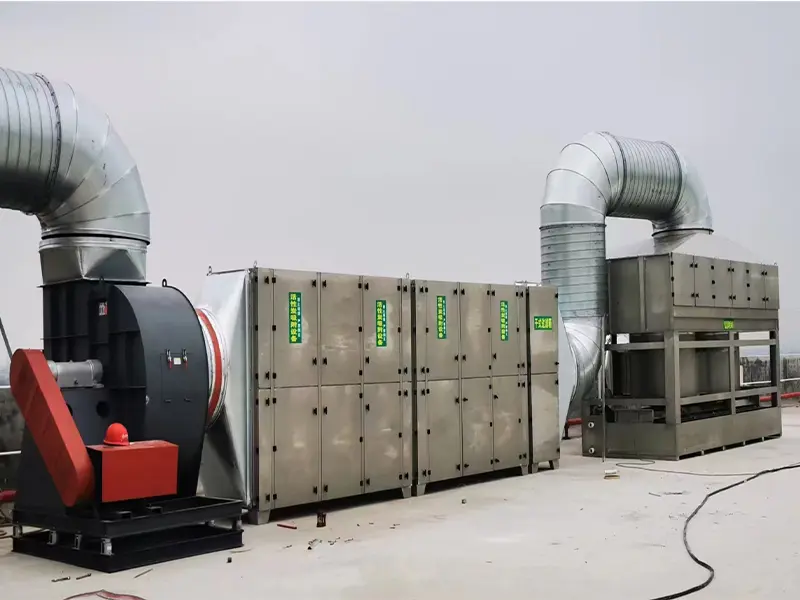
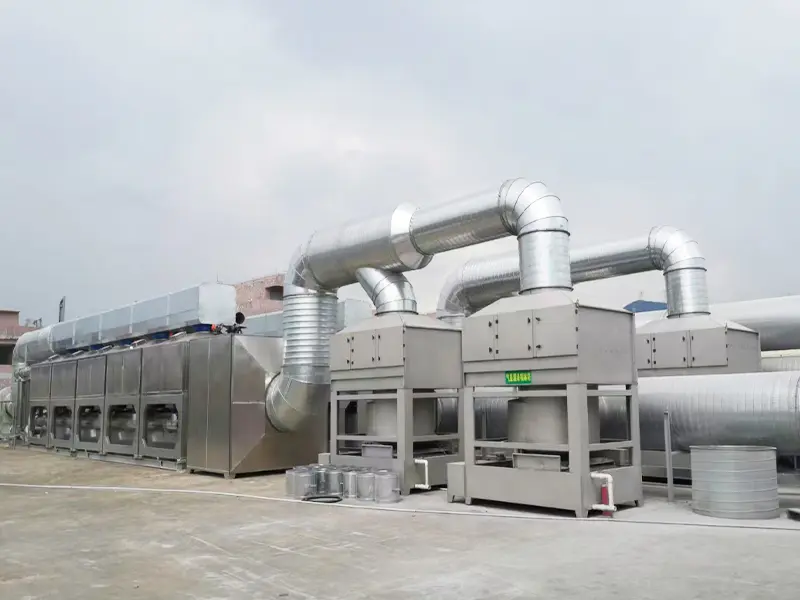
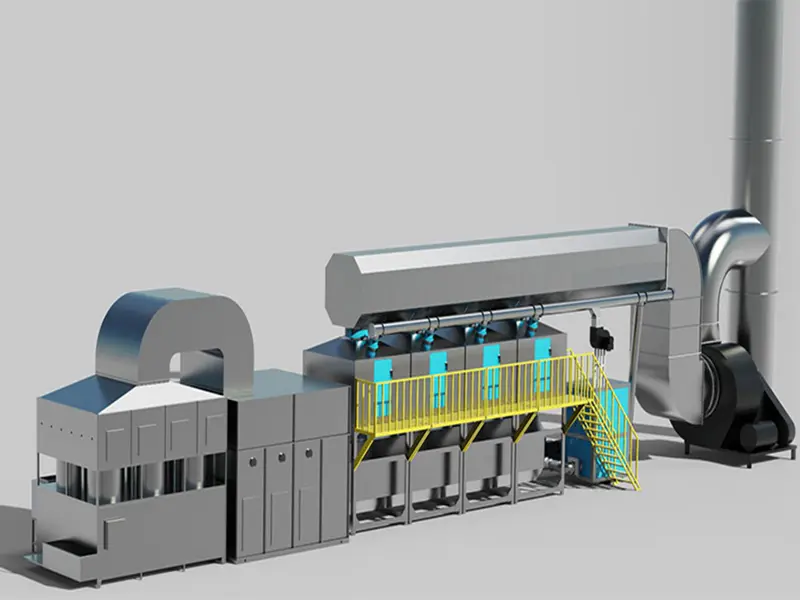
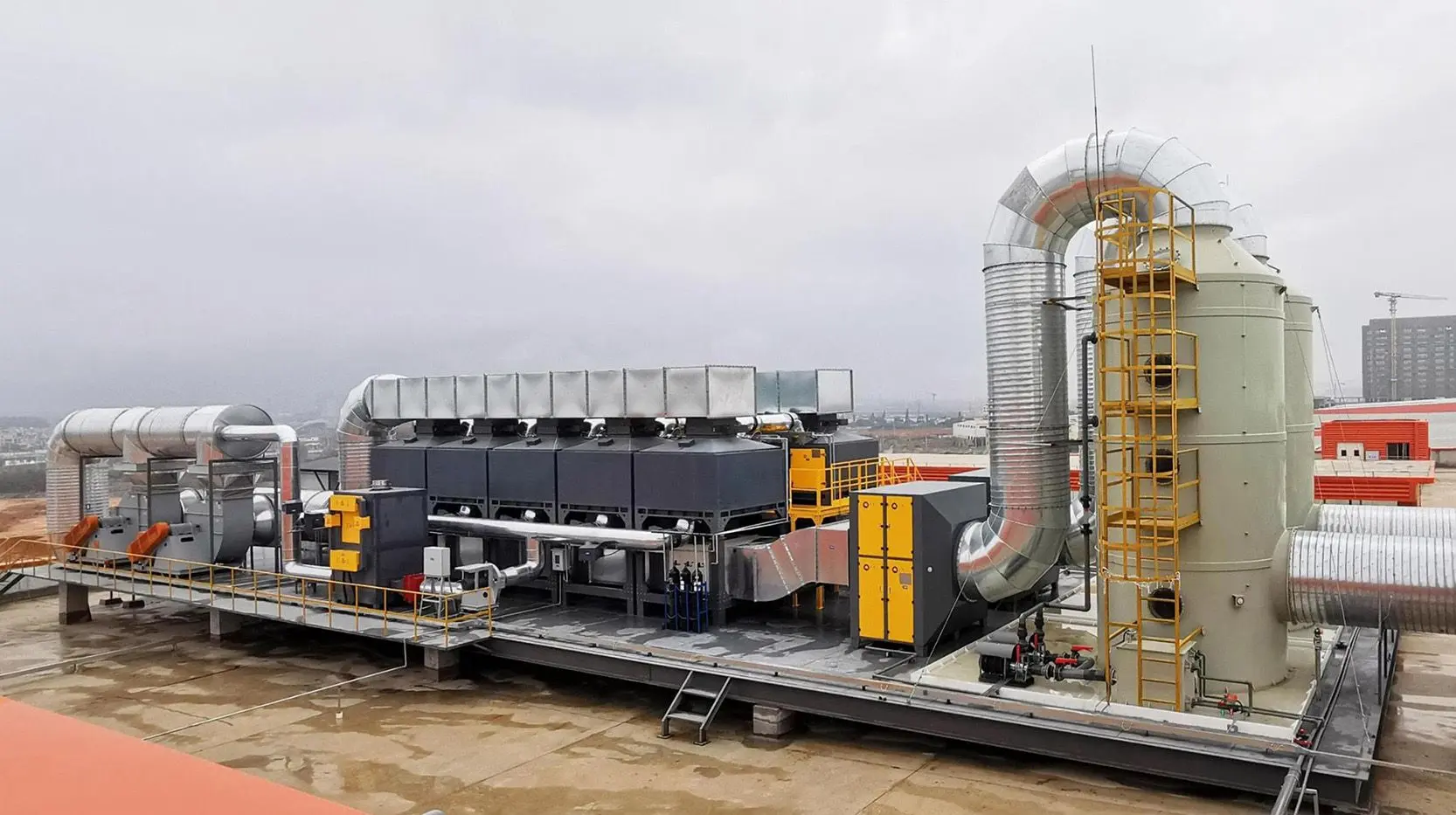
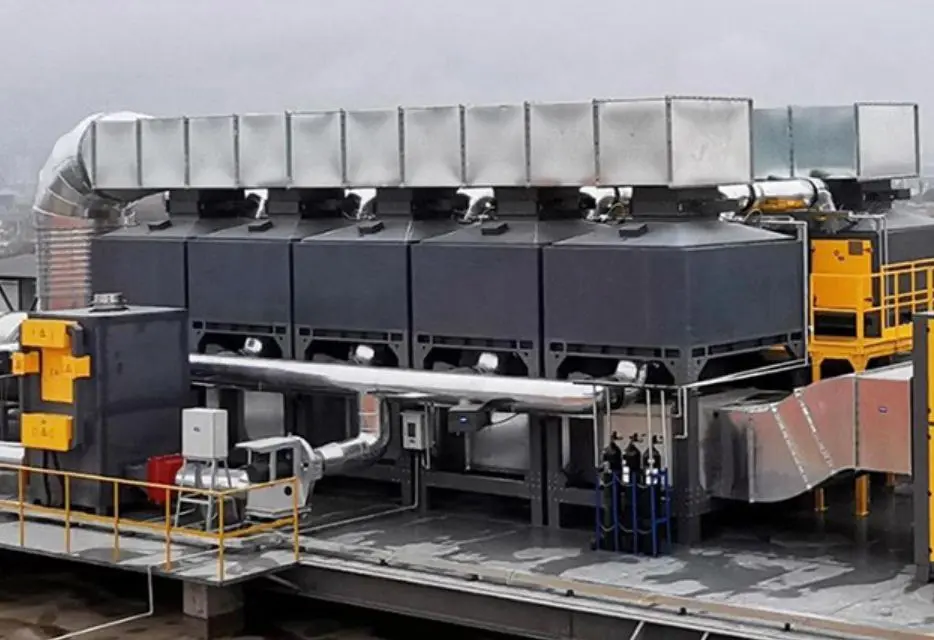
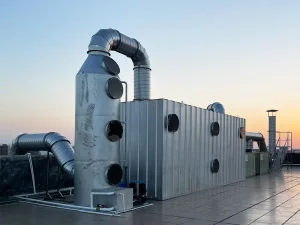
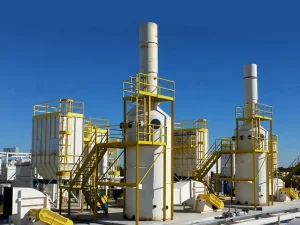
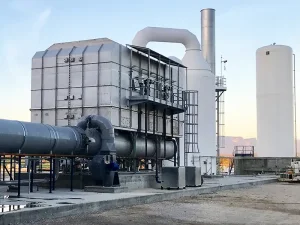
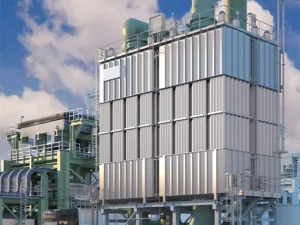
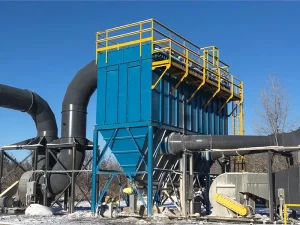
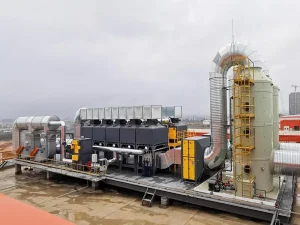
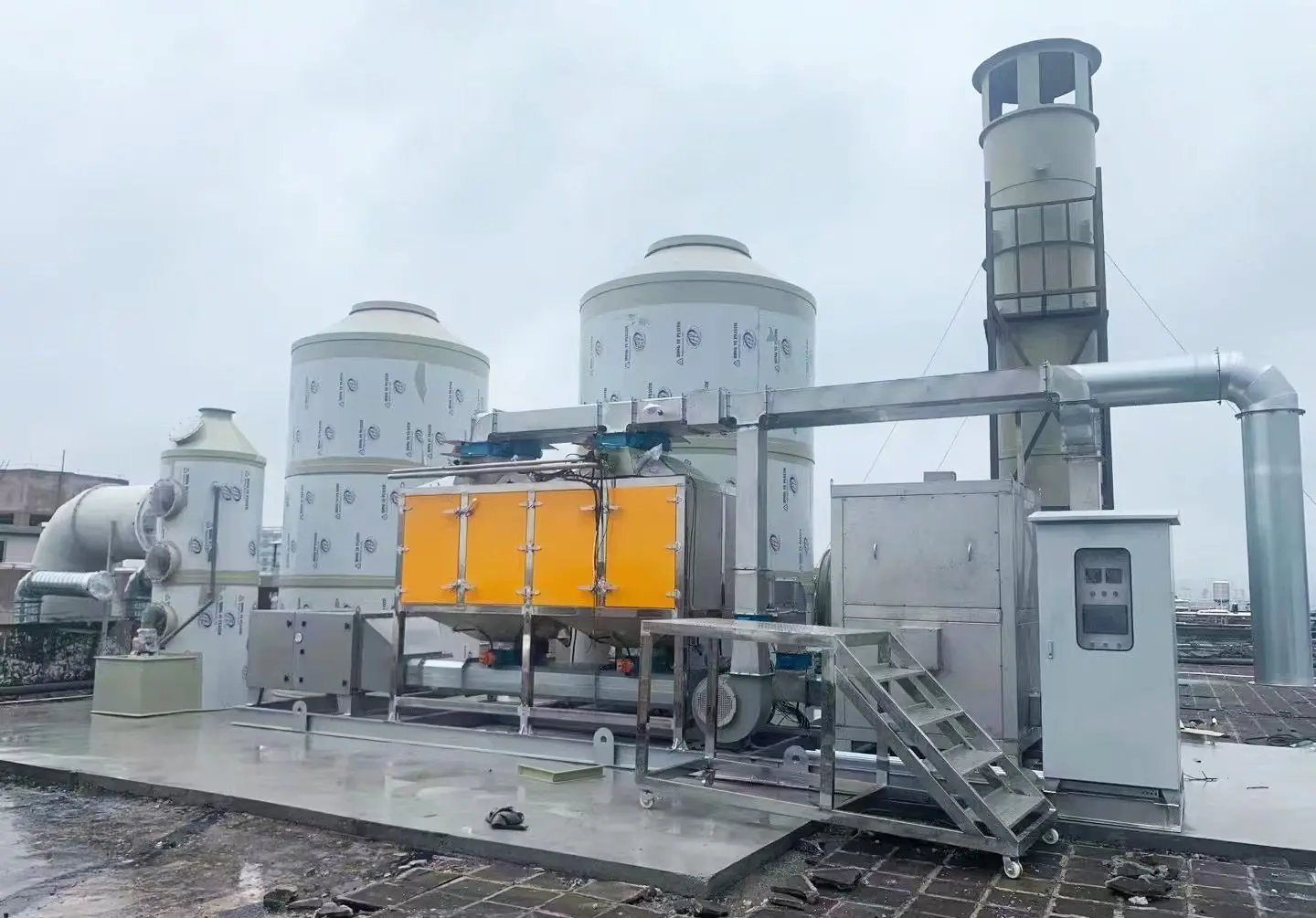
Activated carbon adsorption and desorption and catalytic combustion systems (RCO) are becoming more and more popular in the treatment of VOCs exhaust gas. The combination of activated carbon adsorption and catalytic combustion equipment provides a comprehensive solution for efficient and environmentally friendly treatment of organic waste gas.
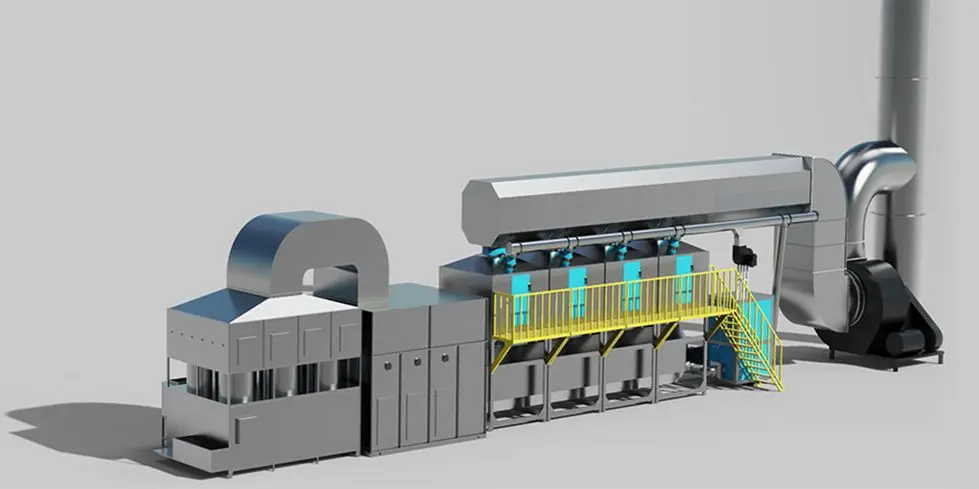
The RCO process can remove multiple organic pollutants at the same time and is an efficient organic waste gas purification method. One of the main advantages of RCO is its simple process flow, compact equipment and reliable operation. In addition, the purification efficiency of RCO is very high, generally reaching more than 95%.
In addition to high purification efficiency, RCO also has the characteristics of low operating costs. With heat recovery efficiencies typically exceeding 95%, RCO systems are a cost-effective option for businesses looking to minimize their environmental impact.
One of the most significant benefits of RCO is that no wastewater is produced during the entire purification process, and no secondary pollution such as NOx is produced. The RCO purification equipment can be used in conjunction with ovens, and the purified gas can be reused directly in the oven heating equipment, providing dual benefits of energy savings and emission reductions.
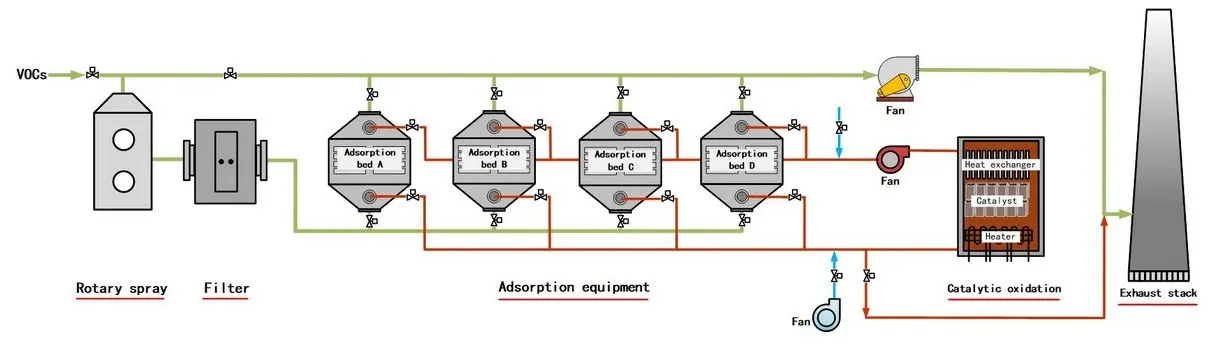
The PLC control system is another significant feature of the RCO system. It can interlock control the activated carbon adsorption bed and catalytic oxidation equipment, as well as electric heating power, flue gas outlet damper control, fan, furnace temperature, pressure, and air direction switching valve signal interlock control.
🔬 Adsorption and Desorption of Activated Carbon
The principles of activated carbon adsorption and desorption processes are crucial for the treatment of volatile organic compounds (VOCs) in exhaust gases. Activated carbon is a highly efficient adsorbent capable of capturing a wide range of organic gases, including benzene, aldehydes, alcohols and hydrocarbons.
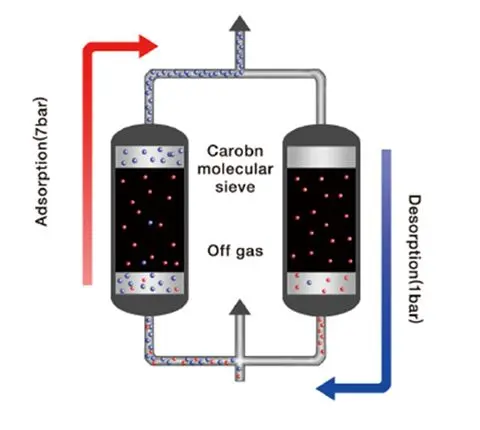
The process starts with exhaust gas pretreatment to remove solid particles and liquid droplets that may clog the micropores of activated carbon. Once the activated carbon reaches adsorption saturation, it must be desorbed and regenerated using catalytic combustion equipment to heat it and release captured pollutants.
🔥 VOCs Catalytic Combustion Treatment Technology
VOCs catalytic combustion is a technology that uses catalysts to promote the oxidation reaction of organic matter at high temperatures. The basic principle is to mix the exhaust gas containing VOCs with oxygen, and then oxidize the VOCs to CO2 and H2O under the action of a catalyst.
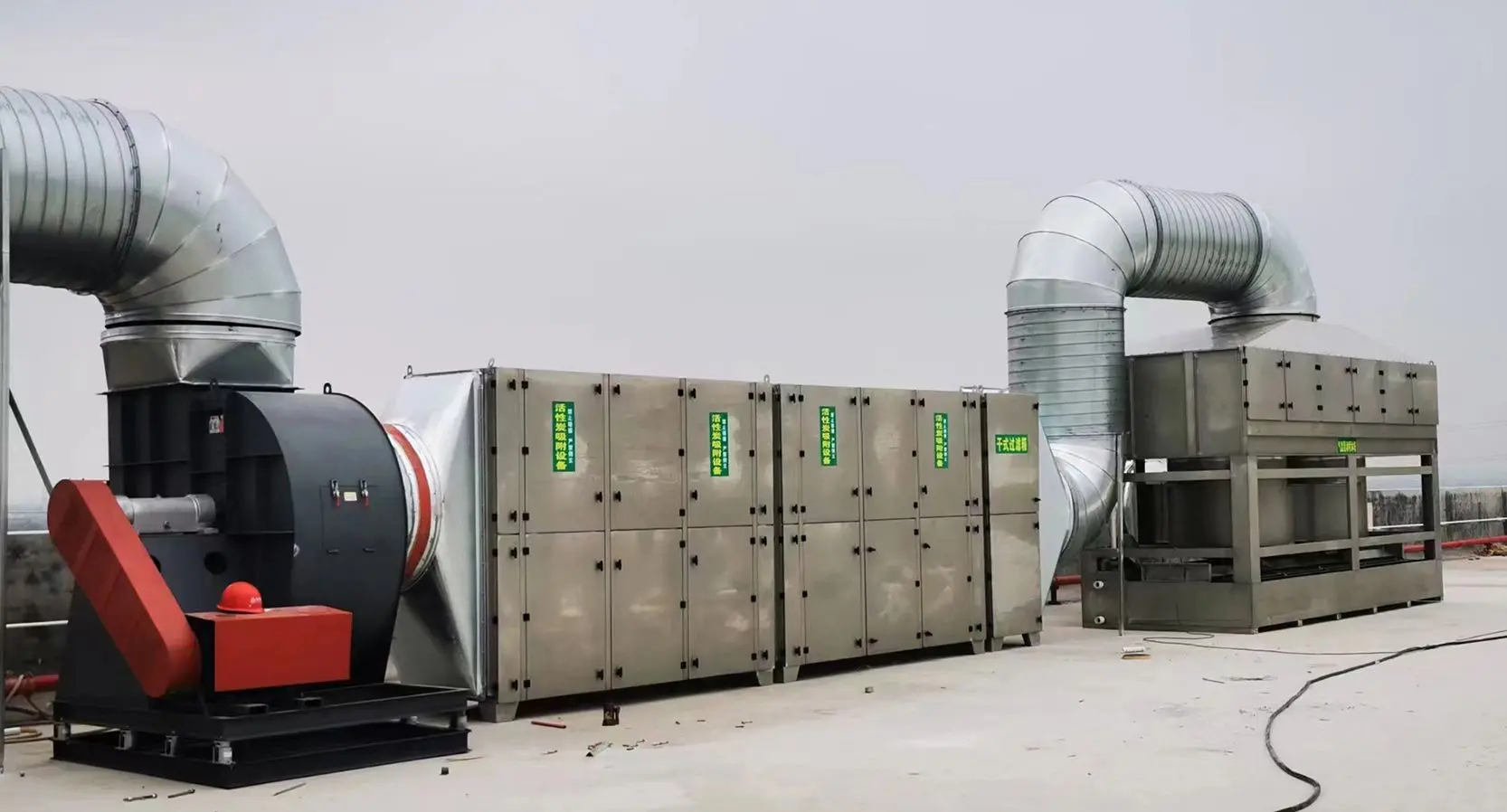
Key technical features include the selection of catalysts (such as platinum, palladium, or non-noble metal catalysts) and the reaction temperature, which usually falls in the range of 200°C to 500°C. Proper selection of reaction temperatures based on the specific VOCs being treated is critical to ensuring the effectiveness of the process.
🌍 Application
VOCs catalytic combustion technology is widely used in printing, painting, chemical manufacturing and other industries. These sectors generate a large amount of VOCs that need to be treated before safe discharge. Even after treatment, the exhaust gas may still be recycled and used to help save energy and reduce emissions.
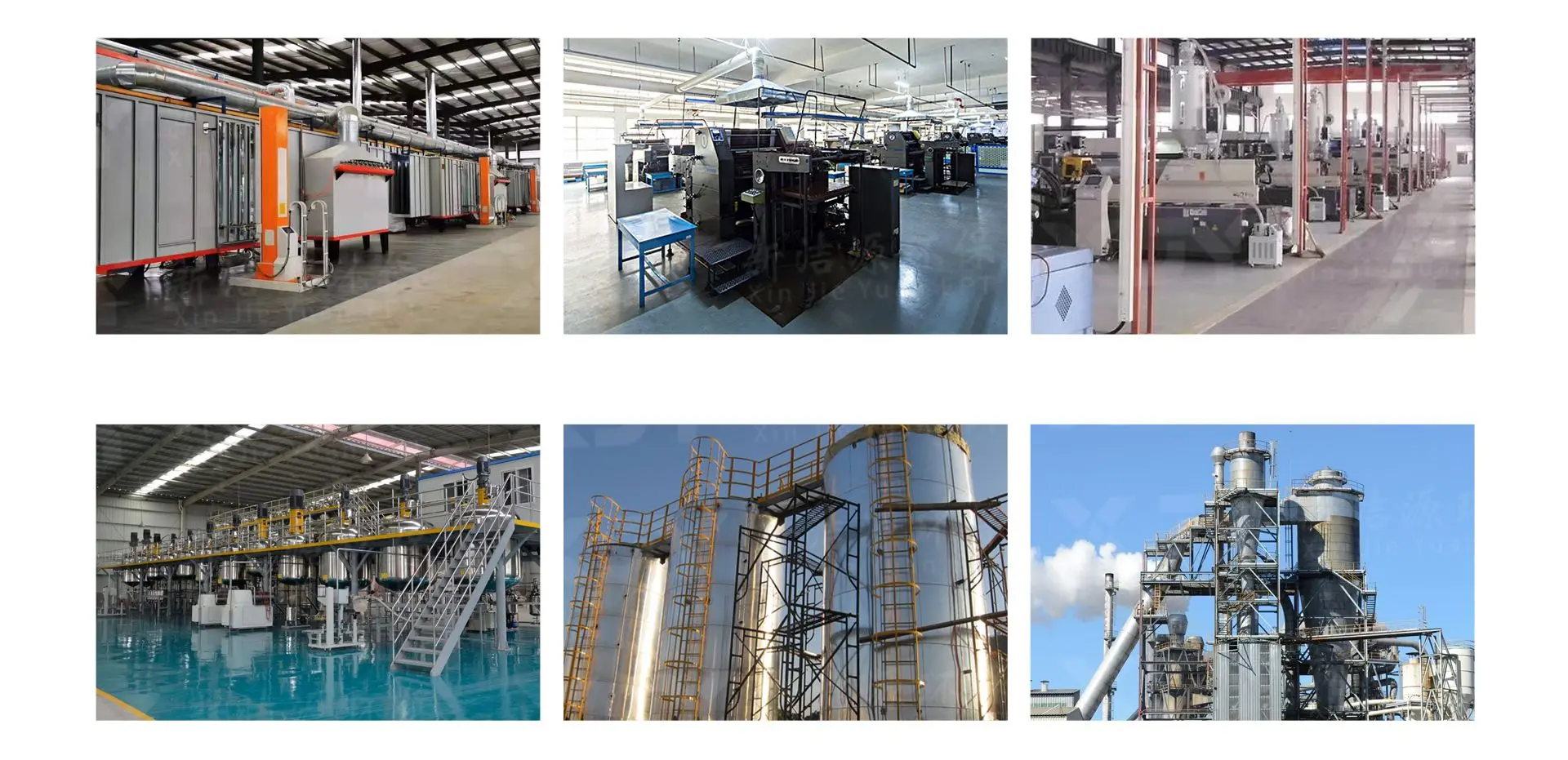
As environmental problems become increasingly serious, the research and application of this technology are crucial to environmental protection. By adopting this technology more widely, industries contribute to protecting the environment and ensuring a sustainable future.
Frequently Asked Questions
1. What is the typical purification efficiency of the RCO system?
The purification efficiency of RCO systems is very high, generally reaching more than 95%, making it ideal for industries looking to comply with environmental regulations.
2. Does the RCO purification process produce secondary pollution?
No, the entire purification process produces no wastewater and no secondary pollution such as NOx, ensuring an environmentally friendly treatment.
3. What types of organic gases can activated carbon effectively adsorb?
Activated carbon is a versatile adsorbent capable of capturing a wide range of gases including benzene, aldehydes, alcohols, hydrocarbons, and certain inorganic gases like sulfur dioxide.
4. What is the standard reaction temperature for VOCs catalytic combustion?
The reaction temperature for catalytic combustion typically falls within the range of 200°C to 500°C to ensure catalyst activity and energy efficiency.
5. In which industries is this technology most commonly applied?
This technology is widely used in industries such as printing, industrial painting, and chemical manufacturing where large volumes of VOCs are generated.
6. How does the PLC system enhance the operation of RCO equipment?
The PLC system provides centralized interlock control over adsorption beds, oxidation equipment, heating power, fans, and valves, allowing for efficient monitoring and timely fault handling.
 XINJIEYUAN