industrial Electrostatic Precipitator Manufacturer, Service

Electrostatic precipitators, commonly abbreviated as ESPs, are advanced air pollution control devices that efficiently remove particulate matter, such as dust and smoke particles, from industrial exhaust gases.

Product Description

Introduction of XJY Electrostatic Precipitator

Electrostatic precipitators, commonly abbreviated as ESPs, are advanced air pollution control devices that efficiently remove particulate matter, such as dust and smoke particles, from industrial exhaust gases. Their effectiveness and reliability have made them a staple in various industries, including power generation, steel production, cement manufacturing, and more.
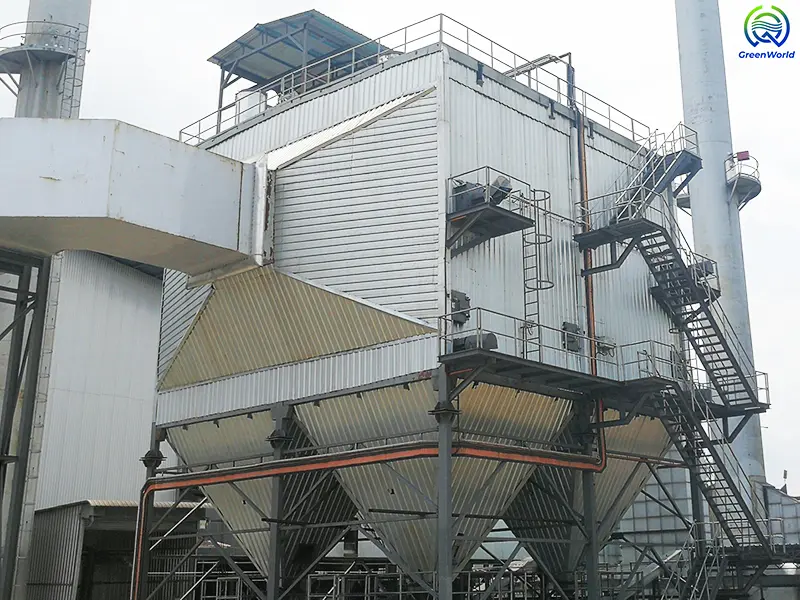
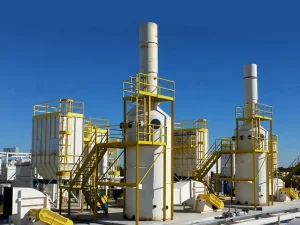
Electrostatic Precipitator

XJY Electrostatic Precipitator Filter Details

An XJY electrostatic precipitator is an air pollution control device that uses electricity to remove suspended particles from an air stream. By charging the particles and then collecting them on an oppositely charged surface, ESPs can effectively capture a wide range of particulate matter, including dust, smoke, and fumes. They are widely used in industries such as power generation, cement manufacturing, and metal processing.

Basic Structure of XJY Electrostatic Precipitation Filter

The XJY electrostatic precipitator consists of two main parts:

  • 🔹 Precipitator Main System: The core structure for dust collection.
  • 🔹 Control System: Includes power supply devices providing high-voltage direct current and low-voltage automatic control systems.

The high-voltage power system is powered by a step-up transformer, while the low-voltage electrical control system manages the temperature of the electromagnetic rapping hammer, ash discharge electrodes, and conveying components.

Characteristics of XJY Electrostatic Precipitators Purifier

Uniform Gas Flow

Achieved by specially designed gas distribution walls confirmed by CFD modeling.

Advanced Electrodes

Equipped with the best discharge electrode type ZT24 for maximum efficiency.

Reliable Rapping

Tumble hammer system provides superior cleaning compared to magnetic or top rapping.

No Ammonia Injection

Optimized design allows operation without the need for ammonia injection.

Key Features & Technology

Compared with other dust removal equipment, the XJY electrostatic precipitator consumes less energy and has higher efficiency, suitable for particles between 0.01-50μm.

Wide-spacing Technology: Increases driving speed by 1.3 times and handles high resistivity dust (10 1 -10 14 Ω-cm), eliminating back corona phenomena.

RS Corona Wire: Reaching up to 15 meters with low starting voltage and high current density, resistant to high temperatures.

Three-Dimensional Suspension: Allows both positive and negative poles to expand freely under high temperatures (up to 390℃).

Insulation System: Features a heat storage double-layer inflatable roof and PTC/PTS heating materials to prevent condensation and creeping.
How Do Electrostatic Precipitators Purifier Work?

  • 1. Charging: High voltage ionizes air, creating a cloud of ions that collide with particles.
  • 2. Particle Charging: Particles become electrically polarized based on charge polarity.
  • 3. Collection: Charged particles migrate to collecting electrodes (large flat plates).
  • 4. Cleaning: Periodic rapping or vibration dislodges accumulated dust into hoppers.

Types of XJY Electrostatic Precipitators

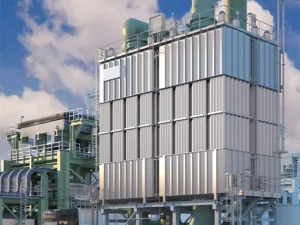
Dry ESP
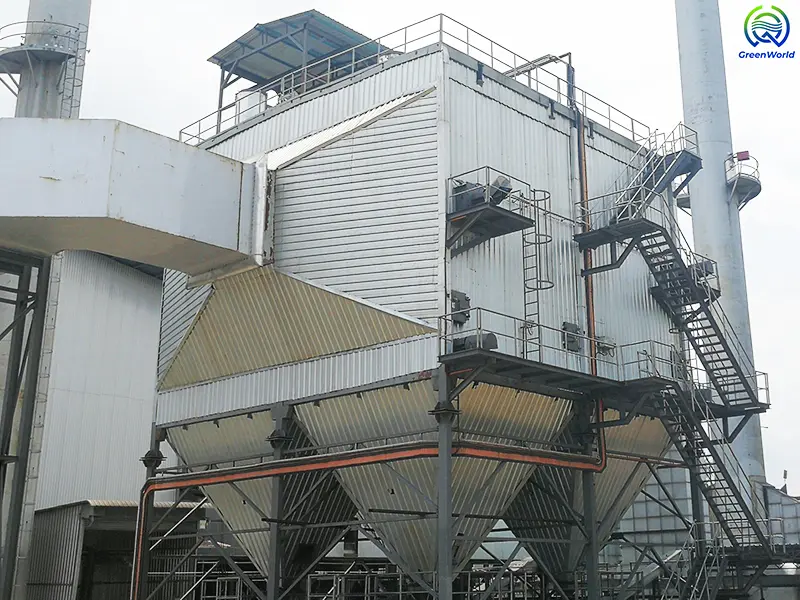
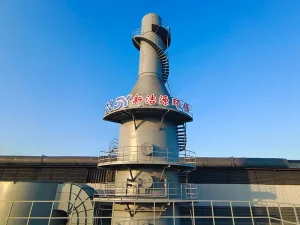
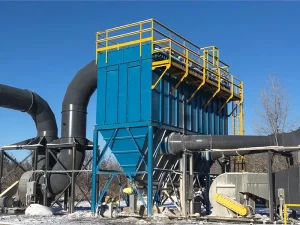
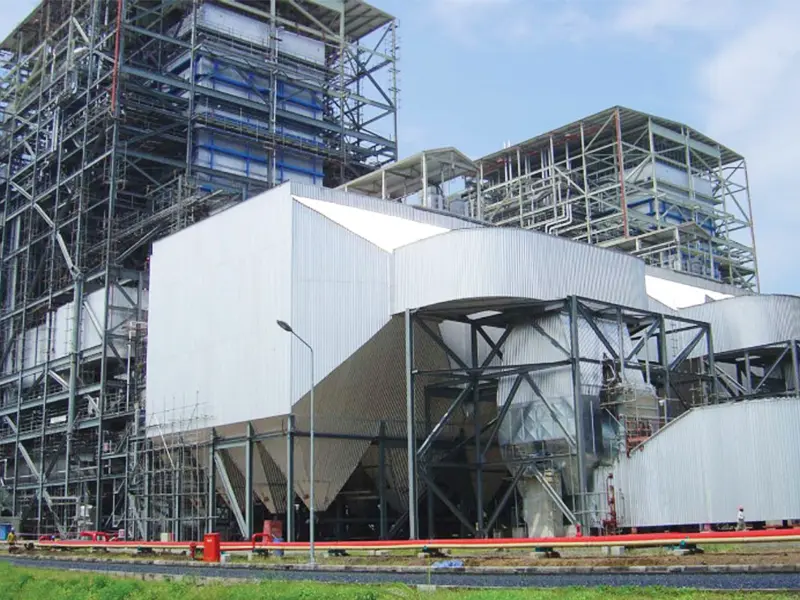
Picture 1: Dry Electrostatic Precipitator
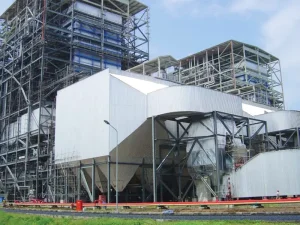
Wet ESP
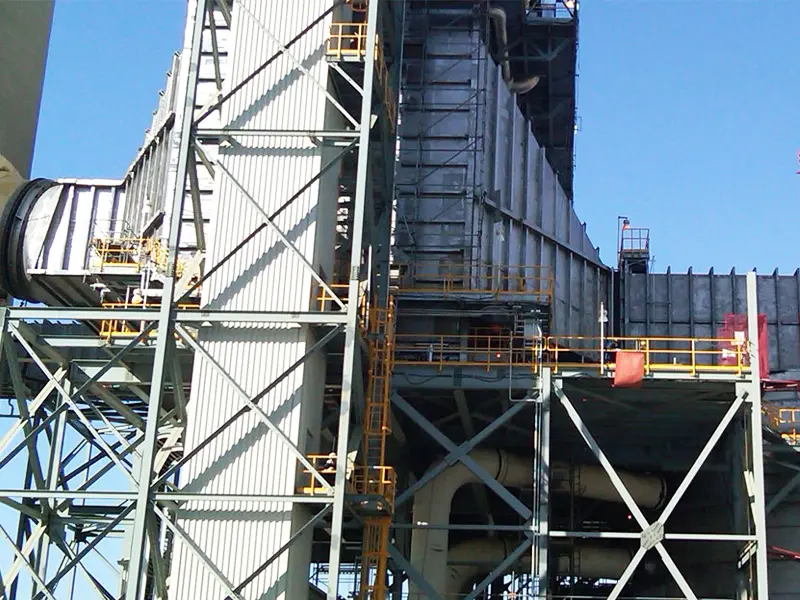
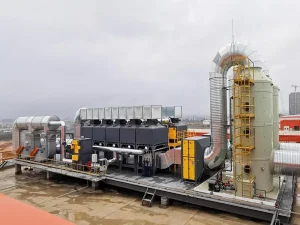
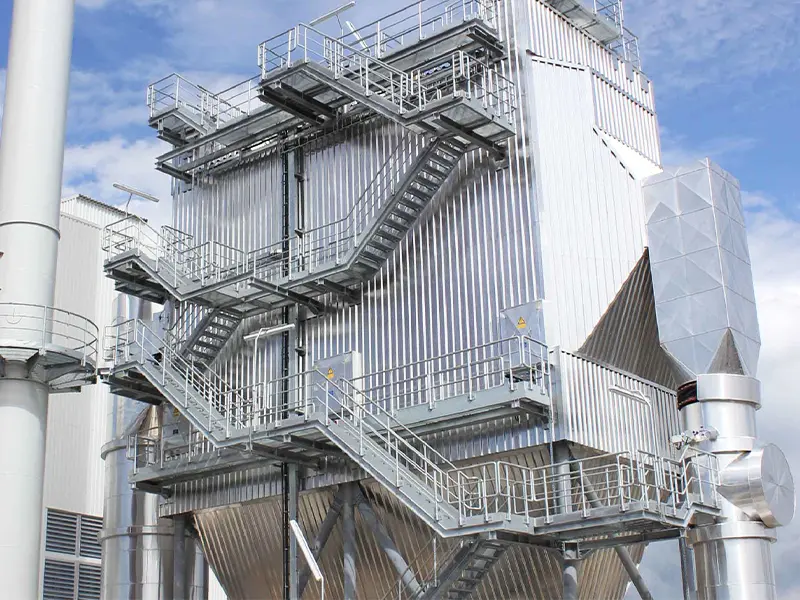
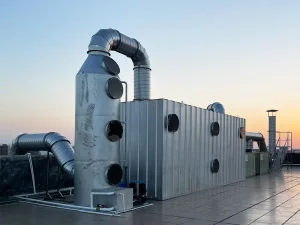
Picture 2: Wet ESP
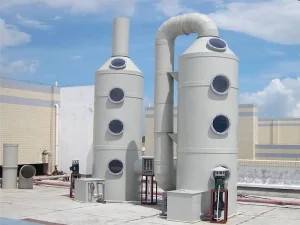
Vertical ESP
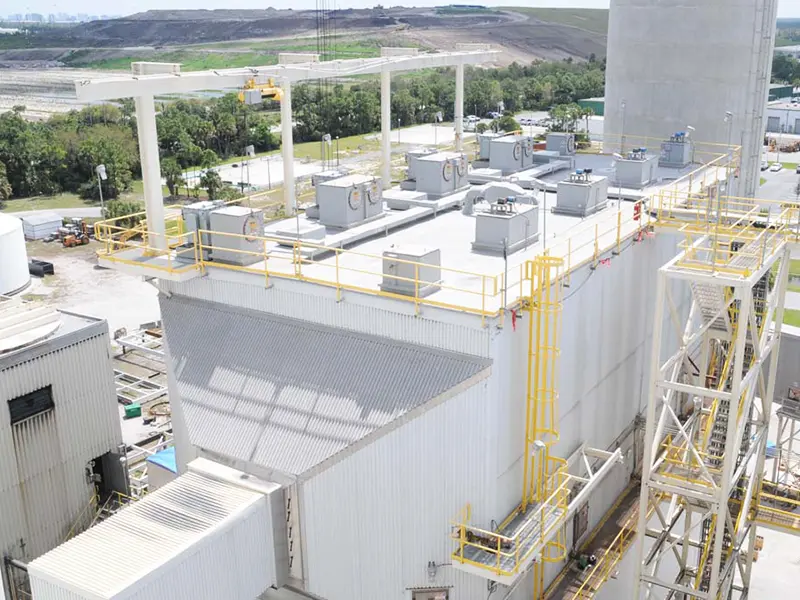
Picture 3: Vertical Electrostatic Precipitator
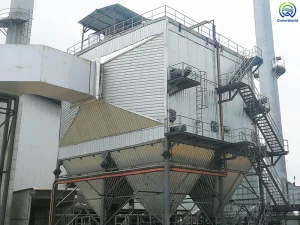
Horizontal ESP
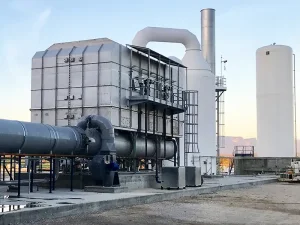
Picture 4: Horizontal Electrostatic Precipitator

Advantages & Applications

Main Advantages:

  • High Efficiency (>99%)
  • Low Pressure Drop
  • Handles extreme particle sizes
  • Longevity and Scalability

Primary Applications:

  • 🏭 Power Generation (Fly ash removal)
  • 🏭 Metal Processing (Steel/Aluminum)
  • 🏭 Cement Manufacturing
  • 🏭 Waste Incineration

Conclusion

Electrostatic precipitators play a critical role in air pollution control across various industries. Their advanced technology, high efficiency, and adaptability make them an important tool in maintaining air quality and meeting environmental regulations. As industries continue to prioritize sustainability, the significance of ESPs will undoubtedly grow.
Frequently Asked Questions

Q: What is the main purpose of an XJY electrostatic precipitator? A: Its main purpose is to remove particulate matter like dust, smoke, and fumes from industrial exhaust gases using electrostatic attraction.
Q: How efficient are XJY ESPs in removing particles? A: These devices are highly efficient, often achieving particle removal rates exceeding 99%, even for submicron particles.
Q: Can these precipitators handle high temperatures? A: Yes, the HHD models feature a three-dimensional suspension structure that allows them to withstand temperatures up to 390℃.
Q: What is the difference between a Dry and Wet ESP? A: Dry ESPs collect dust in a dry state using hammering/rapping, while Wet ESPs use water spraying to enhance collection and remove sticky or hygroscopic particles.
Q: What industries benefit most from using electrostatic precipitators? A: Power generation, steel and aluminum processing, cement manufacturing, waste incineration, and chemical processing plants.
Q: How is the maintenance and cleaning of the plates handled? A: Plates are periodically cleaned using rapping (vibration methods) or water spraying to dislodge the accumulated dust layer into collection hoppers.

Related Products