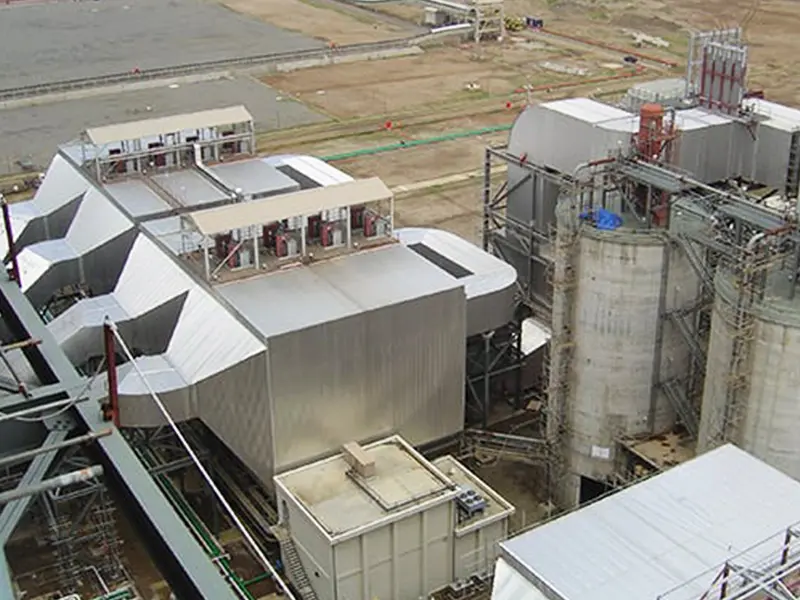
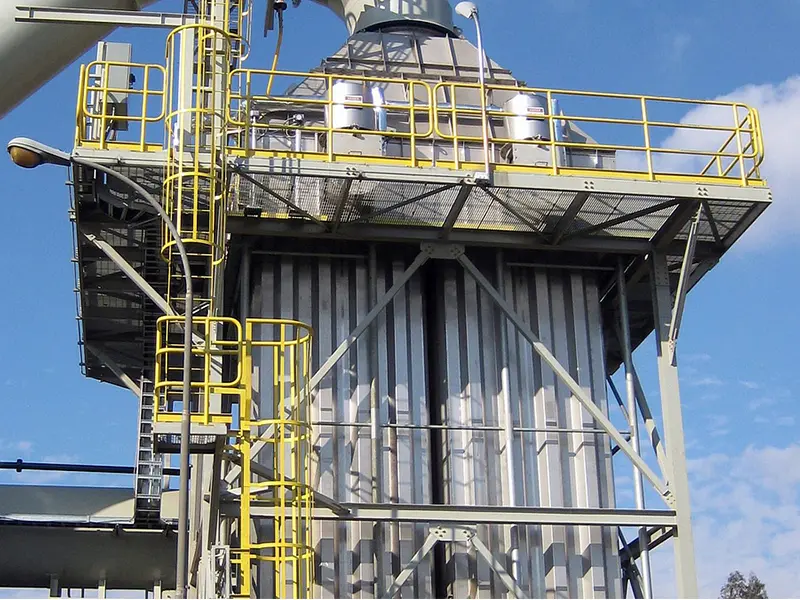
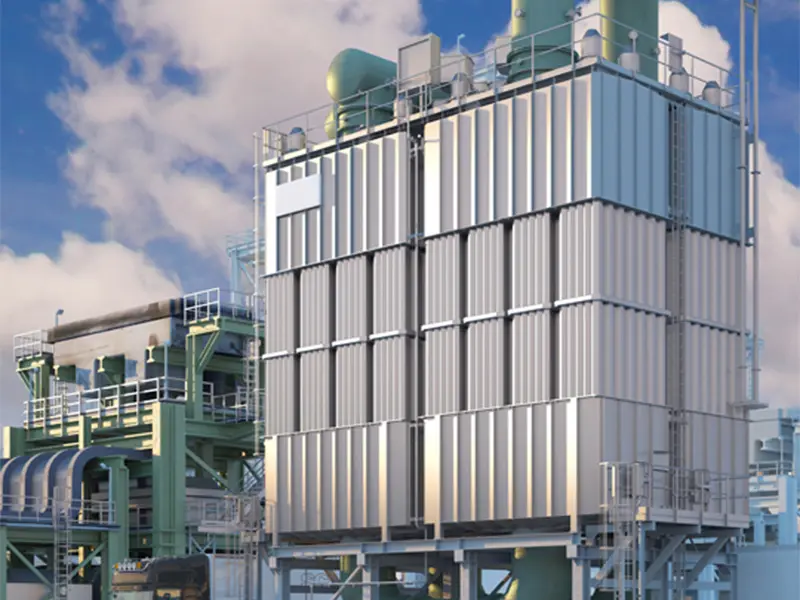
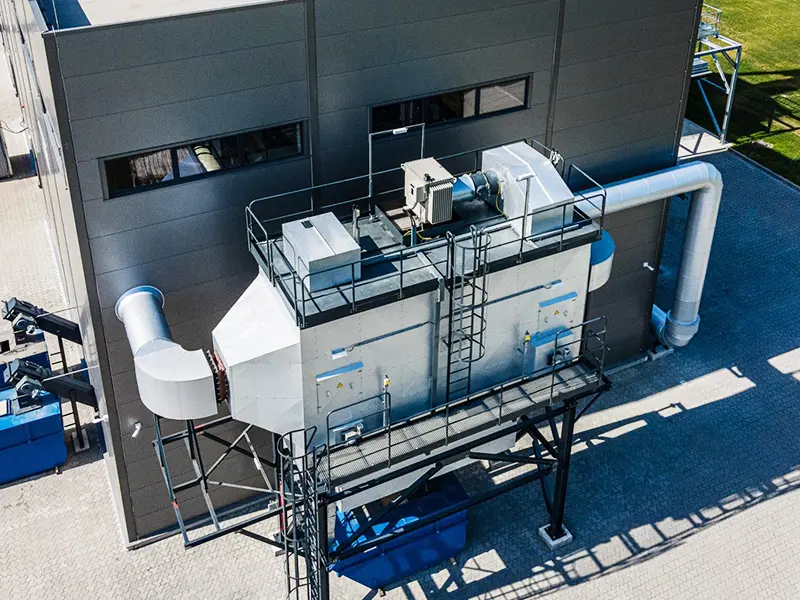
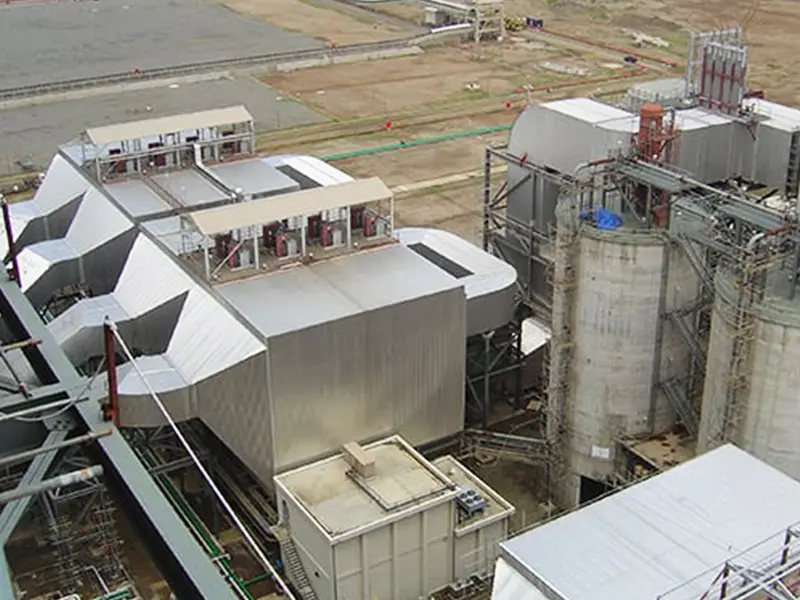
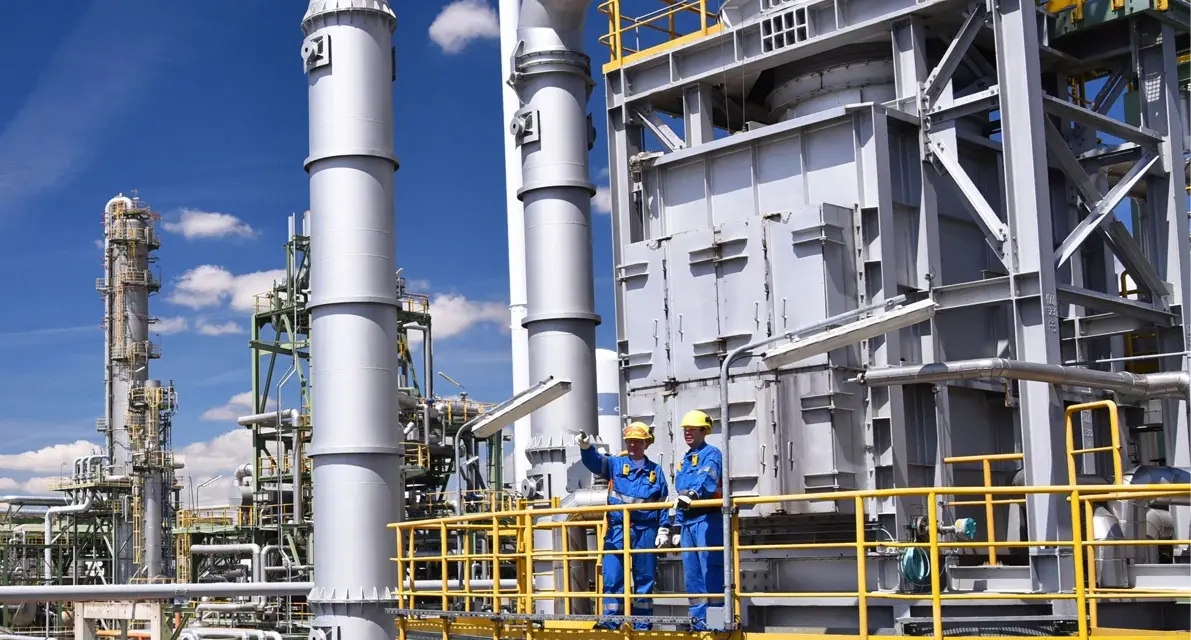
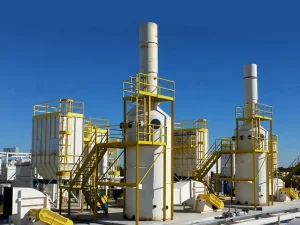
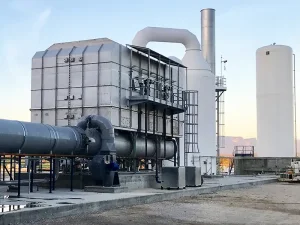
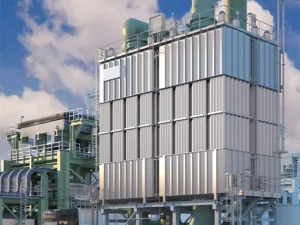
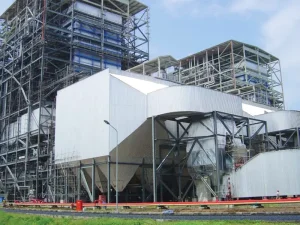
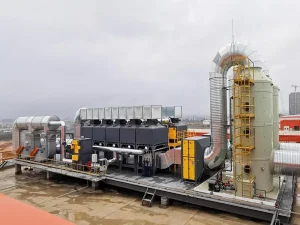
Classification of Electrostatic Precipitator
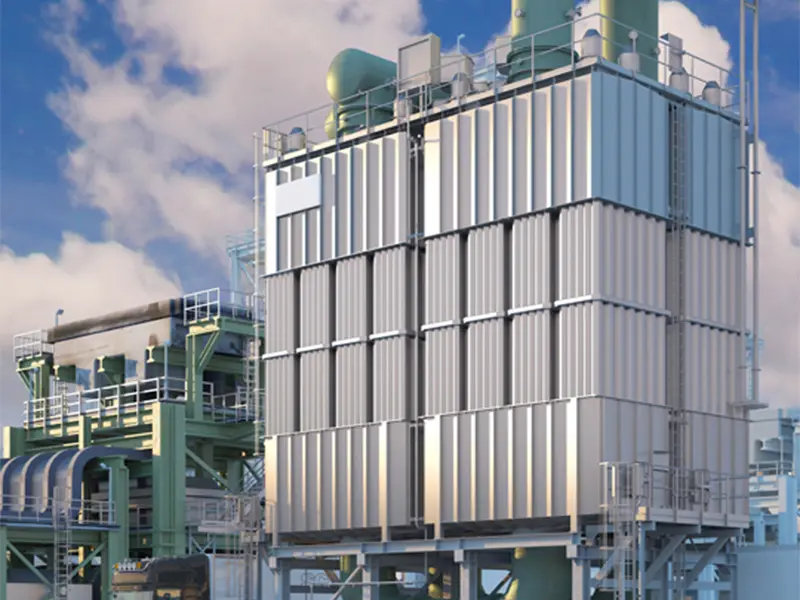
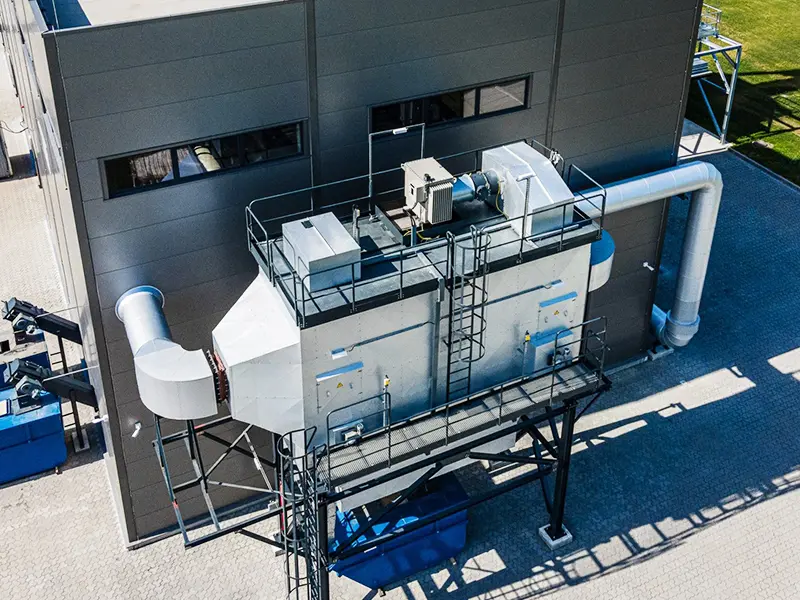
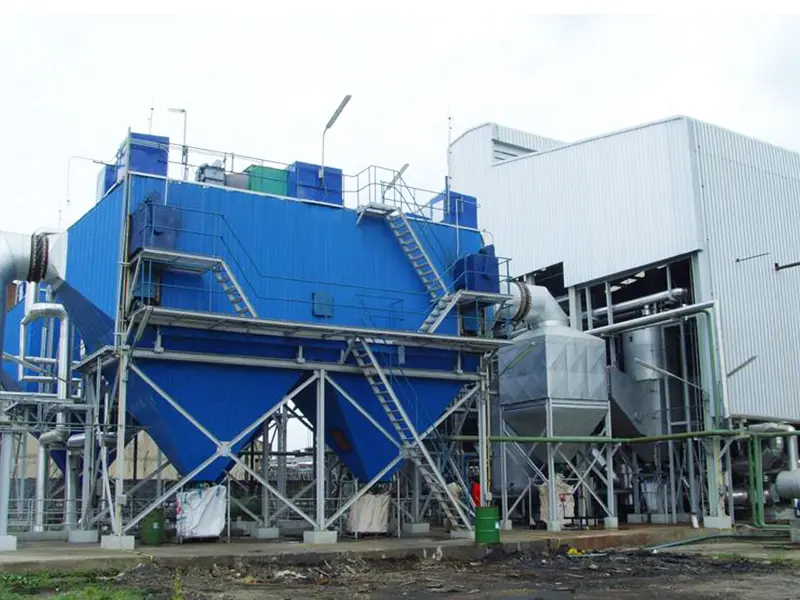
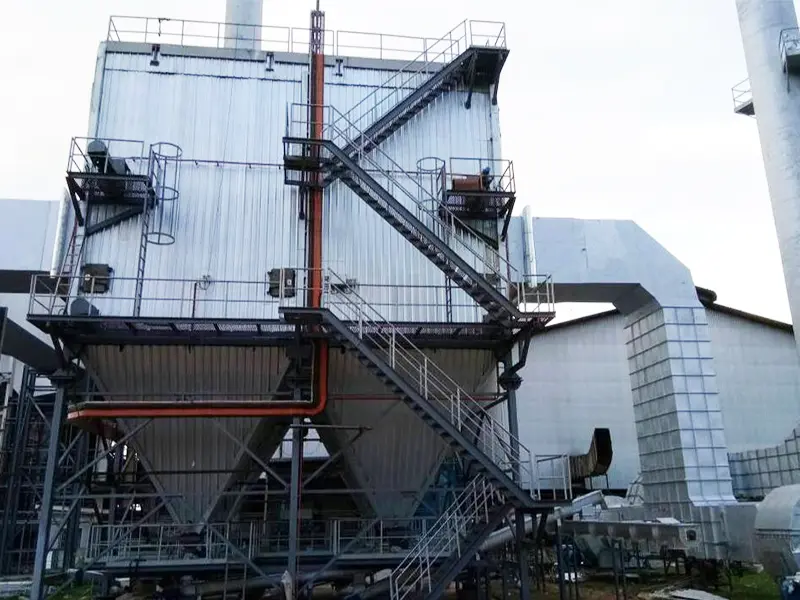
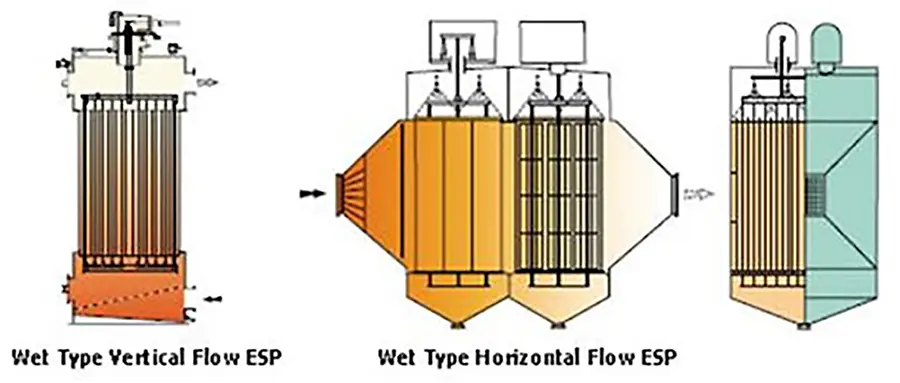
According to different cleaning methods, electrostatic precipitators can be divided into four primary types:
■
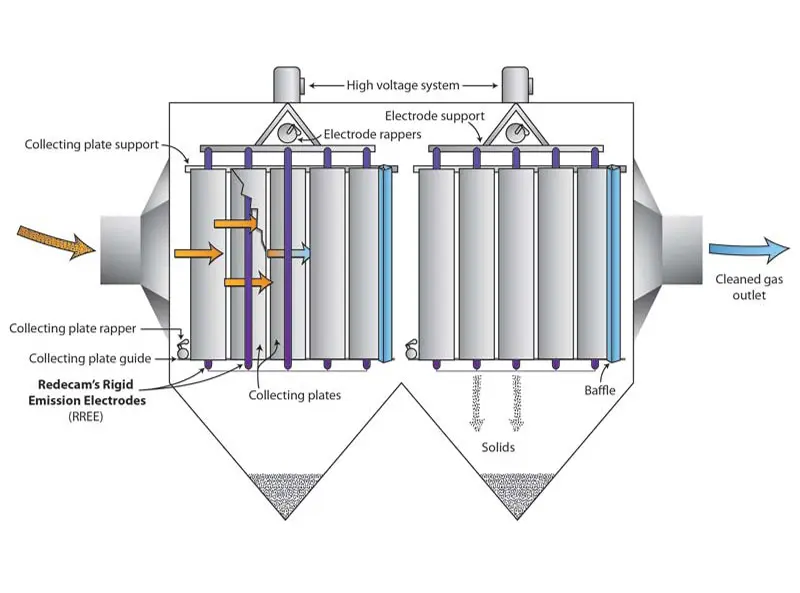
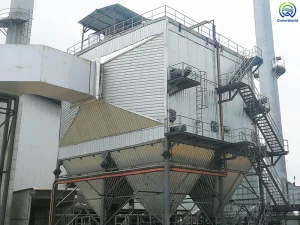
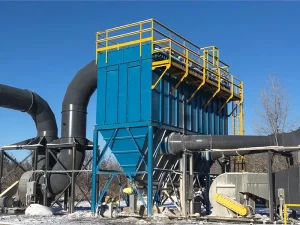
Dry Electrostatic Precipitator: Captures dust in a dry state. Dust deposited on the collecting board is cleaned via mechanical or electromagnetic vibration.
■
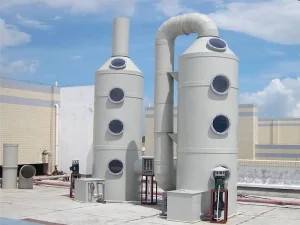
Wet Electrostatic Precipitator (WESP): Uses water spray or a water film on the dust collecting pole. Dust flows with the water to the lower discharge part.
■
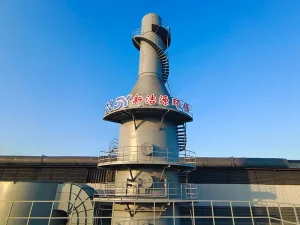
Fog Particles Electrostatic Defogger: Specifically designed to capture liquid droplets like sulfuric acid fog and tar fog.
■
Semi-wet Electrostatic Precipitator: Combines dry and wet advantages. High-temperature flue gas passes through dry chambers first, followed by wet removal chambers.
Working Principle of Wet Electrostatic Precipitator
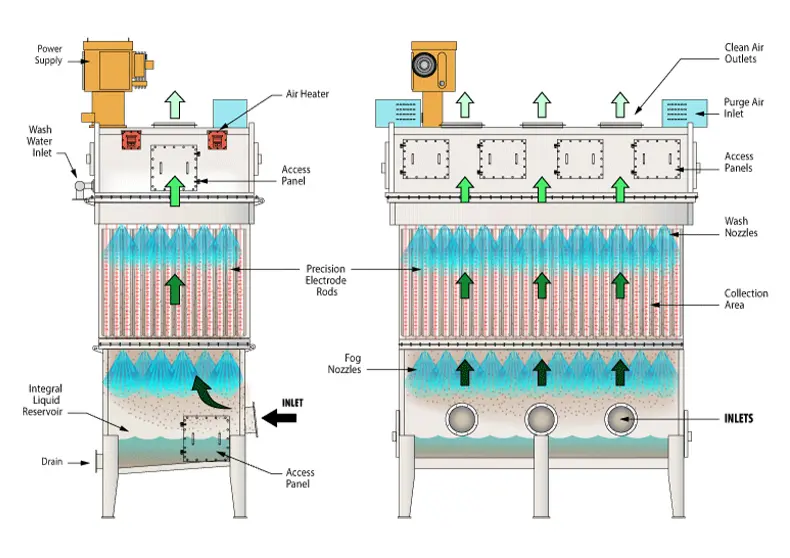
The WESP effectively purifies air by combining water spray and electrostatic effects. The process involves:
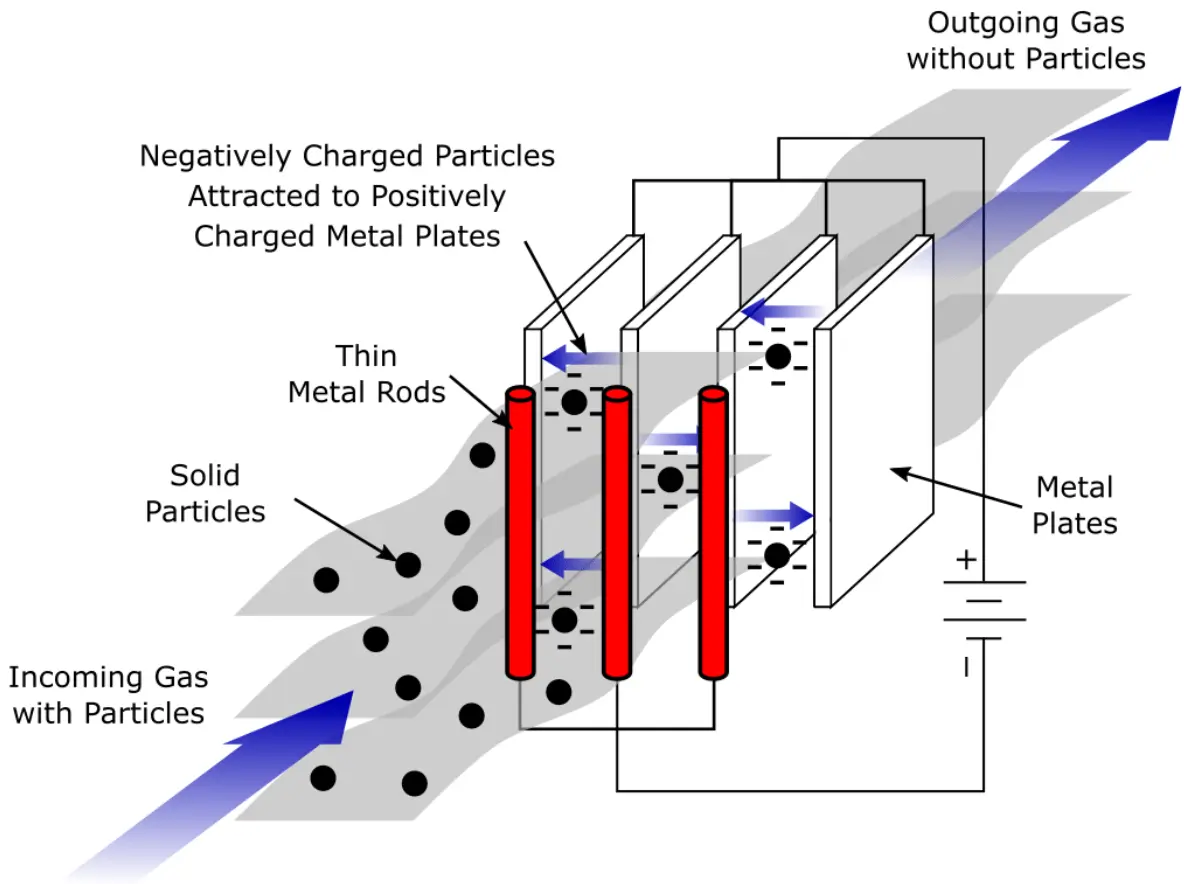
1.Particulate matter enters the air flow with static electricity.
2.Air passes through a water spray chamber for humidification.
3.Particles adsorb to water droplets, becoming heavy and sinking.
4.Sedimentation tanks separate the particles from the air flow.
5.An electrostatic field enhances dust removal by charging the spray particles.
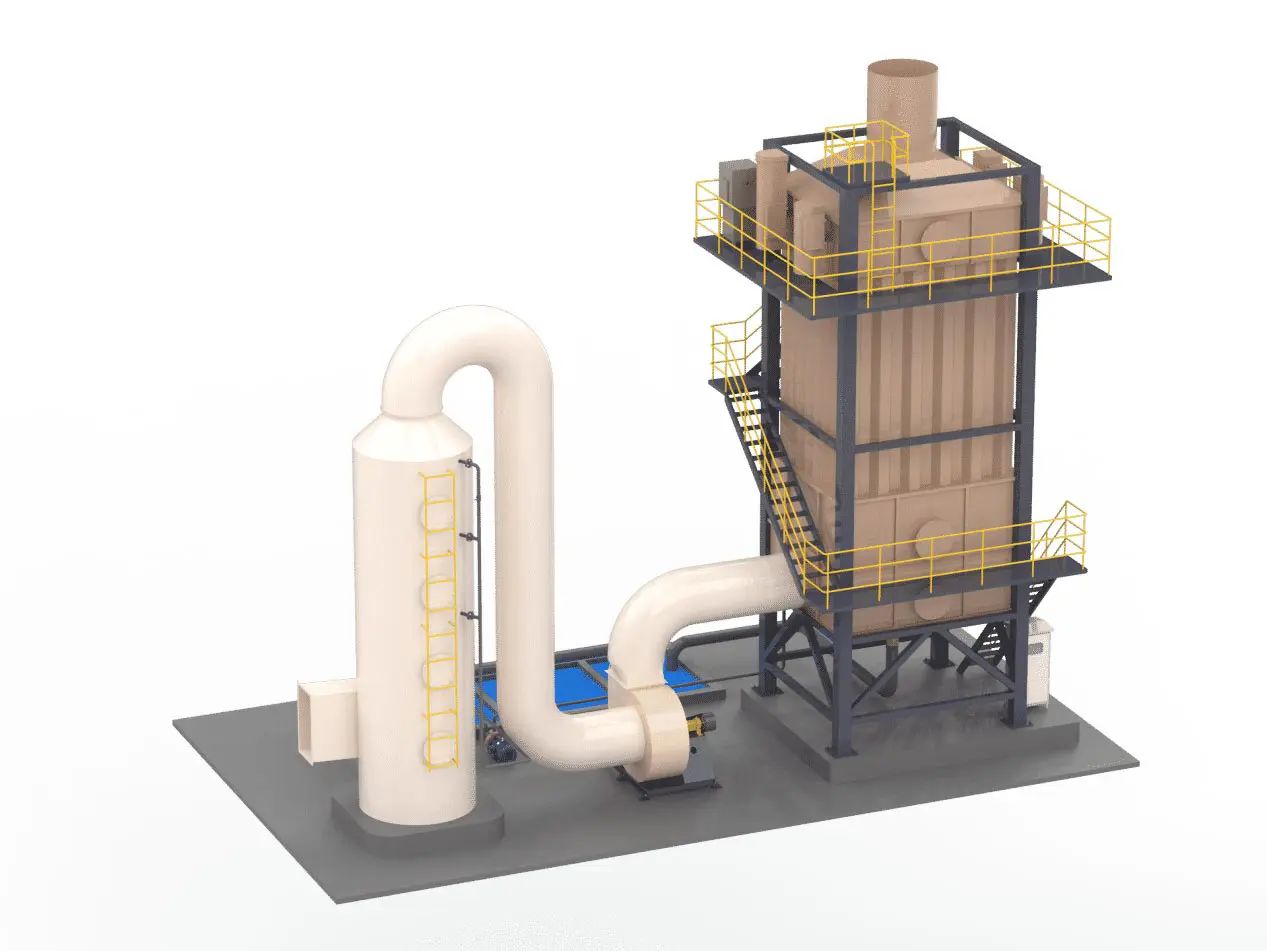
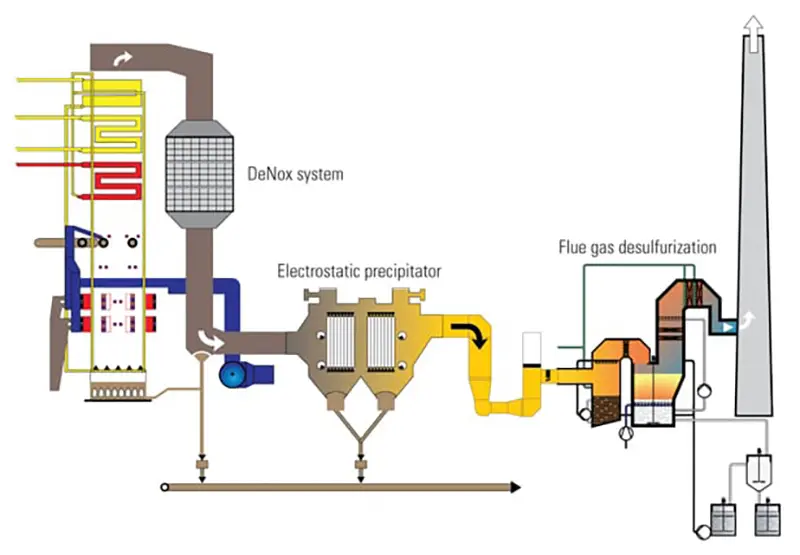
Wet electrostatic precipitators serve as secondary dust removal equipment, ideal for controlling PM2.5, aerosols, odors, and acid fogs. They are generally structured as plate or tube types, using carbon steel with protective coatings.
Composition of Wet Electrostatic Precipitator
A standard WESP system integrates several critical subsystems:
●Cathode System: Composed of bearing beams and cathode lines (usually sawtooth lines) designed for strong discharge and corrosion resistance.
●Anode System: Often uses hexagonal flame-retardant glass fiber reinforced plastic tube bundles as dust collection poles.
●Atomizing & Washing System: Formulates a water film on the collection electrode to prevent "secondary flying" of dust.
●Water Treatment System: Includes circulating pumps, alkali storage tanks (for pH adjustment), and industrial water management.
●Electric Control System: Features high and low voltage control cabinets to automate heating and corona field formation.
Performance Factors & Daily Maintenance
The efficiency of an electrostatic precipitator is primarily influenced by dust properties, equipment structure, and flue gas velocity. Key physical mechanisms include:
Key Capture Mechanisms: Condensation, Obstruction, Inertial Impact, Electrostatic Charging, and Brownian Diffusion.
Maintenance Checklist:
✔Monitor voltage and current every hour.
✔Ensure high-voltage oil temperature remains below 80°C.
✔Regularly check lubrication for motors and reducers.
✔Replace discolored silicone dryers immediately.
Frequently Asked Questions (FAQ)
What are the main types of electrostatic precipitators?
They are classified into four types based on cleaning methods: Dry, Wet (WESP), Fog Particle Collectors, and Semi-wet electrostatic precipitators.
What pollutants can a Wet Electrostatic Precipitator (WESP) remove?
WESPs are highly effective at removing trace dust, micro-particles (PM2.5), aerosols, odors, acid fogs, and water droplets from wet gases.
How does dust resistance affect performance?
If resistance is too low, particles won't stay on the collection electrode. If it's too high, the charge won't release easily, causing local breakdown. Both scenarios reduce removal efficiency.
Why is the atomizing system important in a WESP?
The atomizing system keeps electrodes clean, prevents "secondary flying" of dust, and ensures strong corona discharge by forming a uniform water film.
What is the standard operating voltage for these units?
The operating voltage of an electrostatic precipitator should generally be maintained between 40kV to 75kV, sometimes reaching up to 100kV for maximum efficiency.
What are the key maintenance requirements for the power supply?
Operators should monitor voltage/current hourly and ensure the oil temperature in high-voltage silicon rectifiers does not exceed 80°C.
 XINJIEYUAN