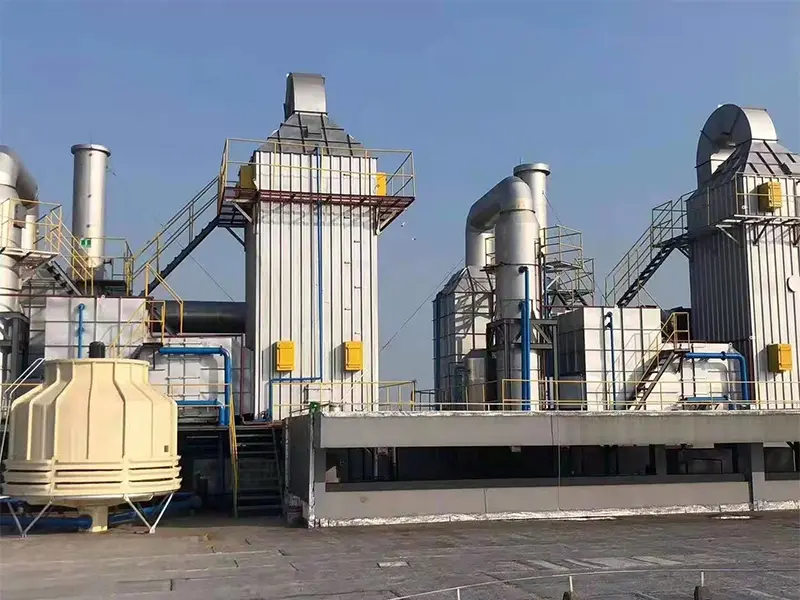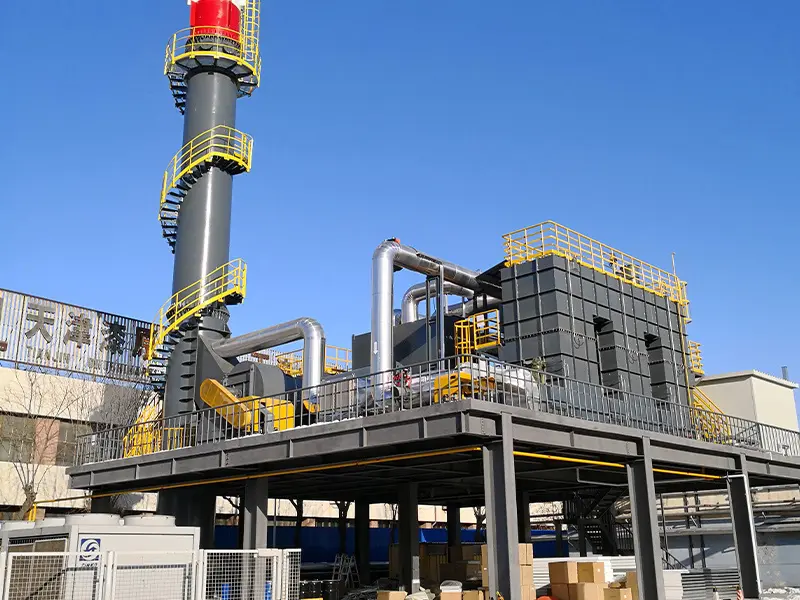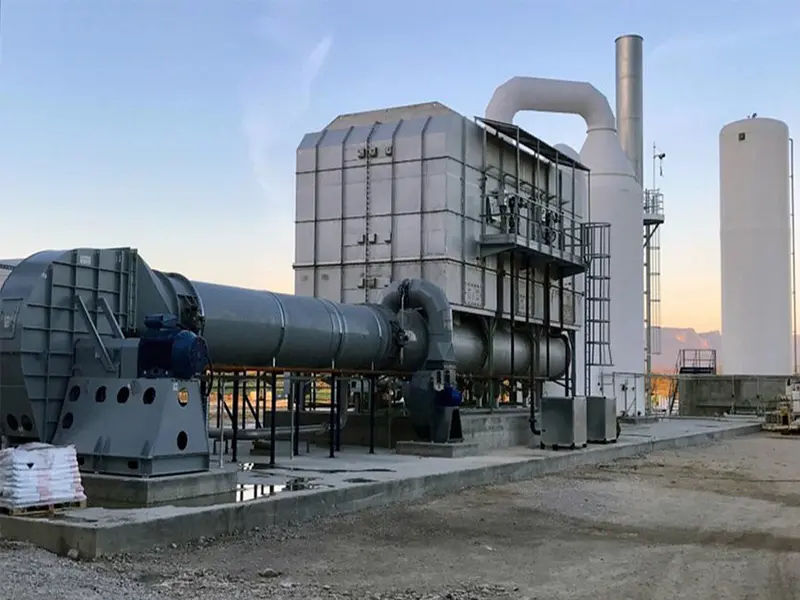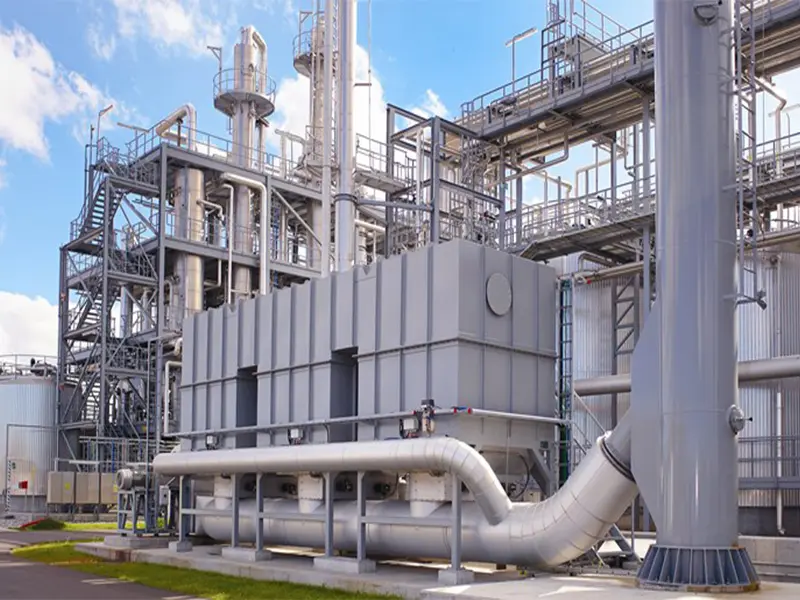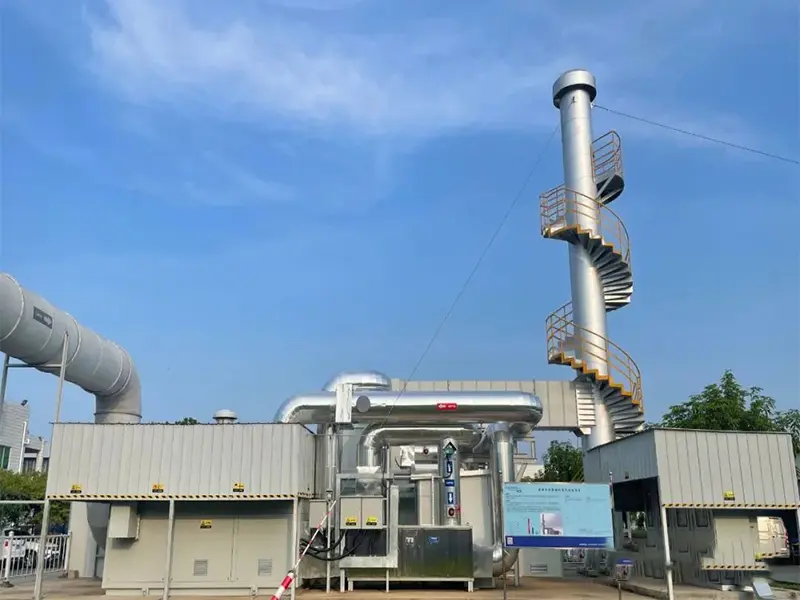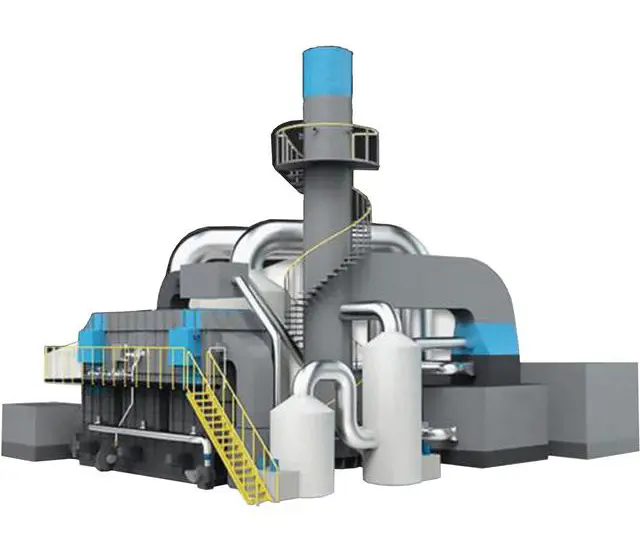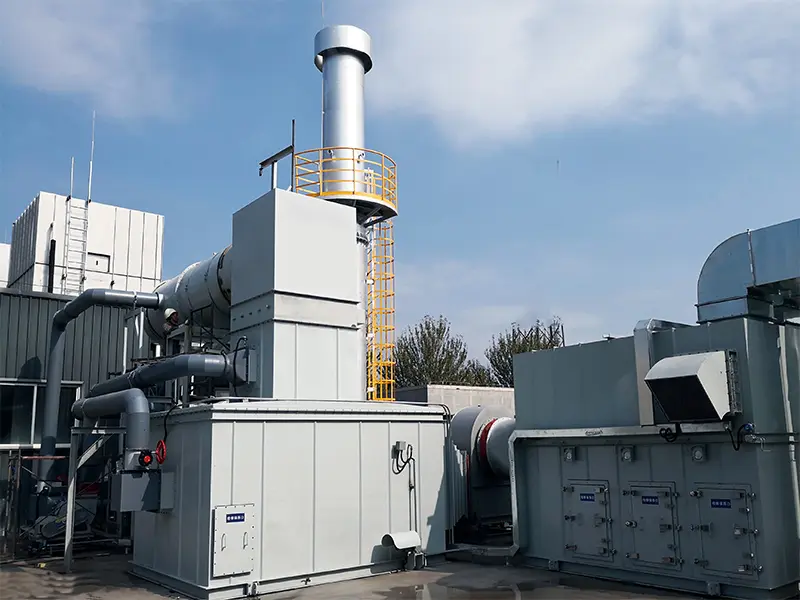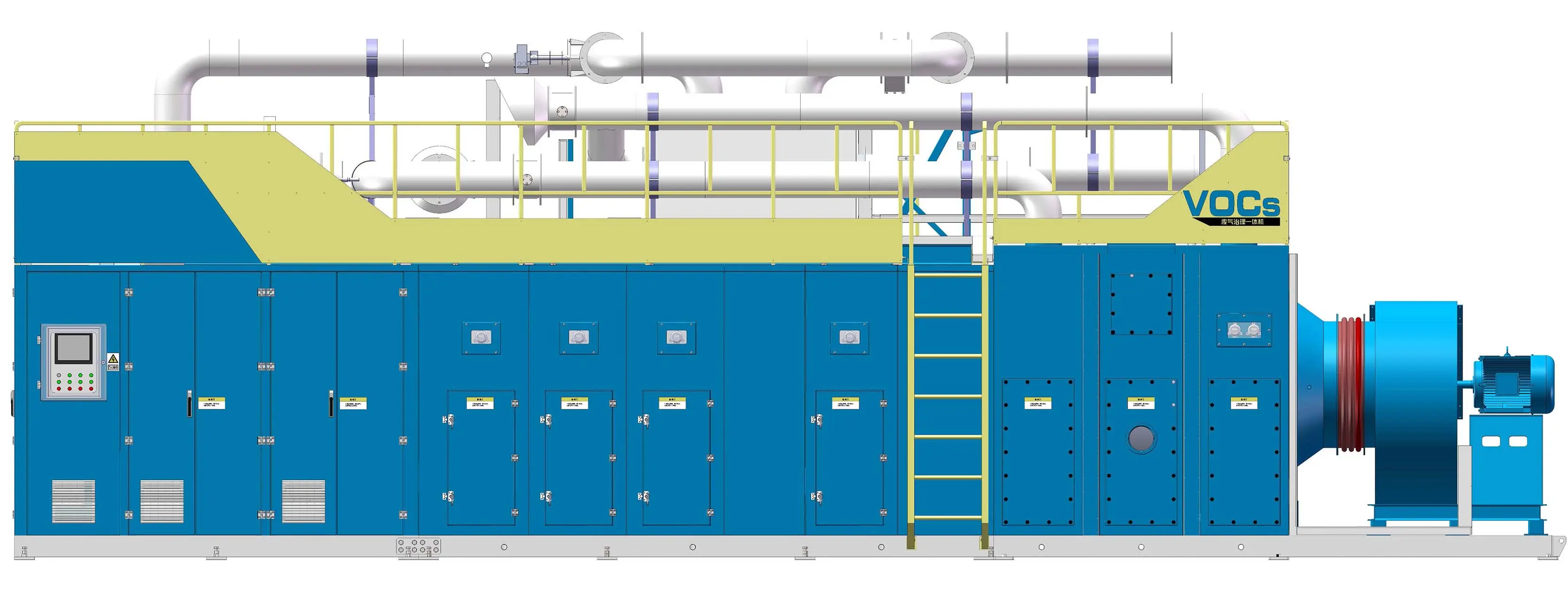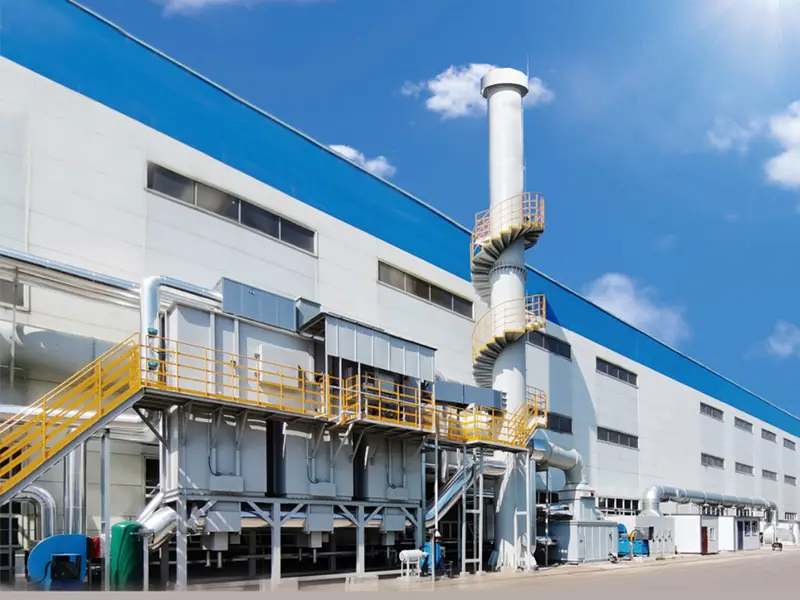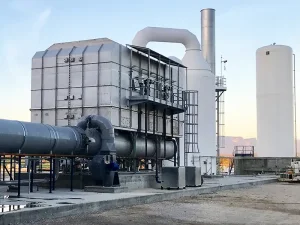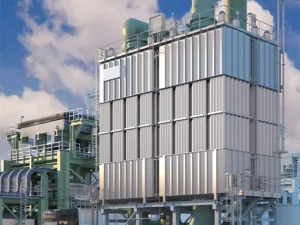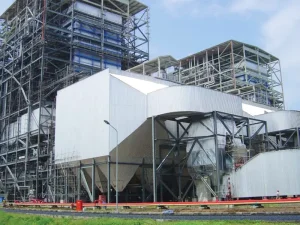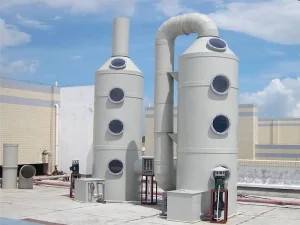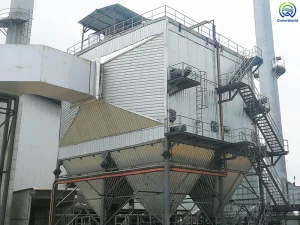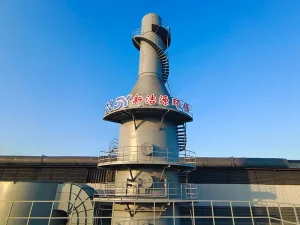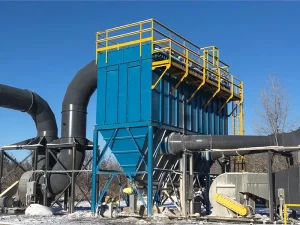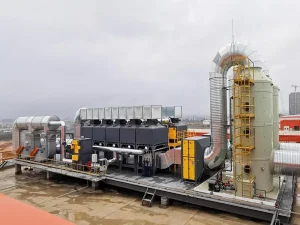
Key Benefits: The combination of zeolite rotor concentration device and catalytic combustion technology provides many advantages for VOCs exhaust gas treatment and tail gas treatment.
The integrated use of these technologies ensures a dual purification effect, efficiently removing organic matter and pollutants. This process ensures treated gases comply with strict environmental regulations and standards.
One major benefit is high efficiency coupled with low energy consumption. Catalytic combustion technology converts organic matter into harmless CO2 and water vapor, facilitating energy recovery and sustainable resource utilization.
New Process: Adsorption Concentration + Catalytic Combustion
Traditional waste gas treatment often struggles with complex VOC compositions. The new adsorption separation concentration + combustion decomposition method addresses low-concentration, high-emission pollutants economically and effectively.
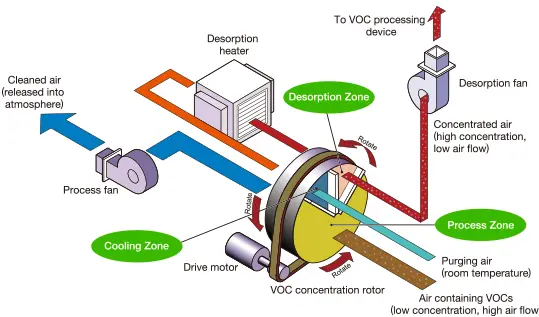
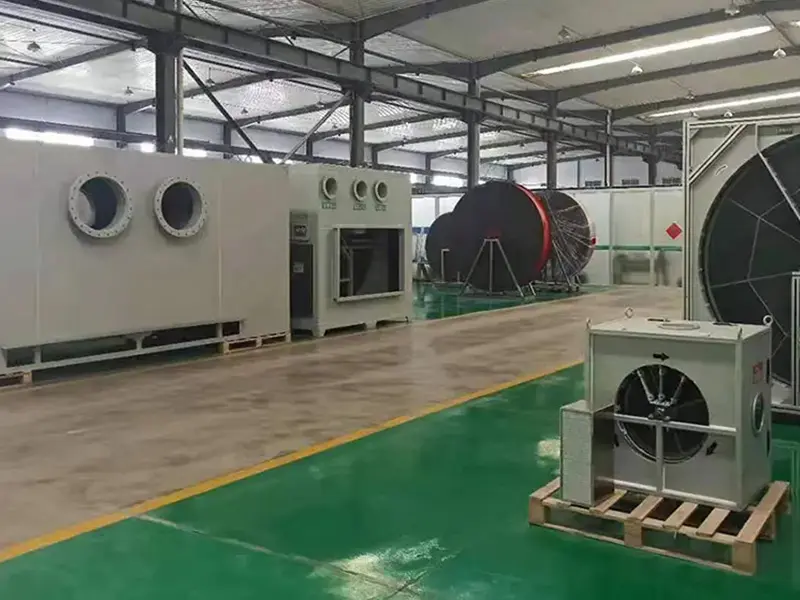
The core zeolite rotor system features a honeycomb structure divided into cooling, adsorption, and regeneration zones. High-temperature resistant fluororubber seals prevent leakage, while the motor ensures steady rotation at 3-8 rpm.
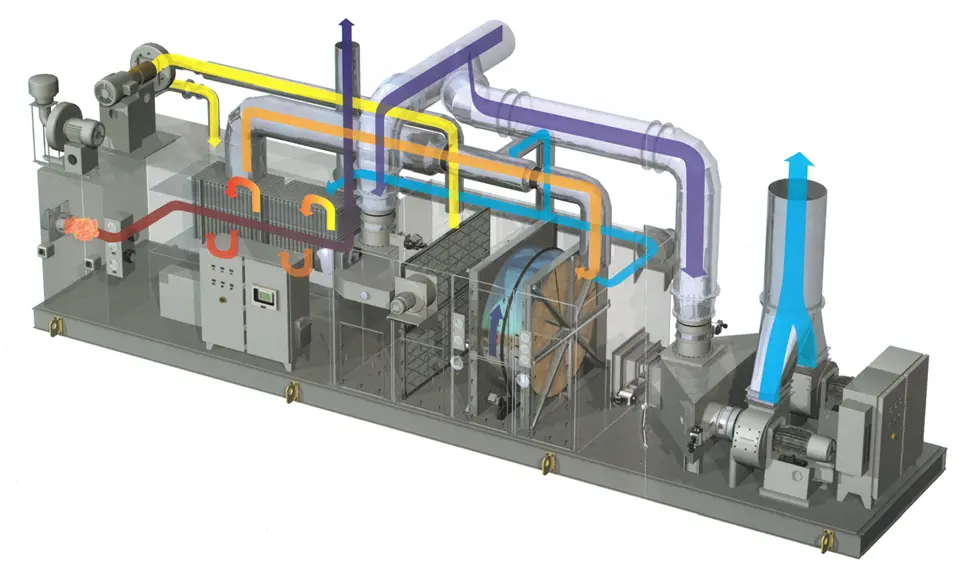
Operating Principle of Zeolite Rotor + Catalytic Oxidation
01
Adsorption: Gas passes through adjustable zeolite pores for highly selective molecular adsorption.
02
Desorption: Hot air from the regeneration zone desorbs VOCs at controlled temperatures.
03
Combustion: Concentrated gas enters the catalytic device for low-temperature oxidation (200-450°C).
Zeolite is non-flammable, allowing high desorption temperatures for high-boiling exhaust components. The operating power for desorption is approximately 60kW, making the system energy-efficient.
Finally, the zeolite rotor is reheated and cooled by a fan to restore its adsorption efficiency, completing the cycle. This continuous loop provides a sustainable solution for air pollution control.
Frequently Asked Questions
What is a Zeolite Rotor Concentrator?
It is an innovative system using a honeycomb rotor to adsorb and concentrate VOCs from industrial exhaust, turning large volumes of low-concentration gas into small volumes of high-concentration gas for easier treatment.
How does catalytic combustion save energy?
By concentrating the VOCs first, the catalytic combustion process requires significantly less fuel or electricity to reach the required oxidation temperature (200-450°C), allowing for efficient energy recovery.
What types of gases can this technology treat?
This system is designed specifically for Volatile Organic Compounds (VOCs), including those with high boiling points, thanks to the non-flammable nature and adjustable pore size of the zeolite media.
What is the rotation speed of the zeolite wheel?
The motor promotes a slow and steady rotation of the rotor at a speed of 3 to 8 revolutions per hour (rpm) to ensure complete adsorption and regeneration cycles.
Why is zeolite used instead of traditional carbon?
Zeolite maintains high adsorption capacity even at high temperatures and is non-flammable, which allows for higher desorption temperatures and safer operation compared to traditional carbon-based systems.
Is the system easy to maintain?
Yes. Both the zeolite rotor and catalytic combustion components are based on stable physical and chemical principles, making them relatively simple to operate and manage within industrial settings.