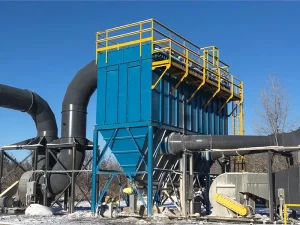
Modern industrial production requires advanced engineering to address particulate matter emission standards. As regulatory frameworks enforce near-zero emissions targets globally, Electrostatic Precipitators (ESPs) and Wet Electrostatic Precipitators (WESPs) have emerged as the standard technologies for high-volume, sub-micron particle filtration. Operating at high efficiencies, these systems use electrostatic charges to capture fly ash, acid mist, heavy metals, and organic aerosols from exhaust streams.
Did you know? Traditional mechanical filtration struggles to capture sub-micron particles (PM2.5 and PM0.1). By utilizing a corona discharge field to charge particles, electrostatic dust removal systems can achieve collection efficiencies exceeding 99.9% while maintaining a low pressure drop, saving substantial fan energy costs over the system lifecycle.
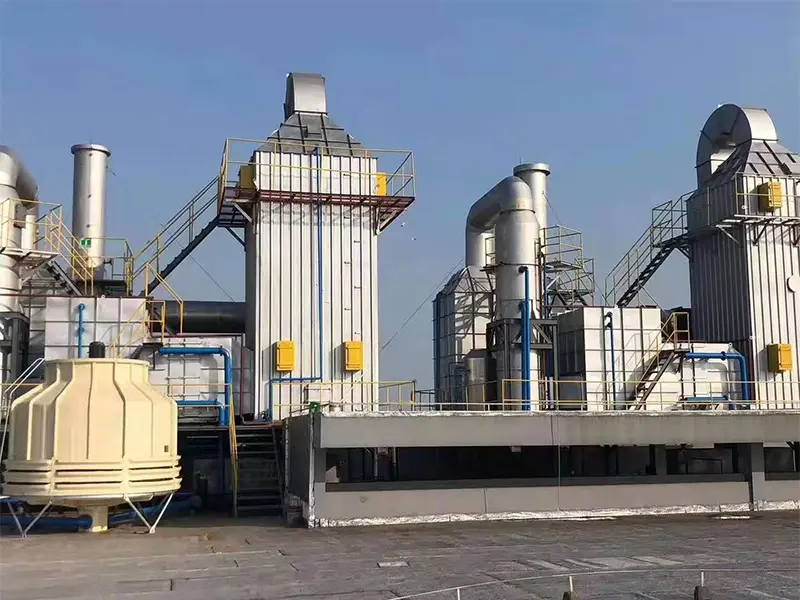
Guangdong Xinjieyuan Environmental Protection Technology Co., Ltd. (XJY) is a comprehensive environmental technology enterprise specializing in environmental protection equipment research, development, and manufacturing. The company offers solutions in water purification, industrial waste gas treatment, and sewage sludge dewatering.
With professional qualifications in environmental engineering contracting, safety production licenses, and ISO quality, environmental, and occupational health management systems, XJY focuses on developing advanced engineering solutions. The company's portfolio includes more than 45 patents and 32 computer software systems.
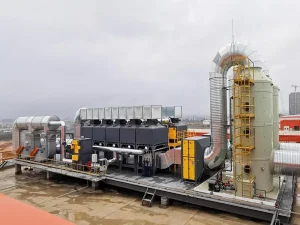
In addition to electrostatic dust precipitation, our engineering capabilities cover comprehensive air pollution control and waste treatment systems designed for modern municipal and industrial facilities.
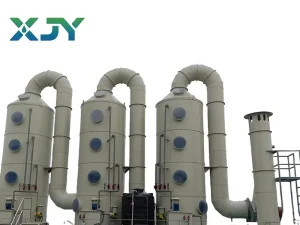
In view of the situation that the odor in agriculture, chemical industry, medical treatment, food, mining industry, electroplating and other industries disturb residents, XJY company has developed the "BDS intelligent deodorization System", which is highly intelligent, deodorized with high efficiency, unattended and automatic operation. Solve the odor problem for many enterprises and local governments, create a harmonious environment for economic development.
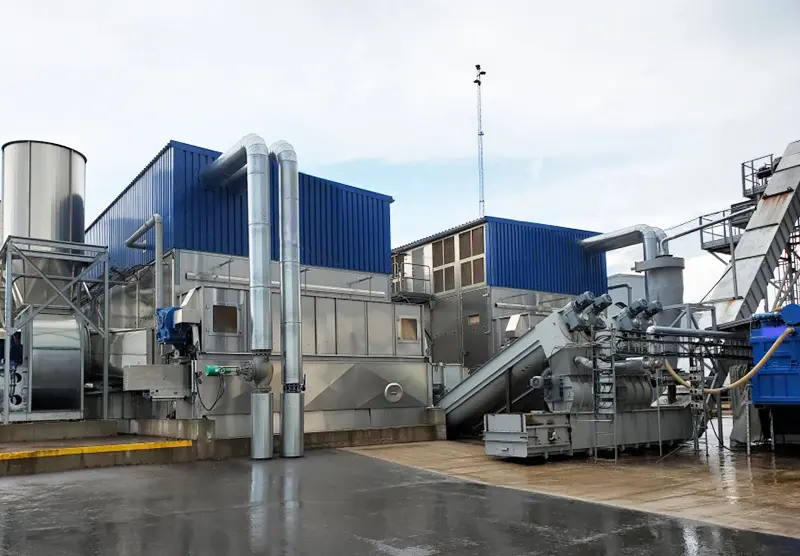
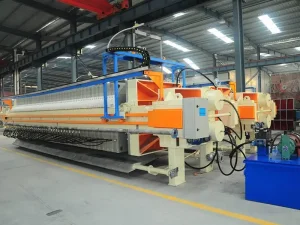
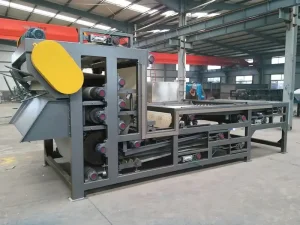
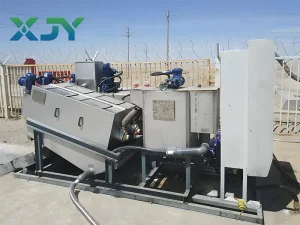
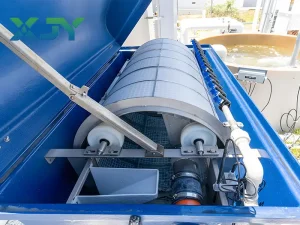
For municipal sludge disposal, industrial sludge disposal, polluted black and smelly water sludge dredging treatment to provide a complete solution, XJY company has built and operated a number of sludge drying reduction projects, treated it from the 80% moisture content sludge, drying into about 35% moisture content powder granular raw materials, transported to cement plants, thermal power plants, fertilizer plants and other resources utilization.
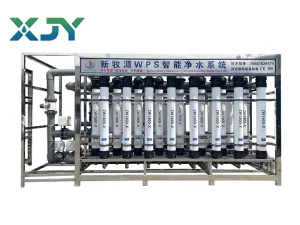
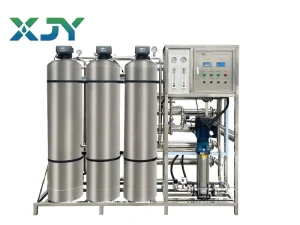
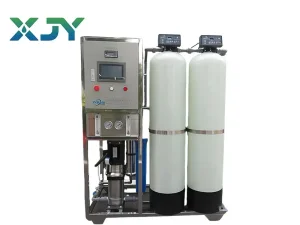
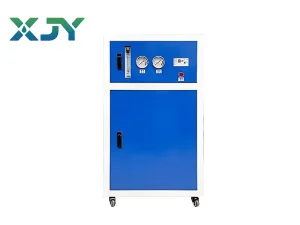
In view of the water resources shortage, poor water quality, water pollution and other situations, XJY company has developed the "WPS intelligent water purification system", this system design is scientific and reasonable, smart and efficient, widely used for home, hospital, school, community, factory and other drinking water purification, agricultural, rural, industrial, living and other wastewater treatment. For water purification, energy saving and emission reduction, water reuse, resource reuse, etc., to provide the exact support!
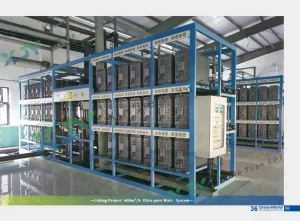
By integrating industrial EDI purification systems, ultrafiltration, and reverse osmosis units, XJY provides zero-liquid-discharge (ZLD) plants with high-purity water generation and wastewater recycling setups.
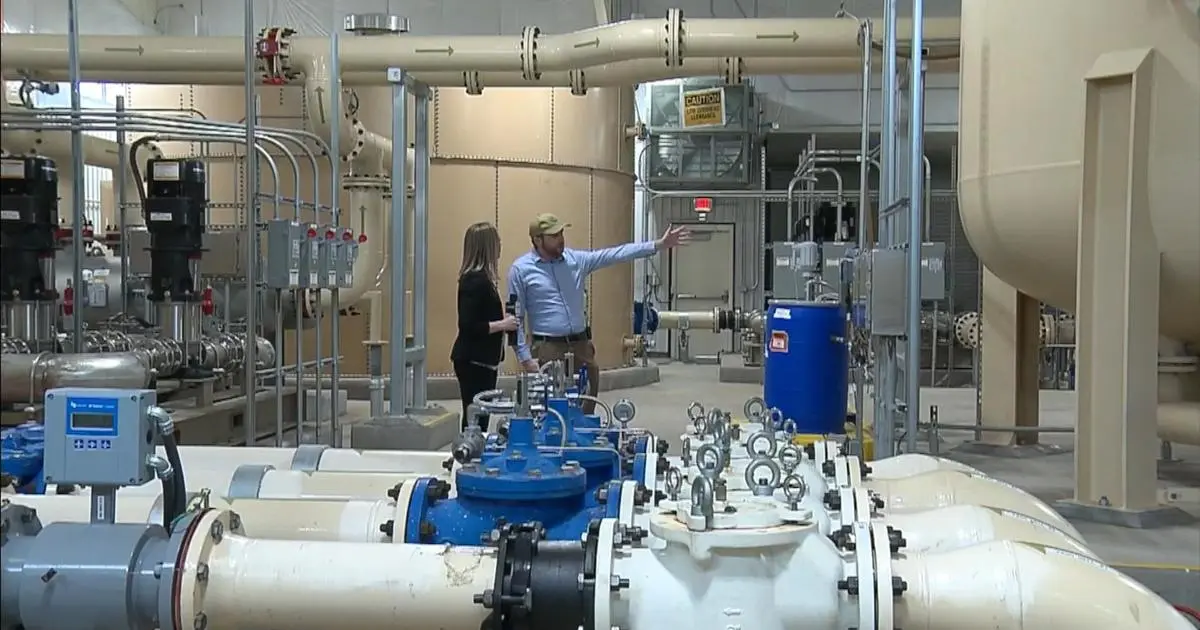
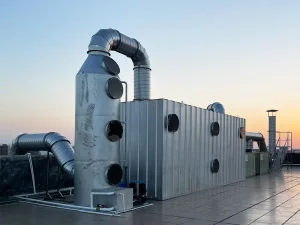
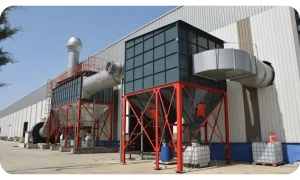
Electrostatic precipitation technology has evolved beyond dry precipitators. Dry ESPs face limitations with high-resistivity dusts and back-corona discharge. To overcome these limits, Wet Electrostatic Precipitators (WESPs) have become a standard solution for modern flue gas treatment.
Design of rigid discharge electrodes avoids wire breakage. Optimal geometry increases the local corona current density at lower voltages, generating a high electric field strength for particle charging.
Dividing the precipitation zone into multiple electric fields allows for high-velocity pre-charging in the initial field, followed by fine particle capture in the final collection stages.
By using water sprays rather than mechanical rapping systems, Wet ESPs eliminate re-entrainment of captured dust, providing high efficiency for sub-micron particulate matters.
The principle of a Wet Electrostatic Precipitator (WESP) centers on the ionization of gas near the corona electrodes. When high-voltage direct current (HVDC) is applied, the gas surrounding the corona wire breaks down, generating electrons and positive ions. As flue gas passes through this ionization field, suspended particles receive a charge via field charging or diffusion charging. Under the force of the electric field, these charged particles migrate to the collection tubes or plate anodes.
Unlike dry precipitators that use rapping mechanisms, WESPs continuously wash the collecting surfaces with liquid. This forms a water film that carries away captured particulates, acid mists, and heavy metals. This method eliminates the back-corona effect caused by dust layers and prevents re-entrainment, allowing the system to capture ultra-fine particles (PM2.5, SO3 mist, and heavy metals such as mercury) to meet strict emission standards.
Our electrostatic dust removal systems and environmental equipment are configured for heavy industries to ensure regulatory compliance and operational safety.
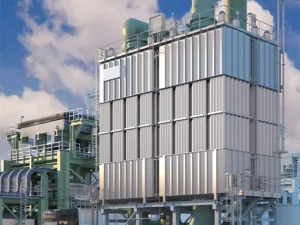
Integration of dry electrostatic precipitators followed by wet scrubbers and final-stage polishing WESPs. This system removes fly ash, gypsum droplets, and acid aerosols to meet emission targets of <5 mg/Nm³.
Captures hazardous metal fumes (zinc, lead, copper) and tar mist from smelting gas. WESPs operate in corrosive, high-temperature environments to ensure process gas purity.
Controls sulfuric acid mist emissions from industrial processes. The use of corrosion-resistant materials (such as alloy C276 or conductive FRP) ensures long-term operational reliability.
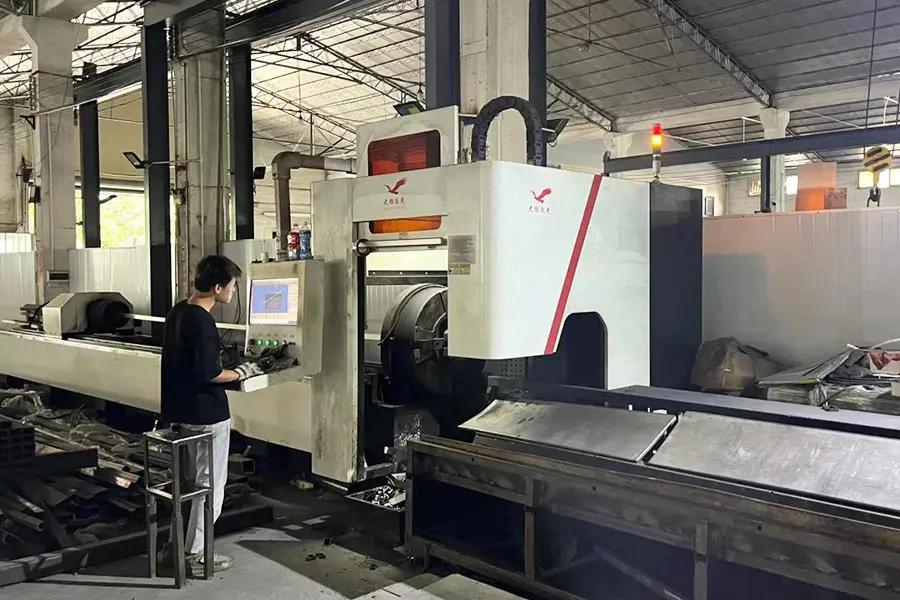
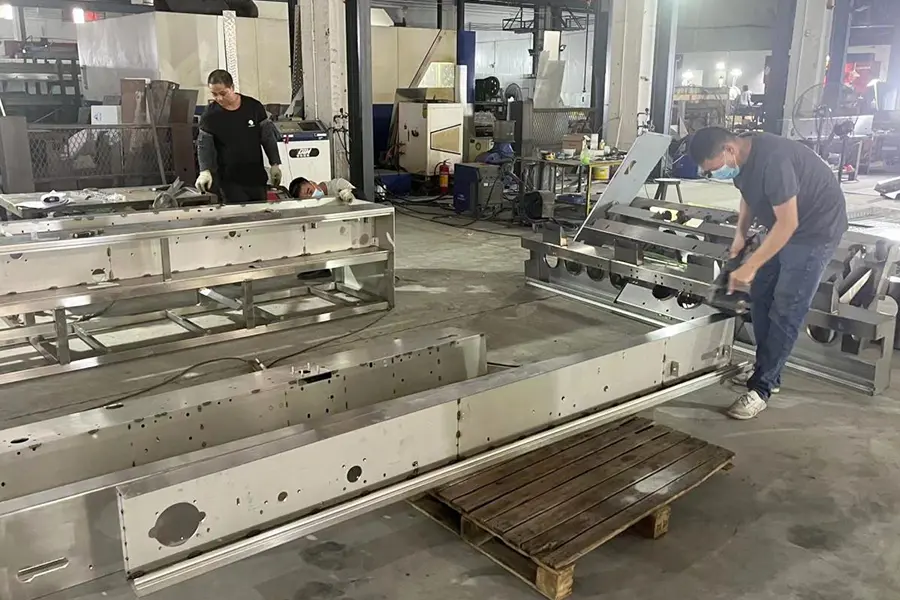
At Guangdong Xinjieyuan, we utilize Industry 4.0 practices to manage our production floor. Our automated manufacturing line integrates laser cutting, robot-assisted welding of collector plates, and automated assembly of high-voltage control cabinets. This production capability ensures consistent engineering tolerances and mechanical integrity across large-scale precipitator modules.
By consolidating raw material sourcing, heavy structural fabrication, and electronic testing in-house, we reduce supply chain vulnerabilities. This integration allows us to offer shorter manufacturing lead times and maintain cost competitiveness compared to fragmented regional suppliers.
Strict Quality Inspections include:
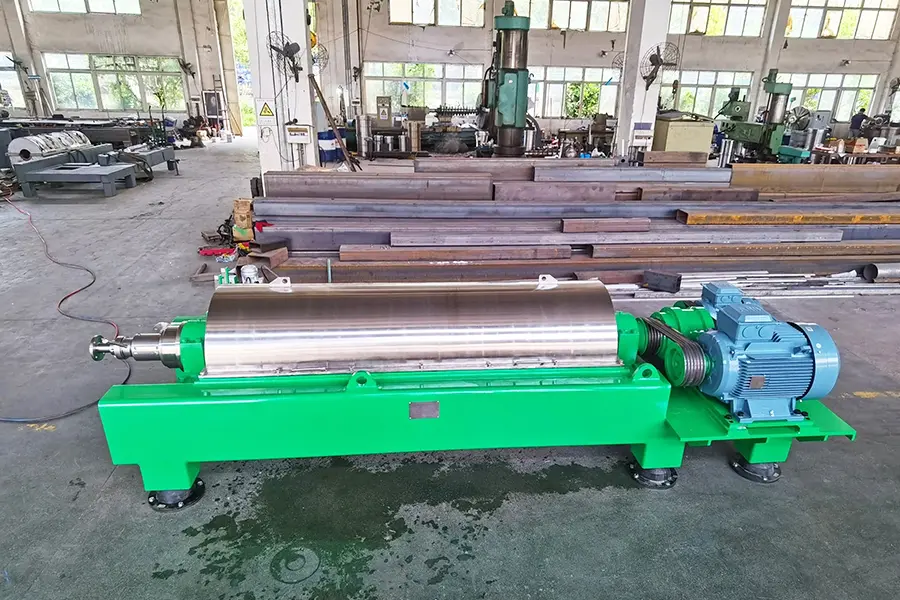
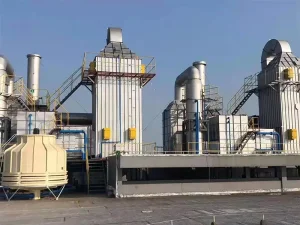
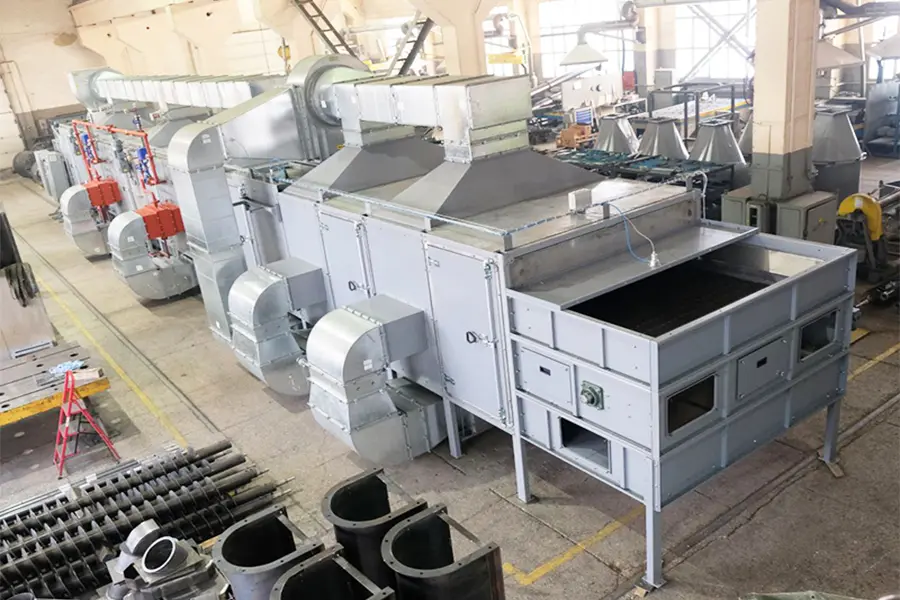
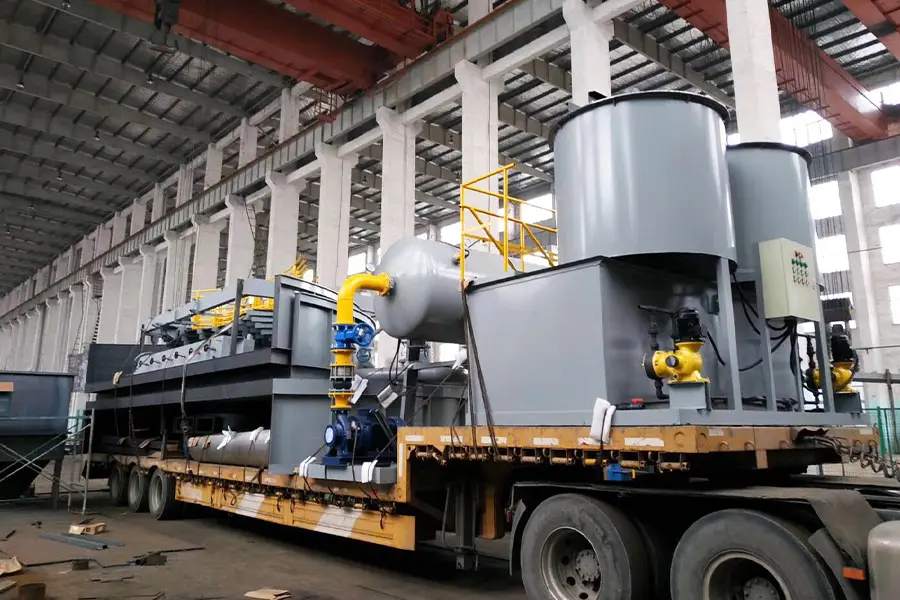
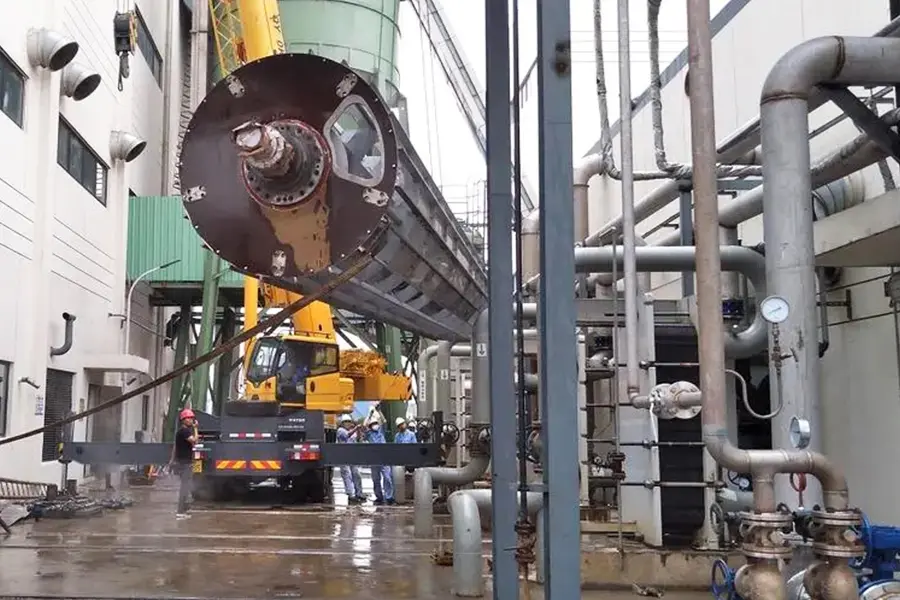
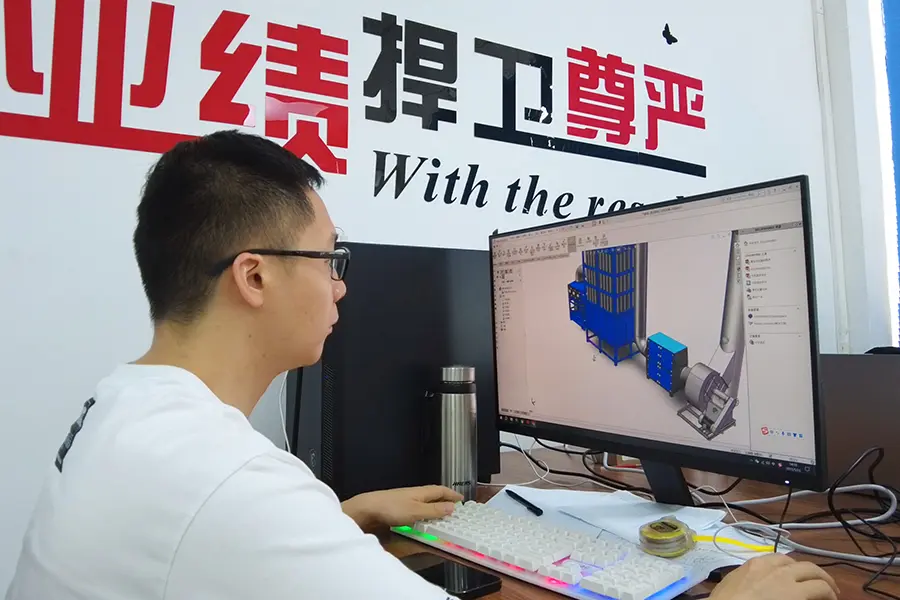
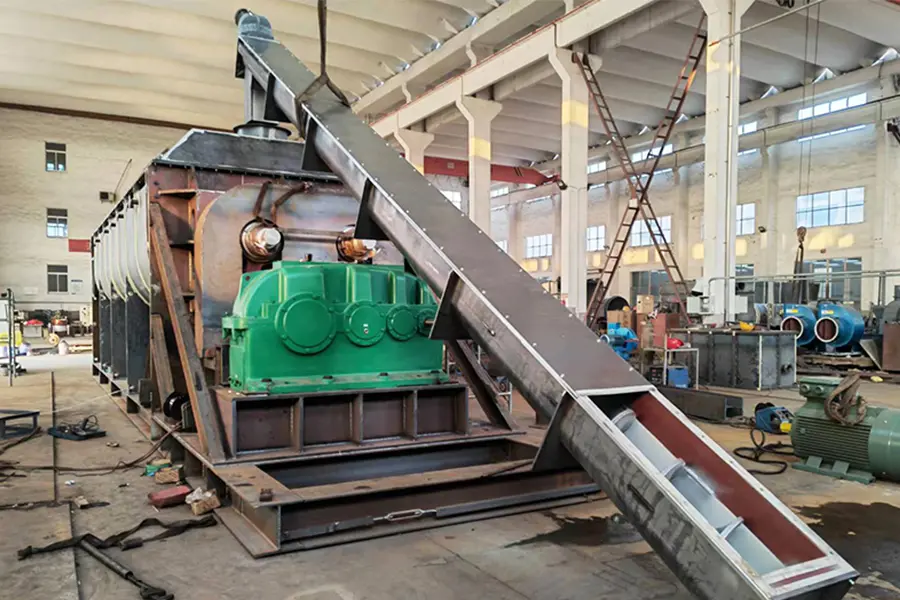
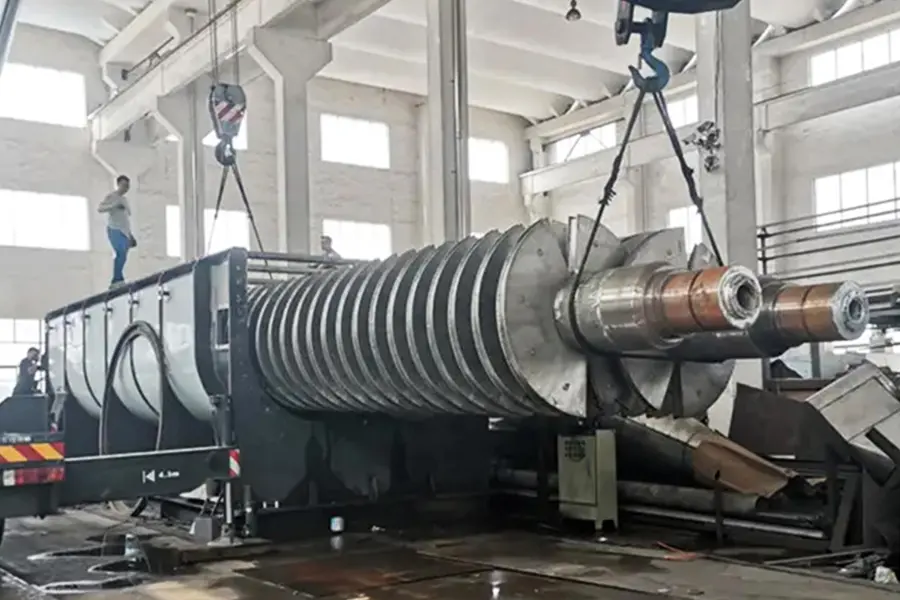
A visual tour of our modern engineering plant, showcasing assembly workshops, raw material processing facilities, and completed water and gas treatment equipment.
Procuring large-scale industrial environmental equipment requires detailed technical coordination. We ensure our equipment is certified and compliant with target-market engineering and environmental regulations.
Our electrostatic precipitators are designed to comply with EPA standards, EU CE directives, and local clean air laws, guaranteeing target outlet concentrations below 5 mg/Nm³.
Every industrial precipitator structure undergoes structural calculation using local wind load, seismic zone parameters, and site-specific structural load regulations.
We provide comprehensive documentation, operating manuals, and on-site or remote engineering commissioning services. This includes support for control system setup and mechanical testing.
Detailed engineering responses to technical questions about the operation, design, and selection of electrostatic precipitators.
 XINJIEYUAN