Explore our high-performance industrial wastewater processing, filtration, and sludge concentration systems designed for global compliance.
Rapid industrialization, depleting freshwater sources, and increasingly stringent environmental regulations globally have propelled the membrane-based wastewater treatment market into a new era of technological dominance. Traditional biological treatments are no longer sufficient to meet modern Environmental Protection Agency (EPA) and European Union (EU) standards for effluent disposal or zero liquid discharge (ZLD) mandates.
Advanced membrane systems—including Membrane Bioreactors (MBR), Ultrafiltration (UF), Nanofiltration (NF), and Reverse Osmosis (RO)—have transitioned from premium, niche installations to standard requirements across chemical manufacturing, pharmaceutical production, food processing, municipal recycling, and electroplating industries. By deploying high-permeability, fouling-resistant polymeric and ceramic membranes, global operations can effectively remove micro-pollutants, heavy metals, suspended solids, and dissolved organics, yielding high-purity permeate suitable for closed-loop recycle systems.
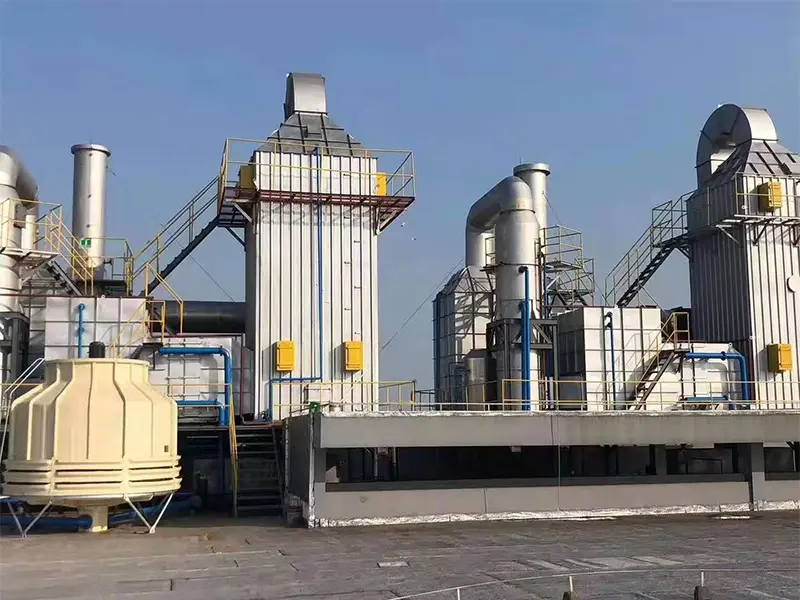
Guangdong Xinjieyuan Environmental Protection Technology Co., Ltd. is a leading, specialized enterprise at the forefront of environmental protection equipment research, development, and high-efficiency manufacturing. The company's core operations span water treatment, waste gas mitigation, and sewage sludge processing, delivering integrated, whole-chain, and multi-dimensional services globally.
"We are focused, so we are professional! Our team operates with an unwavering dedication to technological innovation and uncompromising quality, transforming raw environmental challenges into sustainable, resource-reclaimed solutions."
XJY stands out in the international environmental sector by securing multiple national certifications, including professional contracting qualifications for environmental engineering, official safety production licenses, and ISO-certified management systems (Quality Management, Environmental Management, and Occupational Health and Safety). Backed by more than 45 utility and invention patents, alongside 32 computer software copyrights, XJY continuously refines the technological boundary of wastewater treatment.
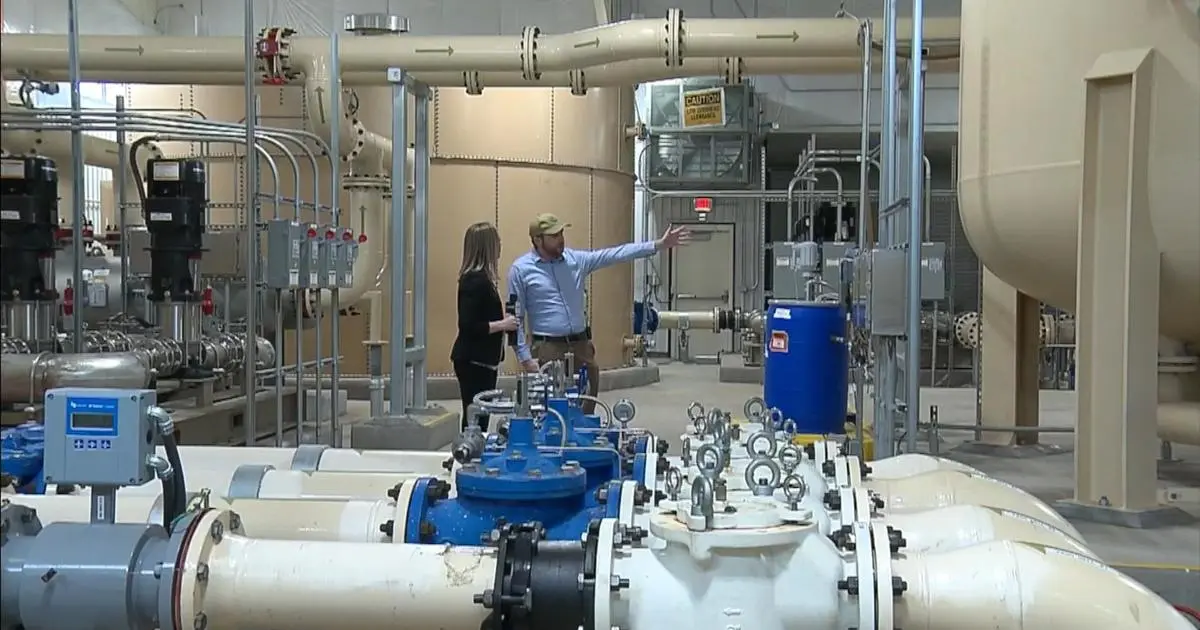
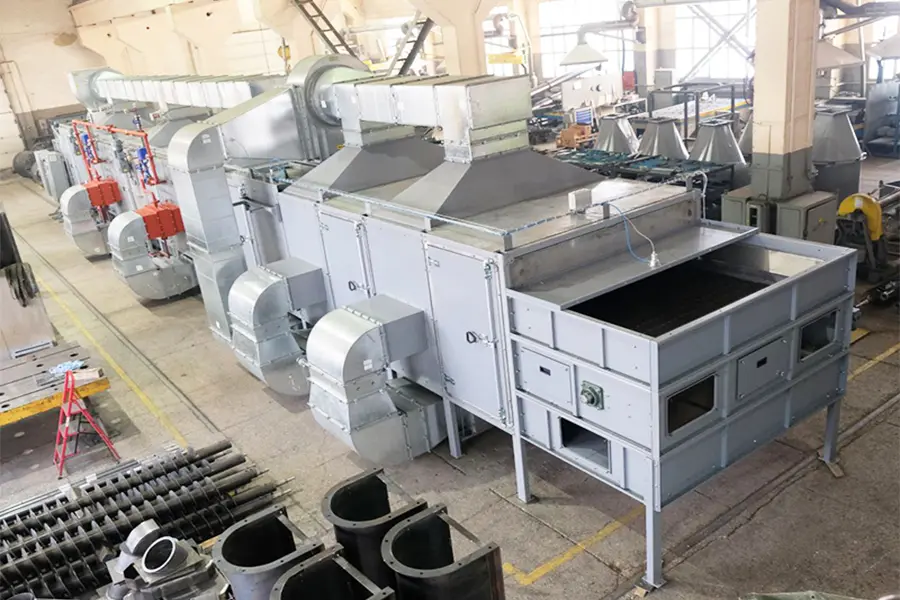
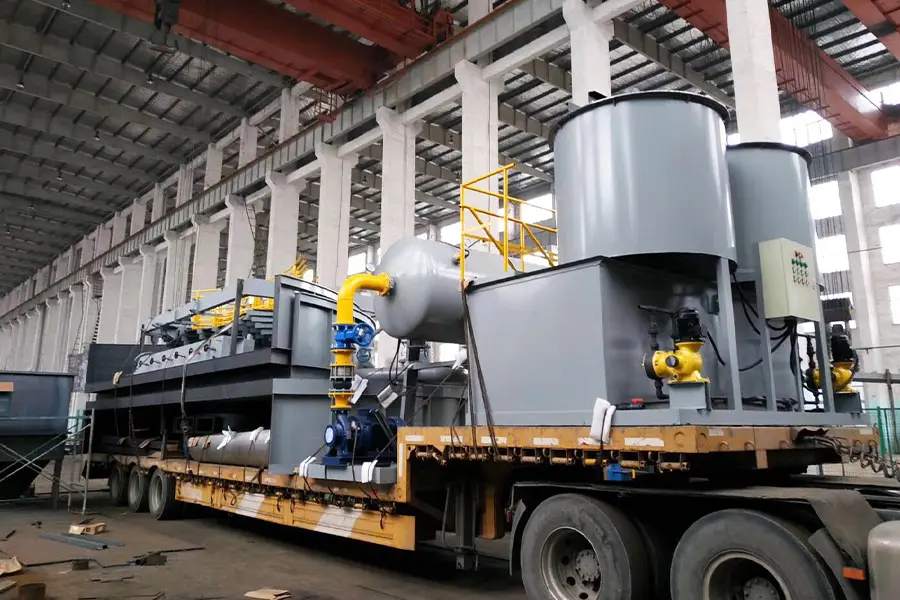
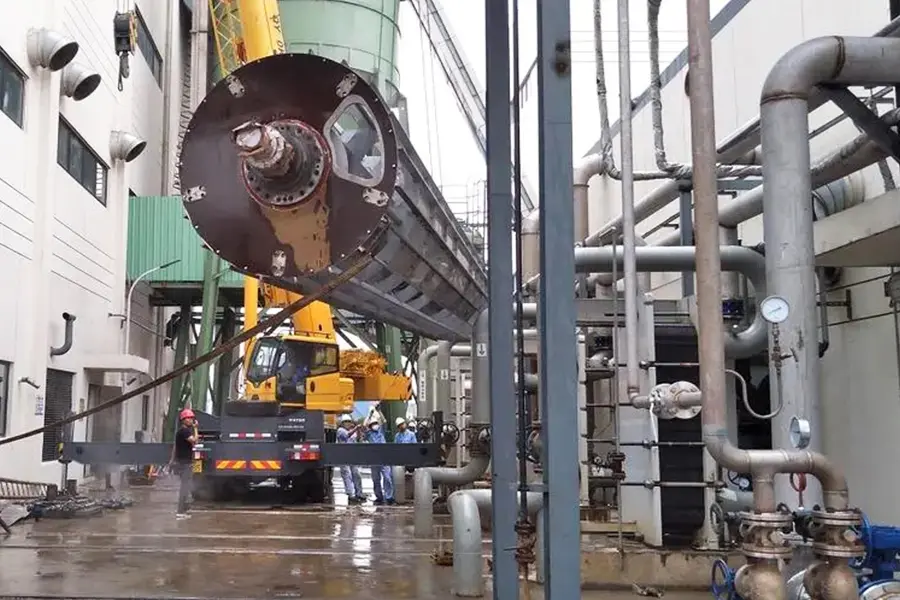
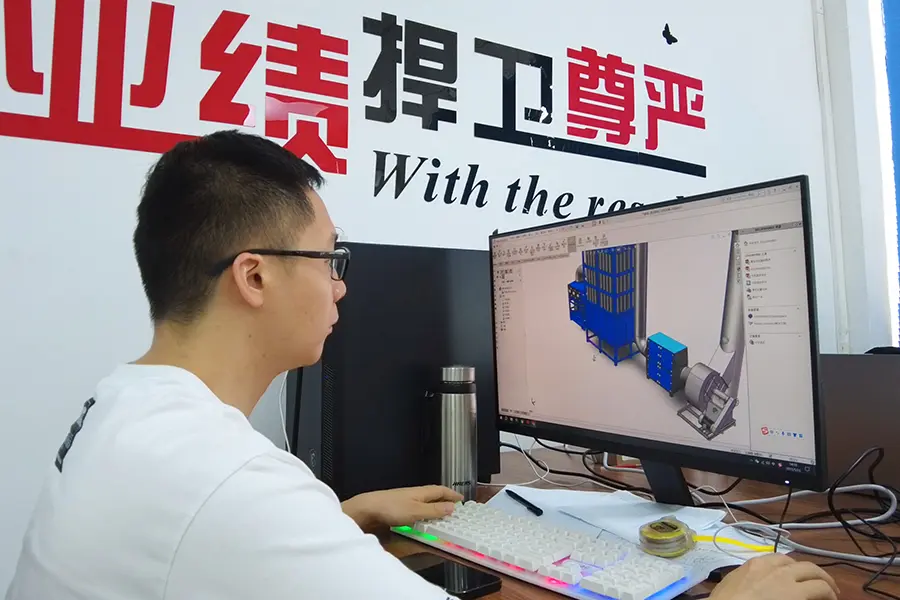
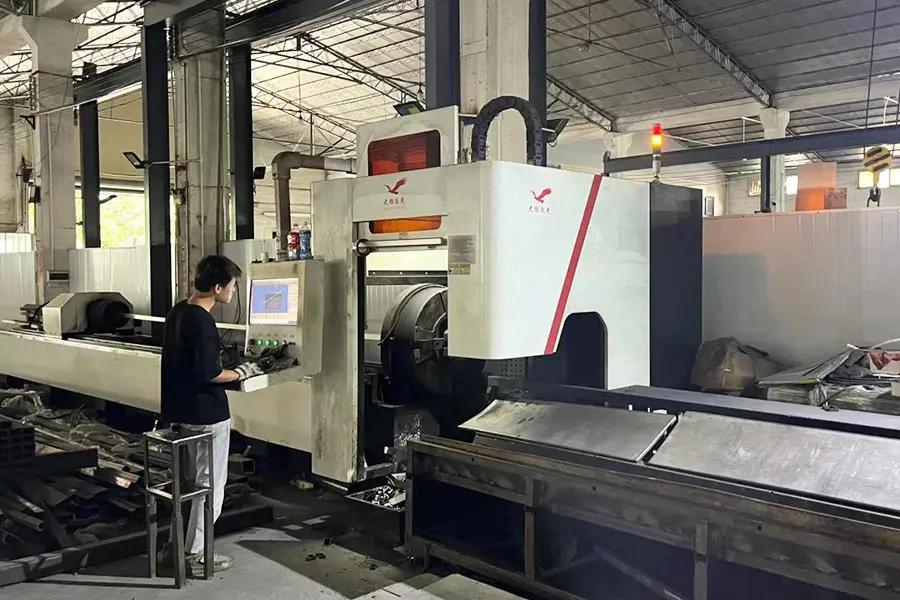
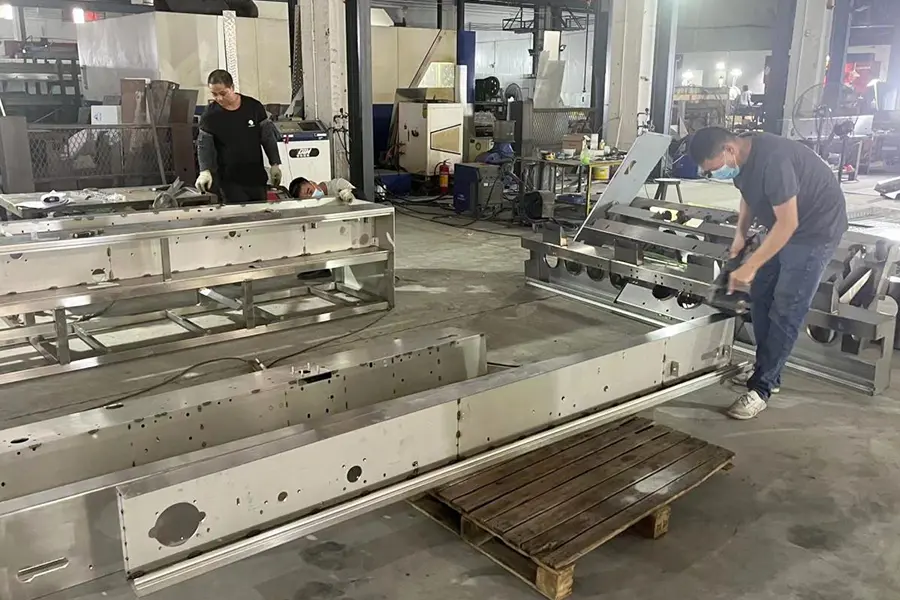
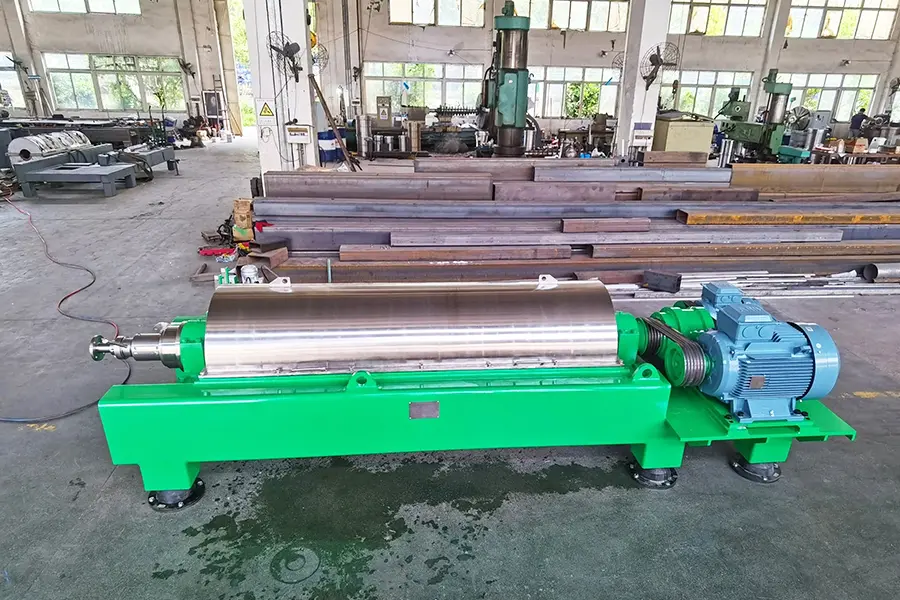
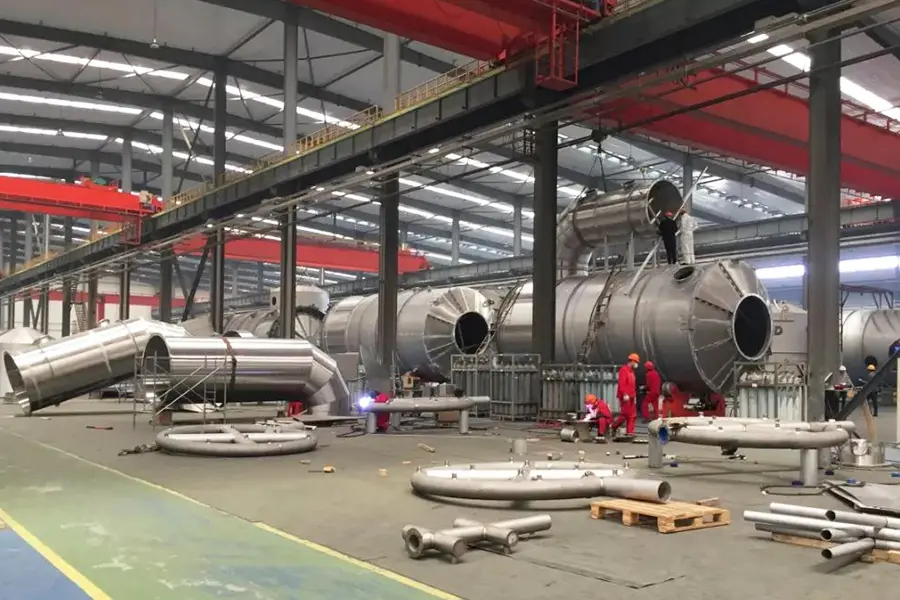
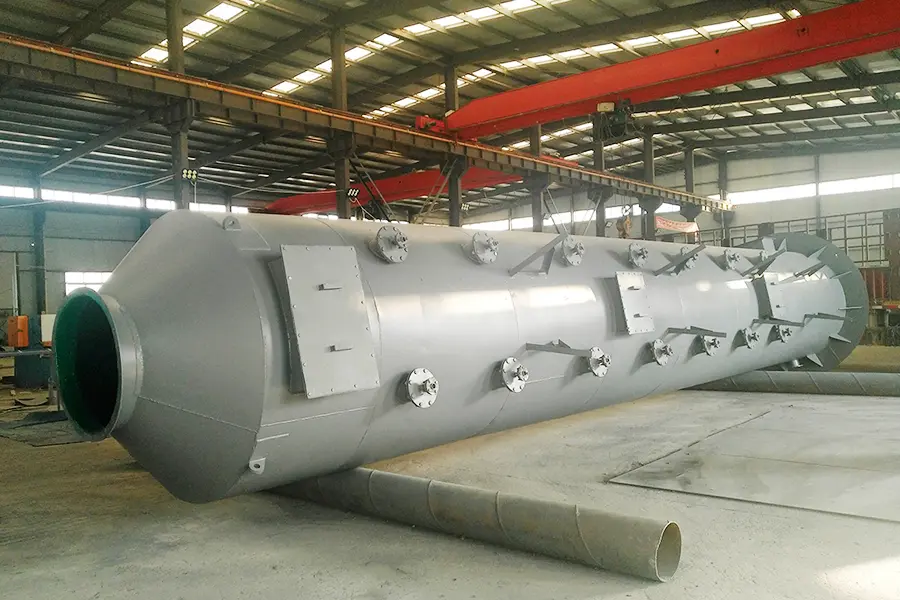
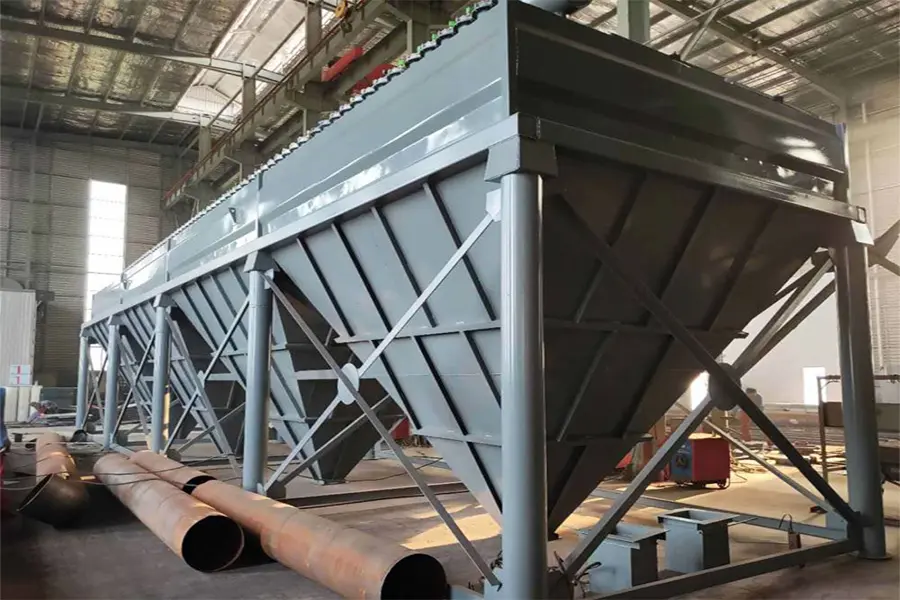
Discover how XJY deploys intelligent mechanical, biological, and membrane-based configurations to address complex industrial emissions and waste streams.
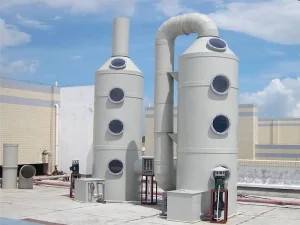
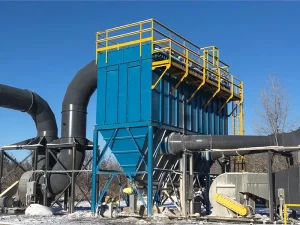
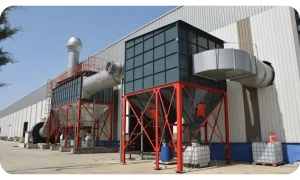
To address offensive odors and volatile organic compounds (VOCs) across agriculture, chemical processing, medical facilities, mining, and electroplating sectors, XJY developed the "BDS Intelligent Deodorization System". This highly automated, unmanned platform delivers high-efficiency gas scrubbing and biological oxidation to maintain compliance with strict urban odor limits.
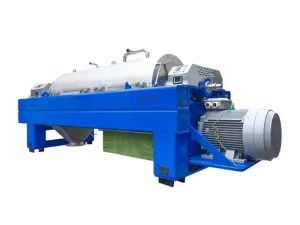
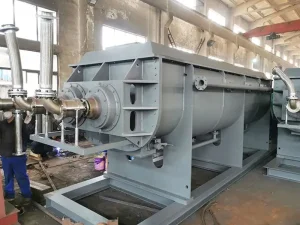
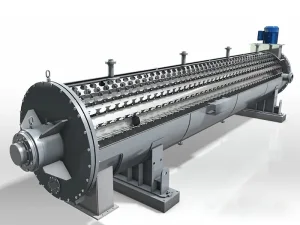
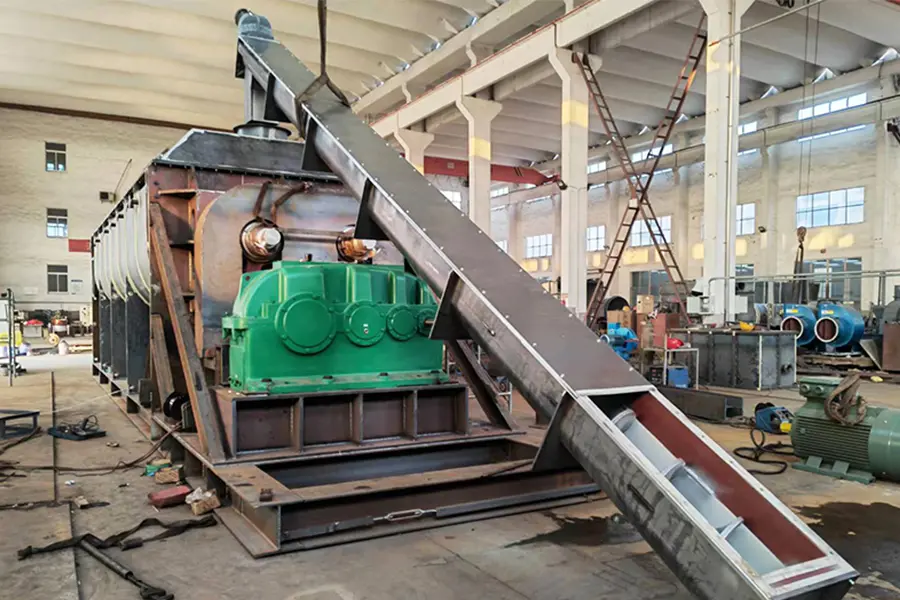
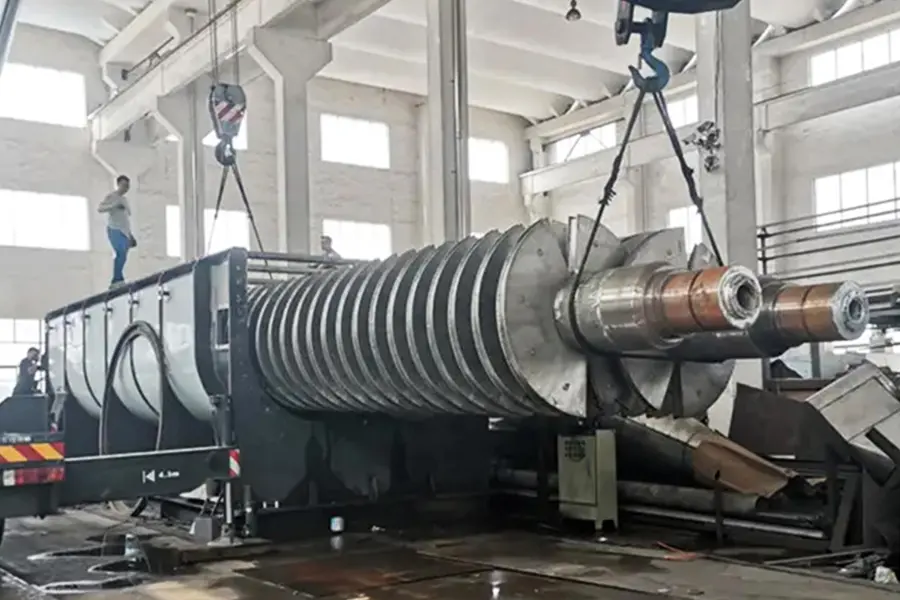
Handling municipal and industrial sludge poses unique environmental liabilities. XJY designs and operates sludge drying systems that reduce incoming material with an 80% moisture content down to a 35% moisture content. The resulting powder and granular products are safely repurposed as raw materials in cement kilns, thermal power plants, and agricultural fertilizer plants.
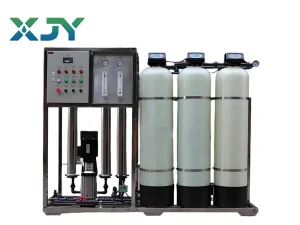
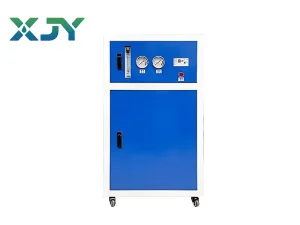
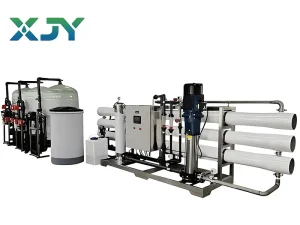
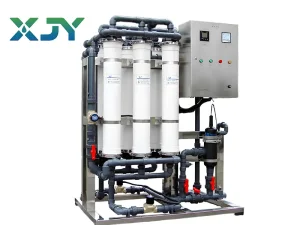
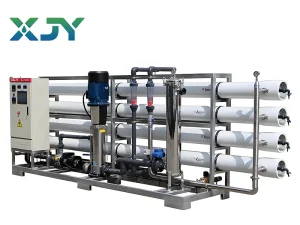
The signature "WPS Intelligent Water Purification System" integrates high-durability membranes (such as PVDF hollow fiber sheets or spiral-wound RO elements) to resolve water scarcity issues. Optimized for factories, hospitals, residential communities, and rural districts, this system maximizes water reuse, saving energy while yielding highly purified effluent.
Sourcing membrane wastewater systems from a premium Chinese factory like Guangdong Xinjieyuan yields critical operational advantages. China’s industrial ecosystem boasts complete vertical integration of raw materials, polymer research, structural hardware fabrication, and advanced control systems.
International EPC (Engineering, Procurement, and Construction) companies and industrial end-users look for key attributes when choosing membrane partners: long membrane life, minimal chemical clean-in-place (CIP) frequency, energy efficiency, and reliable technical support.
Localized installations require adaptive designs. In Europe, the focus shifts toward ultra-low energy footprint and phosphorus removal. In North America, compliance with municipal discharge limits and water recycling in dry states like California and Texas drive advanced RO and NF integration. Meanwhile, in Southeast Asia and South America, ruggedized, low-maintenance, containerized MBR plants are preferred to support remote manufacturing facilities.
Expert answers regarding membrane selection, fouling mitigation, and system longevity for industrial wastewater plant operators.
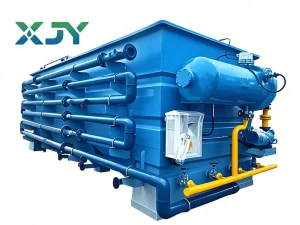
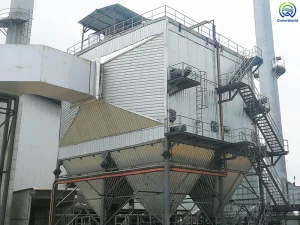
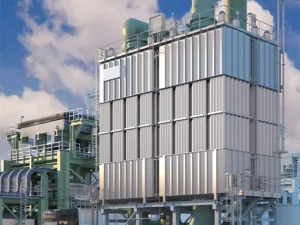
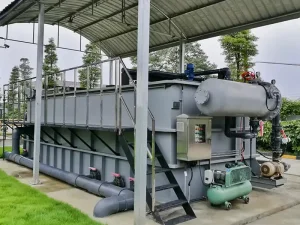
Browse our complete catalog of industrial baghouses, NF units, DAF clarifyers, and drying systems built for extreme durability.
 XINJIEYUAN