Engineered to mitigate salinity, organic load, and chemical effluents across insular and continental zones.
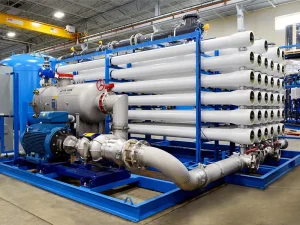
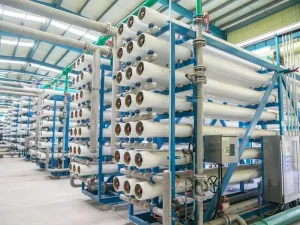
Equatorial Guinea exhibits a dual geographic profile consisting of the Insular Region (including Bioko Island, where the capital Malabo is located) and the Continental Region (Río Muni, with the major port city of Bata). Despite high average rainfall, the region suffers from localized drinking water shortages, severe salinity intrusion in coastal aquifers, and processing-water contamination within industrial sectors. The petrochemical extraction hubs on Bioko Island demand highly specialized wastewater treatment technologies to protect delicate marine ecosystems and ensure national environmental regulatory compliance.
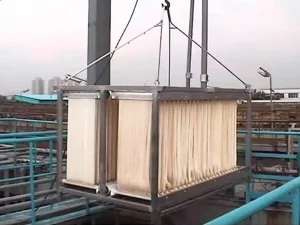
Inland regions present distinct challenges: surface waters have high colloidal content, suspended organic matter, and dynamic turbidity due to seasonal torrential downpours. Basic sand filtration is insufficient. Industrial complexes, food and beverage processing plants, and municipal water stations require multi-barrier purification pathways. These setups must combine advanced ultrafiltration, chemical coagulation, reverse osmosis, and active sterilization to deliver safe, process-compliant water.
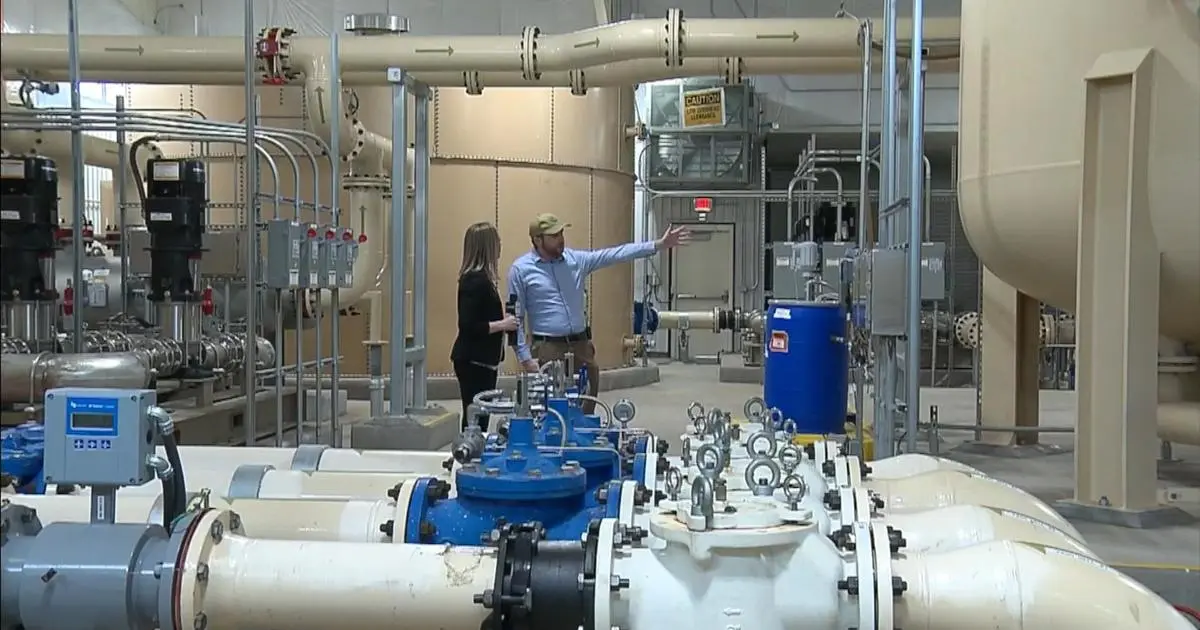
Our systematic engineering approach ensures high-performance treatment under tropical, highly corrosive marine environments.
Utilizing high-rate dissolved air flotation (DAF) and multi-media depth filters to remove suspended solids, micro-algae, and petroleum residues before membrane processing.
Specifying Duplex 2205/2507 stainless steel piping, anti-biofouling coatings, and energy recovery devices (ERDs) to reduce power consumption by up to 40% on saline sources.
Integrated Siemens/Schneider logic control systems allowing remote telemetry monitoring, automated backwashes, and chemical dosing alerts to limit onsite labor.
National Product Patents
Software Copyrights
ISO Compliant Production
Sludge Moisture Reduction
Providing specialized engineering, manufacturing, and lifecycle support across water, solid waste, and air purification sectors.
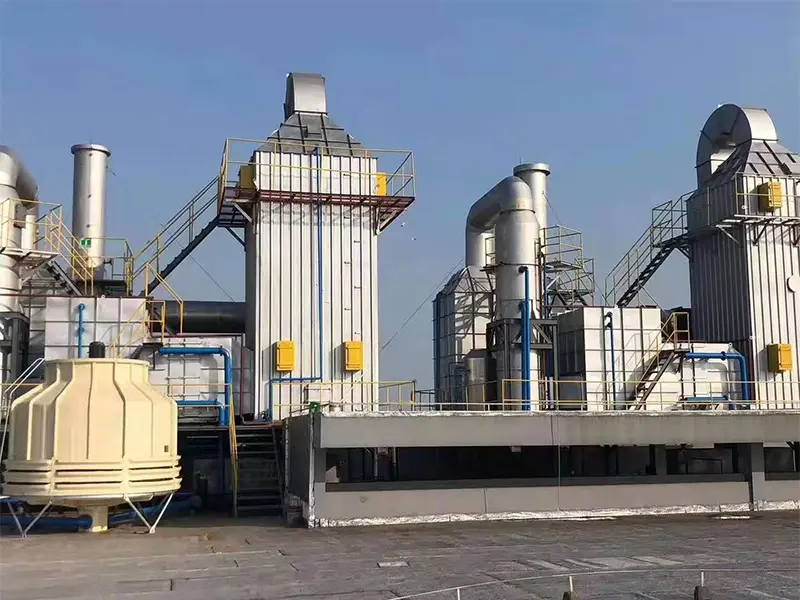
In agricultural, chemical, pharmaceutical, food processing, mining, and electroplating industries, airborne volatile organic compounds (VOCs) and corrosive odors present compliance and health hazards. Guangdong Xinjieyuan has developed the "BDS intelligent deodorization System" to address these challenges. It integrates chemical scrubbing, biological filtration, and advanced photo-oxidation to eliminate noxious elements with high efficiency.
Designed for unattended operation with integrated PLC controls, the BDS system adjusts chemical dosing dynamically based on real-time sensory inputs. This creates a safe work environment and enables compliance with international emission standards.
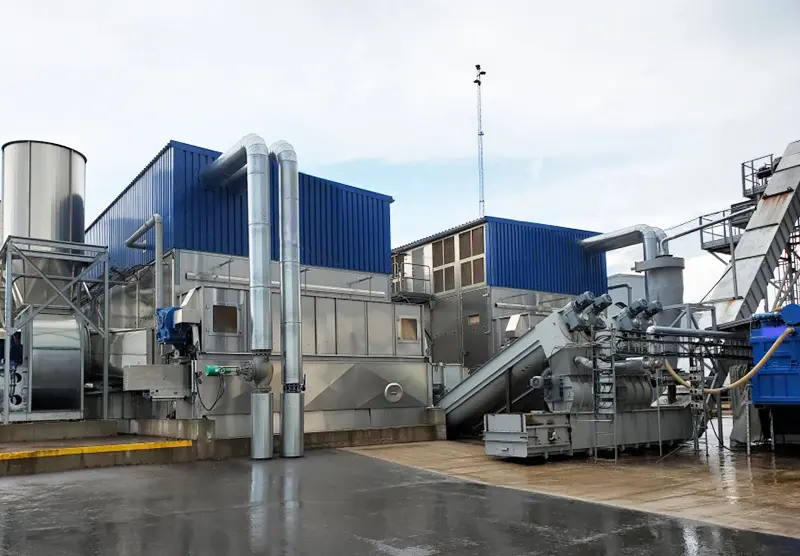
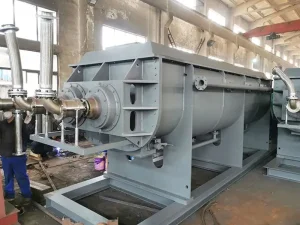
Sludge disposal remains a critical bottleneck for municipal wastewater treatment facilities and heavy industrial complexes. Guangdong Xinjieyuan offers specialized thermal drying, filter-press, and belt-dewatering systems capable of reducing raw municipal or industrial sludge from 80% moisture content to approximately 35%.
The resulting dried granular raw material is stabilized, reduced in volume by over 60%, and optimized for safe transport. It can be utilized as alternative fuel in cement kilns, thermal power plants, or as raw material for soil conditioning and compost manufacturing.
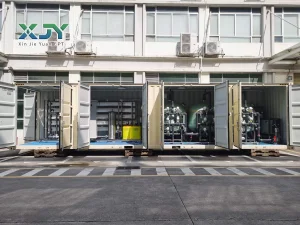
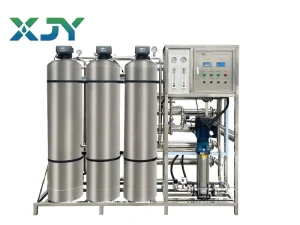
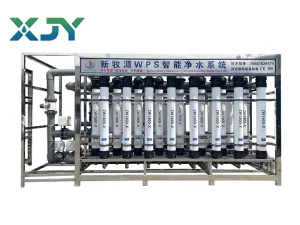
In response to freshwater scarcity, brackish water tables, and industrial contamination, our "WPS intelligent water purification system" provides a reliable treatment pathway. It supports diverse application environments, including commercial zones, remote mining settlements, agricultural irrigation, and industrial process loops.
Using modular physical-chemical separation steps, ultrafiltration, and customized RO membrane stages, the system delivers high purification rates, minimal maintenance downtime, and optimized energy usage.
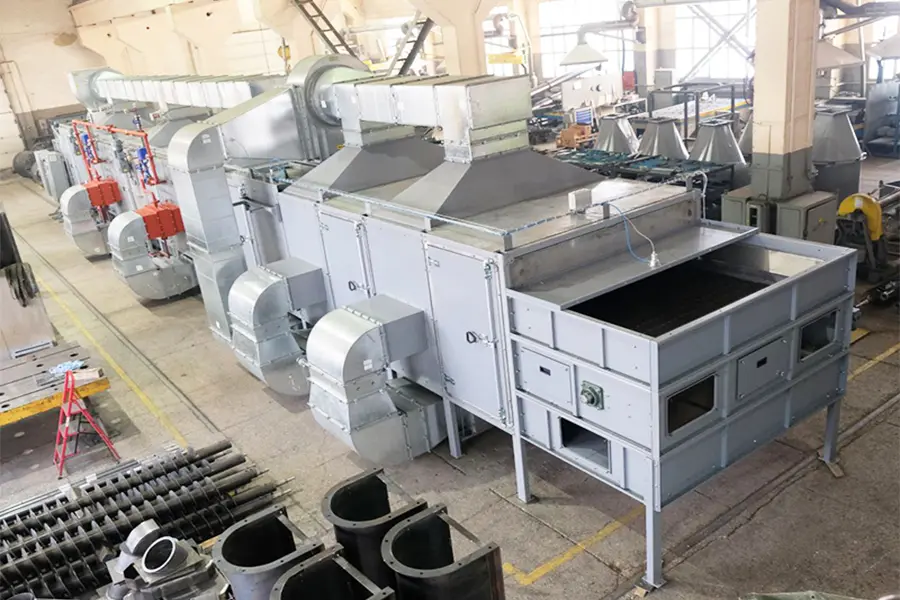
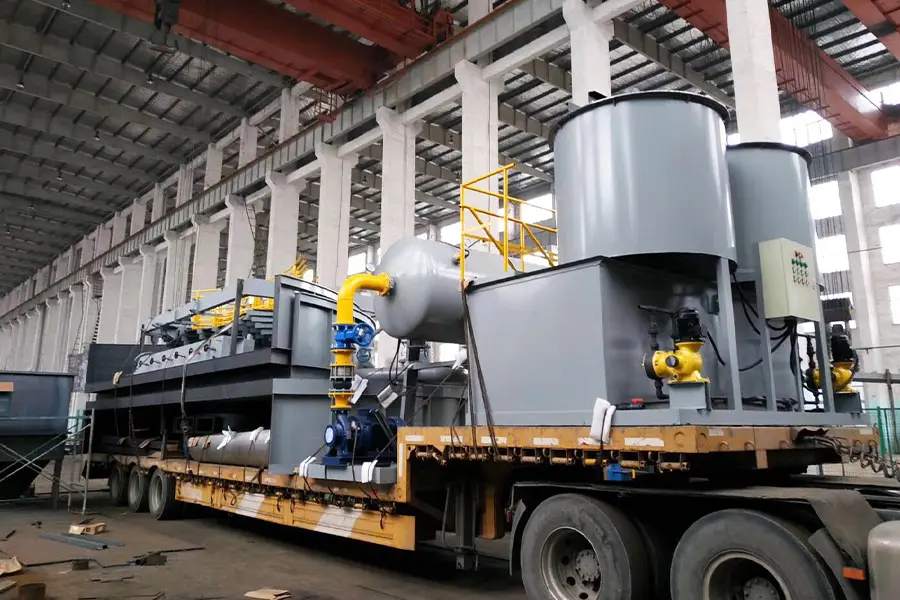
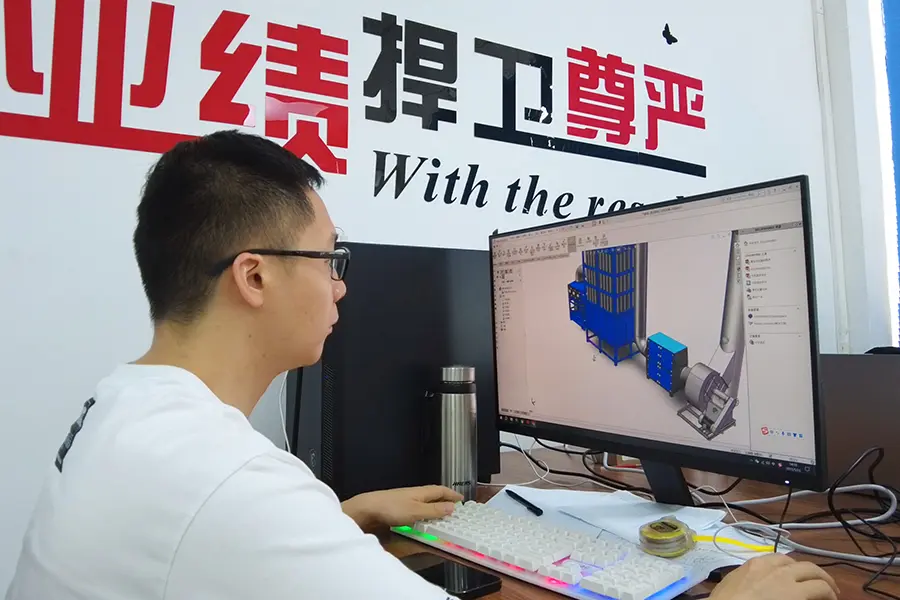
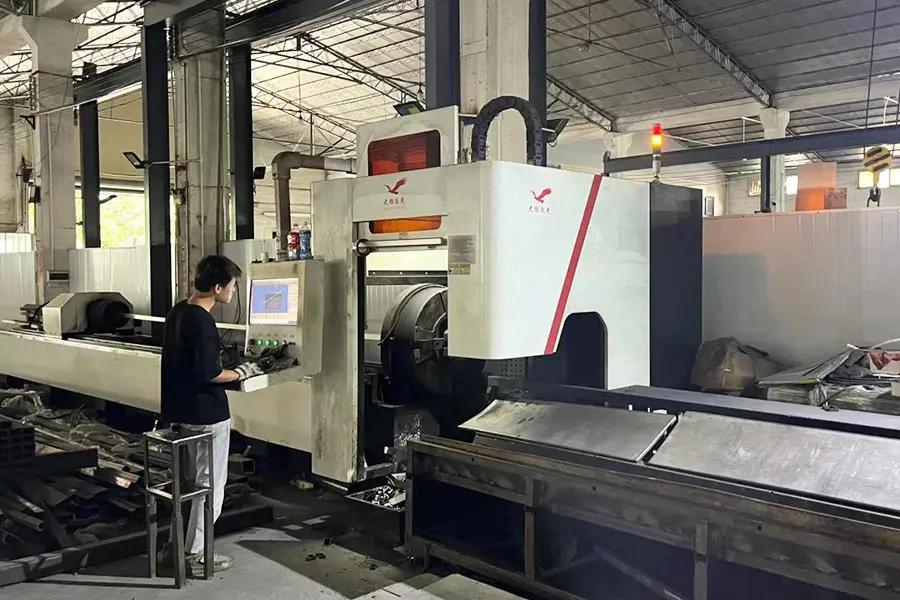
Guangdong Xinjieyuan Environmental Protection Technology Co., Ltd. operates a high-capacity production facility equipped with automated welding systems, laser cutting machines, and strict quality control stations. Our logistics network near key ports in Guangzhou and Shenzhen ensures streamlined dispatching, secure loading, and reliable sea freight routing directly to the ports of Malabo and Bata.
Our production is structured around high repeatability and trace-auditable quality. Each pressure vessel, skid frame, electrical cabinet, and piping manifold undergoes hydrostatic, functional, and electrical performance tests prior to export packaging.
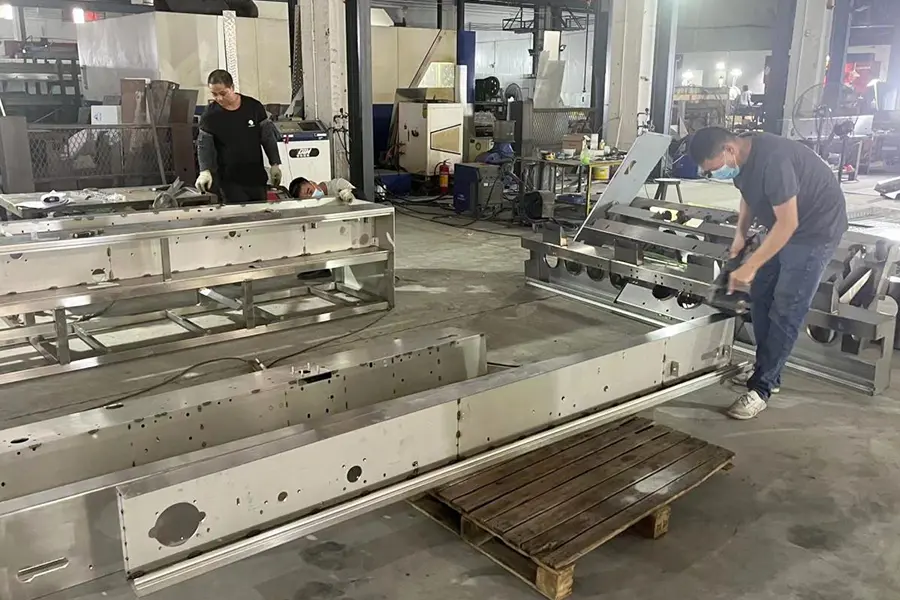
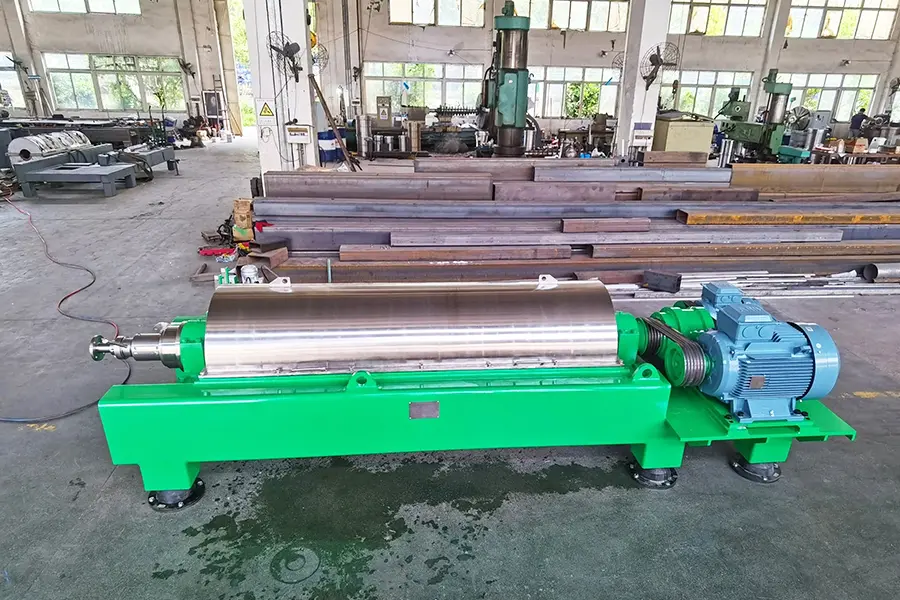
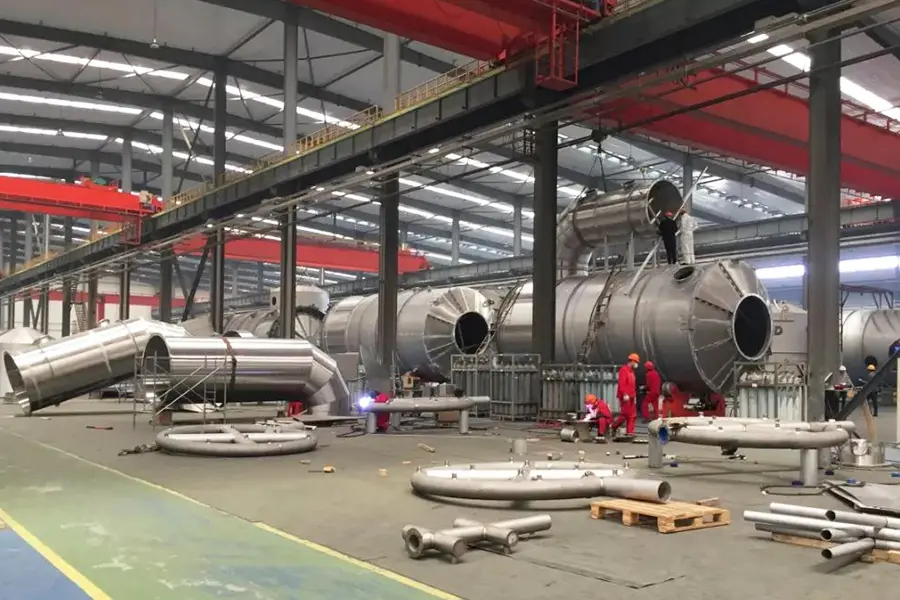
Engineered for high-durability service in the demanding sub-Saharan climate.
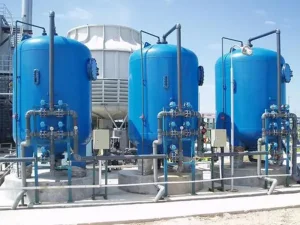
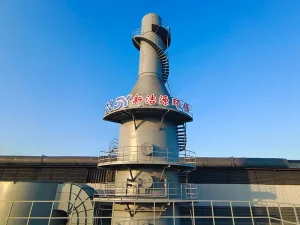
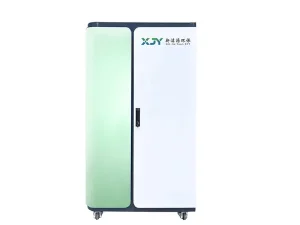
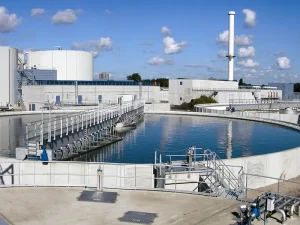
Operating mechanical equipment in equatorial zones requires careful design considerations. High humidity levels, elevated atmospheric salinity, and ambient temperatures exceeding 35°C can lead to premature structural failures and electrical oxidation.
To protect investment assets, Guangdong Xinjieyuan incorporates specific tropicalization standards. PLC enclosures use IP66 ratings with integrated thermoelectric cooling systems to protect electrical microprocessors from high moisture levels. Carbon steel structural skids undergo hot-dip galvanization and are coated with multi-layer marine polyurethane systems (C5-M standard) to withstand corrosive coastal air.
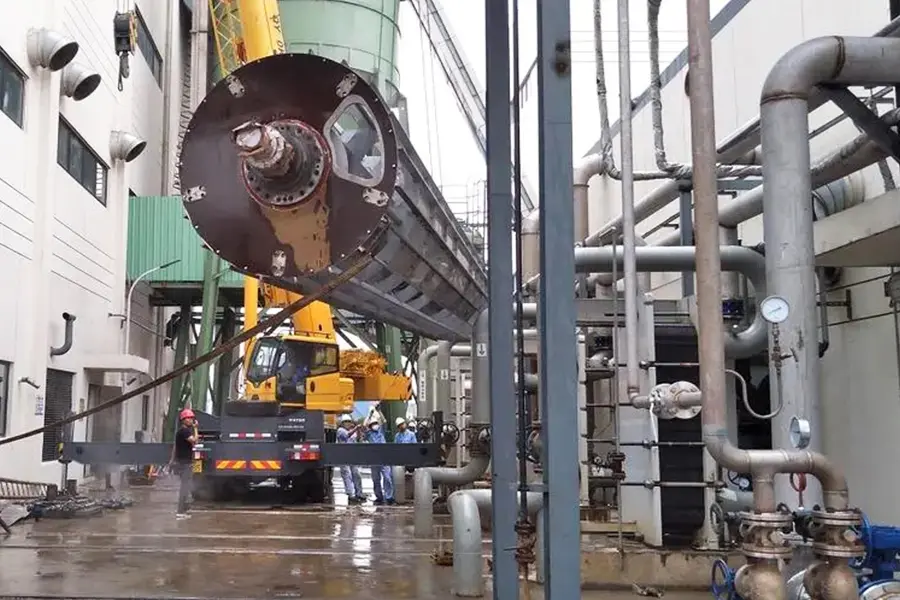
We align our plant designs with the effluent discharge requirements established by Equatorial Guinea's environmental protection departments. In addition, our field engineers provide site reviews, process commissioning, and local operator training to ensure plant performance is maintained over its operating lifecycle.
Technical guidance and engineering insights on importing, installing, and managing commercial systems in Central Africa.
Partner with Guangdong Xinjieyuan Environmental Protection Technology Co., Ltd. for reliable water, wastewater, and gas management solutions. Get in touch with our engineering team for process designs, budget estimates, and factory-direct pricing tailored for the Equatorial Guinea market.
Send Inquiry Now XINJIEYUAN