Explore our leading industrial-grade systems engineered for high efficiency, durability, and resource recovery.
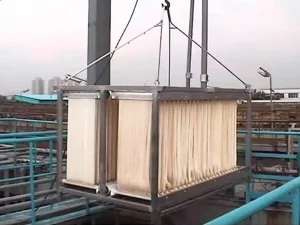
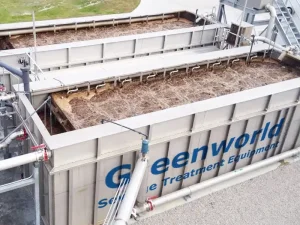
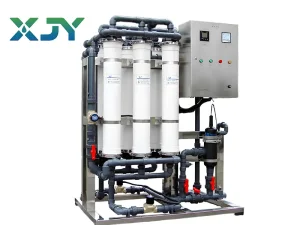
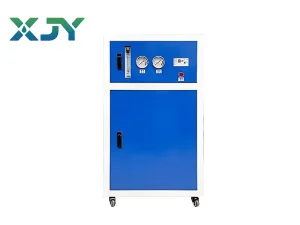
Analyzing key variables driving water-stressed markets toward macro-scale membrane systems.
The global industrial desalination market is experiencing an unprecedented surge, driven by escalating freshwater scarcity, rapid urbanization, and stringent environmental policies. As traditional water reserves dwindle under climate shifts, marine and brackish desalination technologies are transitioning from backup emergency solutions to critical primary infrastructure. According to global industrial intelligence, the municipal and industrial demand for high-purity process water has pushed global desalination output beyond 100 million cubic meters per day.
Currently, geographic clusters in the Middle East and North Africa (MENA), East Asia, and regions of Western North America dominate capacity installations. However, localization requirements are shifting. Modern factories require high-capacity, low-energy footprints. The emergence of Energy Recovery Devices (ERDs) and high-flux membrane chemistries has slashed the average power consumption of reverse osmosis systems to under 3.0 kWh/m³, rendering large-scale seawater desalination financially viable for standard manufacturing operations, refining plants, and electronics production facilities worldwide.
A deep engineering overview of filtration mechanics, thermal processes, and high-purity water generation.
The global benchmark for dissolved solids separation. Employs multi-stage semi-permeable membranes capable of stripping 99.8% of monovalent salts from high-salinity seawater streams.
Operates at lower pressures than RO, selectively removing divalent ions and organic precursor molecules. Perfect for partial desalination, softening, and wastewater recovery circuits.
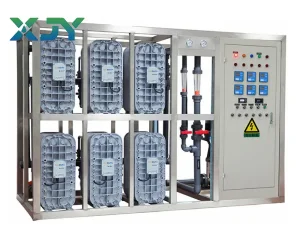
An advanced technology combining ion-exchange membranes and electrical current. Used to consistently produce ultrapure water for semiconductors, power grids, and pharmaceuticals.
For procurement officers and water resources managers, selecting the appropriate treatment configuration dictates operational expense (OPEX) and capital expenditure (CAPEX) balances:
| Technology Pathway | Optimal Feed Salinity (TDS) | Average Recovery Rate | Primary Application Fields |
|---|---|---|---|
| Seawater Reverse Osmosis (SWRO) | 35,000 - 45,000 ppm | 40% - 48% | Municipal supply, offshore platforms, coastal refining plants |
| Brackish Water Reverse Osmosis (BWRO) | 2,000 - 10,000 ppm | 75% - 85% | Industrial process water, agricultural feed, boiler makeup |
| Nanofiltration (NF) Softening | 500 - 5,000 ppm | 80% - 90% | Textile effluents, municipal softening, organic compound separation |
| EDI System Integration | < 10 ppm (after RO polishing) | 90% - 95% | Microelectronics processing, pharmaceutical formulations, power gen |
Scientific Research, Advanced Production & End-to-End Execution
Guangdong Xinjieyuan Environmental Protection Technology Co., Ltd. is a leading enterprise specializing in environmental protection equipment research, development, and manufacturing. The company has built a strong reputation across water treatment, waste gas processing, and sewage sludge management. Focused on delivering high efficiency, reliability, and technical innovation, we have established a proven professional operation team and accumulated abundant project construction experience to offer integrated, whole-chain, multi-dimensional services.
By insisting on our core concept of technological innovation and excellent quality, Xinjieyuan has obtained many environmental protection qualification certificates and scientific achievements. This includes professional contracting qualifications in environmental protection engineering, a national safety production license, quality management system certifications, environmental management system credentials, and occupational health and safety system recognition. Our R&D team holds over 45 product patents, 32 computer software copyrights, and proprietary brand marks, making us a trusted partner for municipal and commercial entities worldwide.
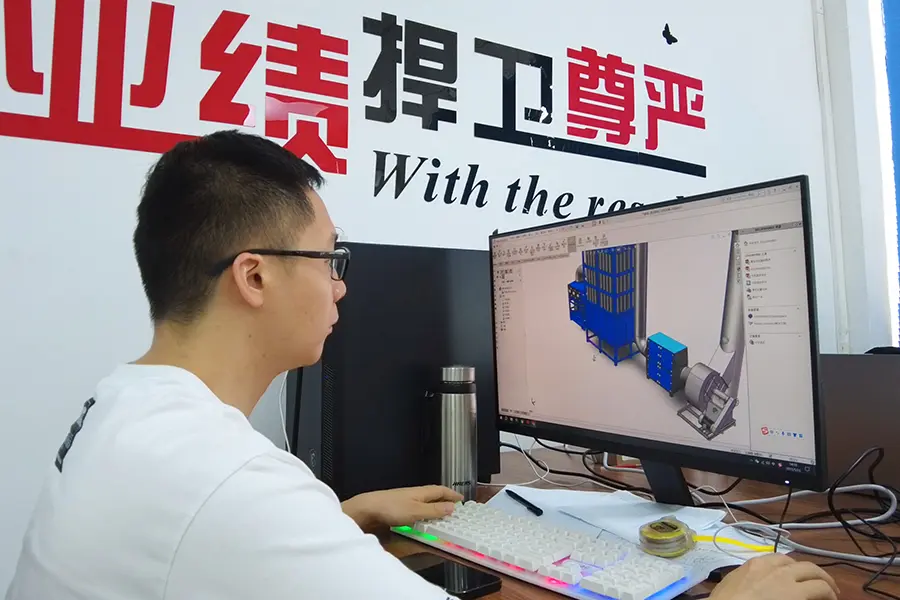
Comprehensive environmental systems addressing odor control, sludge reduction, and high-efficiency water treatment.
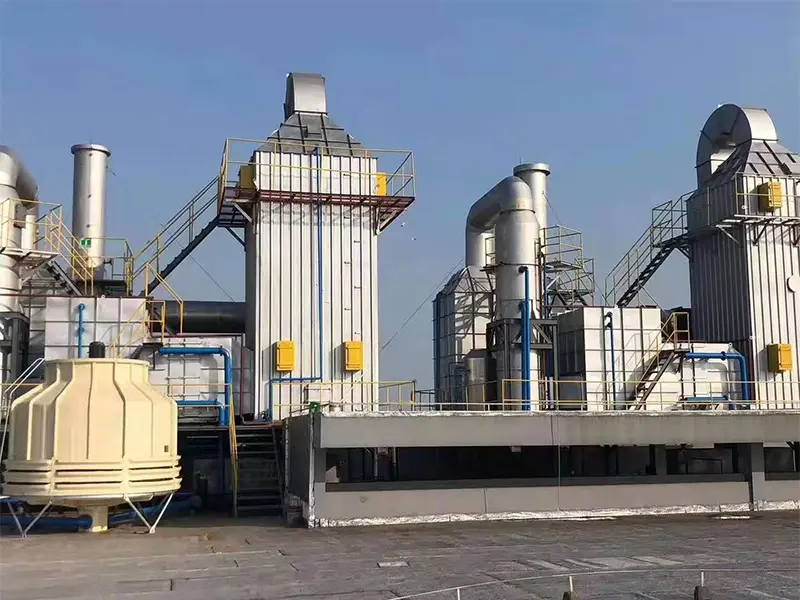
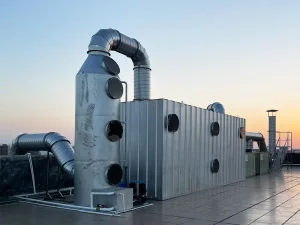
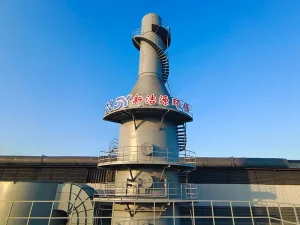
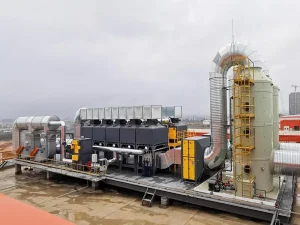
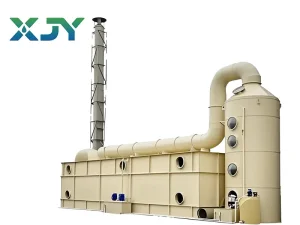
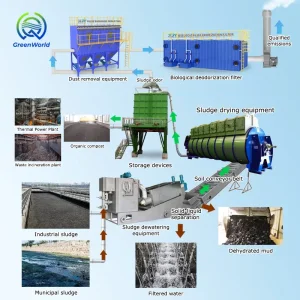
In response to severe odor challenges across agriculture, chemical manufacturing, medical processing, food production, mining, and electroplating industries, XJY has developed the BDS Intelligent Deodorization System. This highly intelligent, high-efficiency system is engineered for unattended and automated operation, helping enterprises and local governments resolve odor complaints and build harmonious community environments.
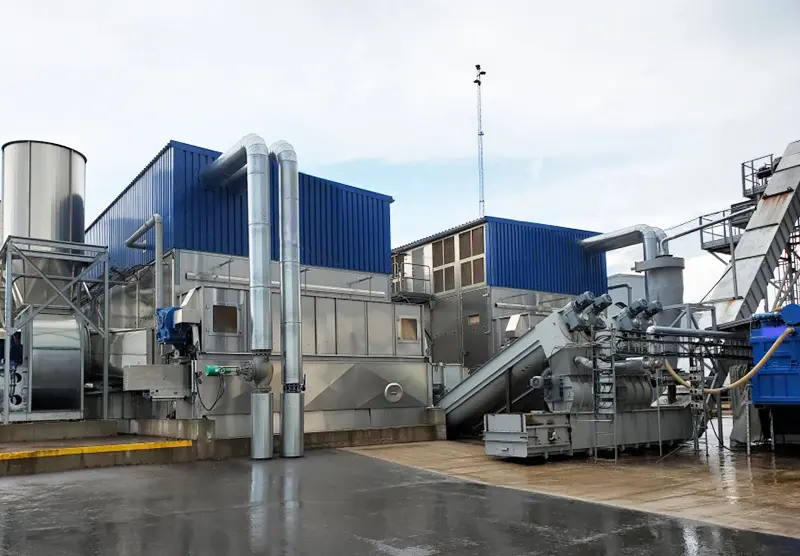
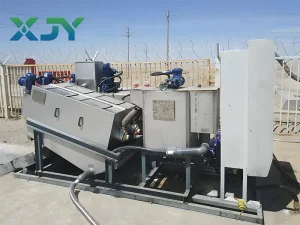
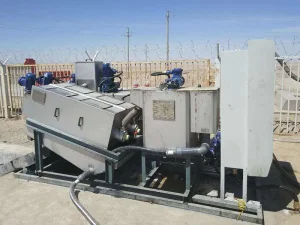
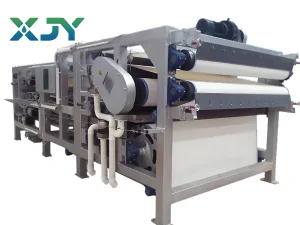
For municipal sludge disposal, industrial sludge handling, and the treatment of black and smelly dredging sludge, XJY provides complete dewatering solutions. We design, construct, and operate sludge drying reduction projects that treat incoming sludge with 80% moisture content, drying it down to 35% moisture content powder granular materials. These dried outputs are then recycled for use in cement plants, thermal power plants, and fertilizer manufacturing.
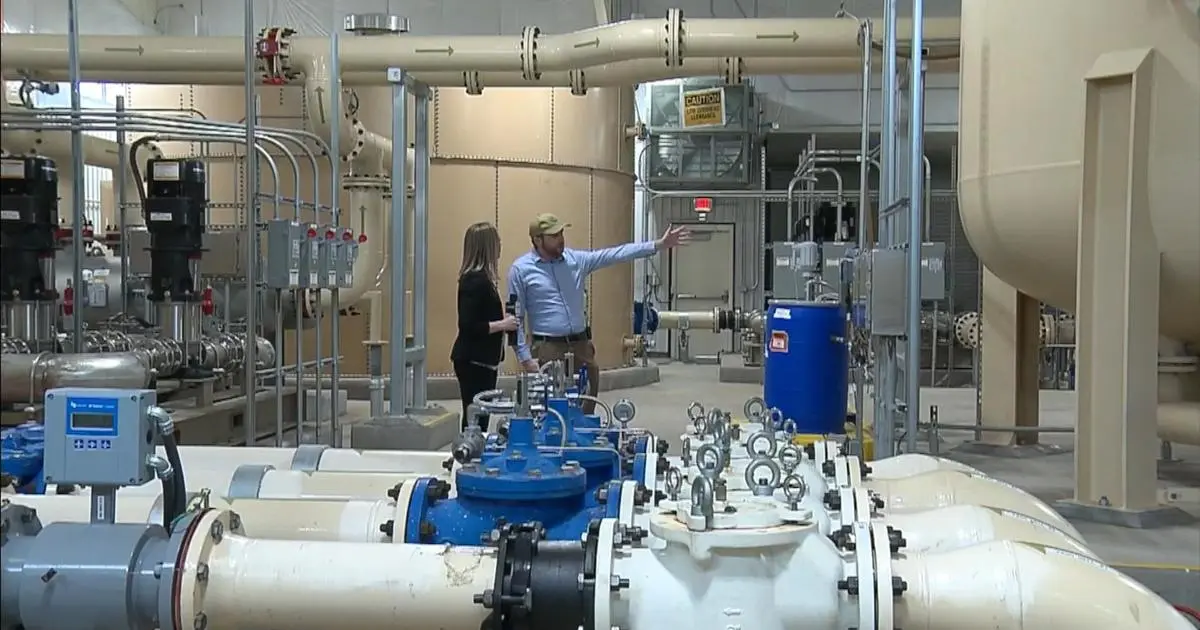
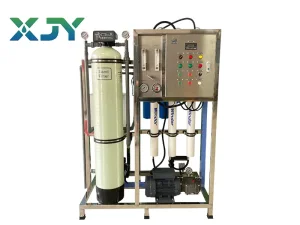
To address freshwater shortages and pollution, XJY developed the WPS Intelligent Water Purification System. This system is designed for high-efficiency operation across municipal, residential, commercial, and industrial facilities.
From purifying drinking water for schools and hospitals to treating complex agricultural and industrial wastewater, the WPS system helps organizations achieve wastewater reuse, lower emissions, and cut down energy costs.
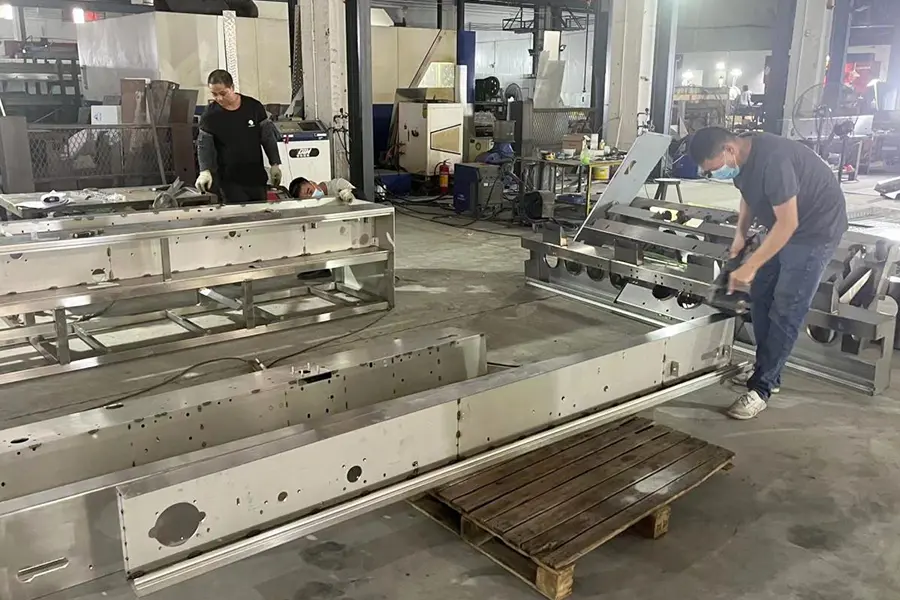
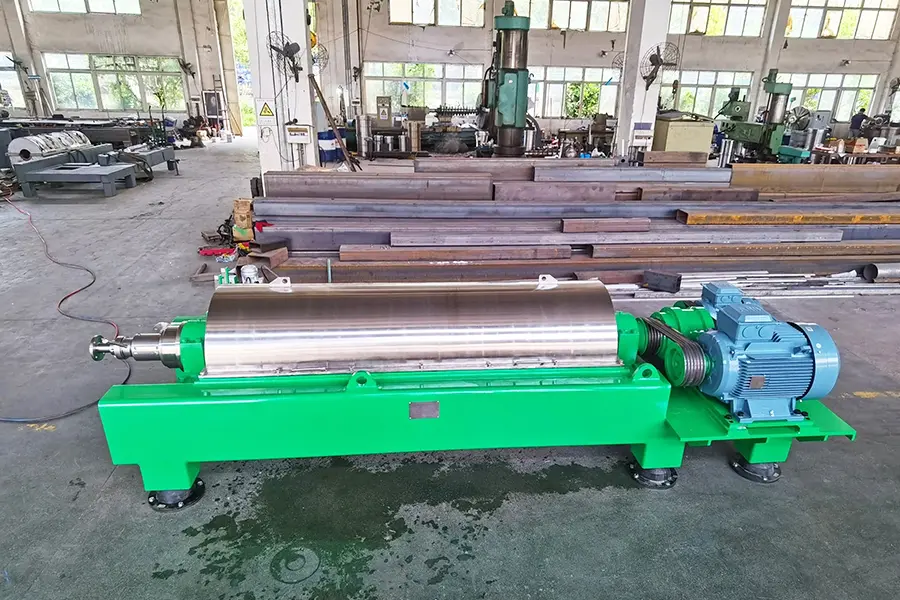
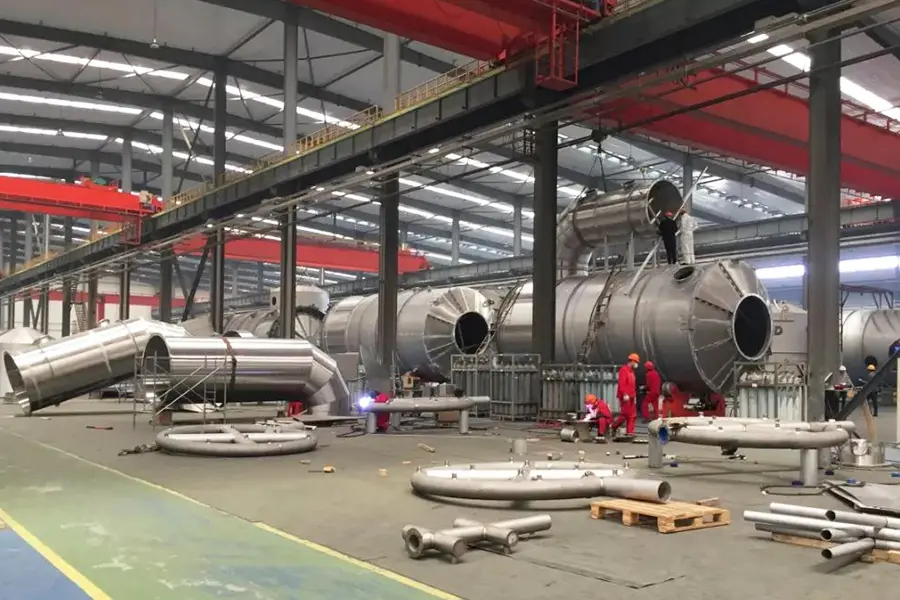
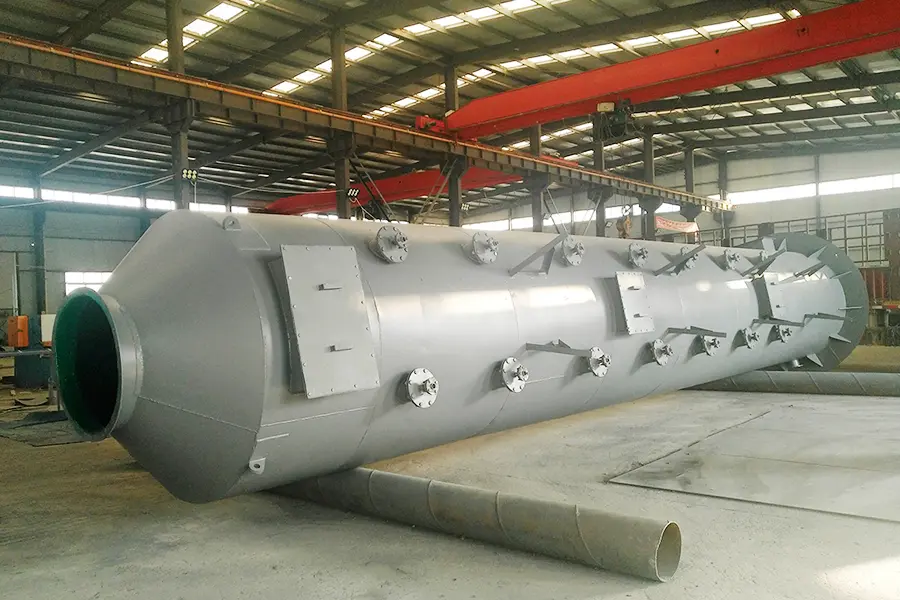
A gallery showcase of our production floors, assembly lines, and quality control departments.
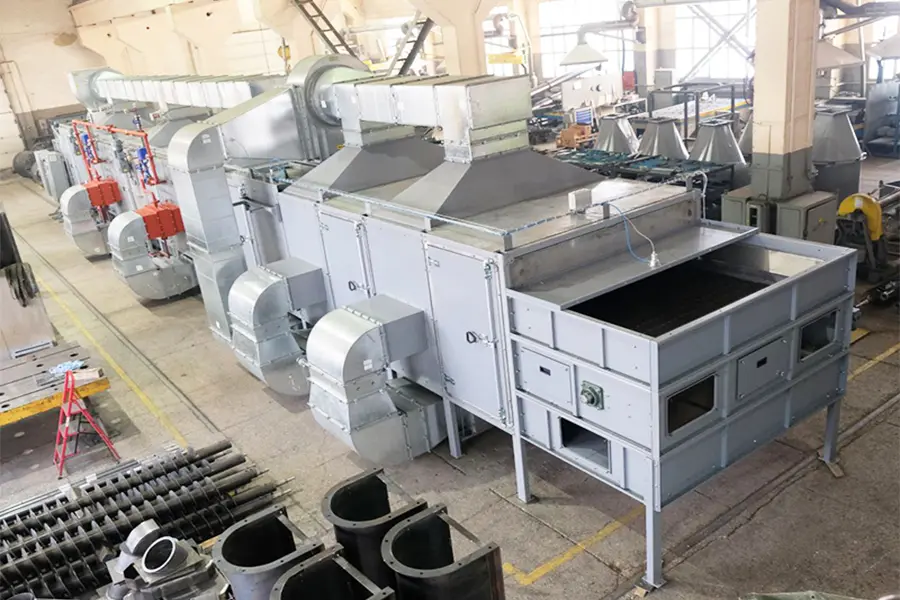
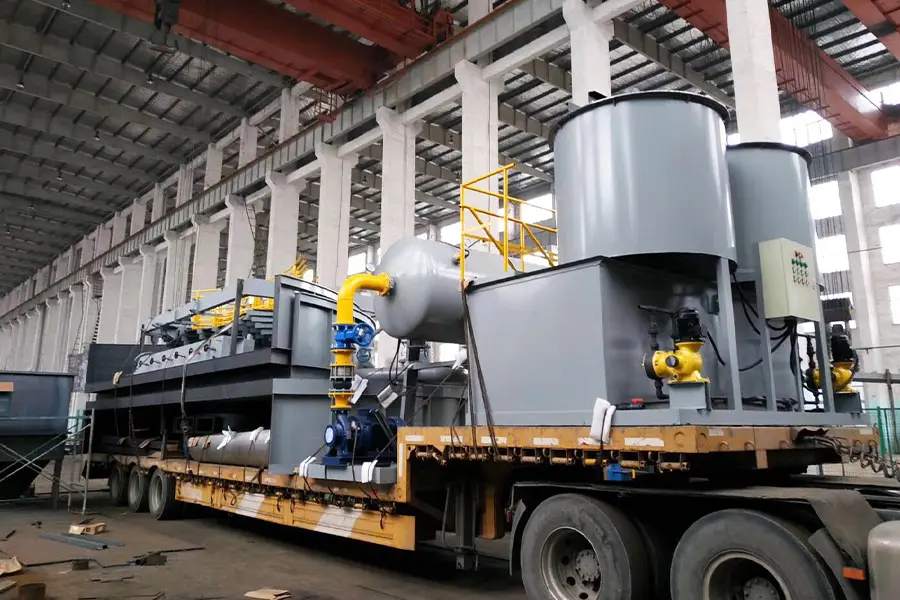
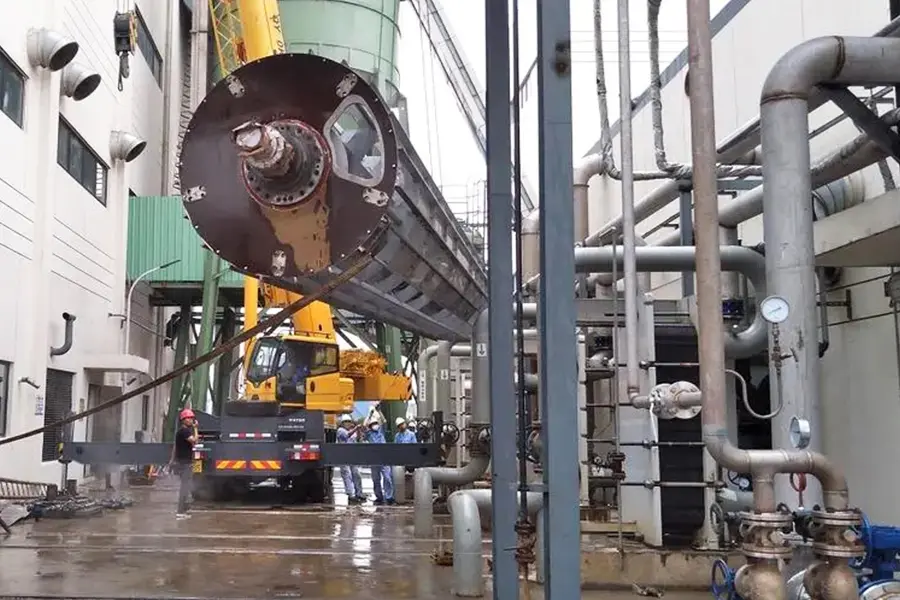
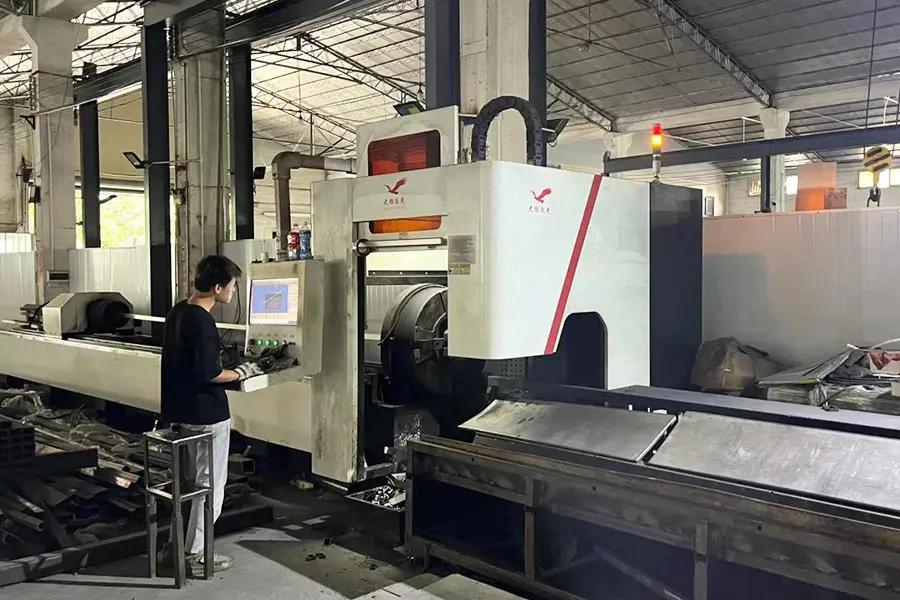
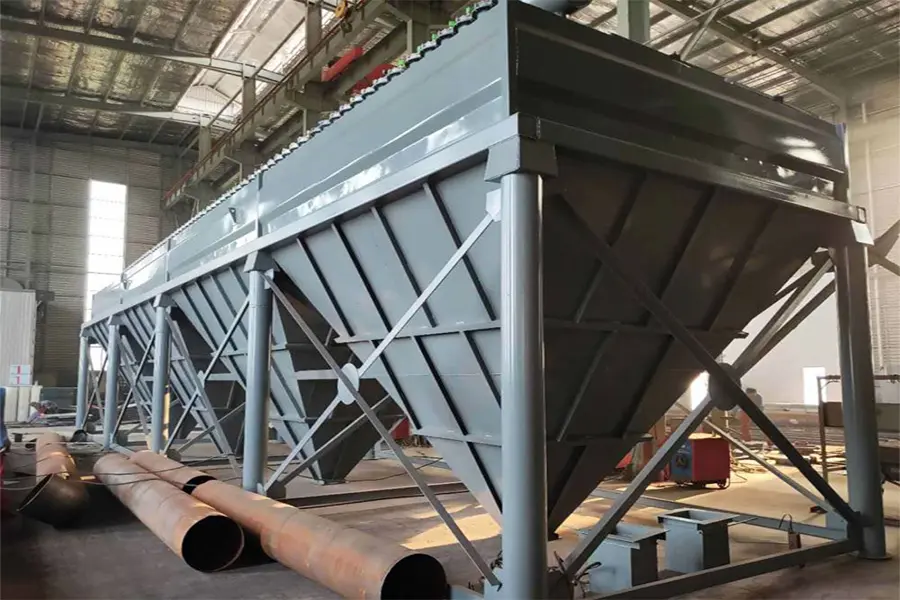
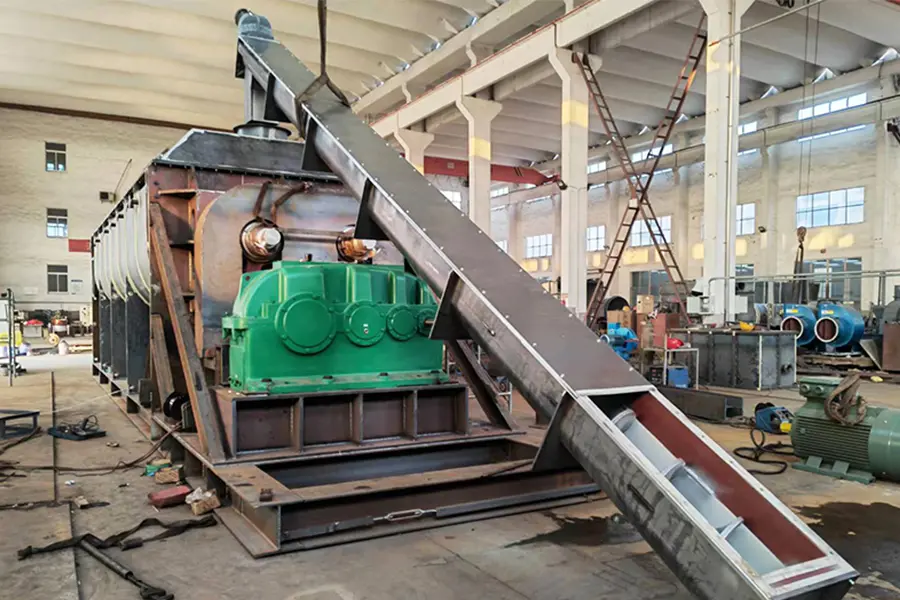
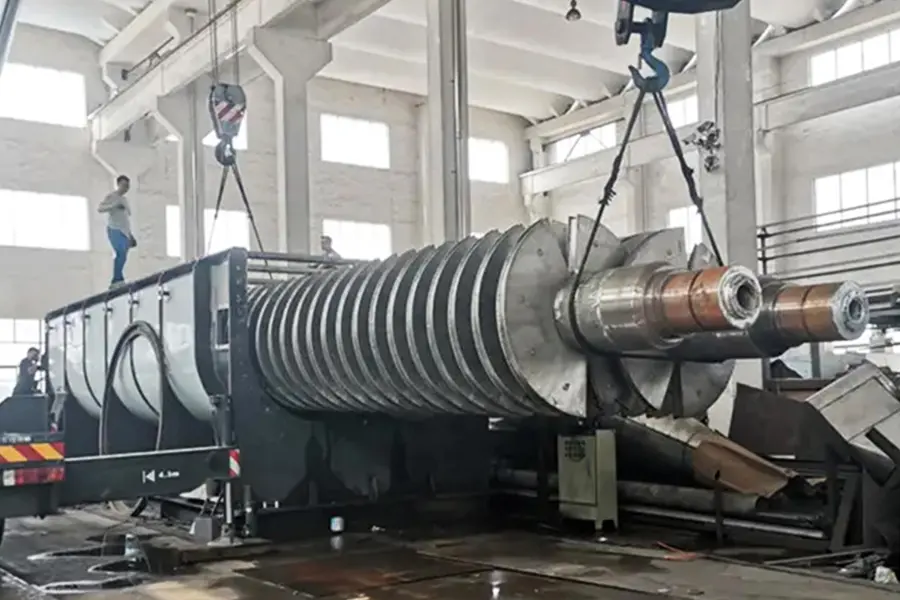
Adapting filtration technology to target specific water quality problems across major industries.
Desalination equipment must be tailored to the specific raw water chemistry and regulatory requirements of each project site. In mining operations, high concentrations of heavy metals and suspended solids require robust pre-filtration prior to RO membrane processing. In chemical manufacturing, process water must consistently meet low-conductivity standards to protect piping and heat exchangers from corrosion and scaling.
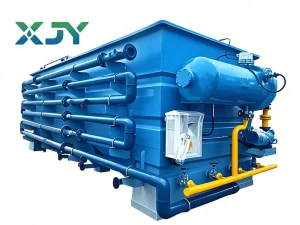
In contrast, agricultural applications focus on removing excess boron and chloride ions, which can harm crop development. For coastal communities, municipal installations must manage seasonal water temperature swings and organic algae blooms. To address these variables, XJY designs systems with multi-stage pretreatment sections, incorporating Dissolved Air Flotation (DAF), sand filtration, and ultrafiltration (UF) to extend reverse osmosis membrane life and reduce overall downtime.
Get answers to common technical queries about industrial desalination and wastewater purification systems.
In well-maintained industrial systems, reverse osmosis membranes typically last between 3 to 5 years. Membrane life is heavily dependent on the effectiveness of the pre-treatment stage (e.g., using DAF, multimedia filters, or nanofiltration to remove colloidal silica, organic matter, and suspended solids) and regular Clean-in-Place (CIP) maintenance.
The BDS intelligent deodorization system utilizes biological oxidation. Odorous compounds such as hydrogen sulfide, ammonia, and VOCs are passed through bio-filtration beds where specialized micro-organisms degrade the target pollutants into odorless substances like water, carbon dioxide, and mineral salts.
The WPS intelligent water purification system utilizes automated variable frequency drives (VFDs) and high-efficiency energy recovery devices (ERDs). By adjusting pump operations based on real-time water demand and system pressure, energy consumption is reduced by 15% to 30% compared to traditional constant-speed systems.
Yes. The system processes municipal or industrial sludge with 80% moisture down to 35% moisture content. The resulting powder is stable, easy to transport, and has a high calorific value, making it suitable for co-combustion in cement kilns, thermal power plants, or as raw material in organic fertilizer production.
Explore our industrial solid-liquid separation machinery and gas emission control installations.
 XINJIEYUAN