Project Introduction
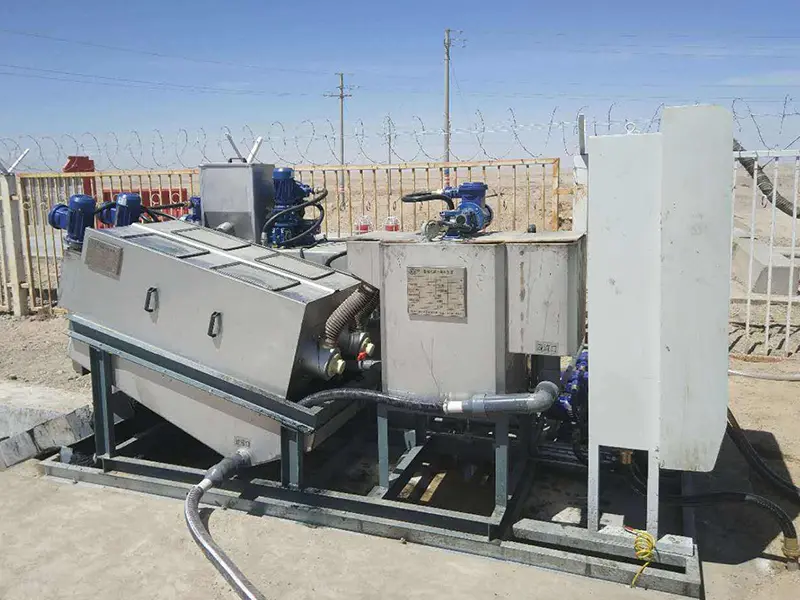
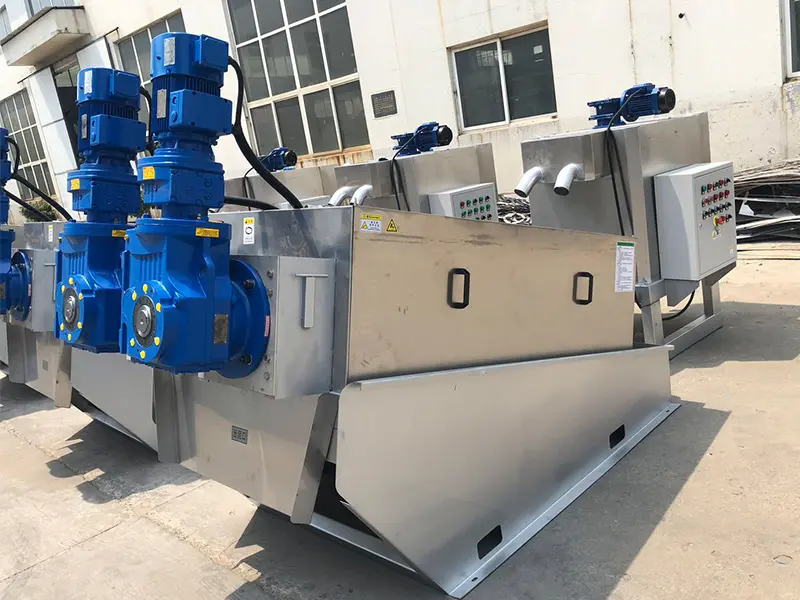
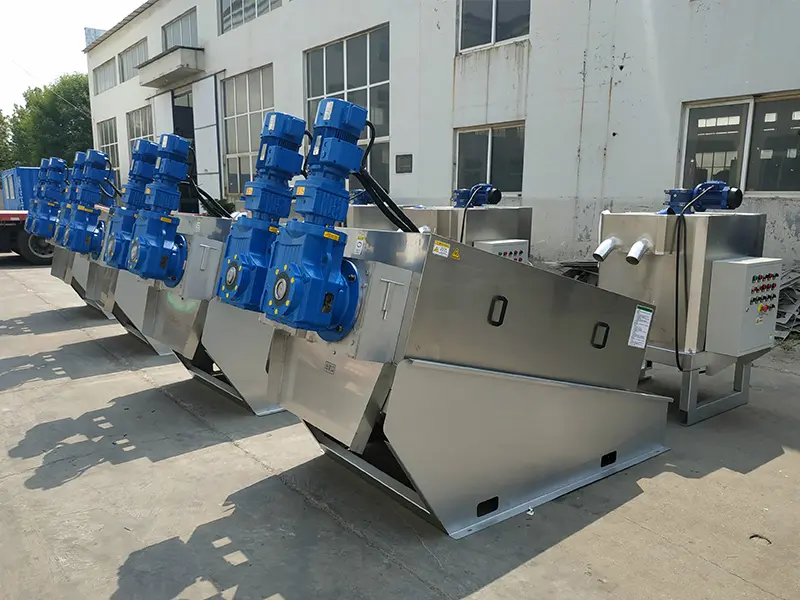
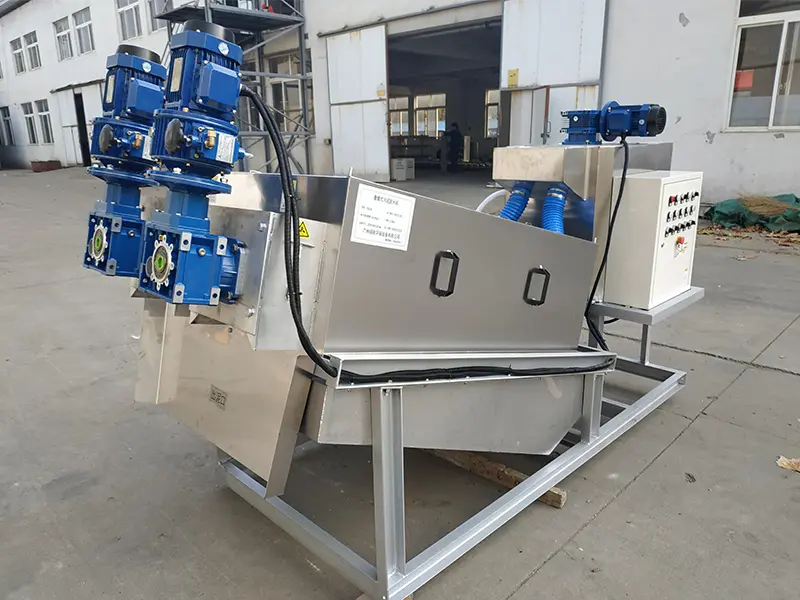
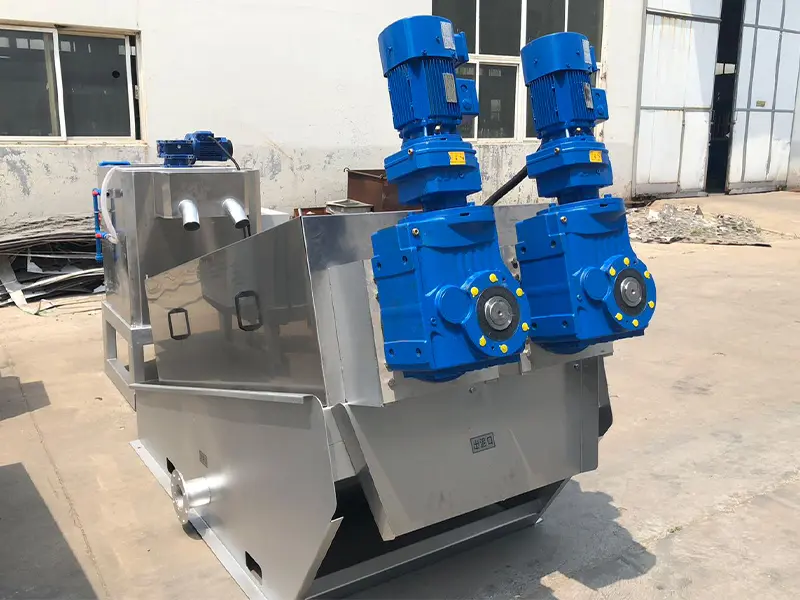
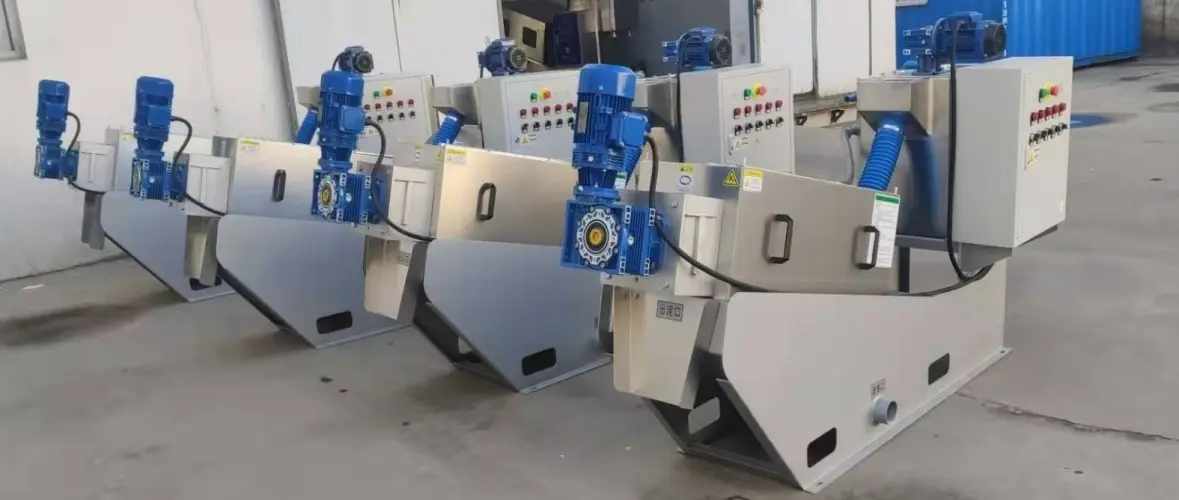
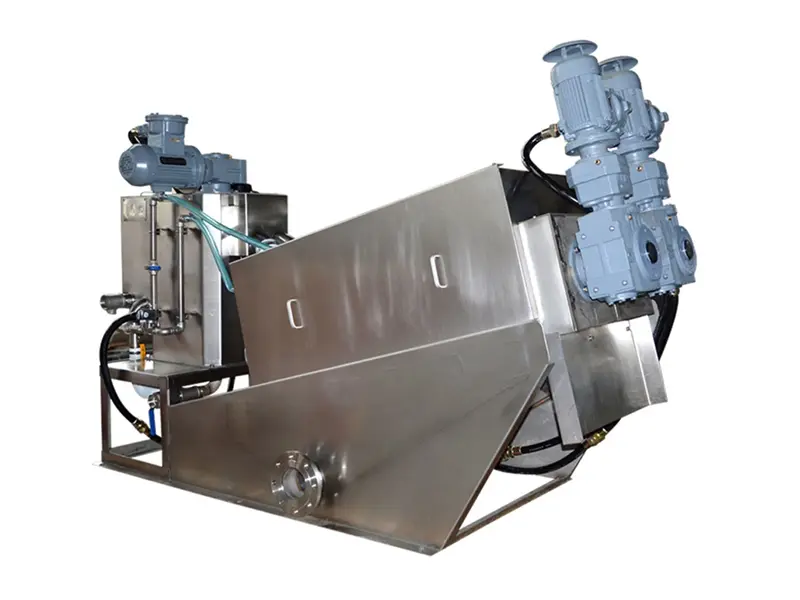
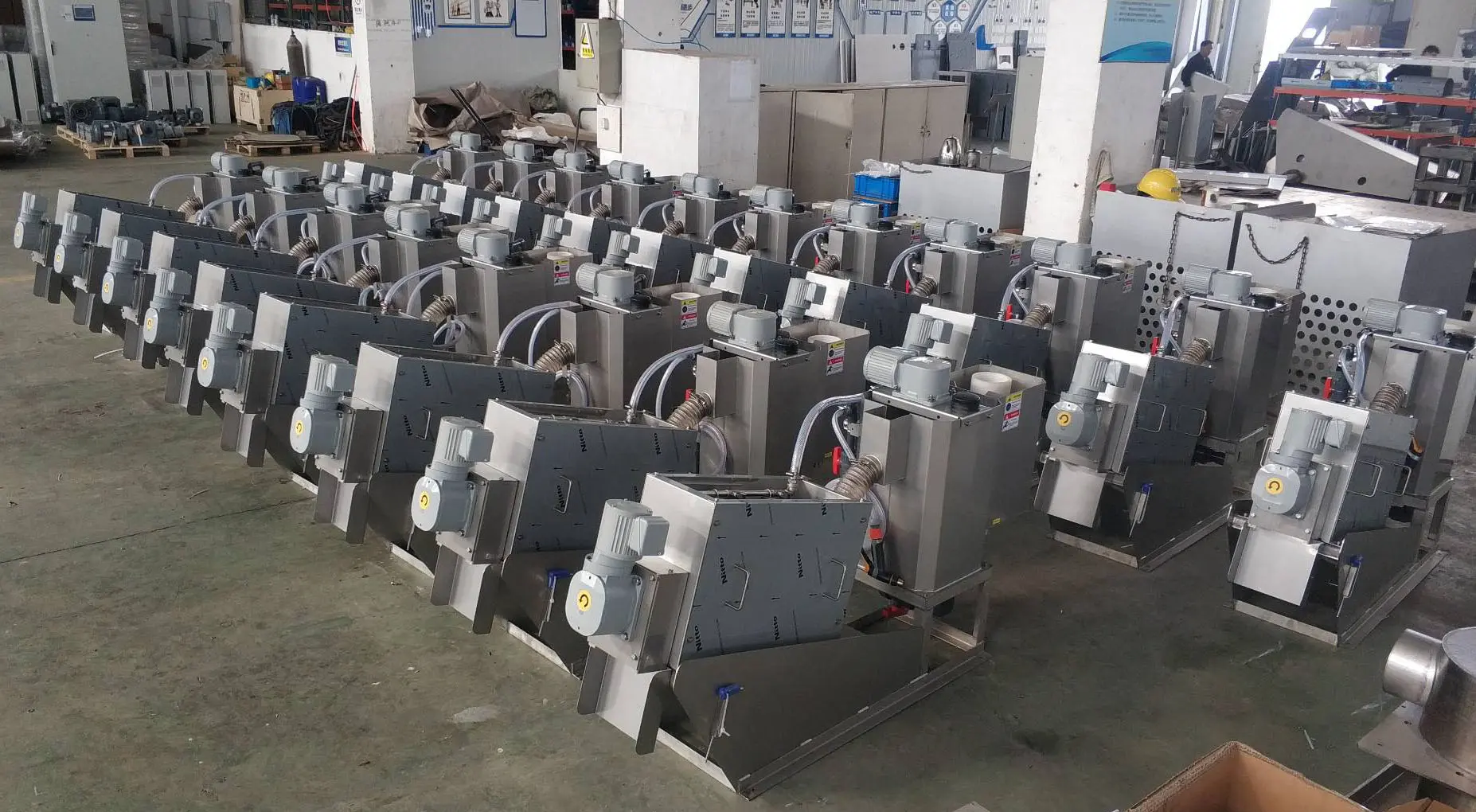
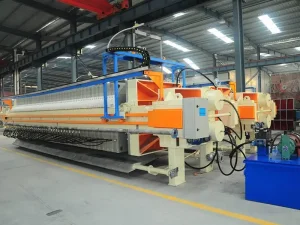
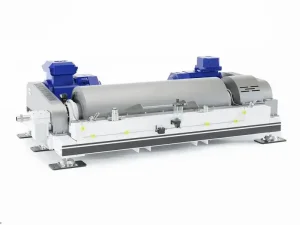
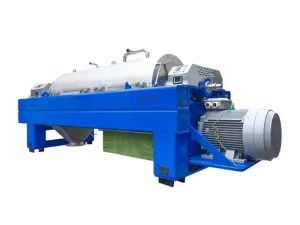
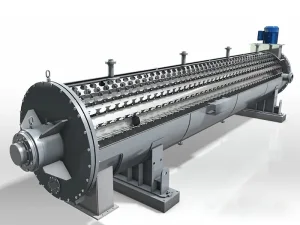
Screw sludge dewatering machine, also known as screw sludge dehydrator equipment, sewage sludge desliming machine, mud extruding machine, mud pressing sludge and waste water separator machine, is a new rise in recent years a kind of sludge solid liquid treatment equipment. It is one of the four popular sludge treatment equipment in the market at present along with screw dehydrator machines, belt pressure filter machines, sludge decanter centrifuges, and sludge plate and frame machines.
Unique Advantages:
★ No blockage & Continuous mud
★ Water & Electricity saving
★ Low concentration direct dehydration
★ Small footprint & Easy operation
Structure & Operating Principle
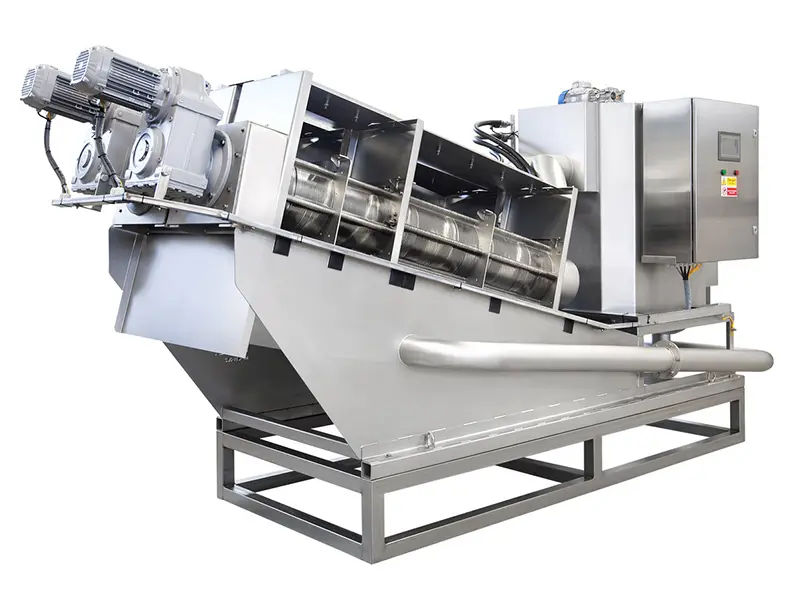
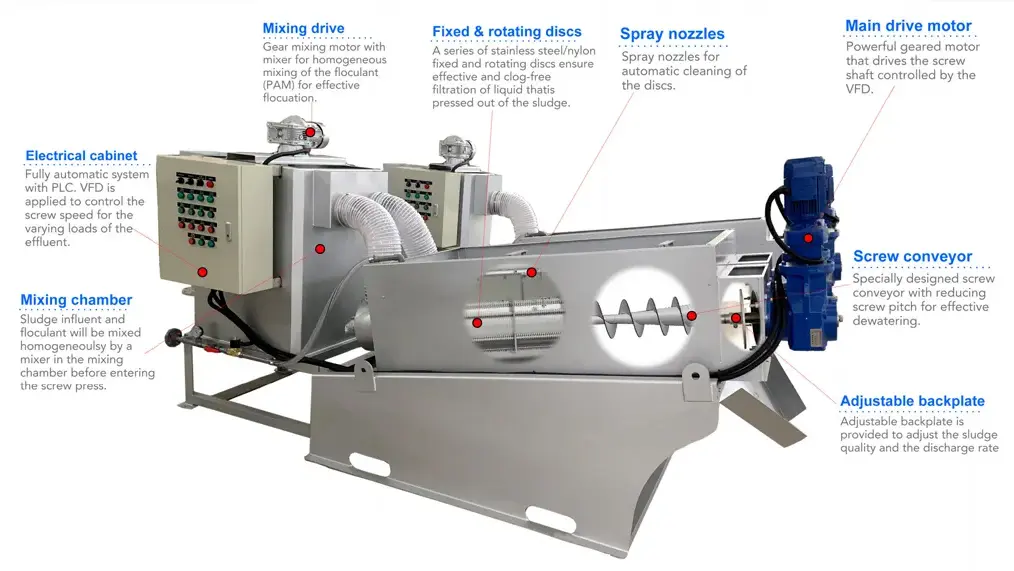
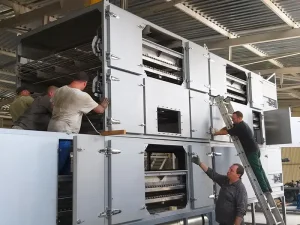
The screw stacking dehydrator machine is a new type of equipment used in sewage sludge treatment. It adopts 304 stainless steel material and a national standard pure copper motor. The main body consists of high-precision screw stacking pieces, designed for a service life of more than 10,000 hours. The equipment integrates a safety electric control cabinet, metering tank, flocculation mixing tank, and the main dewatering body.
Core Mechanism:
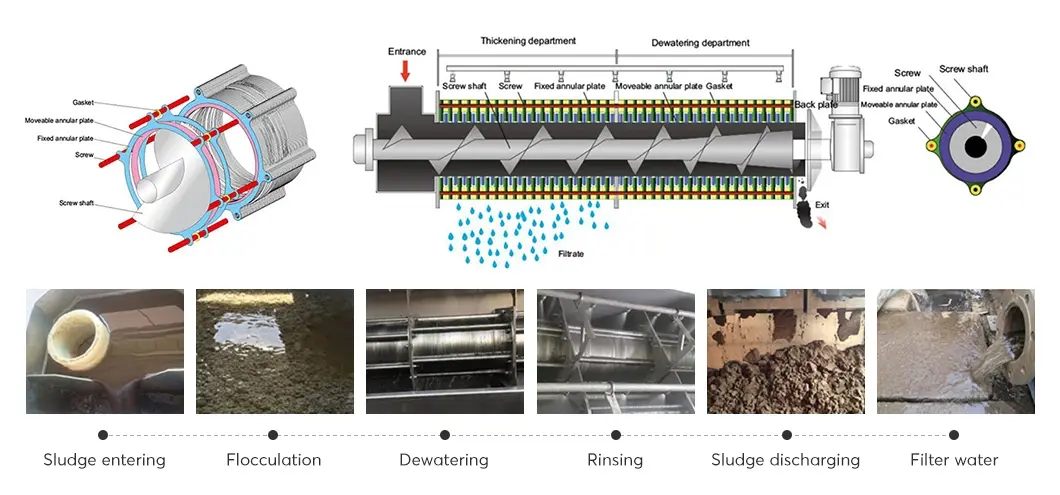
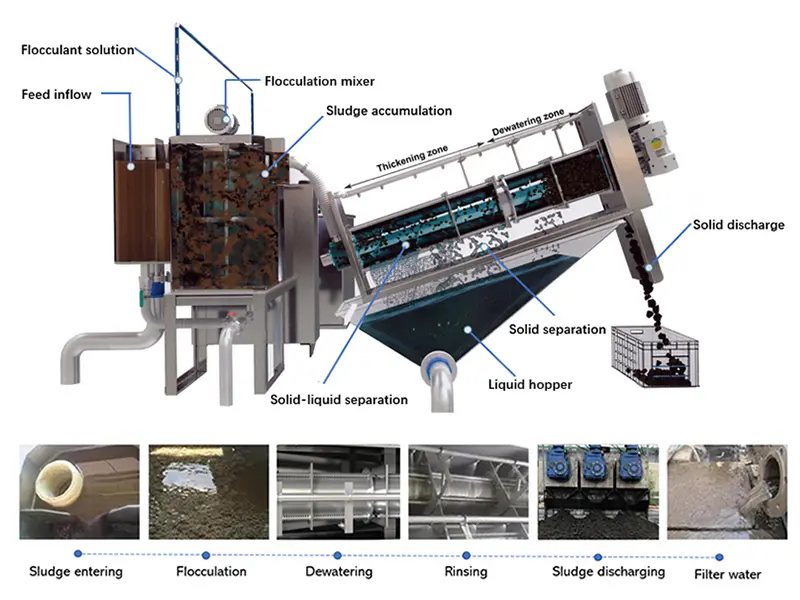
- The main body is composed of fixed rings and swimming rings superimposed with a screw shaft running through.
- The filter seam and screw pitch gradually decrease from the concentration section to the dehydration section.
- Rotation of the screw shaft transports sludge and drives the swimming rings to clean the filter seam, preventing blockages.
- Internal pressure increases as the volume shrinks, achieving full dehydration against the back pressure plate.
Working Principle & Systems
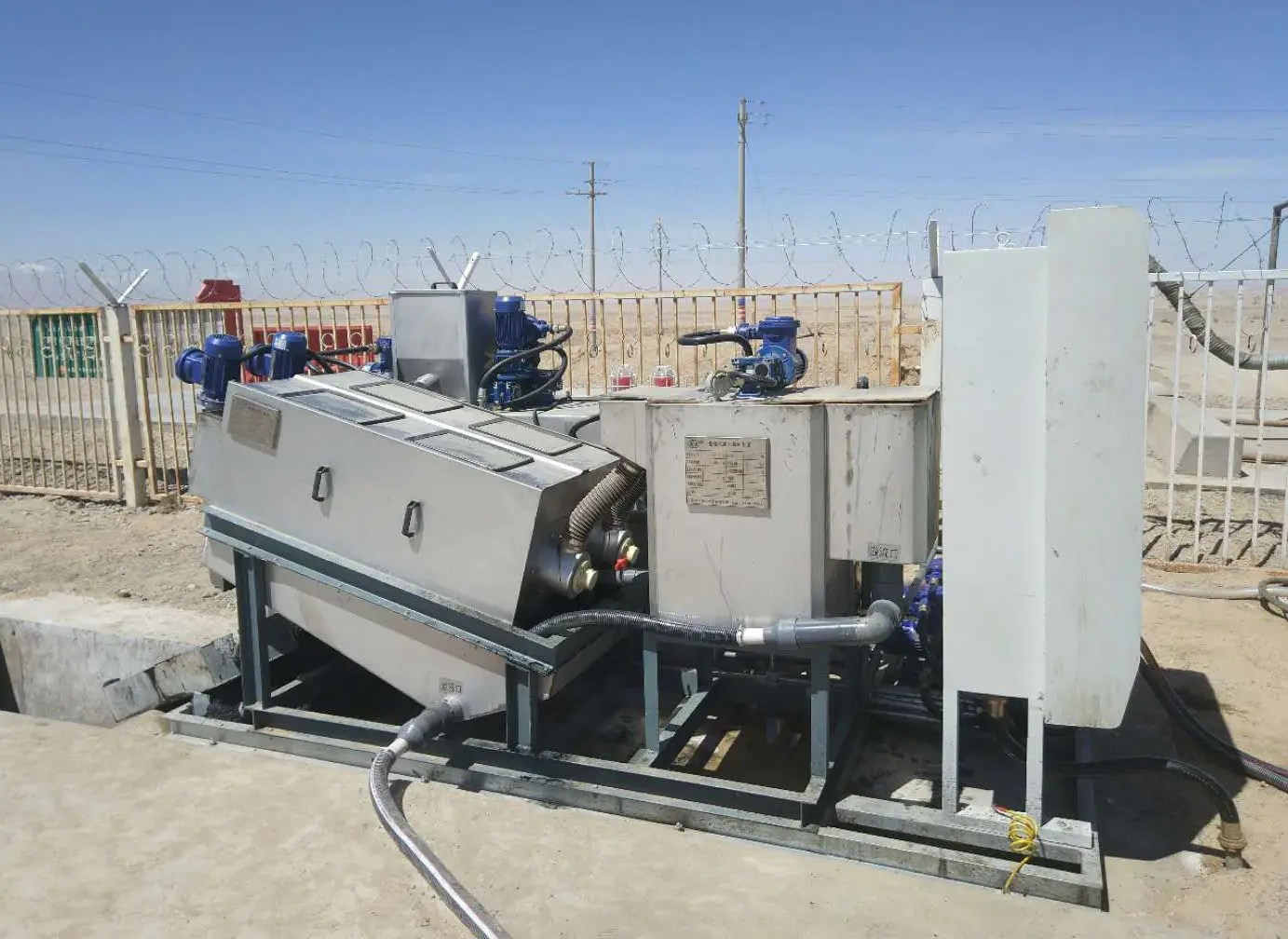
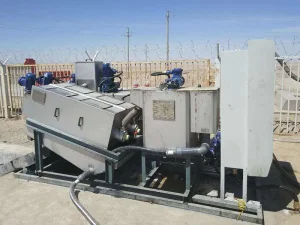
The integrated screw type sludge dewatering system can be directly moved to the sludge tank for treatment. The integrated dosing device handles the dissolution and ripening of agents, while the screw dewatering machine completes the separation. The resulting mud cake is then transported by a shaftless screw conveyor.
This equipment has a wide range of applications in urban sewage treatment, chemical enterprises, and other industries. It purifies sewage, dehydrates sludge to reduce volume, and facilitates efficient transport for subsequent treatment.
Our Key Advantages
Wide Application: Suitable for municipal, petrochemical, textile, paper, and food processing industries.
Anti-Clogging: The moving and fixed filter gap structure eliminates the need for extensive cleaning.
Full Automation: Continuous automatic operation from sludge pumping to chemical injection and discharge.
Cost Efficient: Compact design reduces construction costs and low-speed technology minimizes power consumption.
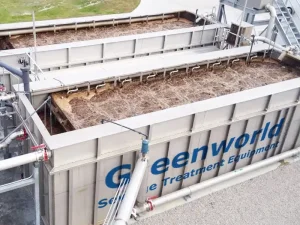
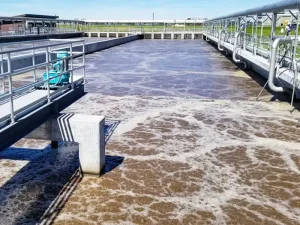
By processing aerobic sludge directly in the aeration tank, project investment costs are significantly reduced. This eliminates the need for separate thickening and storage units. Additionally, the dehydration takes place under aerobic conditions, preventing the release of phosphorus and providing environmental benefits.
Frequently Asked Questions
What makes the screw sludge dewatering machine better than traditional filters?
It offers a non-clogging structure, continuous automatic operation, and significantly lower water and electricity consumption compared to belt presses or plate and frame filters.
Can this machine handle low-concentration sludge?
Yes, the screw press is designed with a concentration section that allows it to handle sludge directly from aeration tanks, eliminating the need for separate thickening tanks.
What material is the machine constructed from?
The main body and key components are constructed from high-quality 304 stainless steel to ensure durability and corrosion resistance.
Is the operation fully automated?
Yes, the system is equipped with an electric control cabinet that manages the entire process from sludge feeding and chemical dosing to dewatering and discharge.
How does the self-cleaning mechanism work?
The rotation of the screw shaft continuously moves the swimming rings, which cleans the gaps between the fixed rings, preventing solids from clogging the filter.
What industries are suitable for this equipment?
It is widely used in municipal wastewater, food processing, petrochemical, textile, pharmaceutical, and paper industries.
 XINJIEYUAN