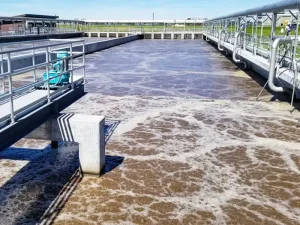
Project Introduction
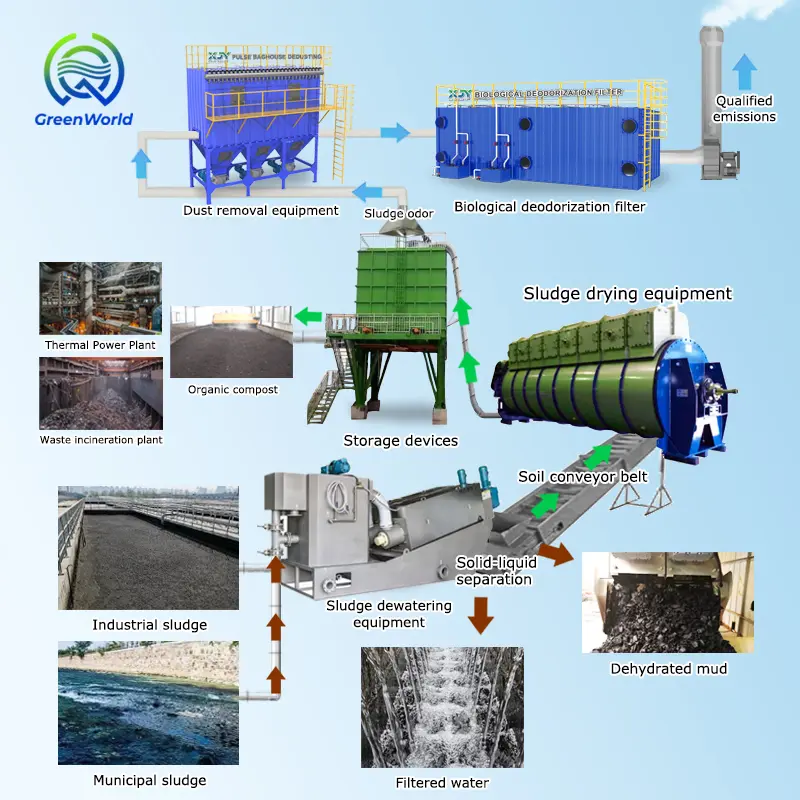
Definition of sludge treatment: Sludge treatment refers to the process of treating sludge produced during sewage treatment. These sludges contain a large amount of water, organic matter, inorganic matter, and microorganisms. If they are directly discharged or disposed of without treatment, they will cause serious pollution to the environment.
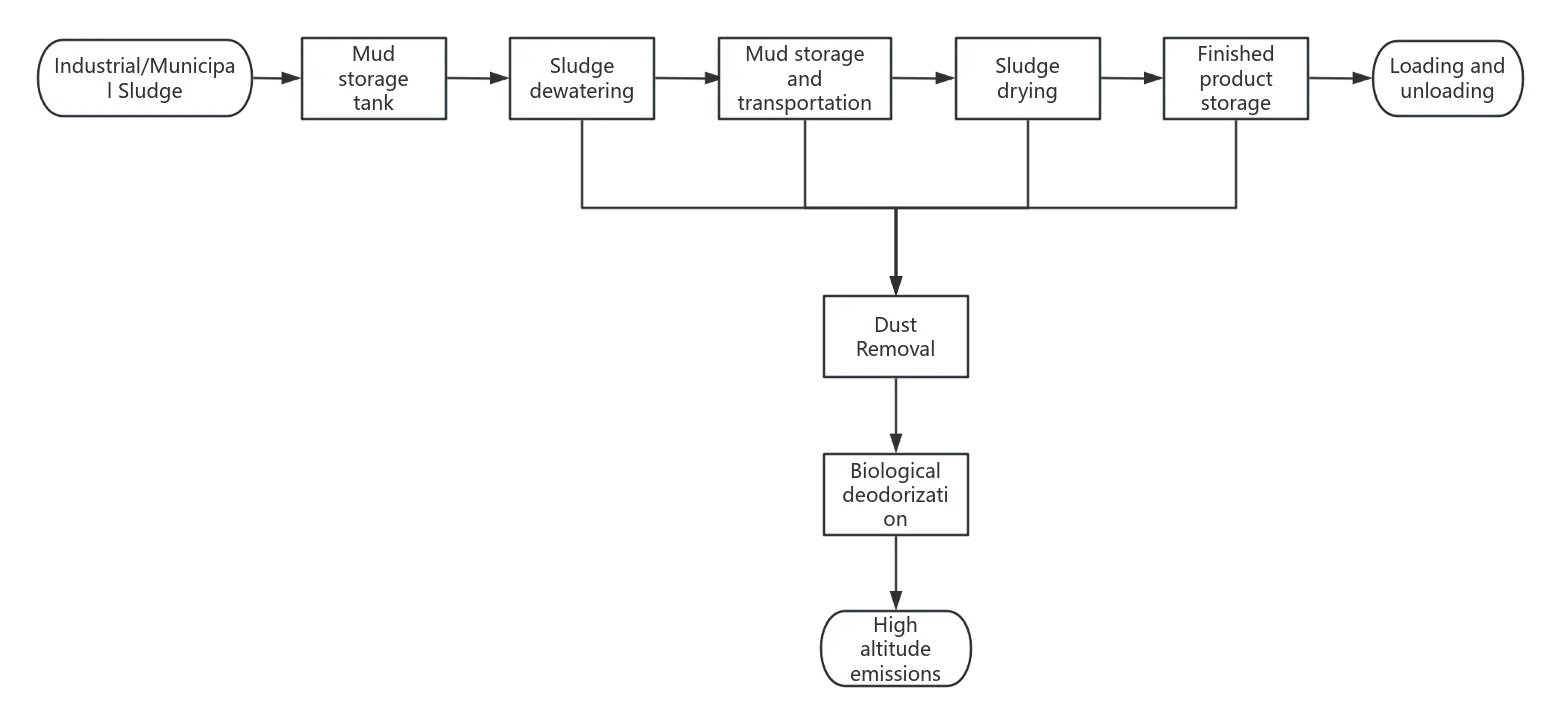
Picture 1: Sludge treatment flow chart
What is the purpose of sludge treatment?
The purposes of sludge treatment include reducing the volume of sludge, reducing the water content of sludge, stabilizing the properties of sludge and facilitating subsequent disposal and utilization.
Reduce the volume of sludge: Through steps such as concentration and dehydration, the water content is greatly reduced for easier transportation and disposal.
Reduce the water content: Further remove moisture to increase dry solidity, facilitating stabilization and harmlessness.
Stabilize properties: Through biological treatment like anaerobic digestion, organic matter is degraded and pathogens are killed.
Facilitate disposal and utilization: Allows for safe land use, landfill, incineration, or use as building materials.
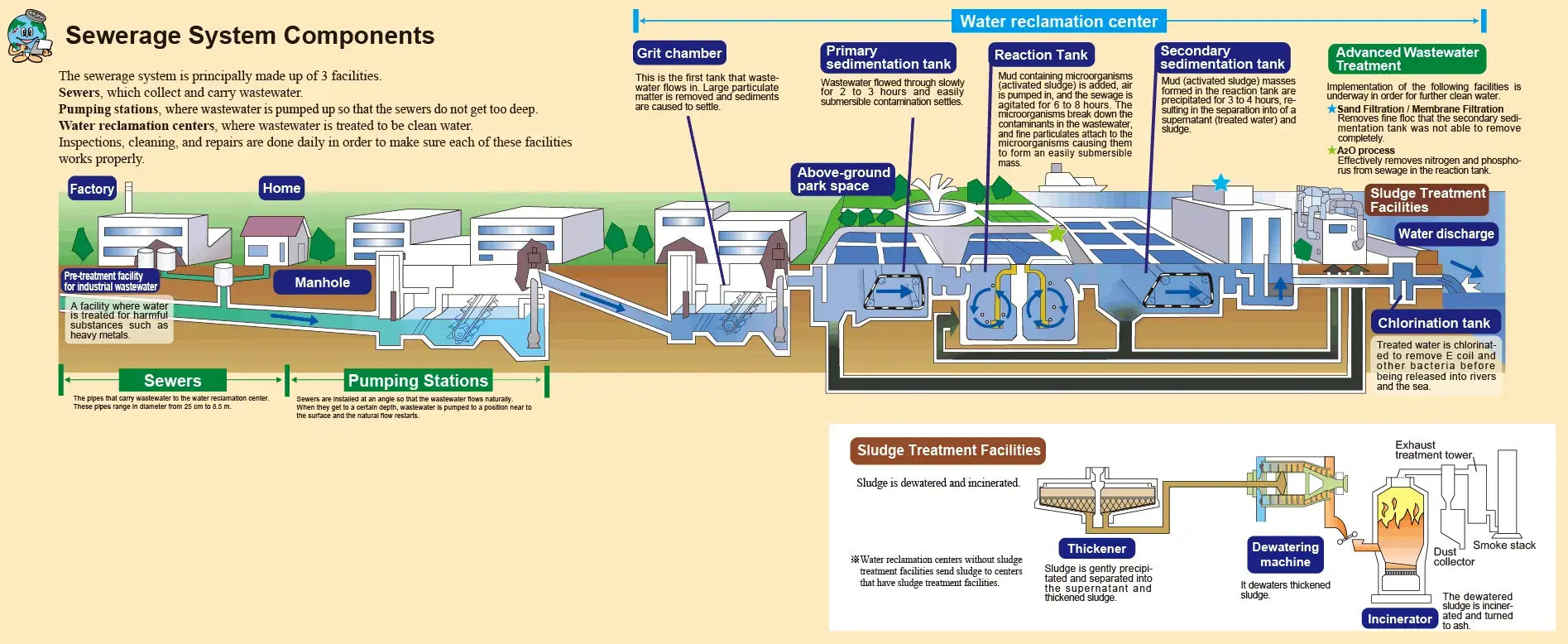
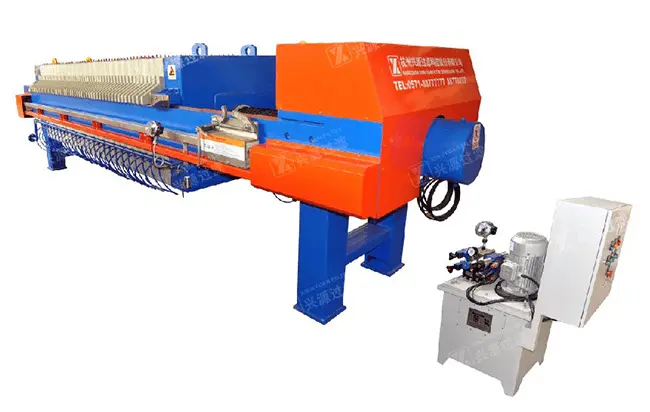
Picture 2: Sewerage system components
Main Methods of Sludge Treatment
Mechanical dehydration: Uses centrifugal force or pressure to reach about 80% water content.
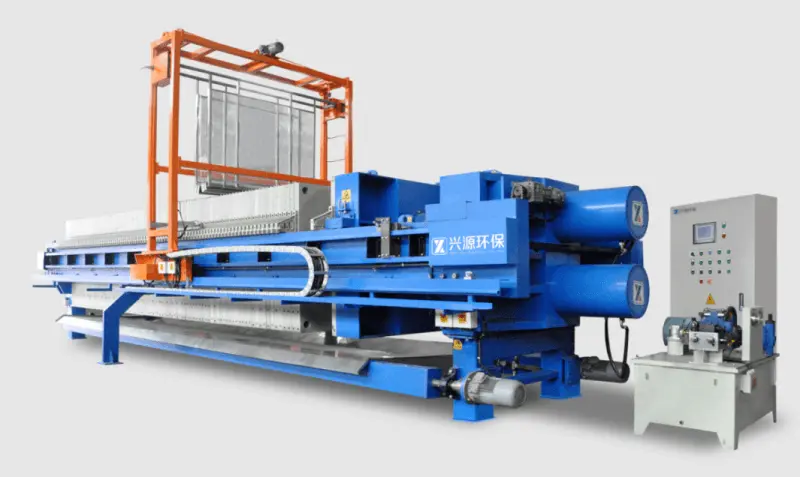
Chemical conditioning + Plate and frame filter press: Adding agents like lime or PAM to reach about 60% water content.
Anaerobic fermentation: Decomposing organic matter into gases like methane for stabilization.
Aerobic fermentation: Converting sludge into stable humus for agricultural fertilizers.
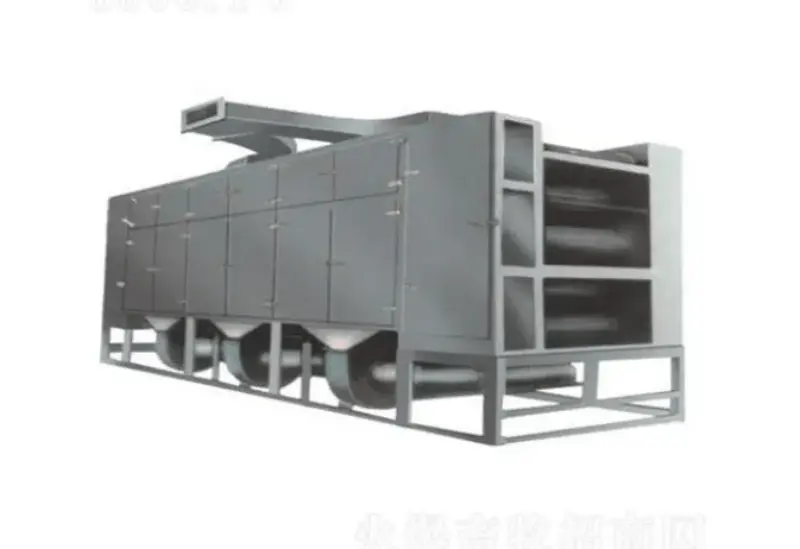
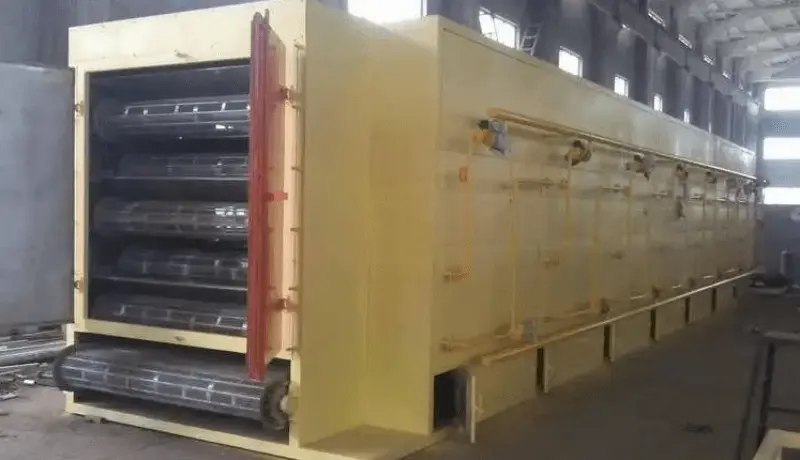
Thermal drying: Using heat energy to evaporate water via belt or rotary dryers.
The Process of Sludge Treatment
The sequence ensures environmental protection and resource efficiency:
Collection and transportation: Gathering sludge from sewage plants and industrial facilities.
Thickening: Increasing solids content via gravity or mechanical devices like centrifuges.
Stabilization: Reducing decomposition potential and odor via digestion or lime addition.
Dewatering: Using filter presses or centrifuges to make sludge easier to handle.
Disposal or reuse: Options include landfilling, incineration, or soil improvement applications.
Available Equipment Solutions
1. Sludge Dewatering Equipment
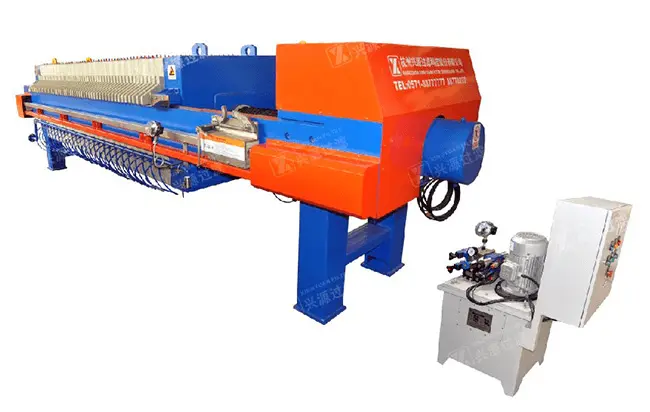
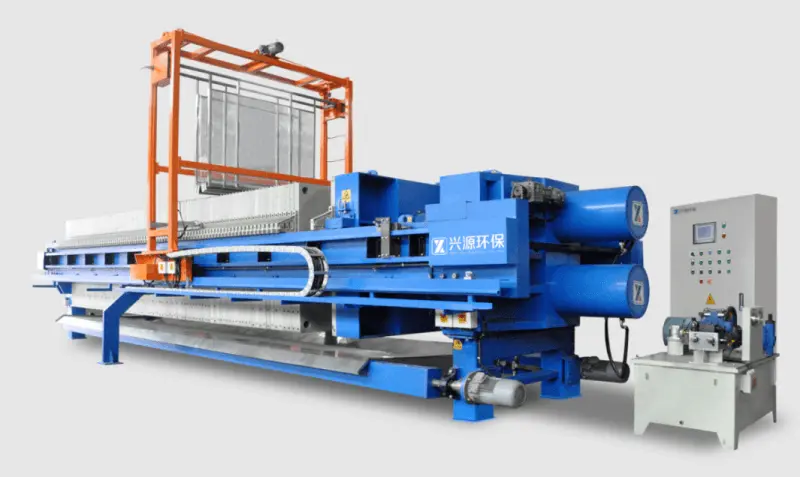
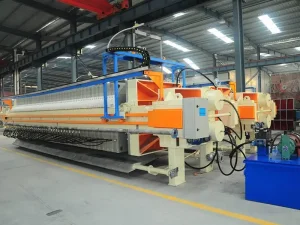
Plate and frame filter press: Known for high solid content in filter cakes and clear filtrate. Widely used in small sewage treatment plants.
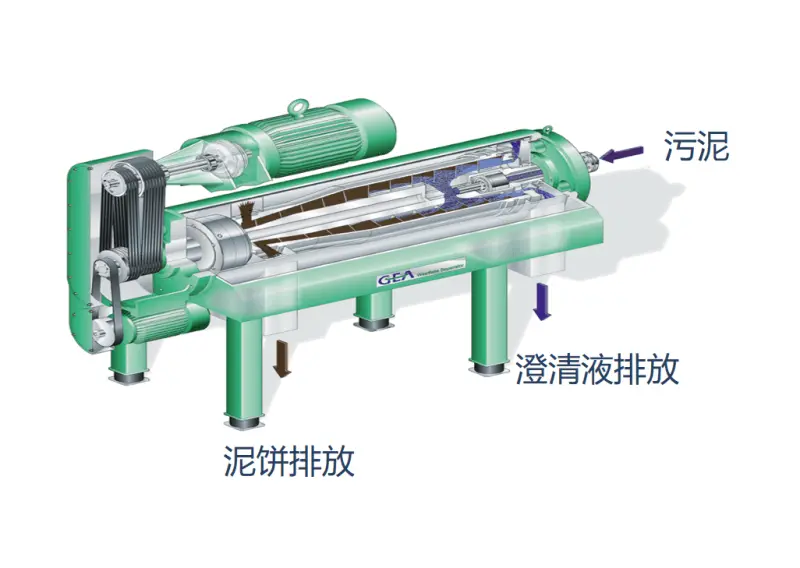
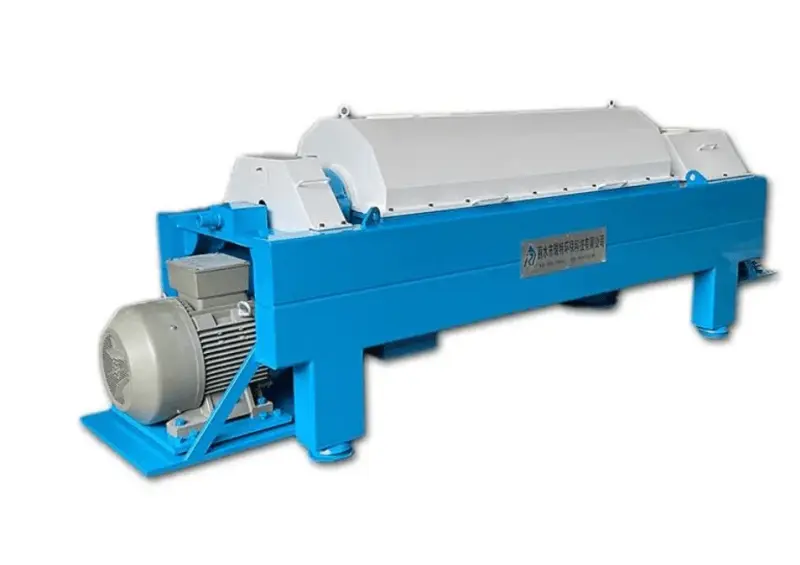
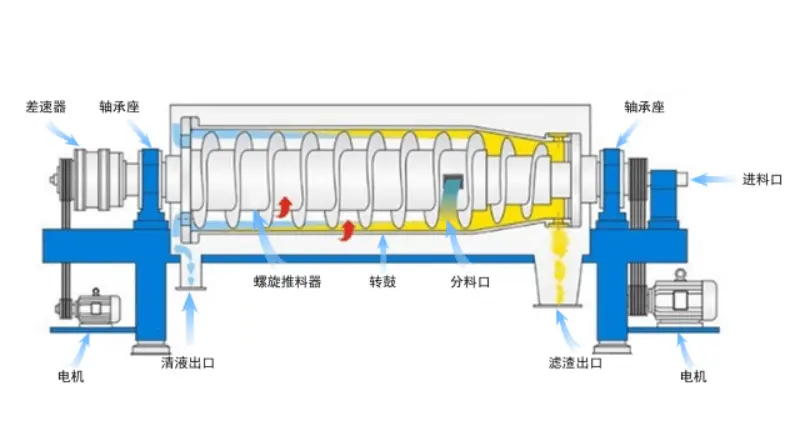
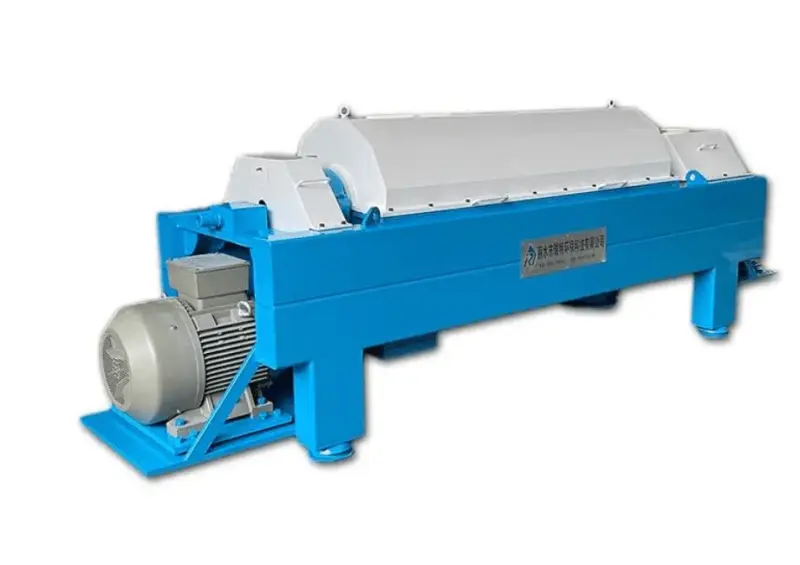
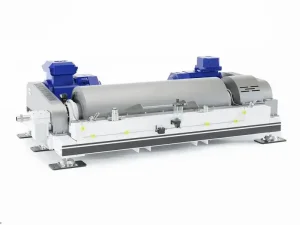
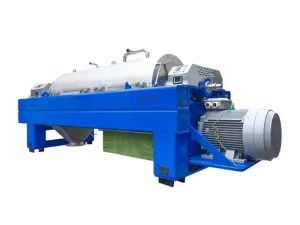
Centrifugal dehydrator: Uses high-speed rotation to separate solid layers from liquid layers efficiently.
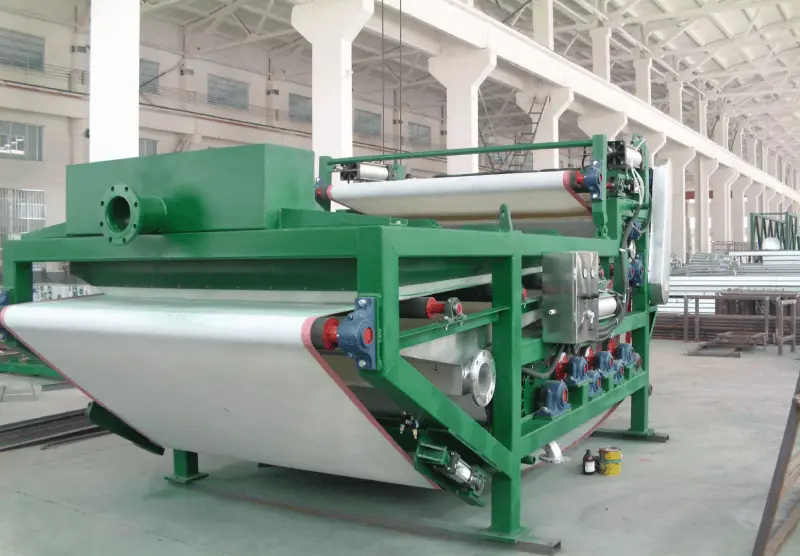
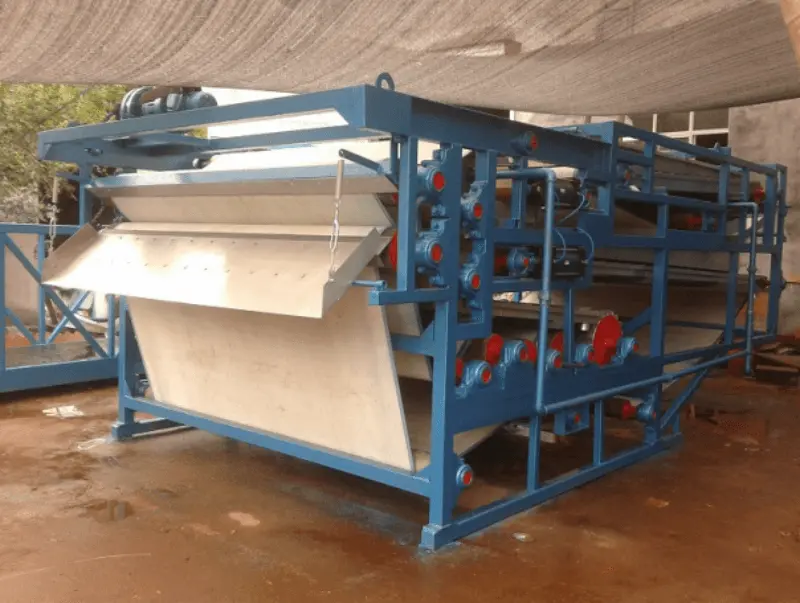
Belt filter press: Preferred for urban sewage due to low energy consumption, continuous operation, and high efficiency.
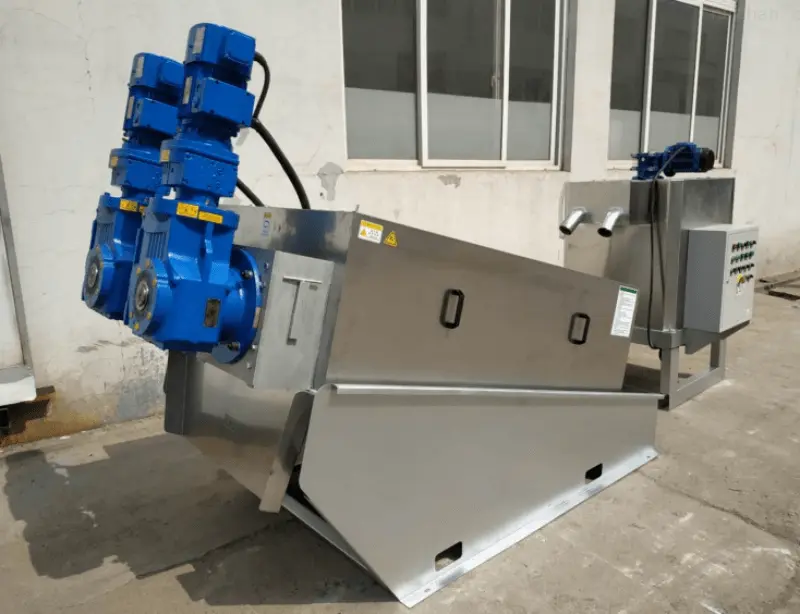
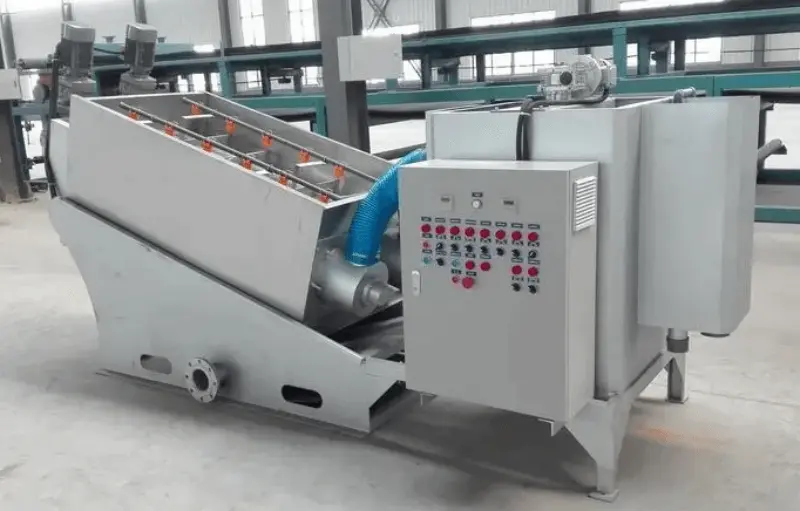
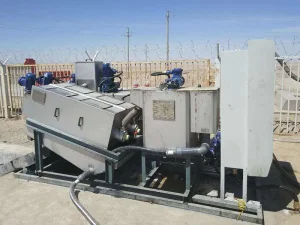
Snail stacking dehydrator: A new solid-liquid separator using screw diameter changes for extrusion force.
2. Sludge Conveying Equipment
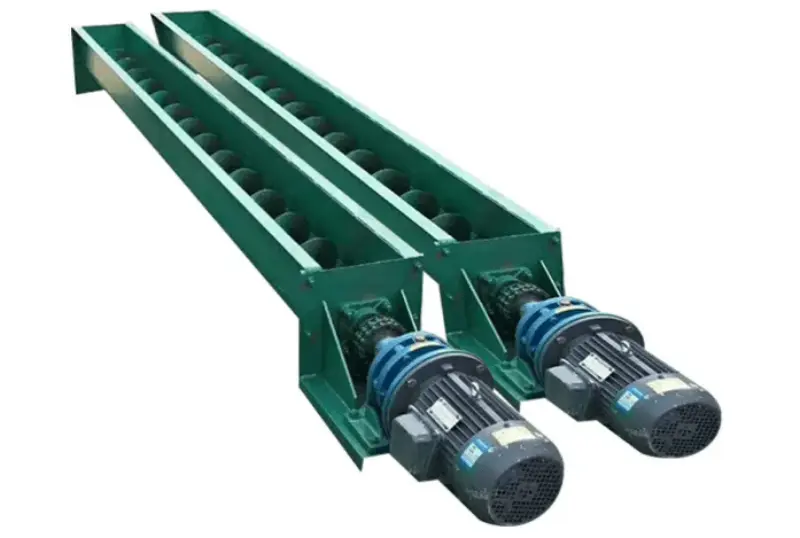
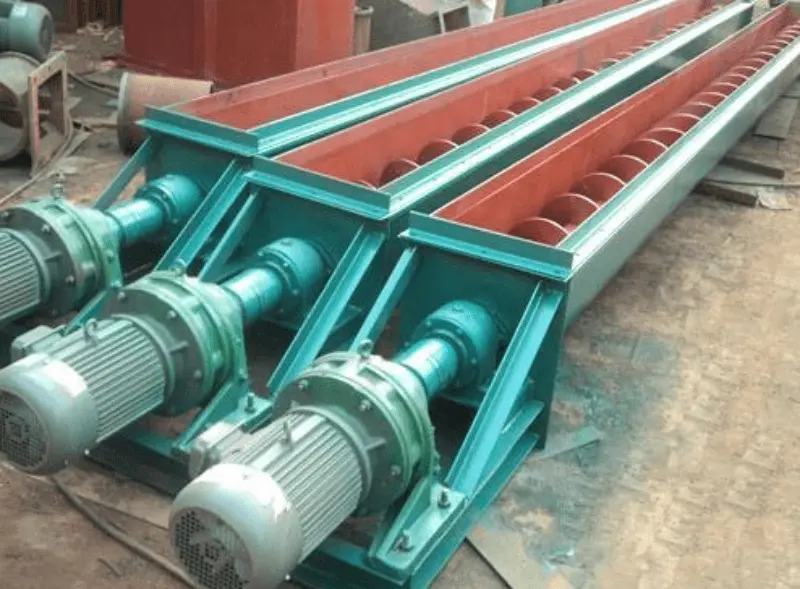
Screw conveyor: Rotating helical blades for transporting semi-solid materials efficiently.
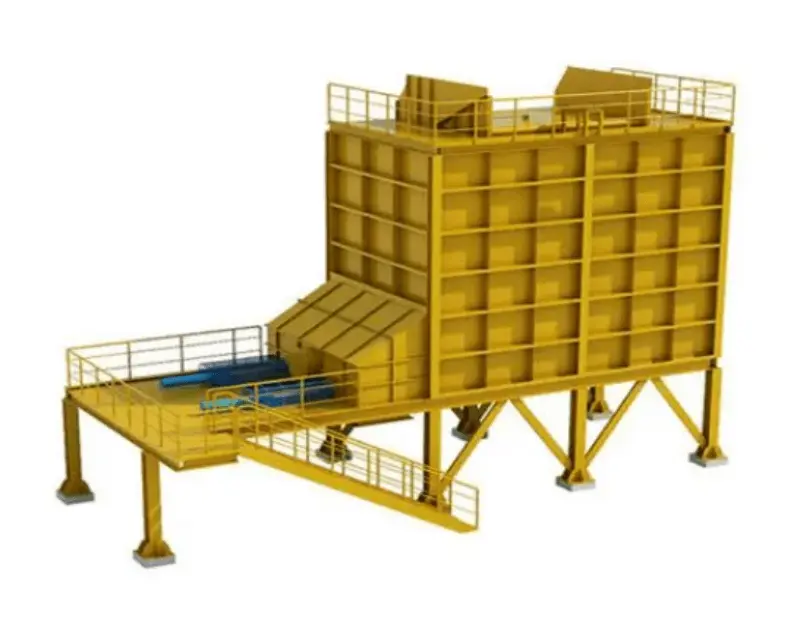
Sliding rack silo: Used for discharging sticky materials and controlled storage of treated sludge.
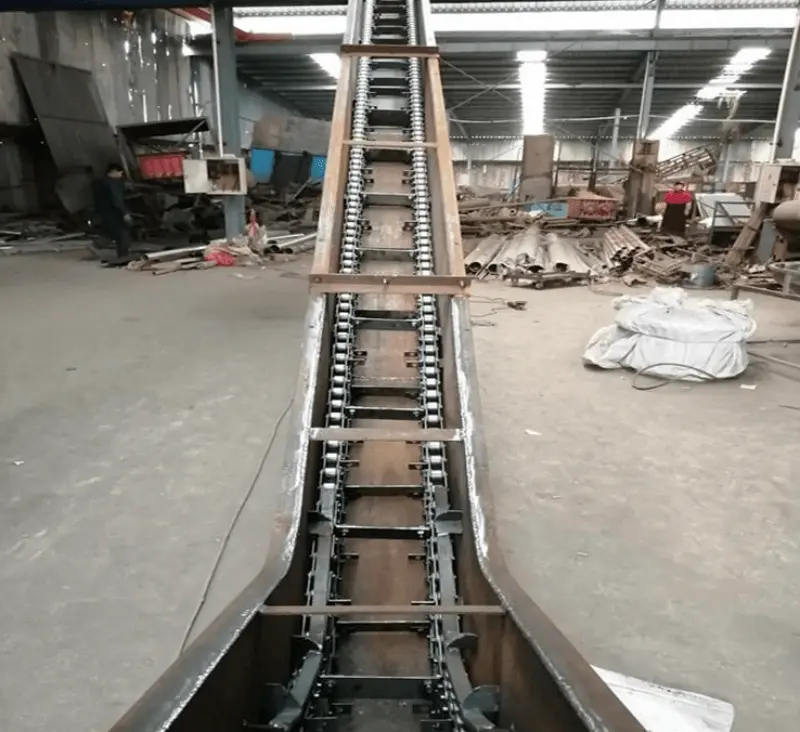
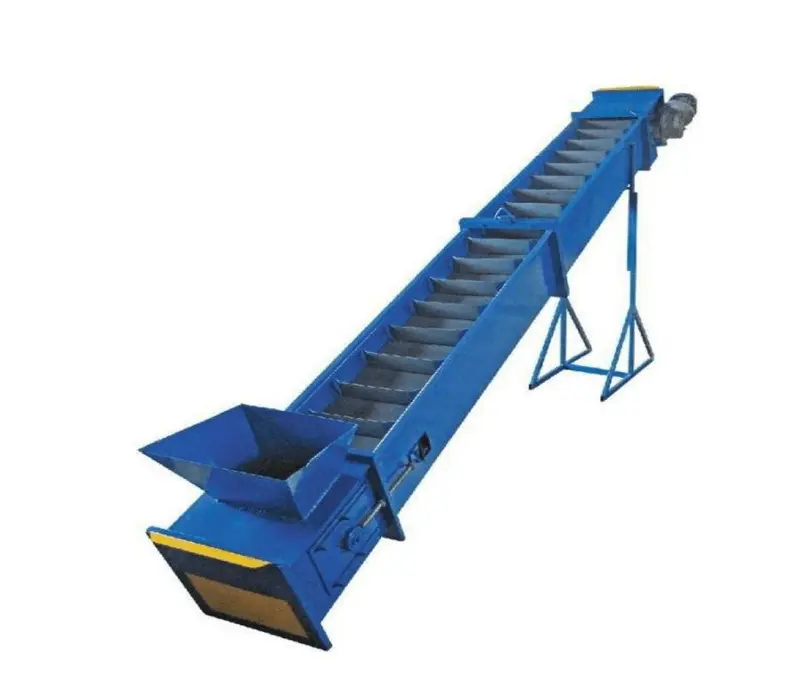
Scraper lifting conveyor: Suitable for dust and small particles, allowing for inclined transportation.
3. Sludge Drying Equipment
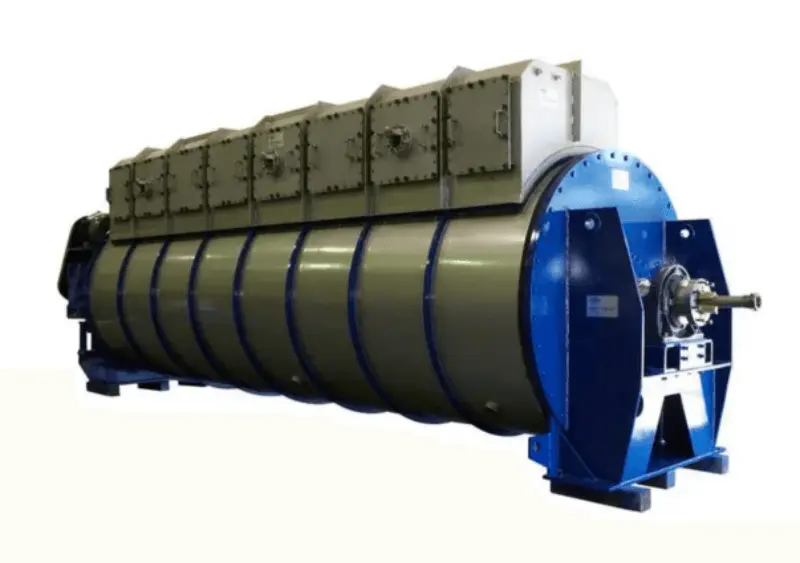
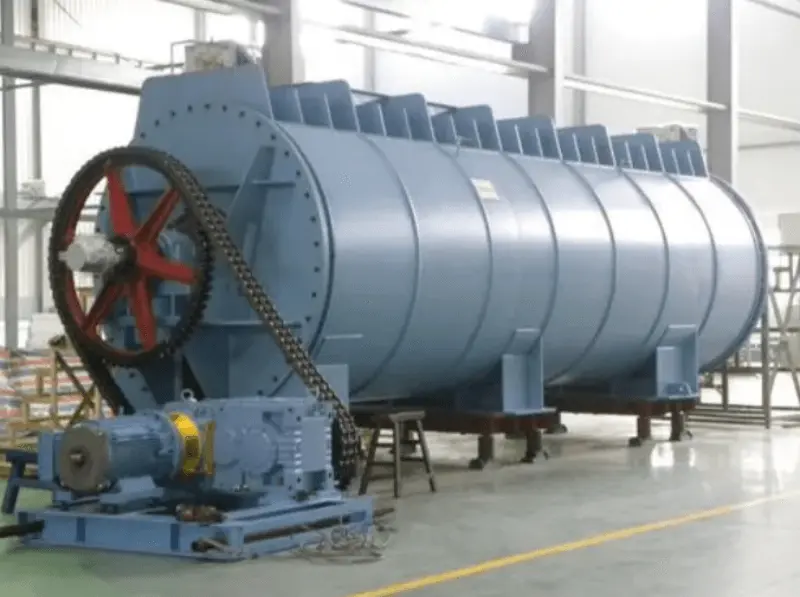
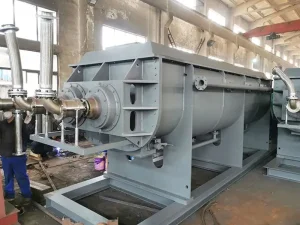
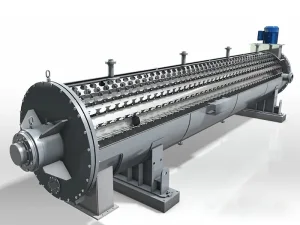
Disc Dryer: Energy-saving equipment with a large heat transfer area for steam or thermal oil heating.
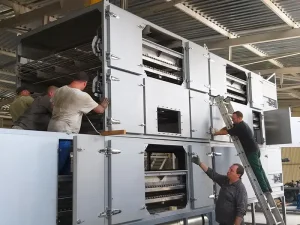
Belt Dryer: Industrial apparatus used for continuous drying and cooling using air or flue gas.
Stages of Sludge Treatment
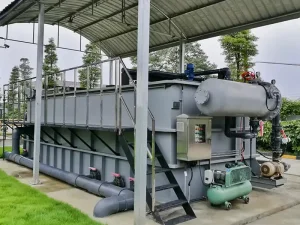
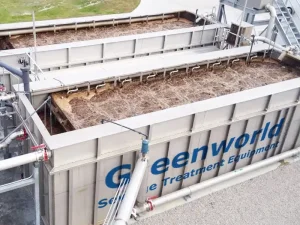
1. Biological Deodorization: Eliminates malodorous compounds and pathogens through bioleaching and aeration.
Picture 3: Biological deodorization
2. Sludge Dewatering: Reduces water content via gravity, air flotation, or mechanical methods (belt presses/centrifuges).
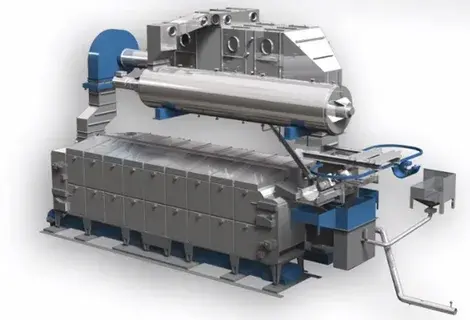
Picture 4: Sludge dewatering
3. Sludge Drying: Uses direct, indirect, or hybrid heating to facilitate storage and resource recovery.
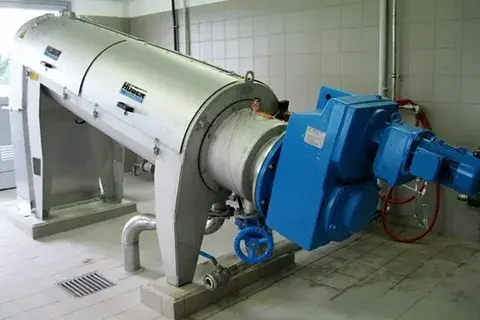
Picture 5: Sludge drying
4. Dust Removal: Ensures clean air emissions using bag filters, cyclone separators, or wet scrubbers.
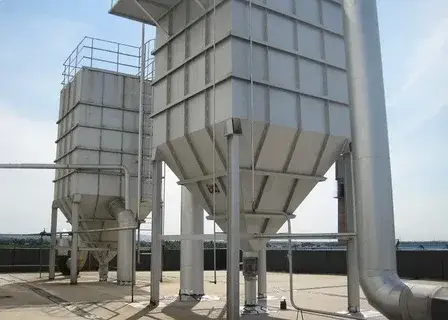
Picture 6: Dust removal equipment
Advantages of Modern Sludge Treatment Solutions
Cost Savings: Reduces disposal costs by up to 80% through volume reduction and lower transportation needs.
High Productivity: Ensures industrial water remains free of toxins, preventing building foundation damage and site shutdowns.
Environmentally Friendly: Uses sustainable practices and organic chemicals like flocculants to reduce carbon emissions.
Enhanced Performance: Agilely handles oily or slimy sludge without requiring additional storage thickeners.
Preserves Foundations: Alleviates soil saturation at the base of buildings, protecting structural integrity.
Application Scenarios
Agricultural Use: Rich organic matter serves as fertilizer to improve soil fertility.
Incineration Power: Generating heat and electricity while drastically reducing sludge volume.
Building Materials: Utilizing treated sludge to manufacture bricks and cement.
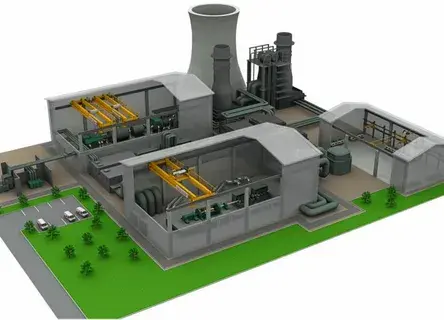
Thermal Power Stations: Co-combustion with coal for large-scale efficient disposal.
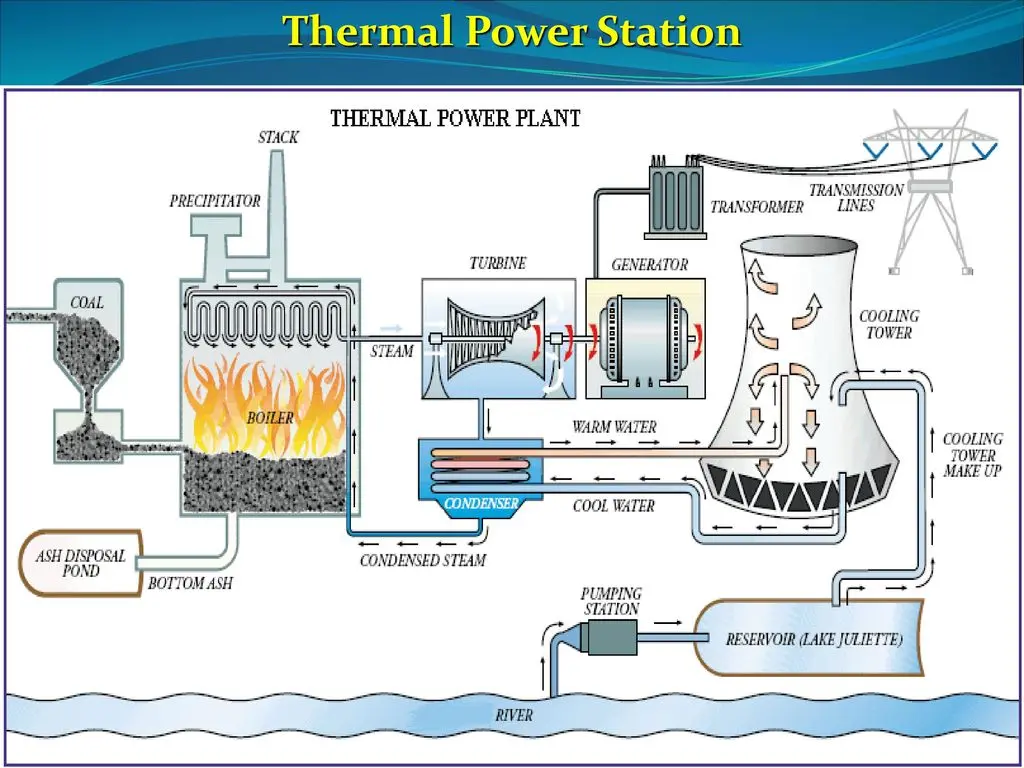
Picture 7: Thermal power station
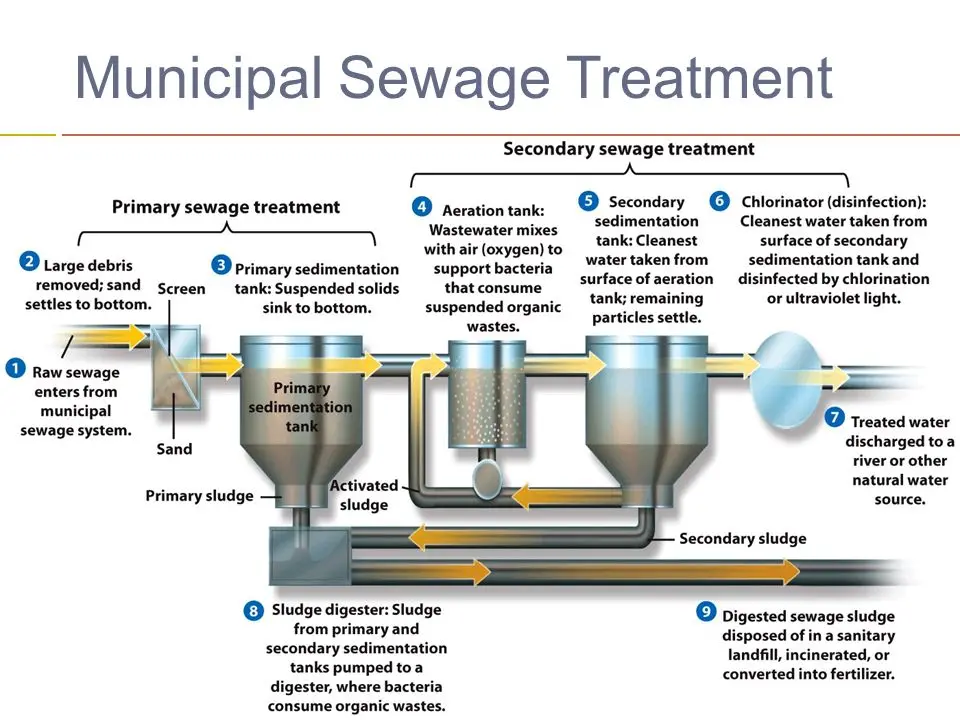
Picture 8: Municipal sludge treatment
Frequently Asked Questions (FAQ)
Q1: What is the primary goal of sludge treatment?
The main goals are to reduce volume, lower water content, stabilize the material to eliminate pathogens, and facilitate safe reuse or disposal.
Q2: How does mechanical dewatering help in cost reduction?
By removing large amounts of water, it reduces the weight and volume of the sludge, which can save between 75% to 80% on transportation and storage expenses.
Q3: Can treated sludge be used for farming?
Yes, through processes like aerobic fermentation, sludge is converted into stable humus rich in organic matter and nutrients, making it suitable for agricultural fertilizers.
Q4: What is the benefit of using a belt filter press?
It offers a simple structure, high dehydration efficiency, low noise, and continuous operation. Its operating expenses are often 30% lower than traditional plate and frame presses.
Q5: Why is dust removal necessary during sludge treatment?
Dust removal is critical during the drying stage to ensure clean air emissions, meet environmental standards, and protect the treatment equipment from wear and tear.
Q6: How does sludge treatment preserve building foundations?
By efficiently managing soil moisture and removing destructive water-saturated soil through dewatering, it prevents foundation corrosion in industrial and historic buildings.
 XINJIEYUAN