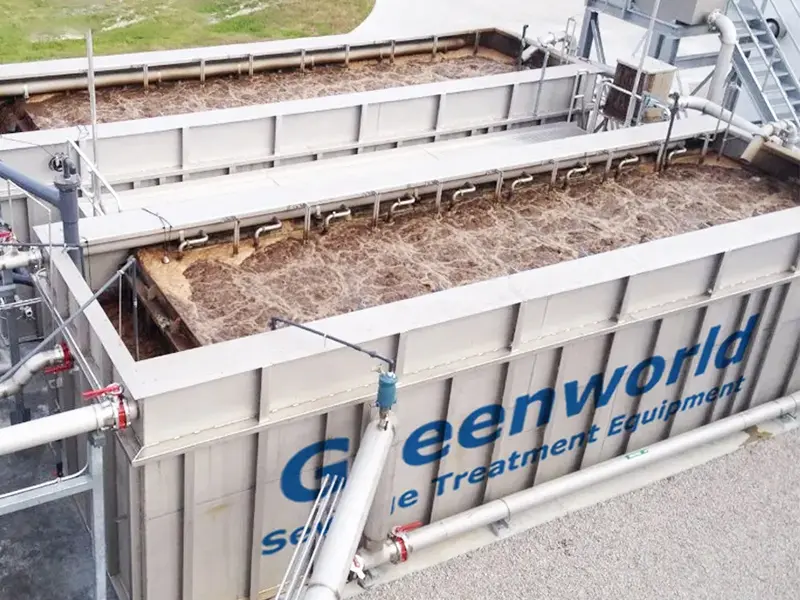
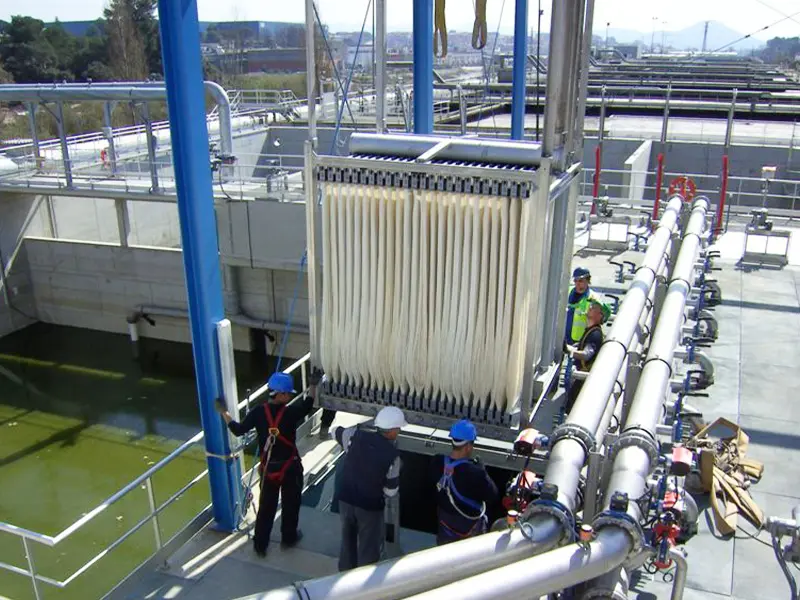
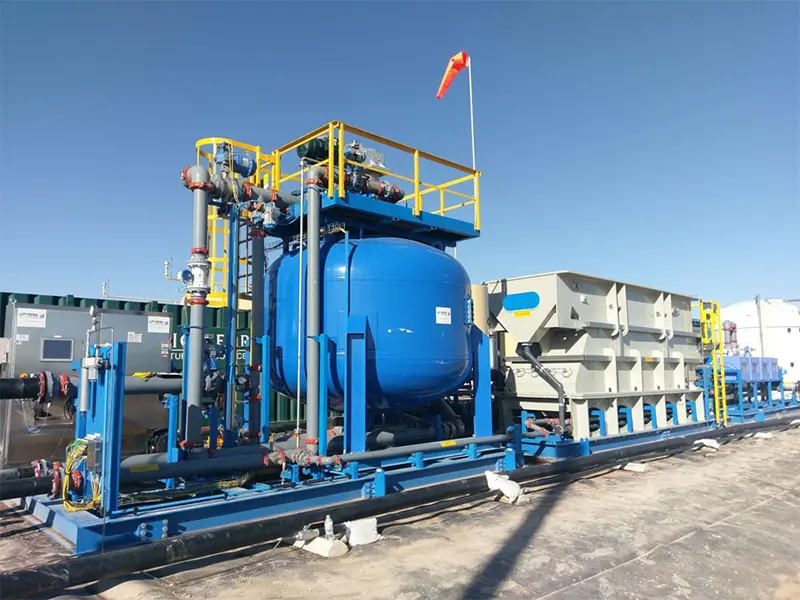
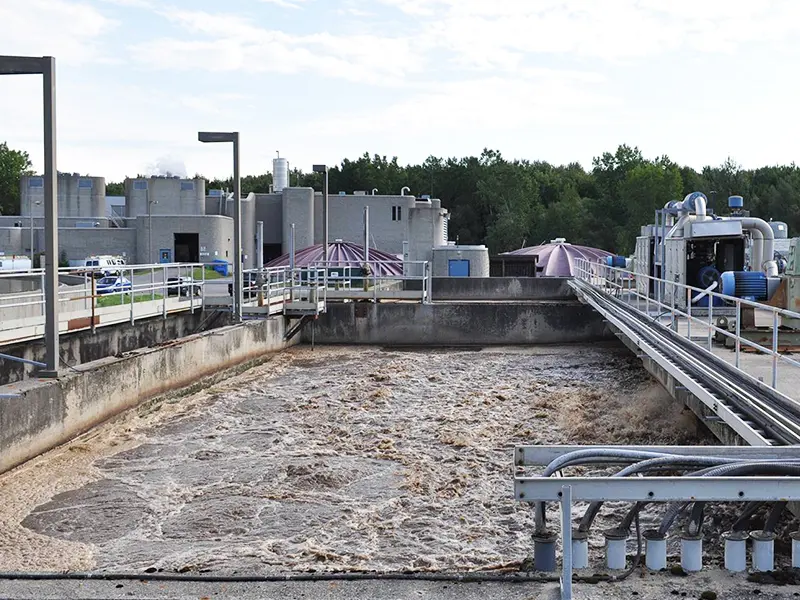
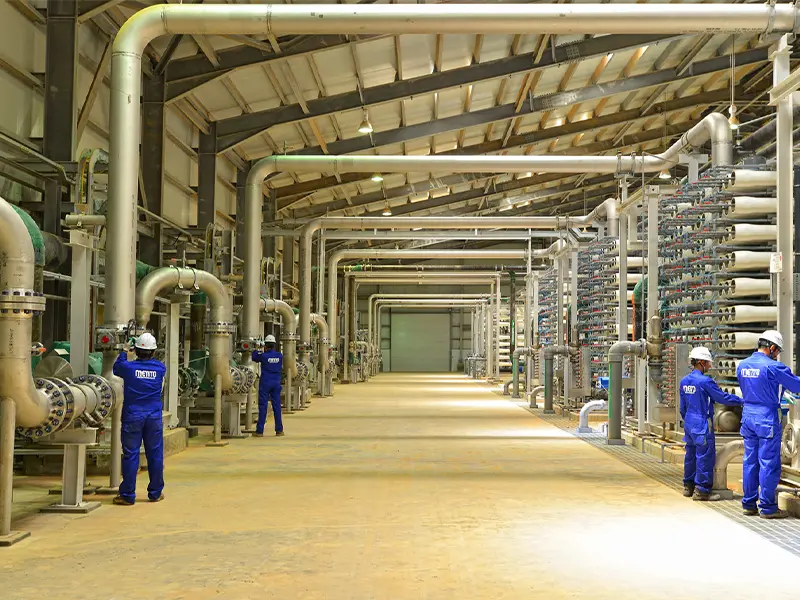
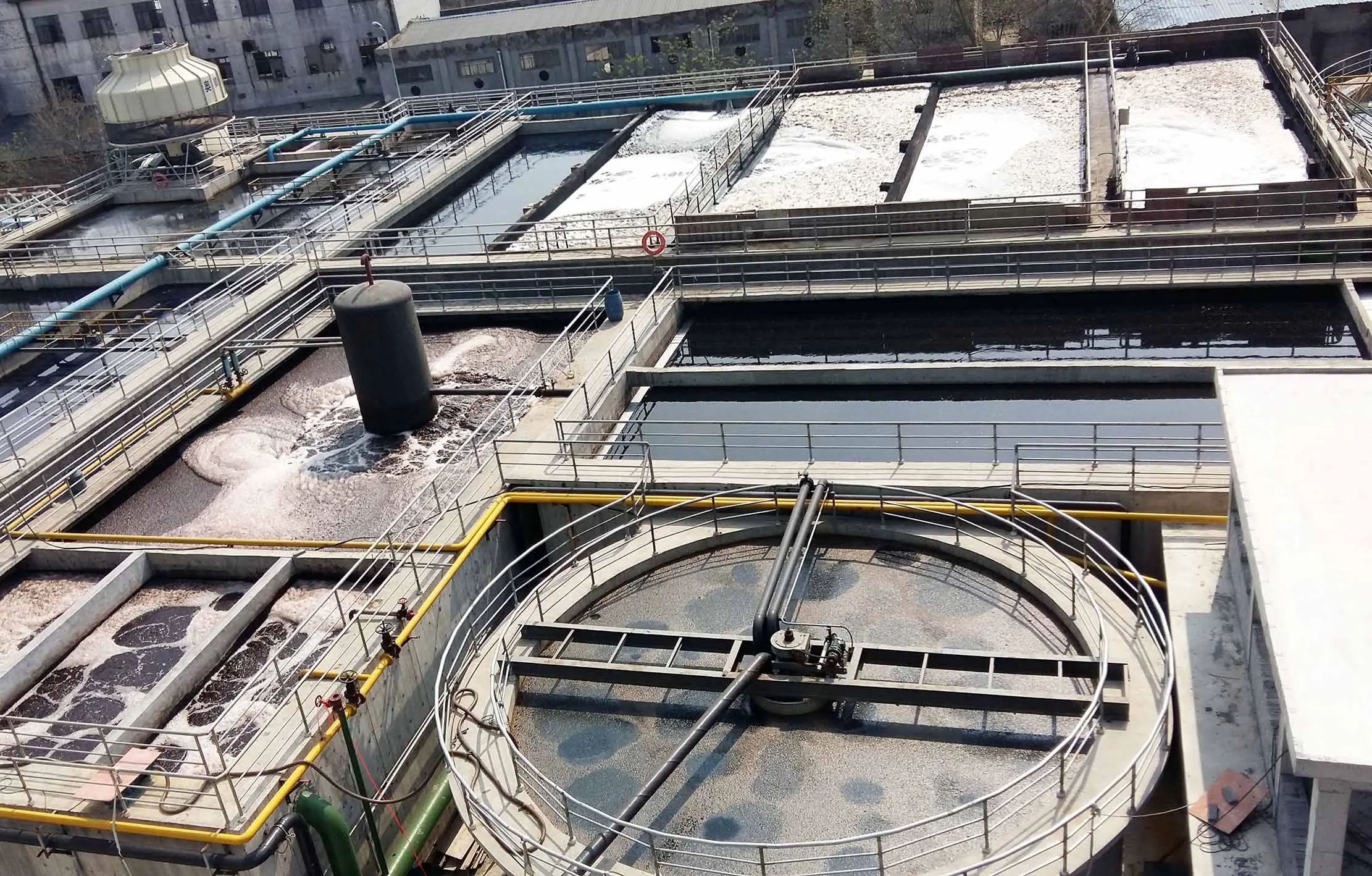
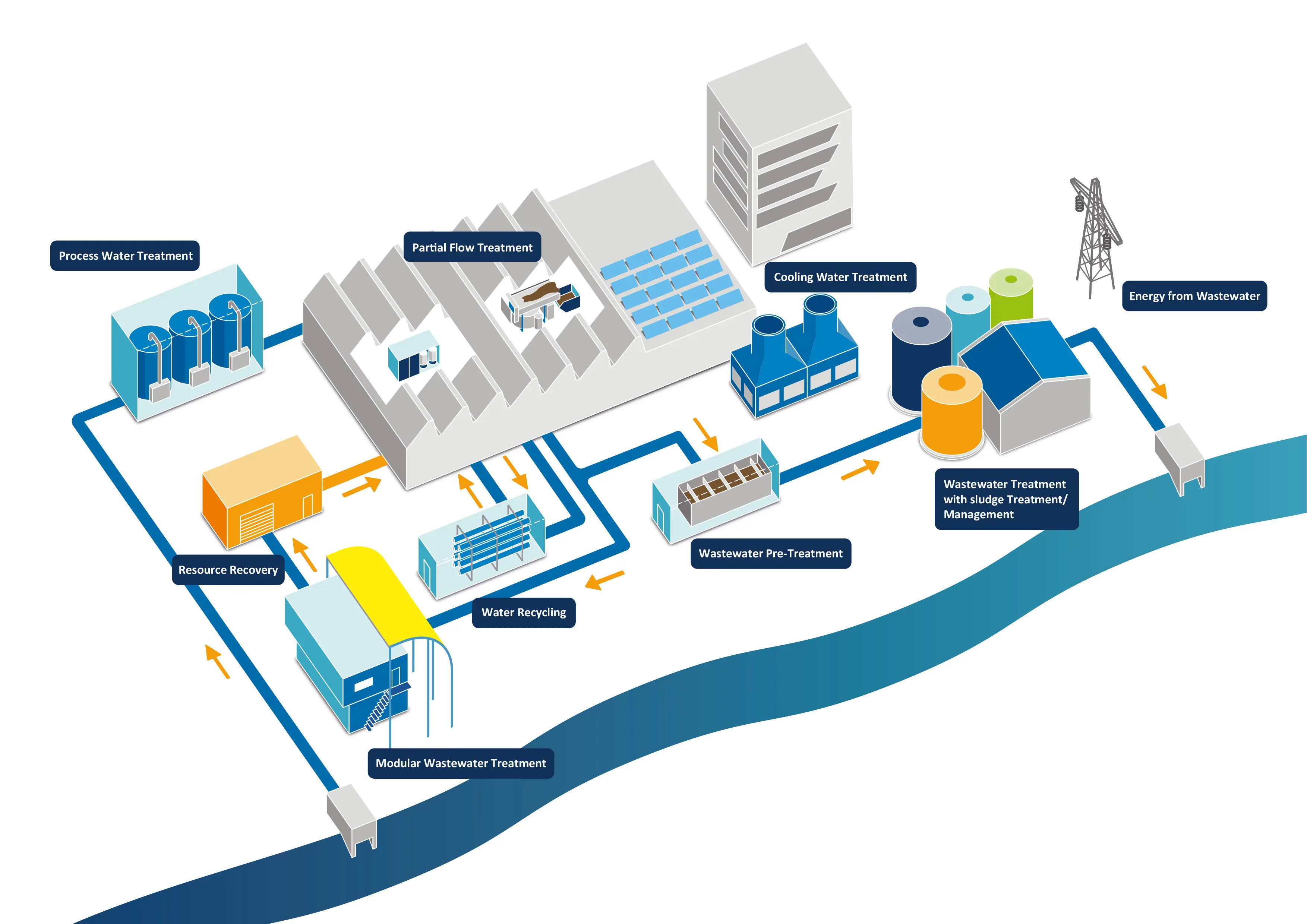
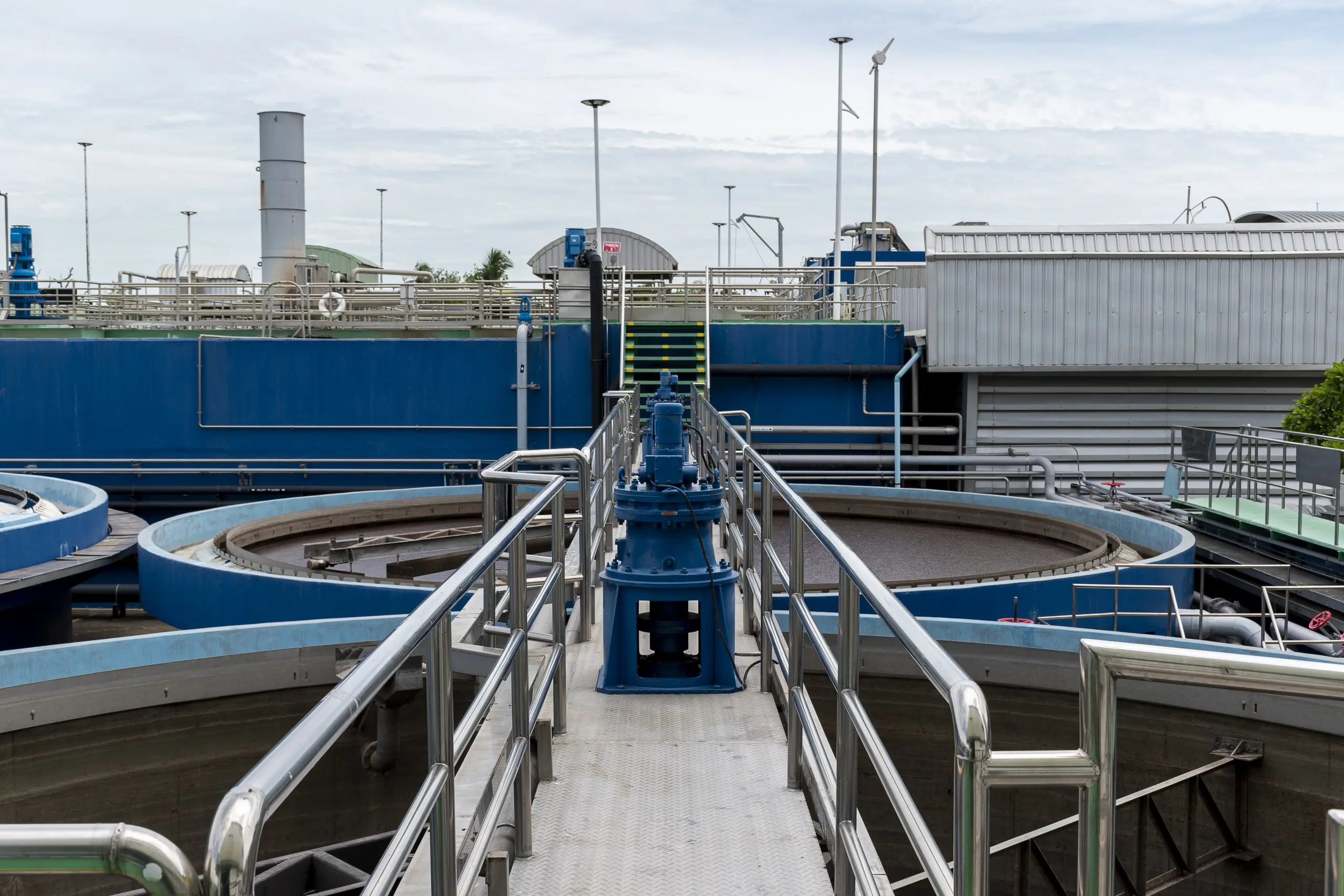
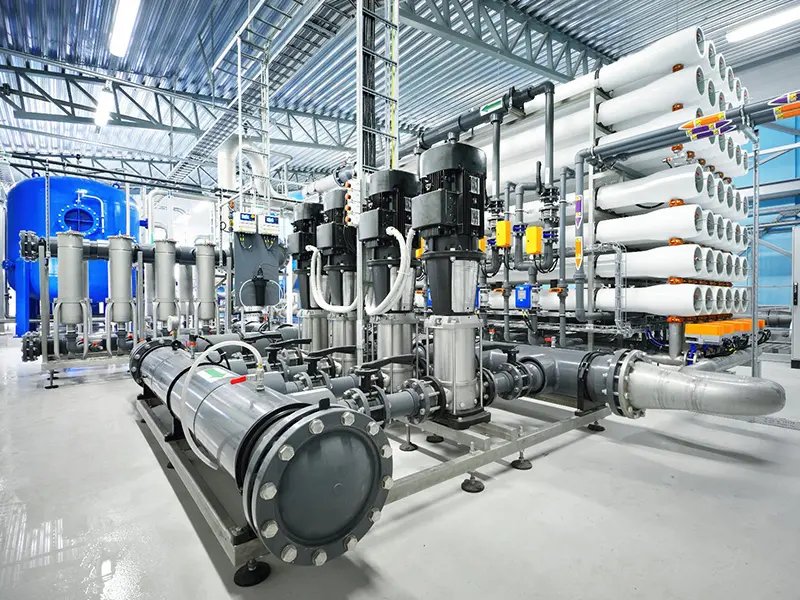
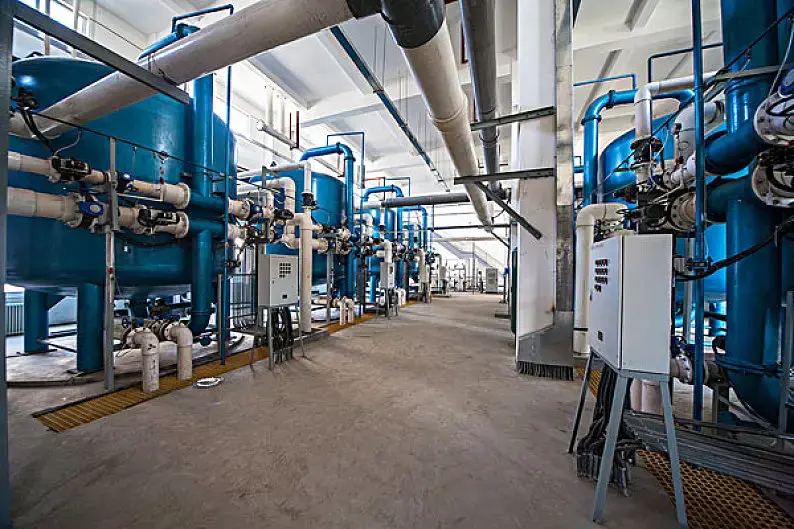
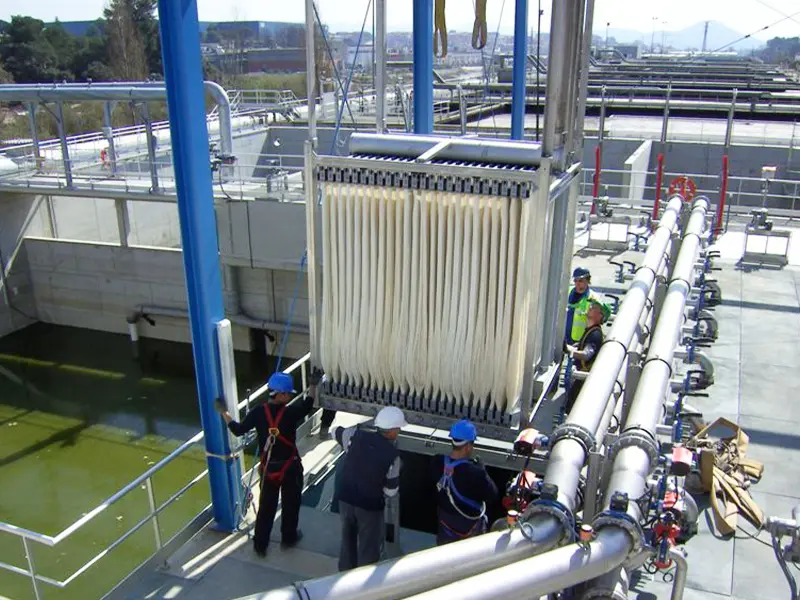
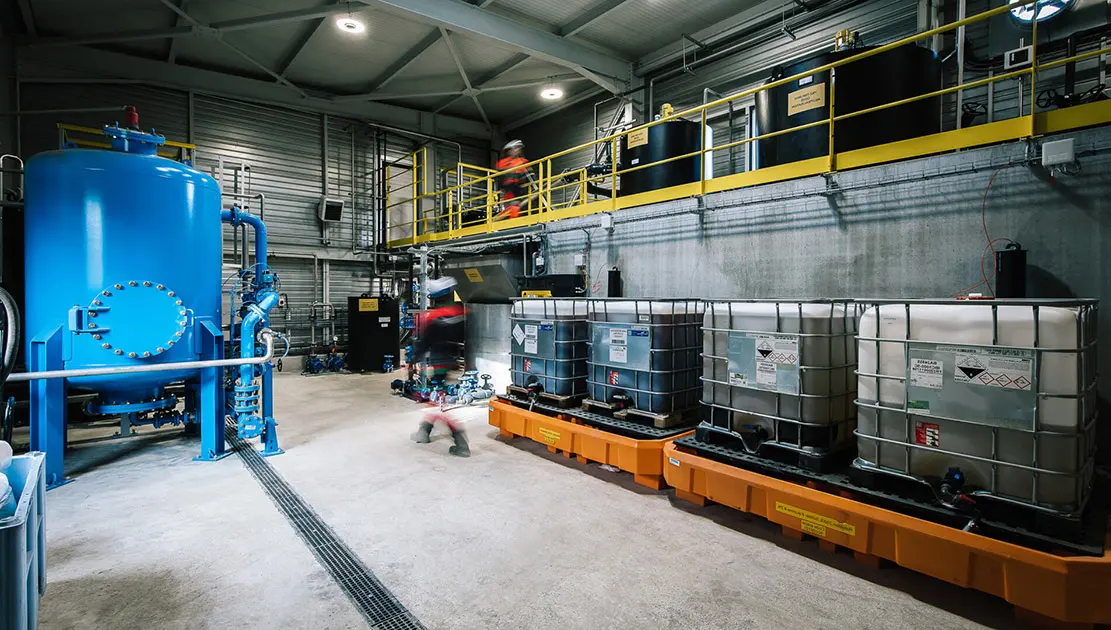
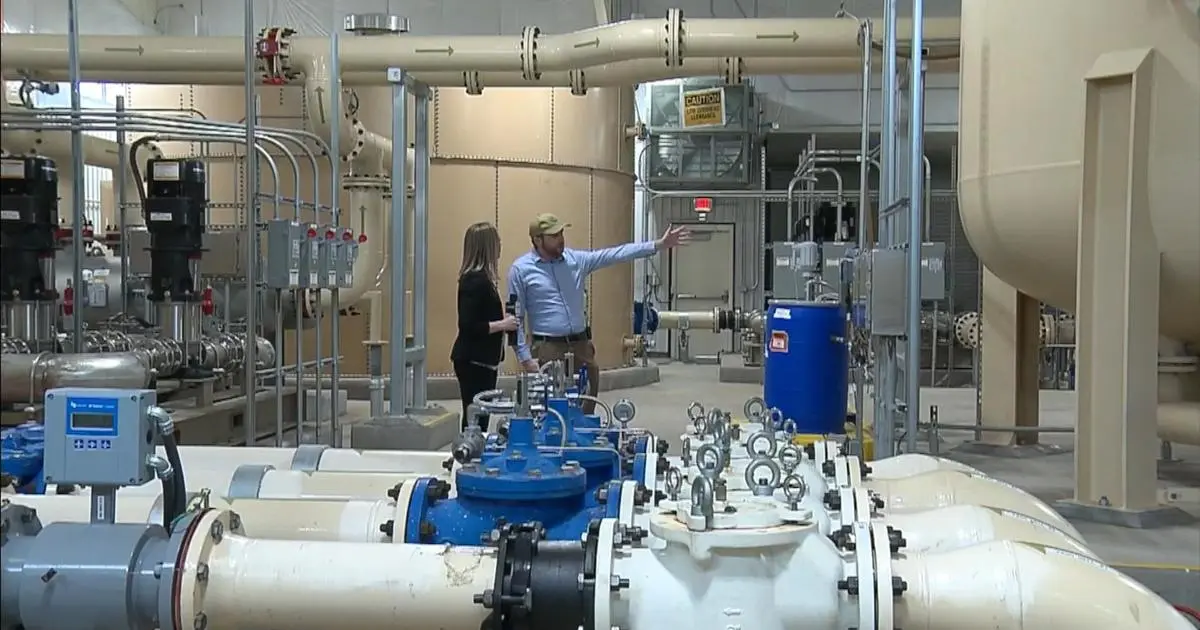
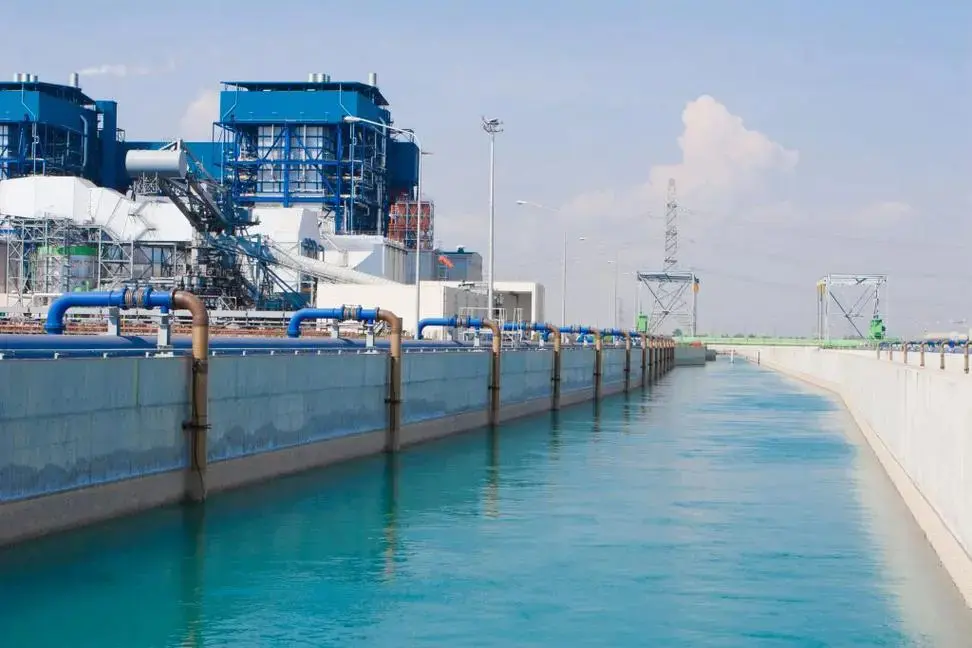
Industrial wastewater refers to the wastewater, sewage and waste liquid generated in the process of industrial production, which contains industrial production materials, intermediate products and products lost with water, as well as pollutants generated in the production process. With the rapid development of industry, the types and quantities of wastewater are increasing rapidly, and the pollution of water bodies is becoming more and more extensive and serious, threatening human health and safety. For the protection of the environment, the treatment of industrial wastewater is more important than the treatment of municipal sewage.
Industrial wastewater includes production wastewater, production sewage and cooling water. It contains industrial production materials, intermediate products, by-products and pollutants. Composition is complex, ranging from heavy metals like mercury and lead to chemicals like cyanide, chromium, and phenols depending on the industry.
Classification of Waste Water
There are usually three methods for wastewater classification:
1
By Chemical Properties: Inorganic wastewater (containing inorganic pollutants like electroplating) and organic wastewater (from food or petroleum processing).
2
By Industry Source: Classified as metallurgical, papermaking, coking gas, metal pickling, chemical fertilizer, textile, dye, tanning, and pesticide wastewater.
3
By Pollutant Components: Acidic, alkaline, cyanogen, chromium, cadmium, mercury, phenol, aldehyde, oil, sulfur, and radioactive wastewater.
Waste Water Hazards
1. Direct flow into channels and rivers pollutes surface water, potentially leading to the extinction of aquatic life.
2. Infiltration into groundwater pollutes drinking water sources and crops.
3. Endangers human health when polluted water is used for domestic purposes.
4. Causes soil pollution, affecting plant growth and soil microorganisms.
5. Generation of bad odors, polluting the air quality.
6. Toxic substances enter the human body through the food chain.
Principle of Treatment
The effective treatment of industrial wastewater follows these core principles:
- Reform production processes to eliminate toxic wastewater generation.
- Implement strict supervision to eliminate leakage in toxic raw material handling.
- Separate wastewater containing highly toxic substances for specialized treatment and recovery.
- Recycle lightly polluted cooling water instead of discharging it into sewers.
- Discharge organic wastewater similar to municipal sewage into large-scale treatment plants for cost-efficiency.
Methods of Treatment
1. Ozone Oxidation
Utilizes ozone's strong oxidation capacity for purification and disinfection, especially effective for removing xanthate from aqueous solutions.
2. Adsorption Method
Uses adsorbents like activated carbon, zeolite, and cinder to separate pollutants from water based on high cost-performance.
3. Catalytic Oxidation & Coagulation
Catalytic oxidation speeds up chemical reactions between pollutants and oxidants. Coagulation uses iron or aluminum salts to destabilize colloidal substances, allowing them to settle.
4. Biological & Micro-electrolysis
Biological methods use microorganisms to degrade organic matter. Micro-electrolysis uses potential differences to purify difficult-to-degrade organic wastewater.
Prevention and Control Measures
Strengthening management involves implementing environmental registration, permit systems, and monitoring pollution sources. Technical measures include:
- Product structure adjustment and formula optimization.
- Source control through equipment innovation.
- Comprehensive waste utilization (recycling and reuse).
- Improved production management and staff training.
Frequently Asked Questions
Q1: What is the main difference between industrial and municipal wastewater?
Industrial wastewater contains specific production materials, intermediate products, and toxic pollutants like heavy metals and phenols, making its treatment more complex and critical than standard municipal sewage.
Q2: How is industrial wastewater typically classified?
It is classified by chemical properties (organic/inorganic), industry of origin (metallurgical, textile, etc.), or the specific nature of the pollutants (acidic, alkaline, or toxic metals).
Q3: Why is the biological method widely used in treatment?
Biological methods are popular because they offer mature processes, simple equipment requirements, large treatment capacities, and lower operating costs compared to chemical methods.
Q4: What are the primary hazards of untreated industrial wastewater?
It can lead to the extinction of aquatic life, groundwater and soil contamination, atmospheric odor pollution, and severe health risks to humans through the food chain.
Q5: What are the key technical measures for pollution prevention?
Key measures include adjusting product structures, controlling waste at the source through equipment innovation, and maximizing the recycling of wastewater for industrial reuse.
Q6: In which industries is wastewater recycling most potential?
Significant potential exists in petrochemicals (steam condensate recovery), textile printing and dyeing (centralized reuse), and transportation manufacturing (recycling cleaning liquids).
 XINJIEYUAN