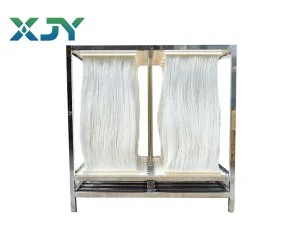
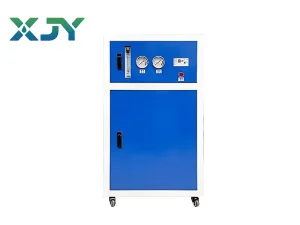
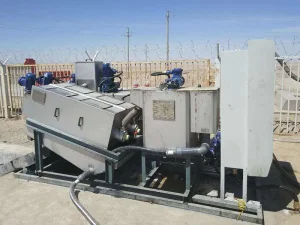
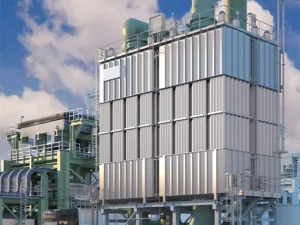
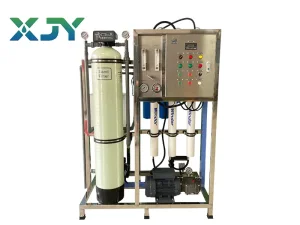
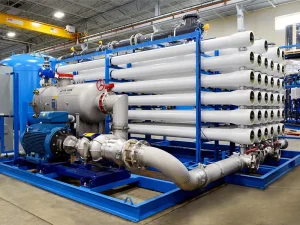
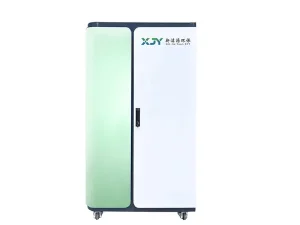
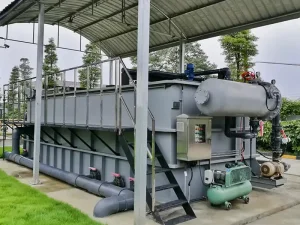
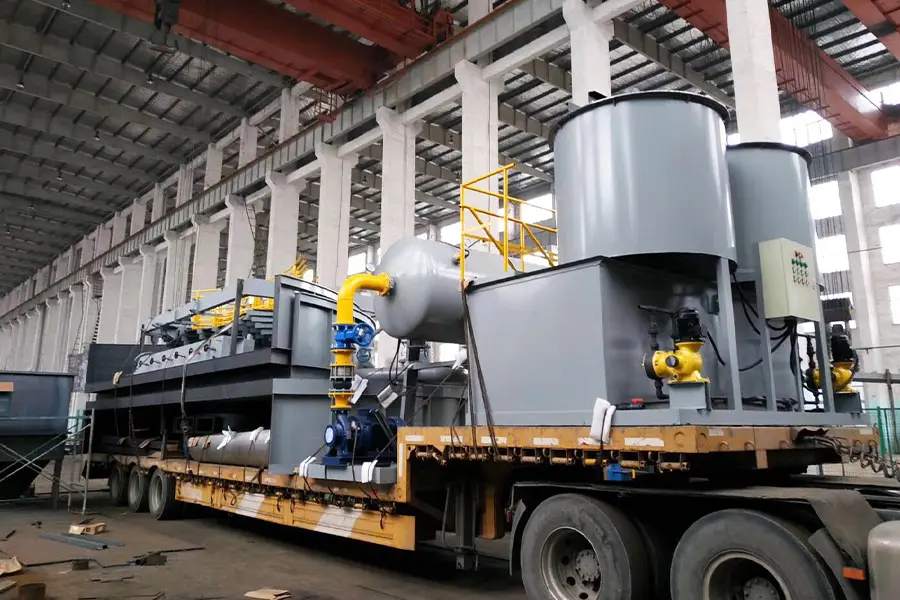
High-performance custom systems manufactured in our state-of-the-art facilities, meeting international compliance criteria.
The global demand for high-efficiency wastewater purification systems is experiencing unprecedented growth. Driven by tightening regulatory limits on chemical oxygen demand (COD), total organic carbon (TOC), and toxic heavy metals, traditional biological and physical treatment pathways are reaching their kinetic limits. The integration of Electrochemical Wastewater Treatment (ECWT) has transition from a specialized niche solution to a primary commercial standard for high-salinity, complex organic, and non-biodegradable waste streams.
Worldwide industrial operators in chemical processing, oil & gas, pharmaceuticals, textile finishing, and landfill leachate management face severe economic penalties for discharge non-compliance. Electrocoagulation (EC), Electrooxidation (EO), and Electro-Fenton platforms are uniquely positioned to address these problems by generating highly active radical species directly in situ without secondary chemical additions.
By executing direct or indirect anodic oxidation processes, these commercial electrochemical plants degrade complex synthetic polymers, persistent organic pollutants (POPs), and endocrine-disrupting chemicals (EDCs) down to harmless carbon dioxide ($CO_2$) and water ($H_2O$). As green industrial initiatives and Environmental, Social, and Governance (ESG) guidelines become standard policy, electro-based treatment systems serve as an essential cornerstone in circular manufacturing setups globally.
Understanding the internal mechanisms of an electro-reactor is vital for selecting optimal systems. Anodic and cathodic processes are engineered according to the specific characteristics of target wastewater streams:
In direct anodic oxidation, organic pollutants adsorb directly onto the active catalytic sites of the anode surface where charge transfer occurs. This process is mass-transfer limited and requires a high electrode active area. Conversely, indirect oxidation utilizes electro-generated mediators (such as active chlorine, persulfate, or hydrogen peroxide) to oxidize organic pollutants in the bulk solution. This path is highly efficient for large-volume industrial systems containing high salt concentrations.
The catalytic performance and lifespan of an electrochemical reactor depend heavily on the selection of anode coatings. Mixed Metal Oxides (MMO) based on titanium substrate ($Ti/RuO_2-IrO_2$) are highly robust for chloride-rich wastewater, whereas Boron-Doped Diamond (BDD) anodes represent the pinnacle of direct hydroxyl radical ($\cdot OH$) generation due to their extremely high oxygen evolution potential.
| Technology Profile | Anode Substrate & Coating | Primary Target Contaminants | Key Operational Advantages |
|---|---|---|---|
| Electrocoagulation (EC) | Sacrificial Iron ($Fe$) or Aluminum ($Al$) | Suspended solids, emulsified oils, heavy metals, phosphates | Low running cost, fast destabilization, minimal polymer dosage |
| Electrooxidation (EO) - MMO | $Ti$ substrate with $RuO_2$, $IrO_2$, or $Ta_2O_5$ | Ammonia, chlorides, phenols, active organic dyes | Excellent stability, low working voltage, customizable geometry |
| Electrooxidation - BDD | Boron-Doped Diamond film on $Ti$ / $Si$ | Refractory COD, PFAS, pharmaceuticals, landfill leachate | Highest oxidation potential, complete mineralization, long lifespan |
| Electro-Fenton (EF) | Carbon felt/gas diffusion cathodes & MMO anodes | Refractory pesticides, industrial dyes, complex organic mixtures | In-situ $H_2O_2$ generation, extremely high hydroxyl yield |
Guangdong Xinjieyuan Environmental Protection Technology Co., Ltd.
Guangdong Xinjieyuan Environmental Protection Technology Co., Ltd. professional in environmental protection equipment research development and manufacturing, water treatment, waste gas treatment, sewage sludge treatment and other fields, is a comprehensive enterprise of environmental protection scientific research, production, sales, has a proven professional operation team and abundant project constructions, with integration, the whole chain, multi-dimensional comprehensive service capabilities.
We are focused, so we are professional! Our company always insist on the concept of technological innovation and excellent quality, has obtained many environmental protection qualification certificates and scientific technological achievements: with environmental protection engineering professional contracting qualification, safety production license, quality management system, environmental management system, occupational health and safety system and other national authenticated certificates, with more than 45 product patents, 32 computer software and brands.
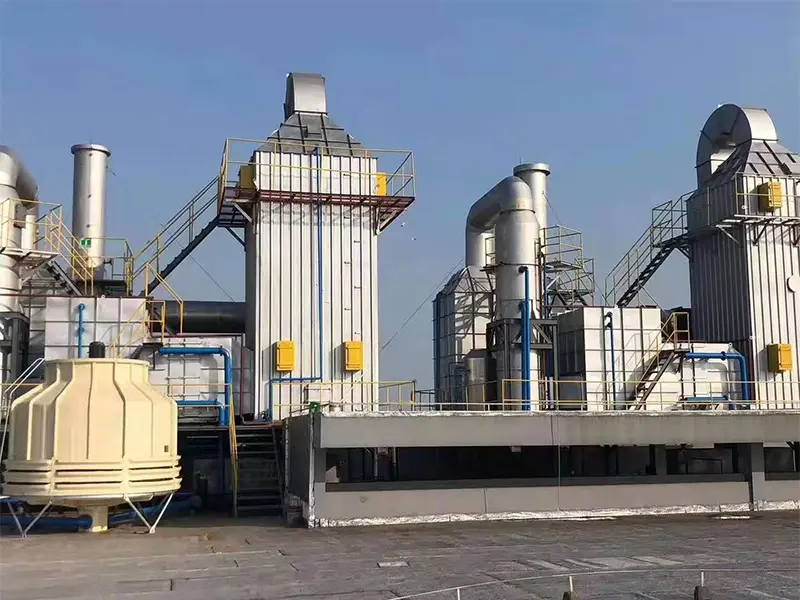
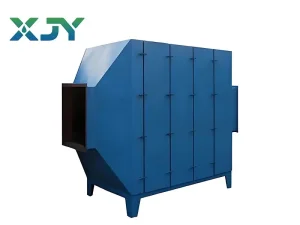
In view of the situation that the odor in agriculture, chemical industry, medical treatment, food, mining industry, electroplating and other industries disturb residents, XJY company has developed the "BDS intelligent deodorization System", which is highly intelligent, deodorized with high efficiency, unattended and automatic operation. Solve the odor problem for many enterprises and local governments, create a harmonious environment for economic development.
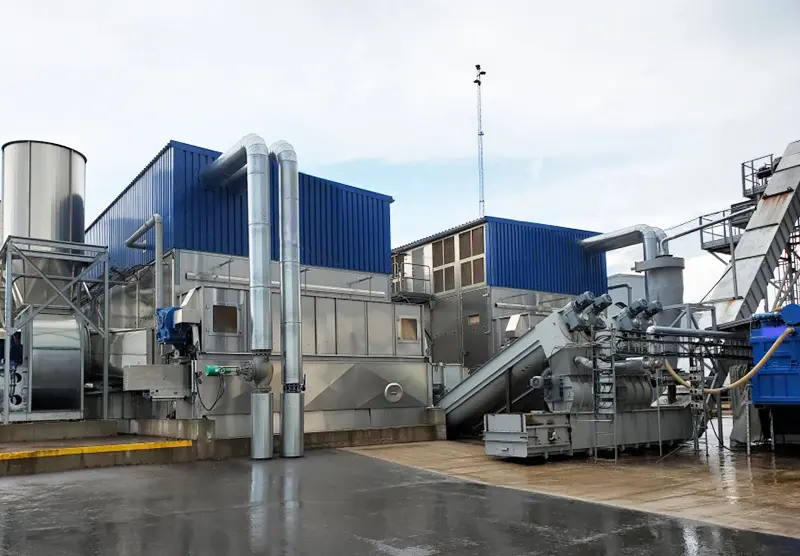
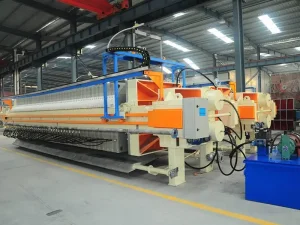
For municipal sludge disposal, industrial sludge disposal, polluted black and smelly water sludge dredging treatment to provide a complete solution, XJY company has built and operated a number of sludge drying reduction projects, treated it from the 80% moisture content sludge, drying into about 35% moisture content powder granular raw materials, transported to cement plants, thermal power plants, fertilizer plants and other resources utilization.
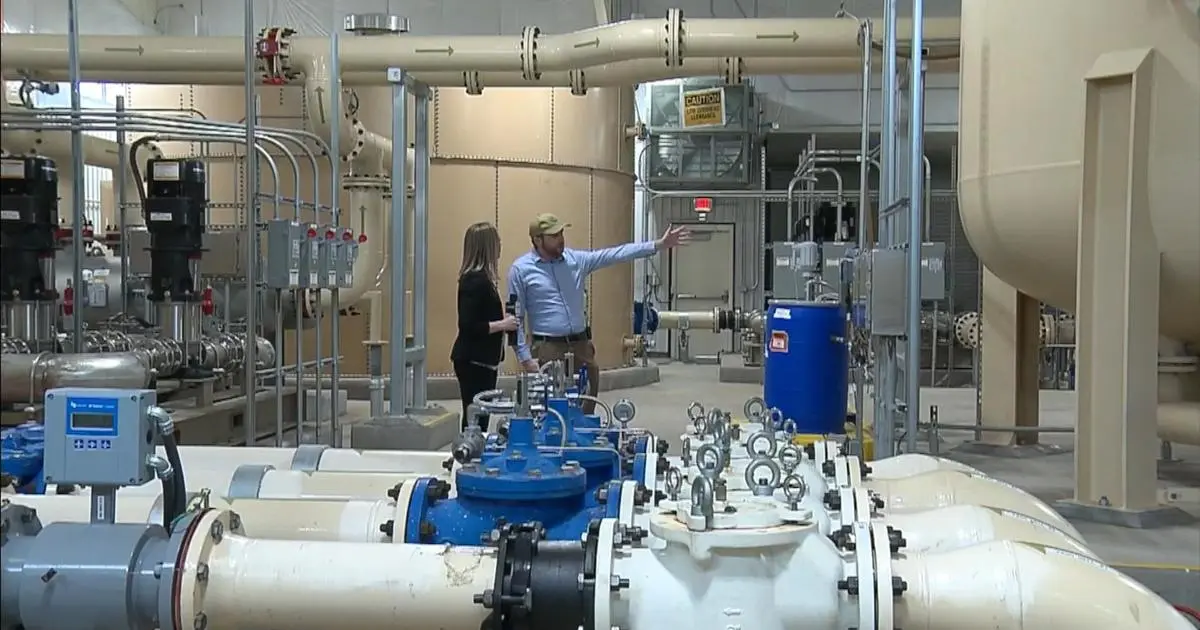
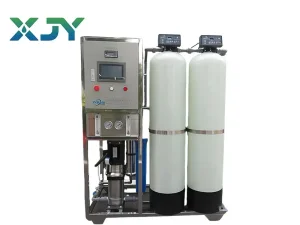
In view of the water resources shortage, poor water quality, water pollution and other situations, XJY company has developed the "WPS intelligent water purification system", this system design is scientific and reasonable, smart and efficient, widely used for home, hospital, school, community, factory and other drinking water purification, agricultural, rural, industrial, living and other wastewater treatment. For water purification, energy saving and emission reduction, water reuse, resource reuse, etc., to provide the exact support!
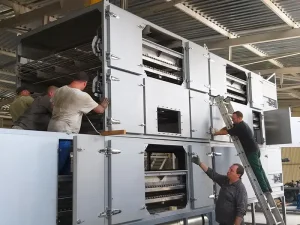
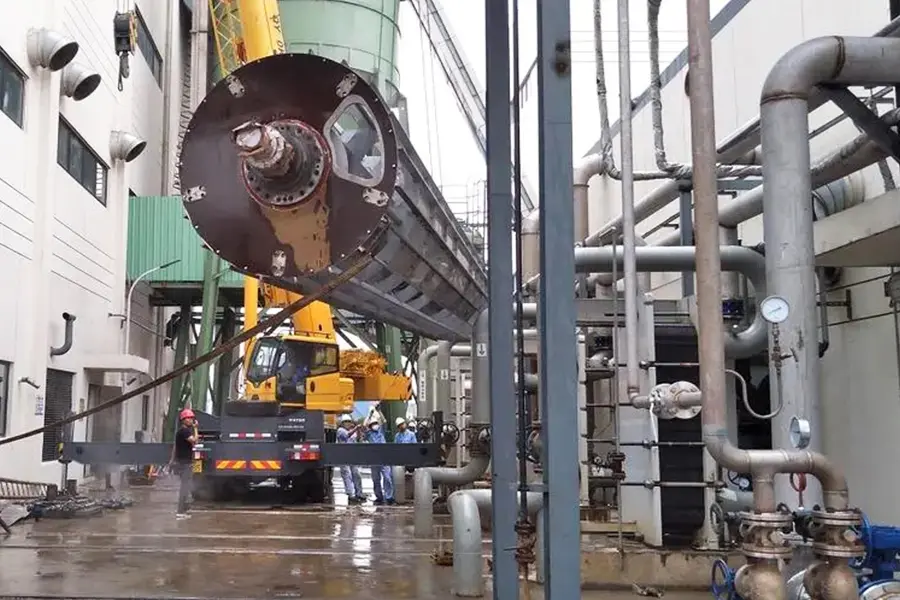
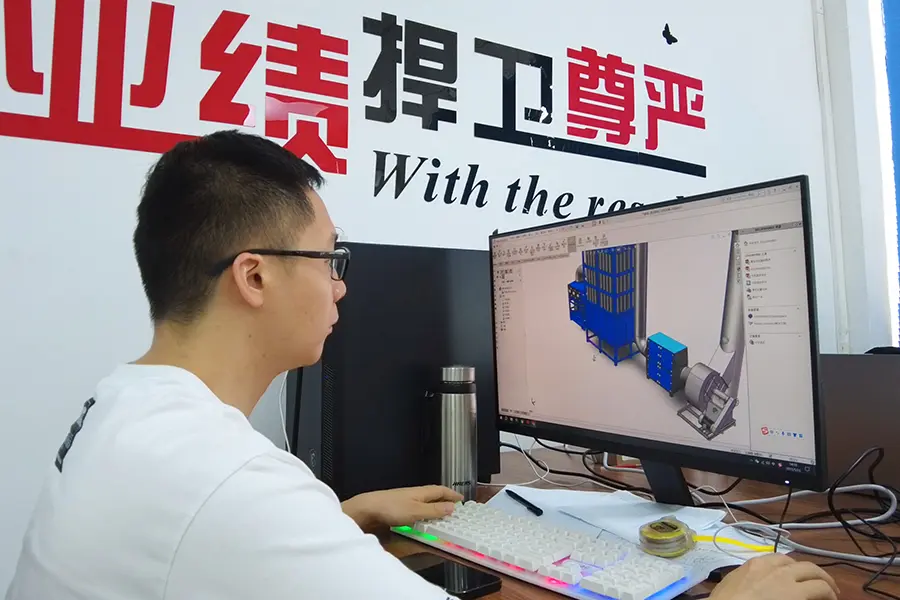
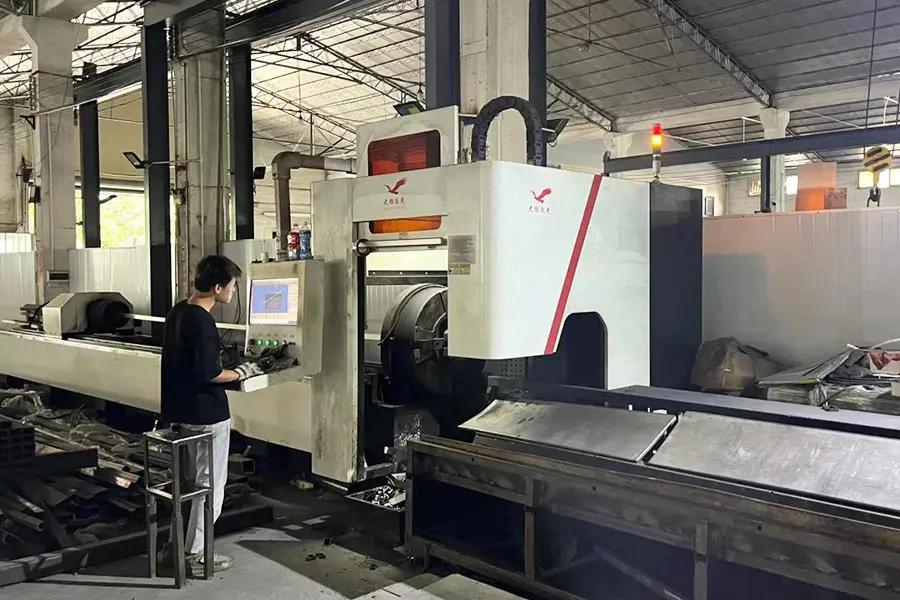
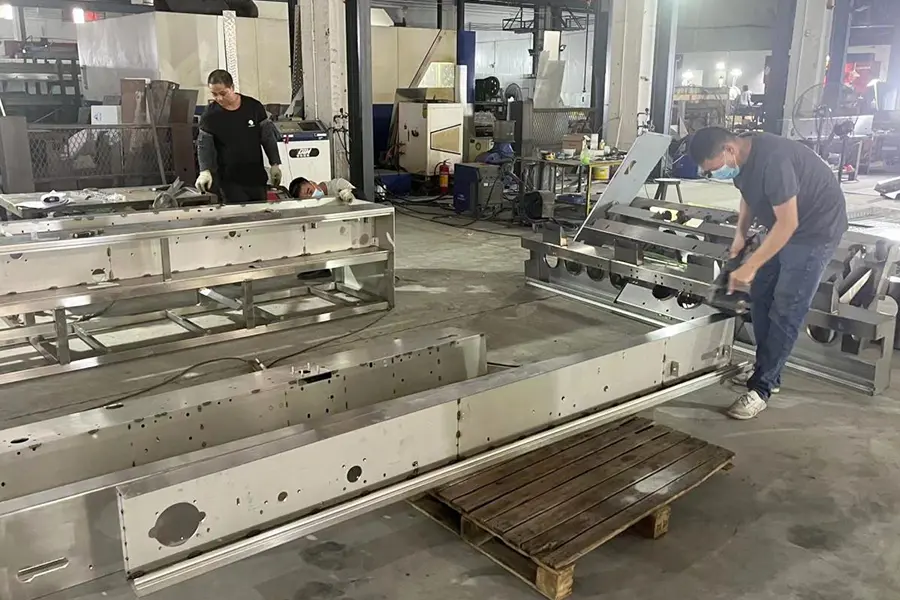
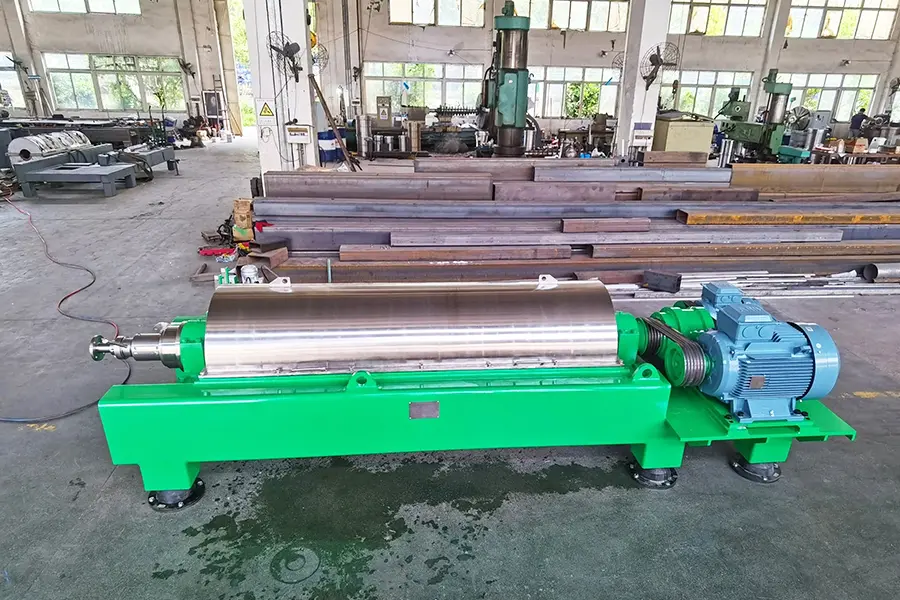
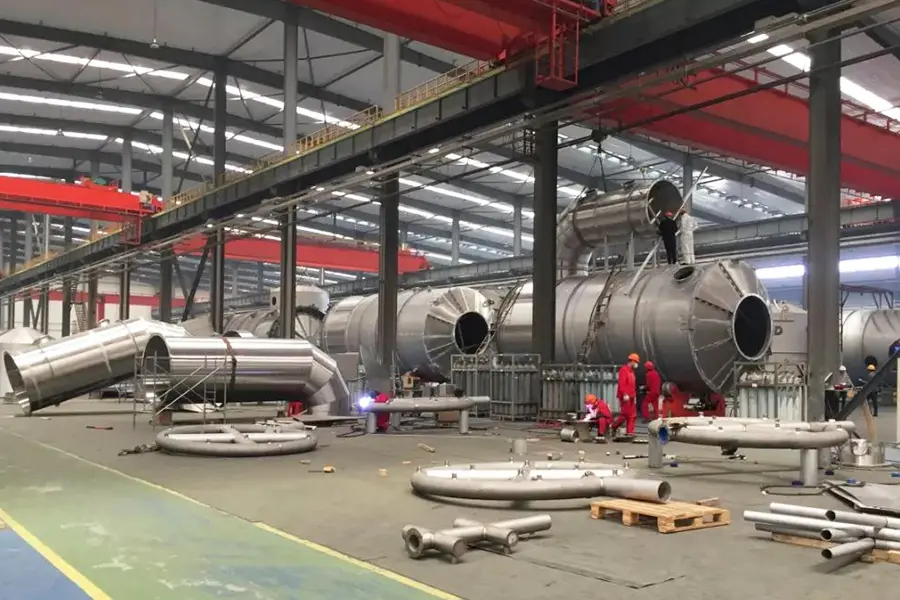
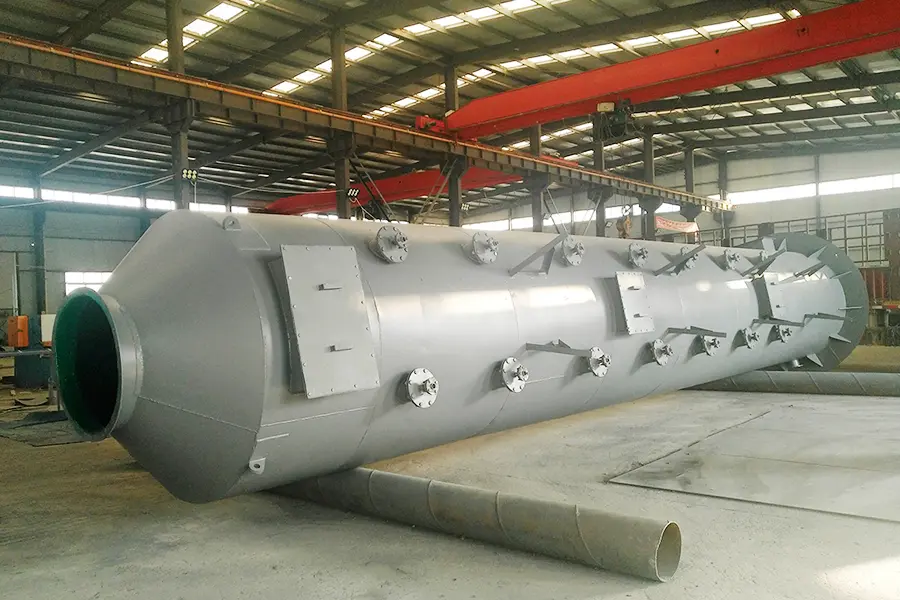
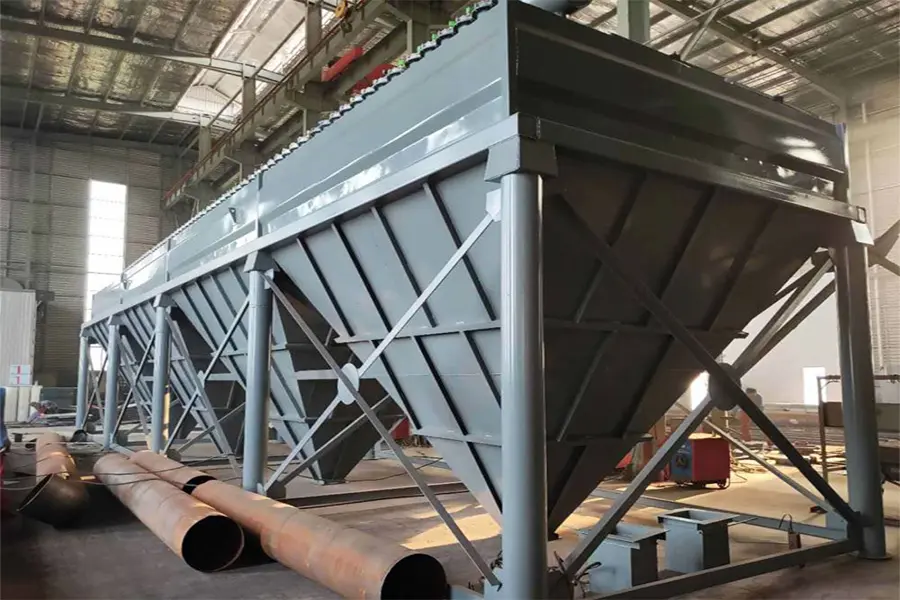
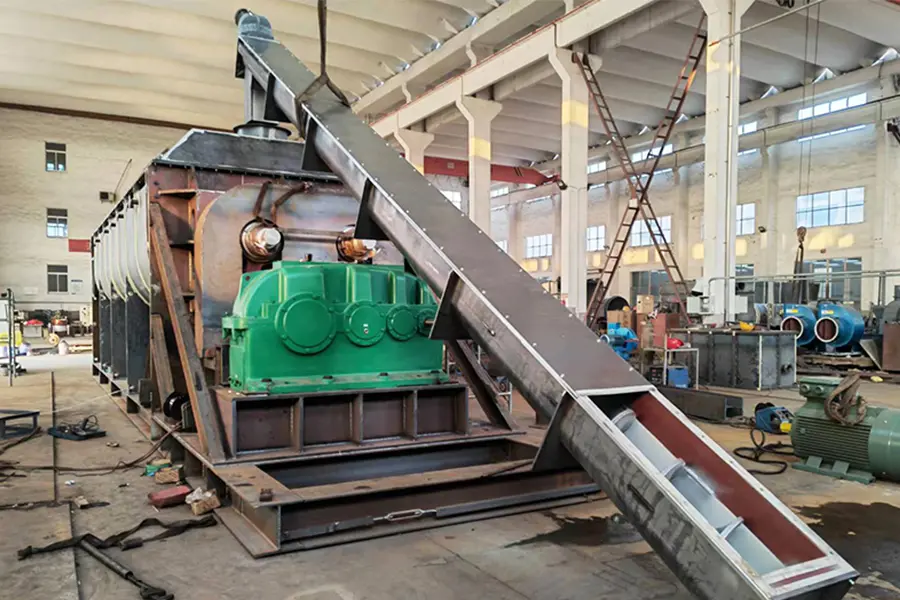
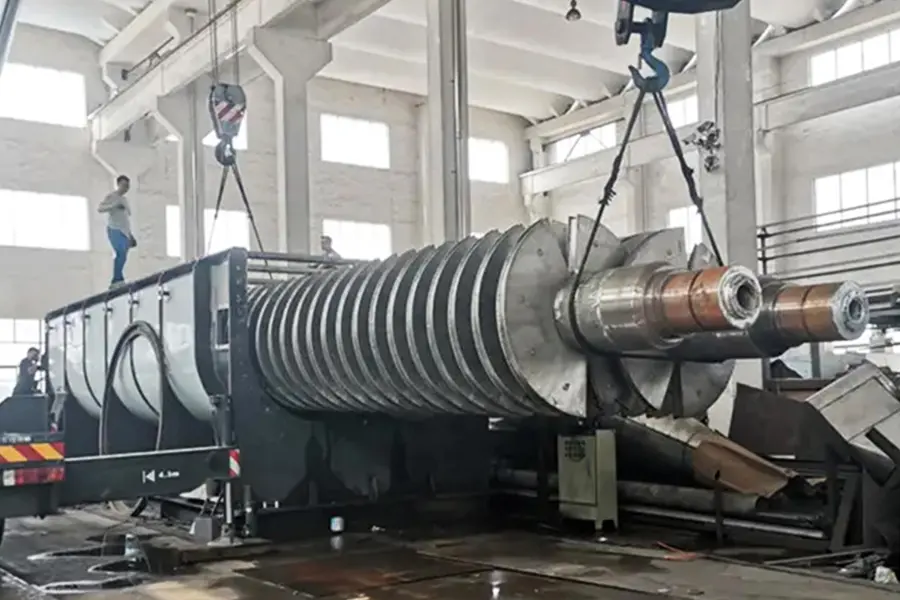
State-of-the-art manufacturing facilities executing strict QA/QC protocols for high-precision environmental protection machinery.
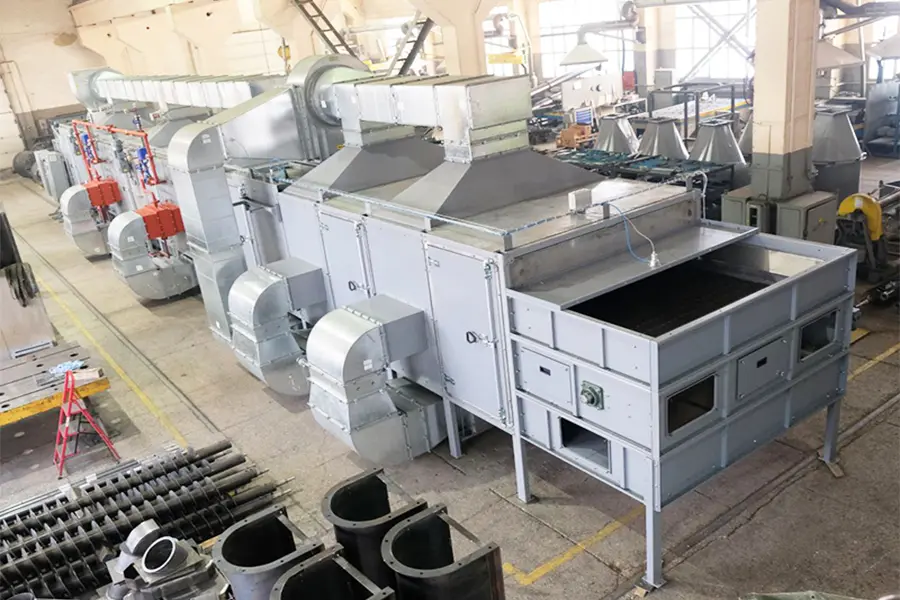
Electrochemical solutions are highly adaptable, allowing for customization according to regional water conditions, local power grids, and distinct industrial sectors:
Rather than functioning in isolation, high-performance industrial electrochemical systems are integrated into larger treatment trains. For example, combining Electrocoagulation (EC) with a Membrane Bioreactor (MBR) prevents membrane fouling by removing colloidal particles upstream. In reverse osmosis plants, combining electro-oxidation with RO systems provides a zero liquid discharge (ZLD) scheme for treating high-saline reject streams.
The primary concern regarding large-scale electrochemical wastewater treatment systems is specific energy consumption (SEC). Driven by breakthroughs in material science, the industry is transitioning toward energy-optimized configurations:
Conventional Direct Current (DC) operations often suffer from anode passivation (coating scale formation). Advanced commercial plants employ high-frequency pulsed power supplies and automated polarity reversal. This method breaks polarization layers, scales off passivated compounds, and reduces overall energy demand by 20% to 35%.
As factories transition toward zero-carbon operations, modern electrochemical systems are designed to operate dynamically. Utilizing solar photovoltaic (PV) or local wind power inputs, these systems run when green energy supply is high, effectively storing clean energy in the form of treated water reserves.
Technical parameters, durability questions, and commercial calculations regarding electrochemical configurations.
Explore our specialized industrial purification configurations to build an end-to-end sustainable plant system.
 XINJIEYUAN