Engineered to achieve maximum solid-liquid separation efficiency, compliance with stringent discharge standards, and operational resilience.
Understanding the fundamental gateway to effective industrial effluent remediation and resource recovery.
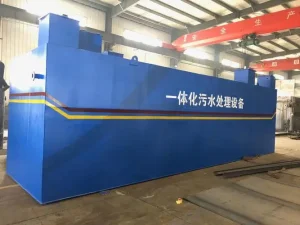
In modern industrial manufacturing, wastewater treatment represents both a critical operational compliance necessity and a core pillar of corporate environmental stewardship. Primary wastewater treatment serves as the indispensable baseline stage within comprehensive industrial effluent management frameworks. Designed to remove heavy settleable solids, floating scum, free oils, grease, and colloidal matter, primary treatment safeguards downstream biological systems, membrane filtration arrays, and advanced oxidation units from severe fouling, hydraulic shock, and mechanical abrasion.
Without robust primary treatment infrastructure, modern facilities face rapid equipment degradation, frequent chemical over-dosing penalties, unexpected shutdown cycles, and severe regulatory non-compliance fines. Top-tier industrial primary waste water treatment manufacturers and service providers must therefore deliver engineered systems capable of dealing with extreme flow fluctuations, complex chemical compositions, variable pH spikes, and heavy toxic pollutant loads characteristic of sectors such as chemical production, electroplating, food processing, and municipal-industrial clusters.
Modular physical-chemical operations customized for extreme industrial environments.
Initial mechanical bar screens, rotary drum screen systems, and micro-strainers protect downstream pumps by capturing large debris, plastics, fibers, and inorganic particulates down to 0.5mm.
Buffer tanks equipped with high-efficiency submerged agitators neutralize peak organic spikes, balance temperature gradients, and execute automated chemical pH dosing prior to clarification.
Precision chemical dosing channels utilize inorganic coagulants (PAC, FeCl₃) and polymeric flocculants (PAM) to neutralize zeta potential, forming dense, rapidly-settling pin flocs.
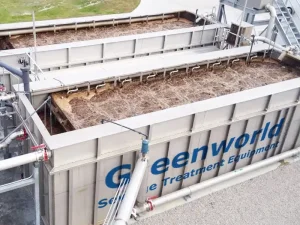
Micro-bubble generators create 10-30 micron air bubbles that attach to emulsified oils, fats, grease (FOG), and low-density colloidal flocs, floating them rapidly to the surface for automated skim removal.
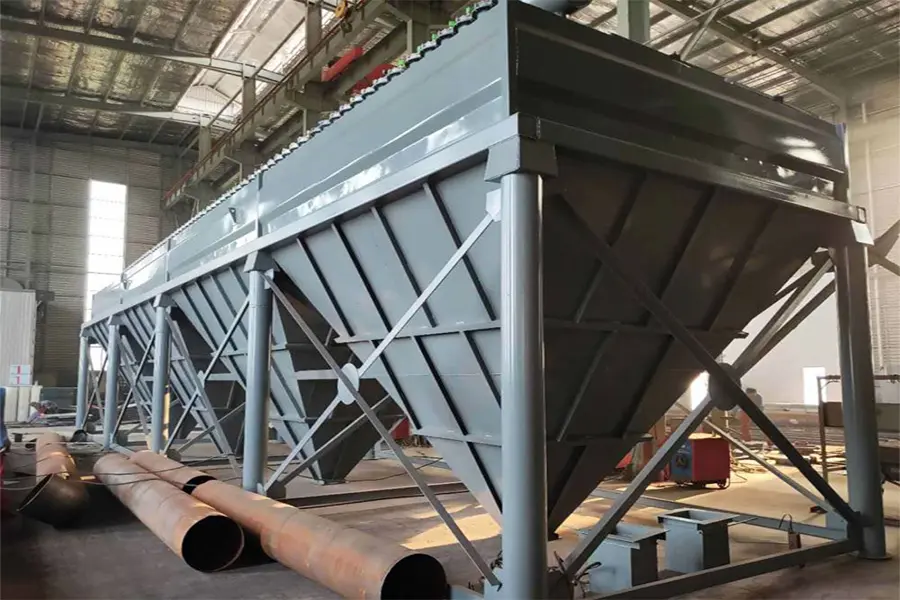
Inclined plate clarifiers maximize settling area within compact physical footprints, delivering crystal-clear supernatant effluent while concentrating primary sludge into bottom hoppers.
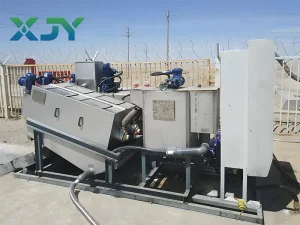
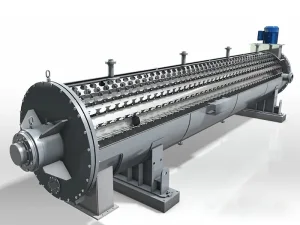
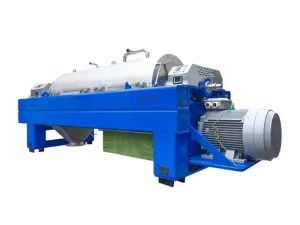
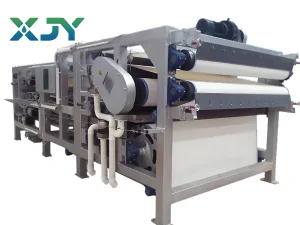
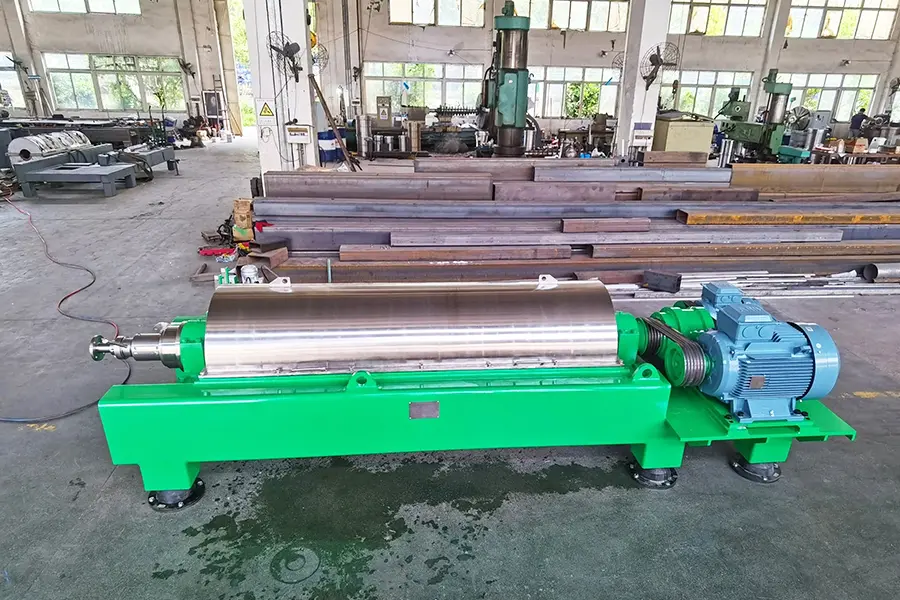
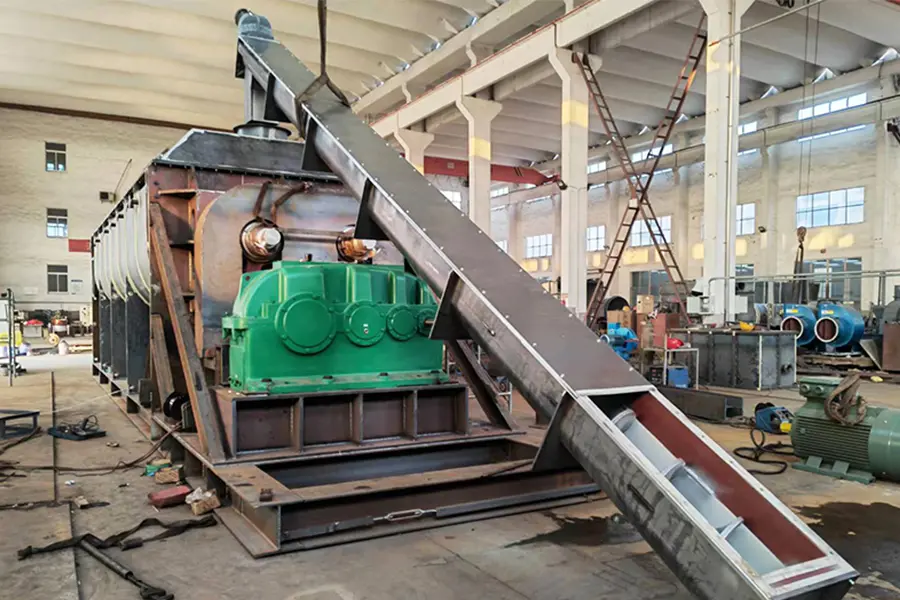
Integrated screw presses, belt filter presses, and decanter centrifuges reduce raw sludge moisture from 98% down to under 60-70%, drastically cutting hazardous disposal volumes and transport costs.
Why international EPC contractors and multinational industrial enterprises partner with leading Chinese OEMs.
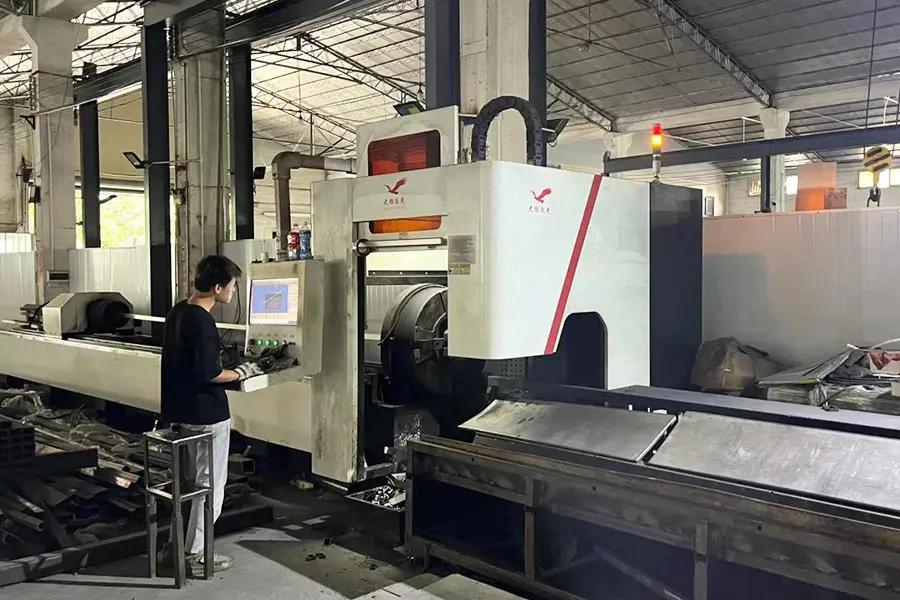
China's industrial ecosystem offers complete horizontal and vertical integration of raw materials, precision machining, structural stainless-steel fabrication, and digital automation components. This concentrated supply chain enables top Chinese primary waste water treatment manufacturers to deliver equipment with superior mechanical integrity at a fraction of Western capital cost (CapEx), without compromising international design standards (ISO, ASME, CE).
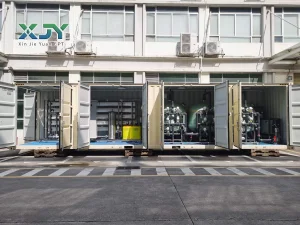
Modern Chinese wastewater treatment plants emphasize skid-mounted, containerized, plug-and-play modular designs integrated with AI-driven SCADA and IoT sensor arrays. Automated chemical dosing algorithms continuously adjust coagulant volumes based on real-time turbidity, conductivity, and flow rate readings, optimizing chemical expenditure (OpEx) while preventing human operational errors.
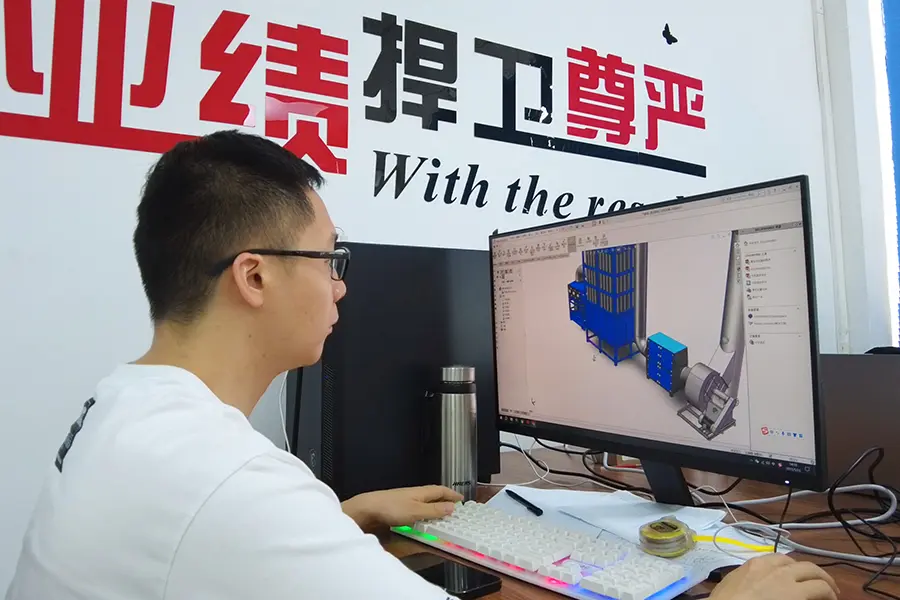
From custom metallurgy selection (SS304, SS316L, Duplex Stainless, Titanium) for corrosive chemical effluents to skid layout adaptations for tight brownfield retrofits, Chinese manufacturers excel in agile engineering. Detailed 3D BIM modeling and modular pre-assembly ensure rapid site installation, shortening EPC project delivery timelines by up to 40%.
Leading suppliers offer end-to-end lifecycle solutions: from initial effluent characterization bench testing and process pilot validation to turnkey manufacturing, international logistics, remote IoT diagnostics, and regional on-site commissioning service.
Tailored physical-chemical primary treatment architectures across complex industrial sectors.
Handles refractory organic compounds, high volatile organic compounds (VOCs), acidic/alkaline streams, and emulsified hydrocarbons using specialized multi-stage DAF and chemical breaking systems.
Focuses on heavy metal precipitation (Cu, Ni, Cr, Zn), complex cyanide destruction, and physical clarification to achieve zero-discharge pre-treatment requirements.
Treats high-color effluent, synthetic dyes, suspended starch solids, and surface-active agents using coagulant-assisted high-speed clarifiers and mechanical screen separators.
Removes massive loads of fats, oils, and grease (FOG), suspended proteins, and food scrap residues via heavy-duty grease traps and micro-bubble DAF installations.
Removes suspended active ingredients, solvents, and biological toxins, establishing stable baseline conditions for subsequent MBR and reverse osmosis (RO) purification phases.
Large-scale high-throughput grit removal channels, automated coarse screening, and primary sedimentation basins processing millions of gallons per day (MGD) of mixed industrial inflows.
Guangdong Xinjieyuan Environmental Protection Technology Co., Ltd.
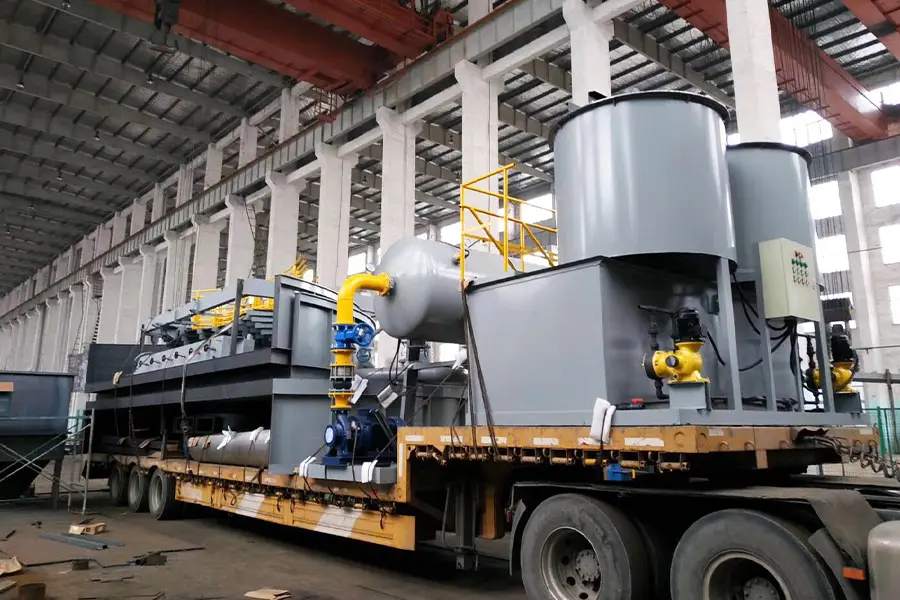
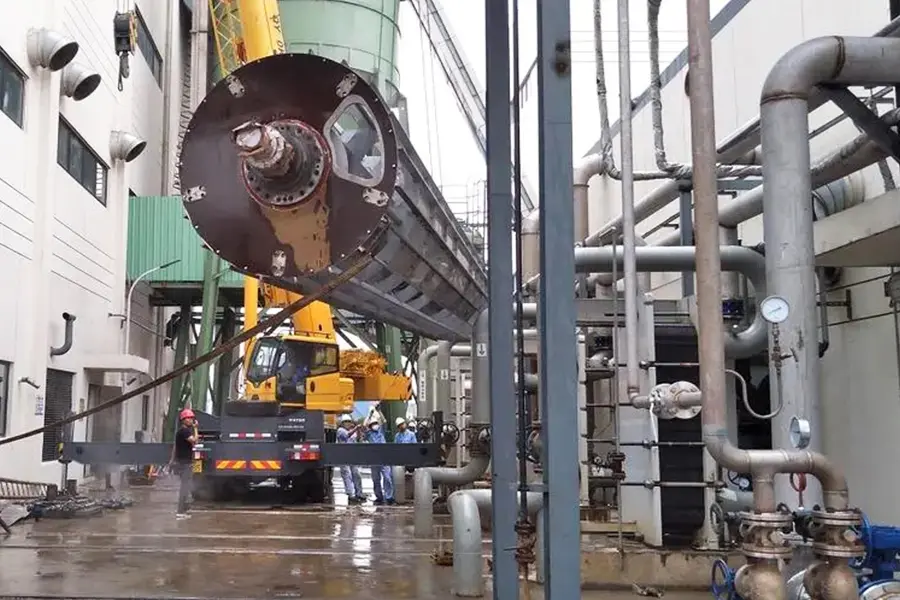
Guangdong Xinjieyuan Environmental Protection Technology Co., Ltd. professional in environmental protection equipment research development and manufacturing, water treatment, waste gas treatment, sewage sludge treatment and other fields, is a comprehensive enterprise of environmental protection scientific research, production, sales, has a proven professional operation team and abundant project constructions, with integration, the whole chain, multi-dimensional comprehensive service capabilities.
We are focused, so we are professional! Our company always insist on the concept of technological innovation and excellent quality, has obtained many environmental protection qualification certificates and scientific technological achievements: with environmental protection engineering professional contracting qualification, safety production license, quality management system, environmental management system, occupational health and safety system and other national authenticated certificates, with more than 45 product patents, 32 computer software and brands.
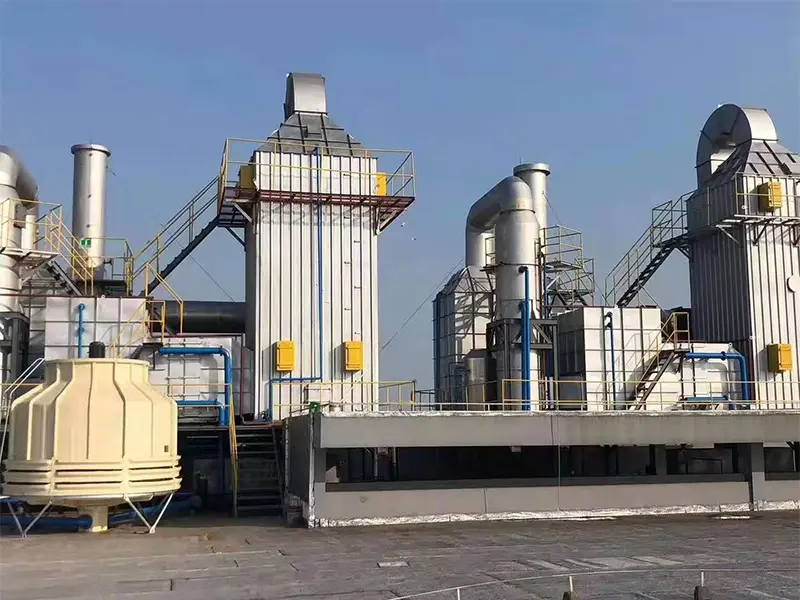
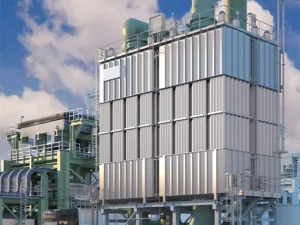
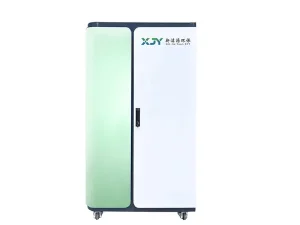
In view of the situation that the odor in agriculture, chemical industry, medical treatment, food, mining industry, electroplating and other industries disturb residents, XJY company has developed the "BDS intelligent deodorization System", which is highly intelligent, deodorized with high efficiency, unattended and automatic operation. Solve the odor problem for many enterprises and local governments, create a harmonious environment for economic development.
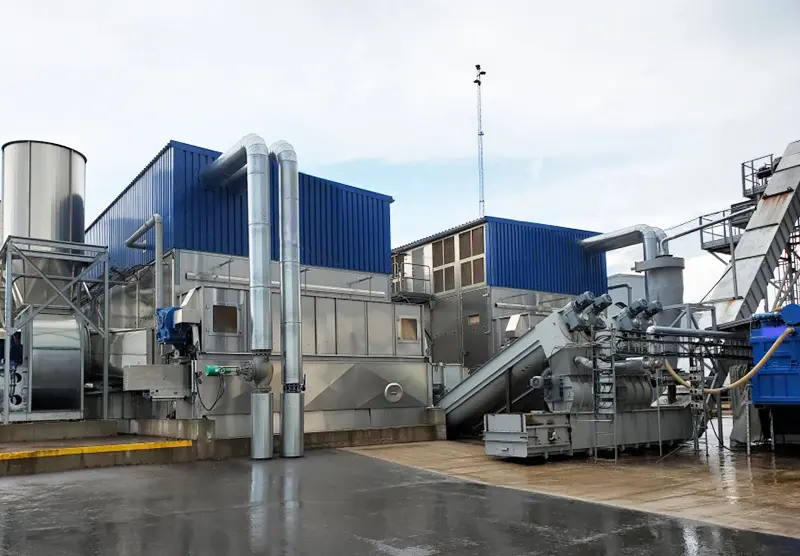
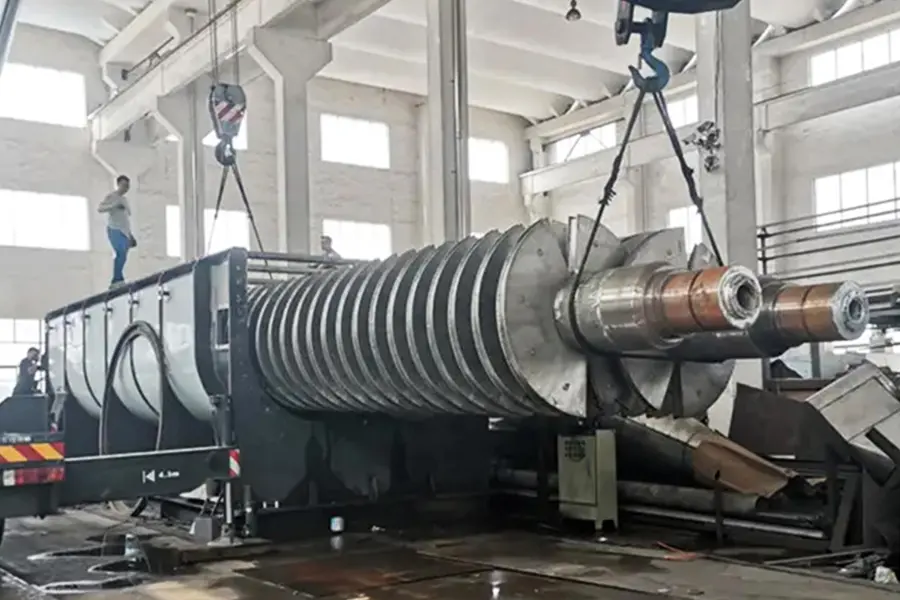
For municipal sludge disposal, industrial sludge disposal, polluted black and smelly water sludge dredging treatment to provide a complete solution, XJY company has built and operated a number of sludge drying reduction projects, treated it from the 80% moisture content sludge, drying into about 35% moisture content powder granular raw materials, transported to cement plants, thermal power plants, fertilizer plants and other resources utilization.
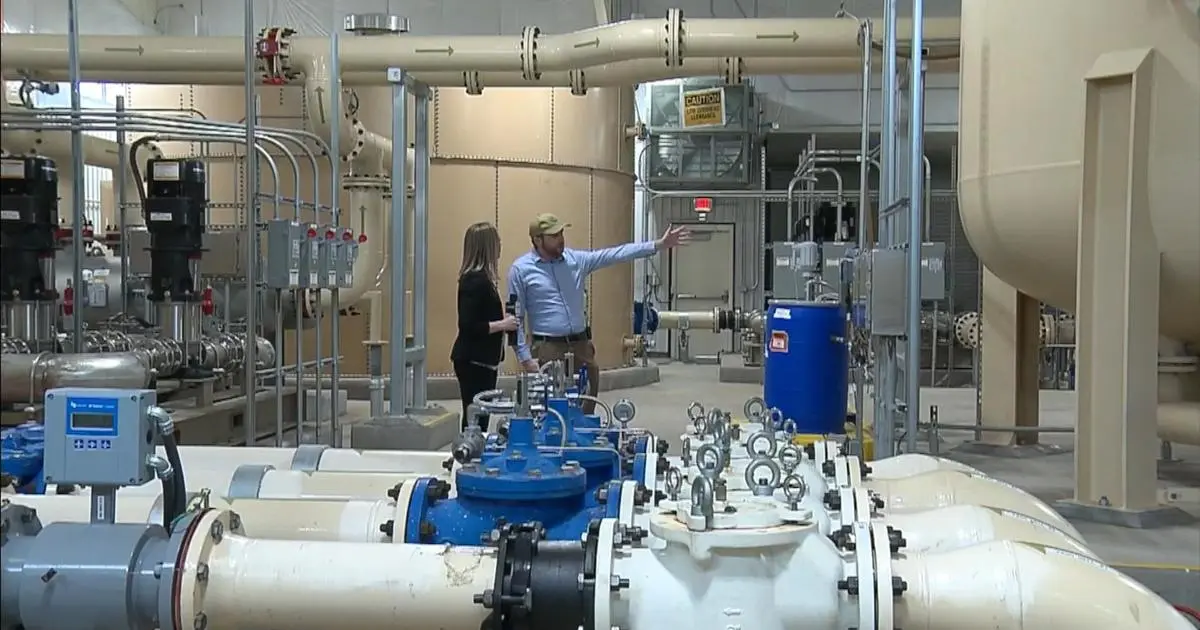
In view of the water resources shortage, poor water quality, water pollution and other situations, XJY company has developed the "WPS intelligent water purification system", this system design is scientific and reasonable, smart and efficient, widely used for home, hospital, school, community, factory and other drinking water purification, agricultural, rural, industrial, living and other wastewater treatment. For water purification, energy saving and emission reduction, water reuse, resource reuse, etc., to provide the exact support!
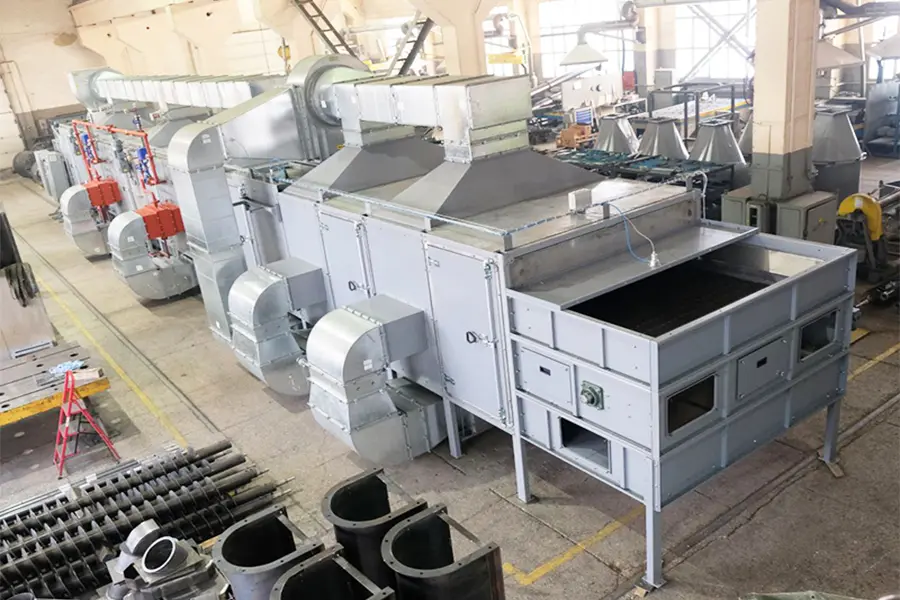
Expert insights addressing key procurement, operational, and engineering inquiries.
Explore our comprehensive portfolio of specialized sludge drying, reverse osmosis, and air pollution control technologies.
 XINJIEYUAN