Explore our leading commercial systems deployed worldwide for process efficiency and clean-water compliance.
As a pioneering force in the global clean technology landscape, Guangdong Xinjieyuan Environmental Protection Technology Co., Ltd. (XJY) stands as a premier design, manufacturing, and servicing authority. We focus on advanced environmental protection engineering, specializing in industrial water purification, waste gas treatment, sewage sludge processing, and renewable-energy integrated water management solutions. Our core mission addresses global resource scarcity through highly integrated, multi-dimensional, and full-chain environmental systems.
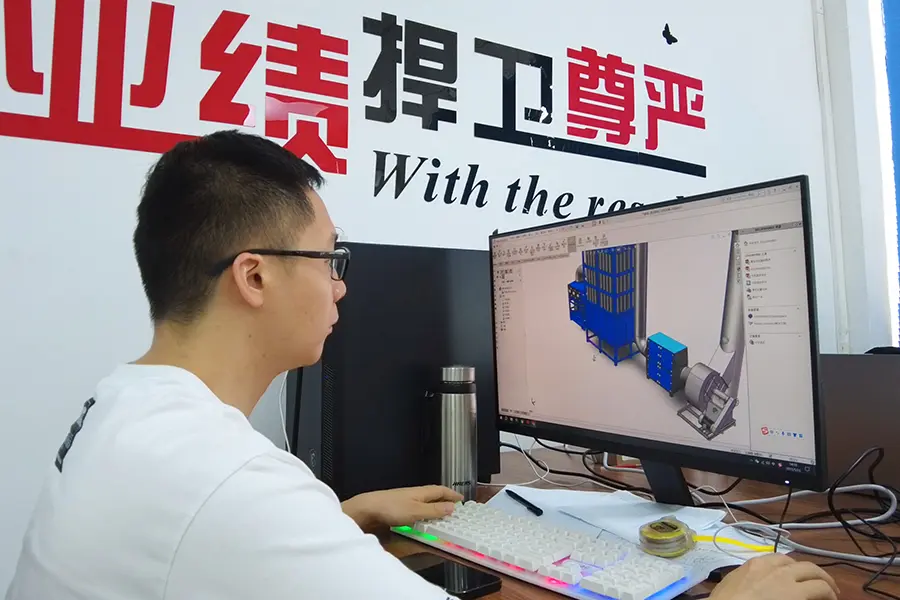
At XJY, technological innovation is embedded in our corporate DNA. We possess structural contracting qualifications for environmental protection engineering, state-authorized safety production licenses, and operate under ISO-accredited quality, environmental, and occupational health and safety systems (ISO9001, ISO14001, ISO45001). Our R&D achievements are backed by more than 45 national patents and 32 proprietary computer software copyrights, cementing our technical authority within the water treatment industry.
National Patents
Software Copyrights
Compliance Standards
Remote Support Capabilities
The nexus of water scarcity and clean energy transitions has driven solar-coupled water treatment into mainstream industrial demand.
Global aquifers are depleting rapidly. Heavy industries, oil & gas, and coastal manufacturing sites are facing tight environmental regulatory limits, creating a major need for high-salinity water desalination that operates independently of local municipal grids.
Traditional thermal and membrane desalination systems are highly energy-intensive, depending heavily on fossil fuel power plants. Photovoltaic (PV) and concentrated solar power (CSP) technologies offer a viable path to bring the operational carbon footprint to near-zero.
Over the last decade, Levelized Cost of Water (LCOW) metrics for PV-driven Reverse Osmosis (RO) have dropped. When coupled with advanced energy recovery devices (ERDs), solar desalination presents a highly competitive capital and operating cost profile.
In addition to solar desalination, our core technology lines provide integrated environmental support for global industrial sites.
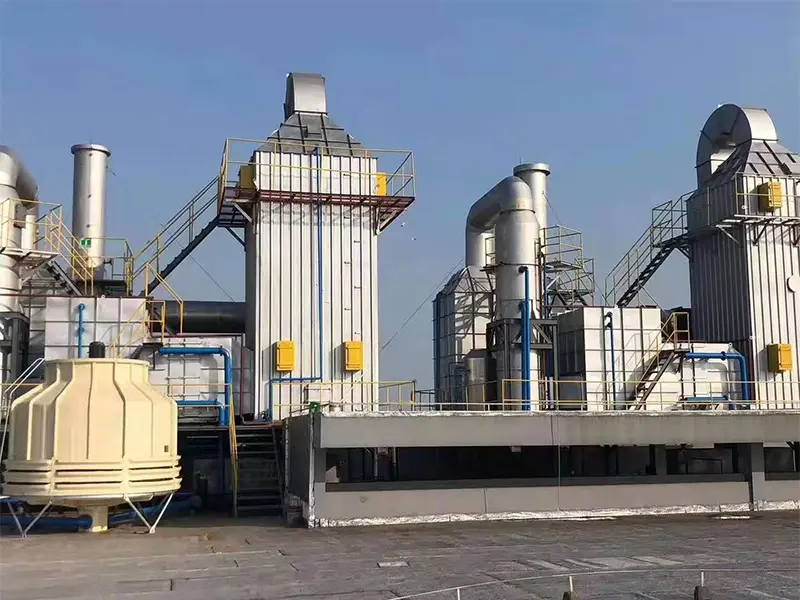
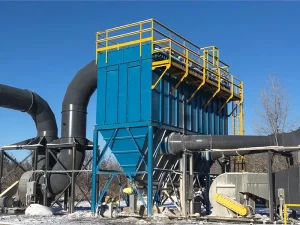
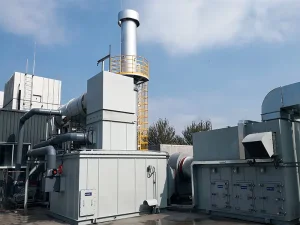
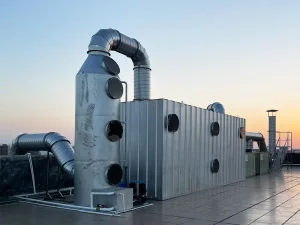
To address offensive odors in farming, chemical production, pharmaceuticals, food processing, mining, and electroplating, XJY developed the BDS Intelligent Deodorization System. This highly automated setup runs unattended to neutralize complex compounds (such as H2S and NH3), achieving stable exhaust treatment. By solving odor issues, the system helps industrial facilities maintain good relationships with local communities and nearby residential areas.
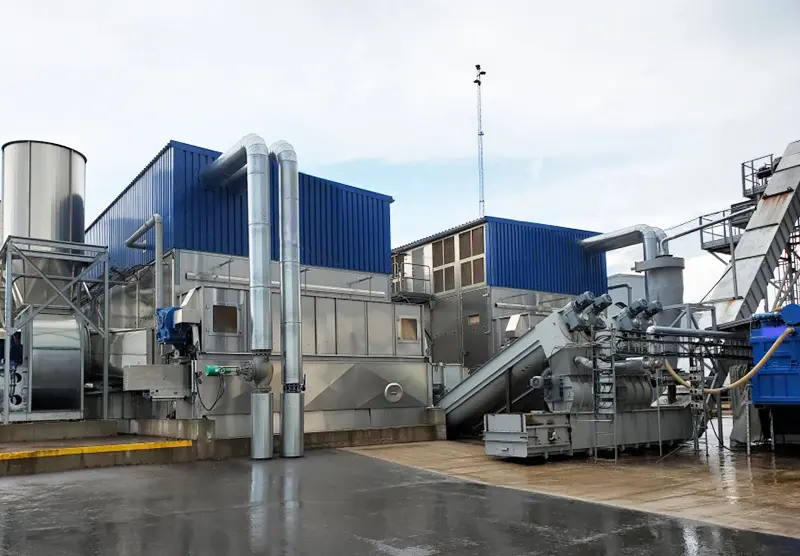
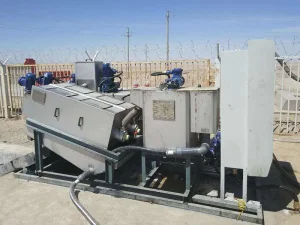
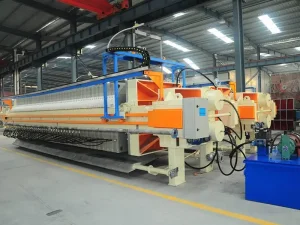
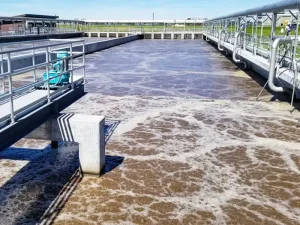
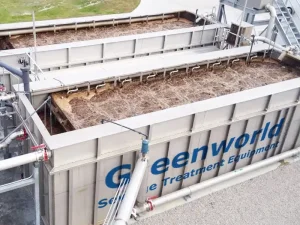
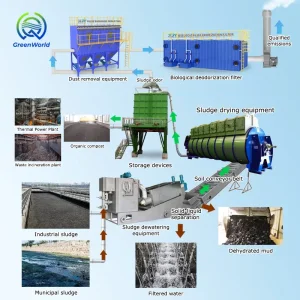
Municipal wastewater works, industrial processing plants, and dredging operations for black and smelly water generate high-volume sludge. XJY offers complete, end-to-end solutions that take raw cake sludge with 80% moisture content and dry it down to a 35% moisture content granular powder. This dried material can then be utilized as a resource in cement kilns, thermal power plants, and fertilizer production.
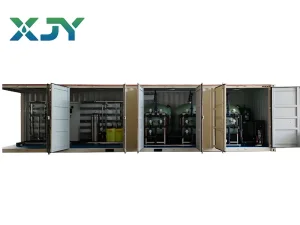
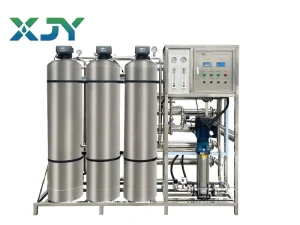
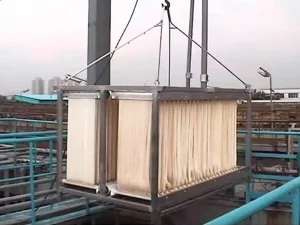
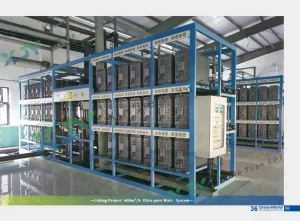
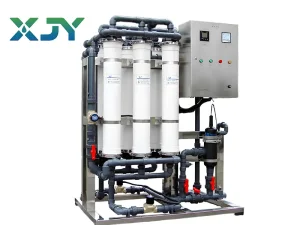
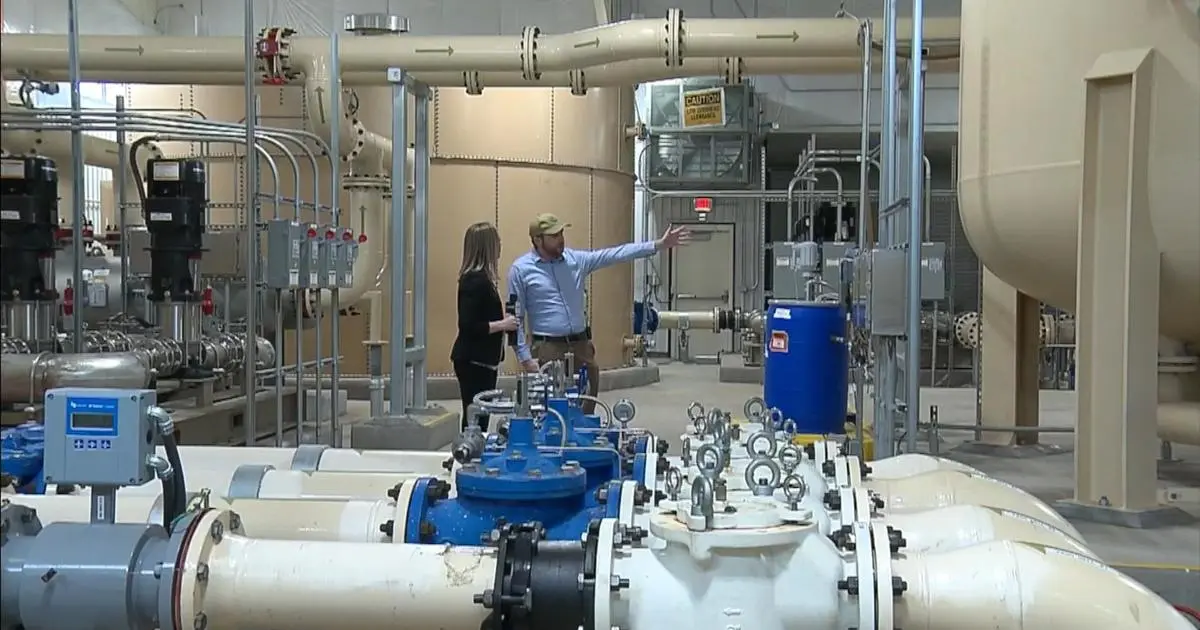
Designed for areas facing severe water shortages or pollution, the WPS Intelligent Water Purification System features a modular, energy-efficient design. It is deployed in municipal plants, hospitals, remote research facilities, and coastal industrial sites to support safe drinking water production and process wastewater recycling. By reducing grid dependencies, the system makes clean water production more accessible in remote regions.
Different regions present unique water chemistry and geographic challenges. Our modular systems adapt to these environments.
Remote tropical islands often lack grid power and must import diesel fuel at high costs. Our containerized solar RO systems run directly on solar energy to produce clean drinking water, helping local utility networks save on fuel costs.
Arid mining regions in locations like South America and Western Australia require large volumes of fresh process water. Integrating containerized solar desalination units allows mine operators to source water locally from sea or brackish supplies, keeping operations running smoothly.
In areas with high soil salinity, brackish groundwater can damage crops. Our solar-powered brackish water RO (BWRO) units treat high-salinity groundwater, providing clean water for irrigation while operating independently of local power grids.
How XJY is pushing boundaries to lower energy consumption and improve system durability.
Traditional reverse osmosis systems require a stable, continuous power supply. XJY is developing variable-frequency pump control algorithms that match system operation directly to real-time solar intensity. This minimizes the need for large battery banks and reduces energy conversion losses.
We are working to integrate thin-film nanocomposite (TFN) membranes and automated flushing cycles into our systems. These developments help reduce scaling and biofouling from organic matter, extending the service life of membranes in demanding conditions.
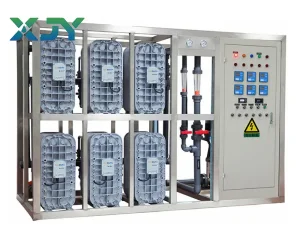
Our long-term roadmap focuses on combining solar-powered electrodialysis metathesis (EDM) with crystallization systems. This process treats concentrated brine to recover minerals and salts, helping industrial plants achieve zero liquid discharge targets.
By utilizing isobaric energy recovery devices, our technical designs aim for a specific energy consumption of 2.0 to 2.5 kWh/m³ for high-salinity seawater, helping to lower operational costs.
Efficiency Target: 85% Optimization Achieved
Operating from the industrial manufacturing hub of Guangdong, Xinjieyuan utilizes a highly integrated regional supply chain. We maintain direct relationships with suppliers of pressure vessels, electrical components, high-pressure pumps, and advanced membranes. This close proximity helps us streamline component souring, control quality, and reduce manufacturing lead times.
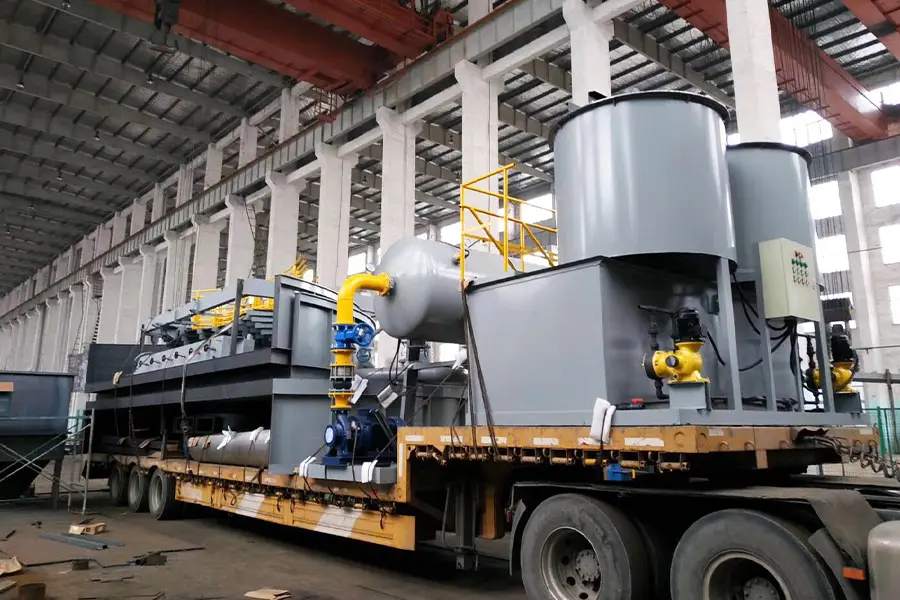
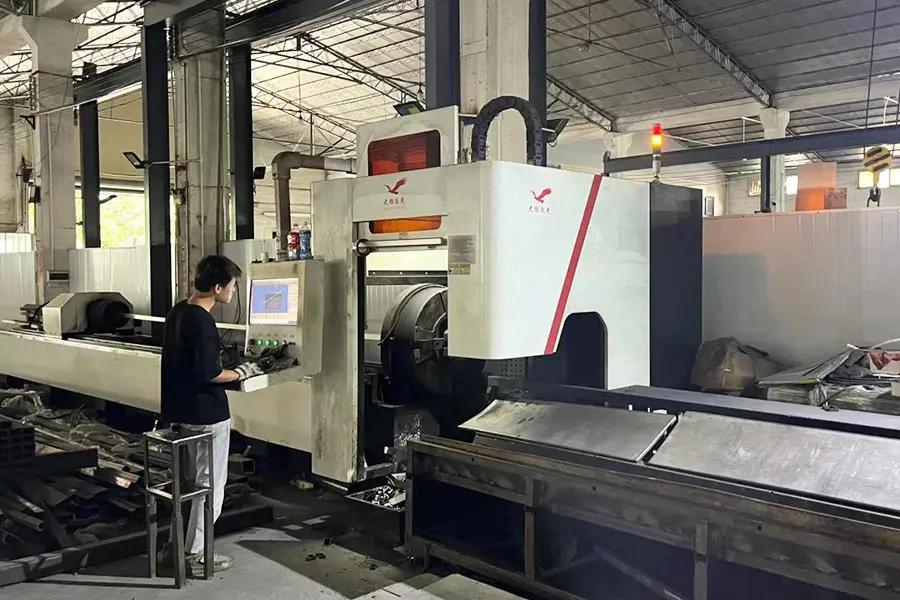
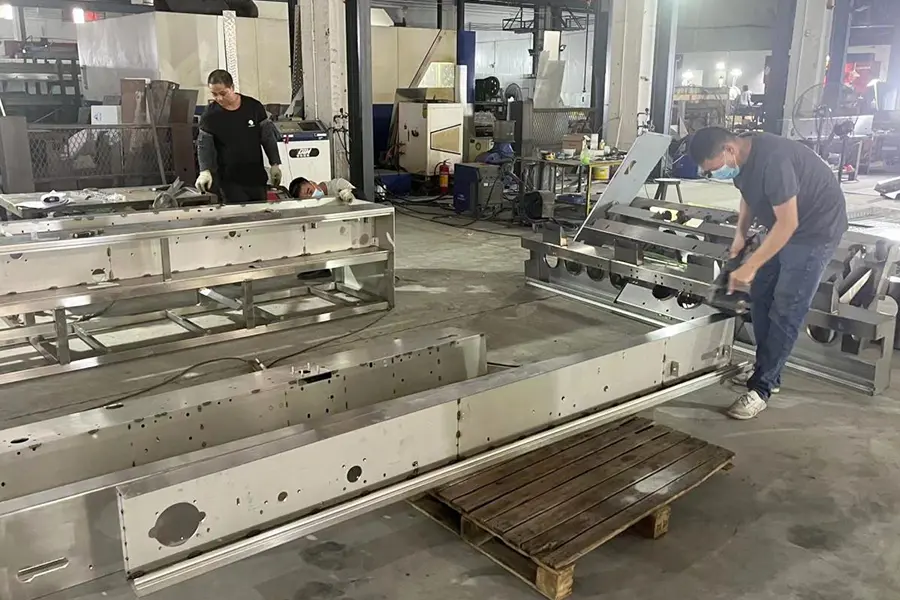
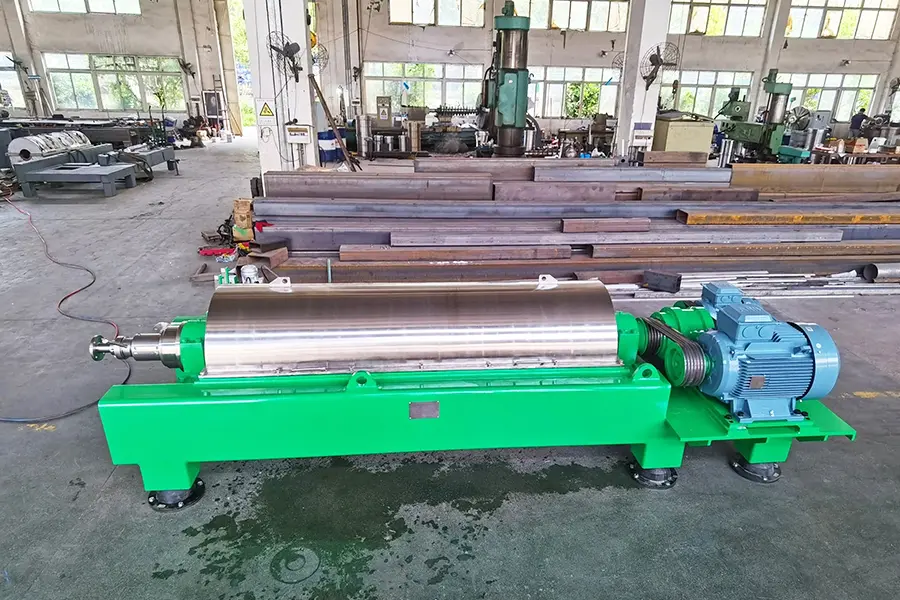
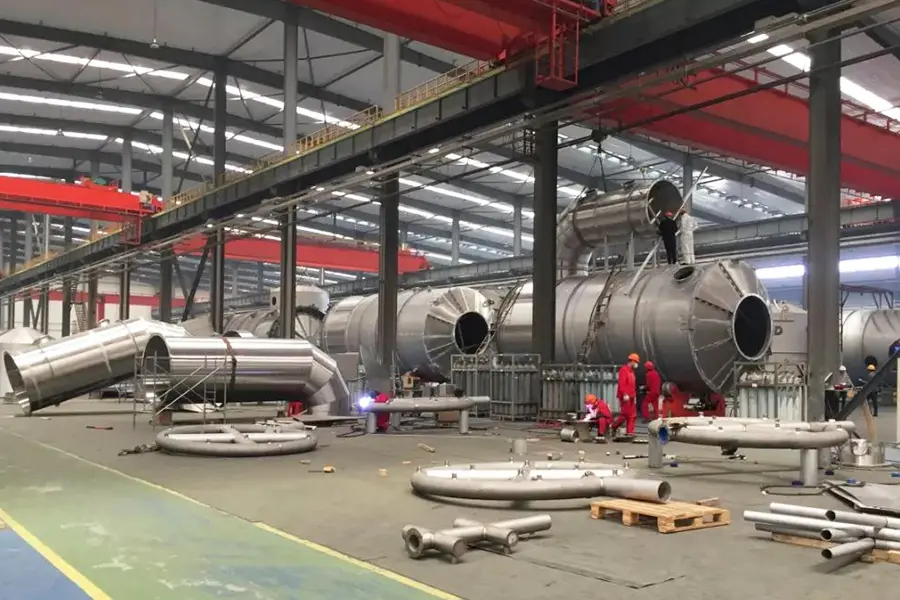
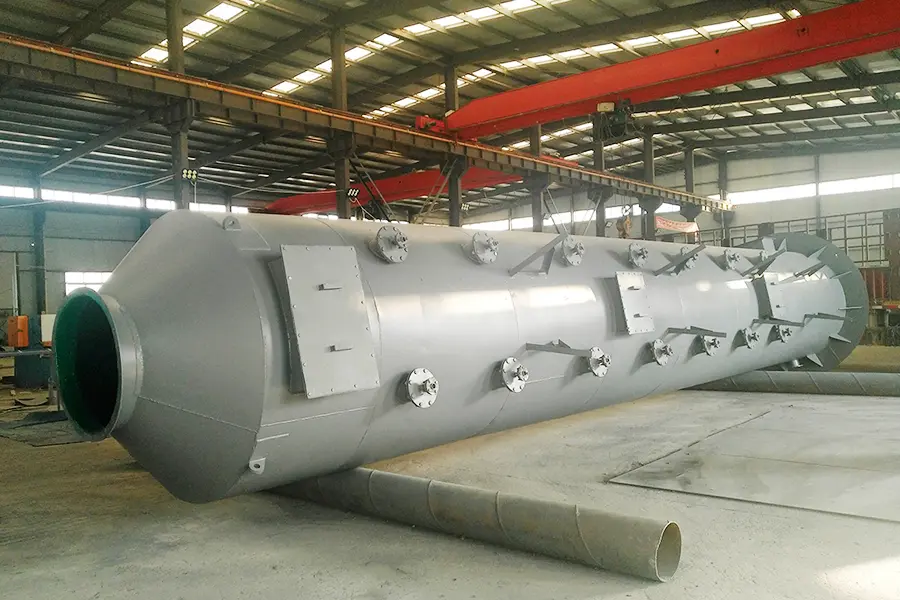
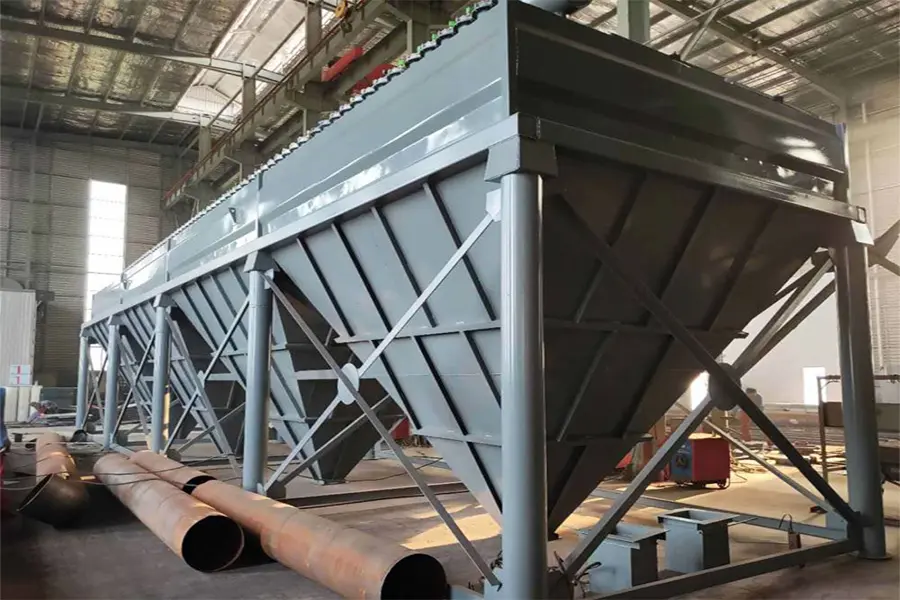
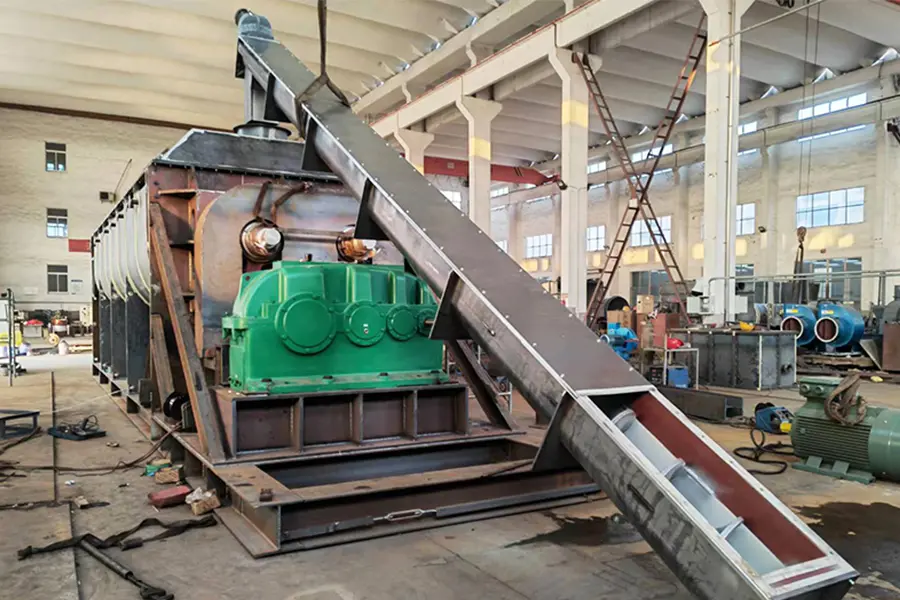
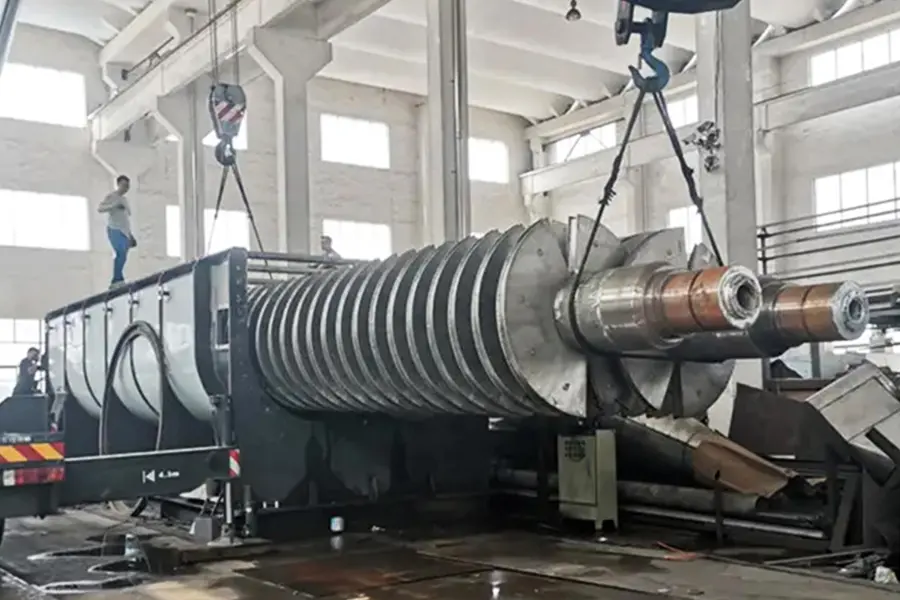
Our facility features dedicated fabrication shops for structural welding, piping assembly, electrical integration, and system testing. Every containerized water desalination system undergoes comprehensive pressure, electrical safety, and automation testing before shipping. This centralized manufacturing approach allows us to deliver reliable equipment that meets international standards.
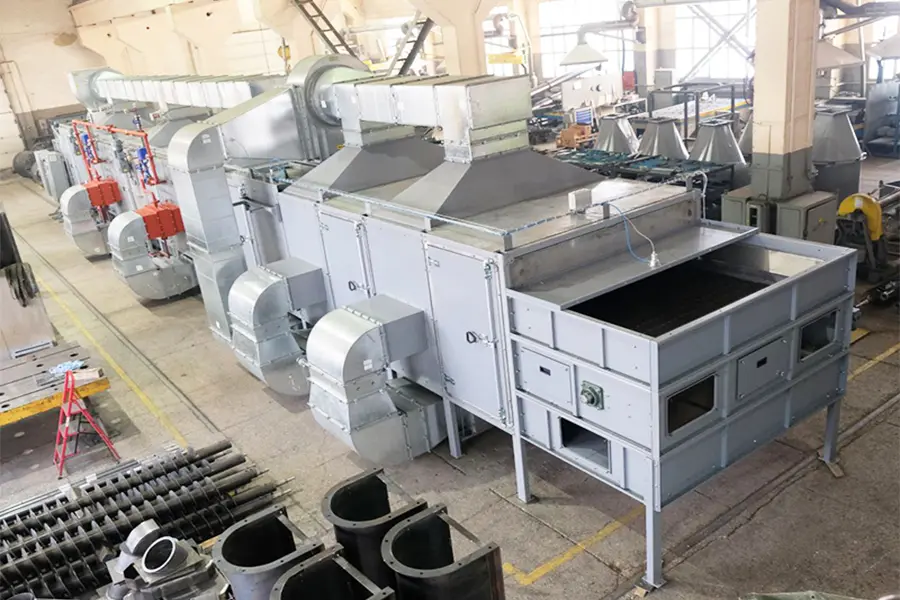
Ensuring compliance with local standards and providing commissioning support for your project location.
Our equipment designs meet relevant international standards, utilizing ASME-coded pressure vessels and electrical enclosures compliant with CE and UL standards.
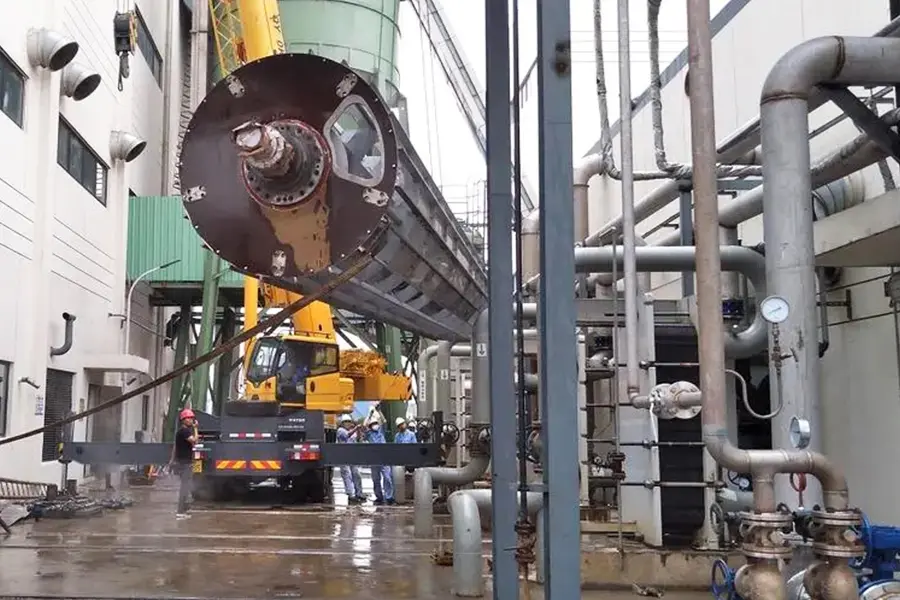
We provide on-site installation support, pre-commissioning checks, and operator training to ensure your local maintenance team can manage daily operations.
Every system can be equipped with remote monitoring capabilities. This allows our engineering team in Guangdong to view performance data, diagnose issues, and support your on-site technicians.
Common questions regarding solar water desalination systems, energy demands, and operational requirements.
XJY provides high-capacity systems for process water, sludge dewatering, and emission treatment.
 XINJIEYUAN