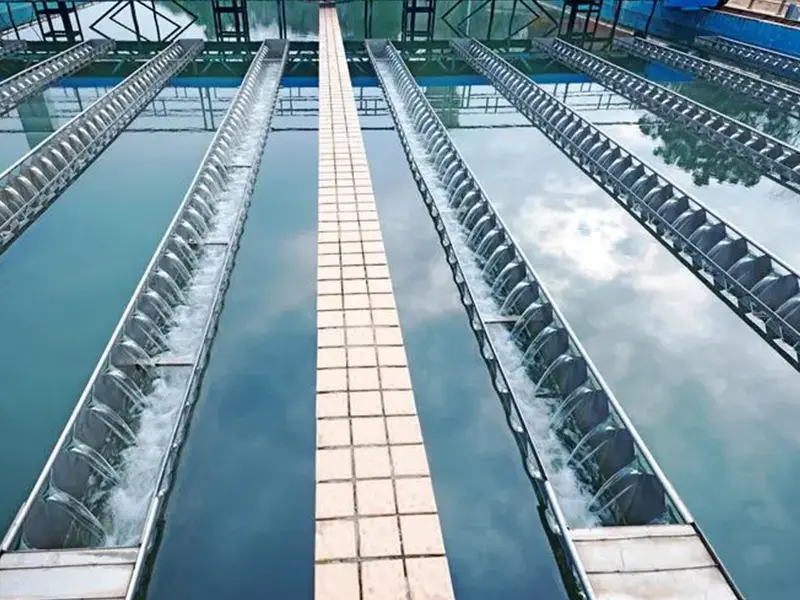
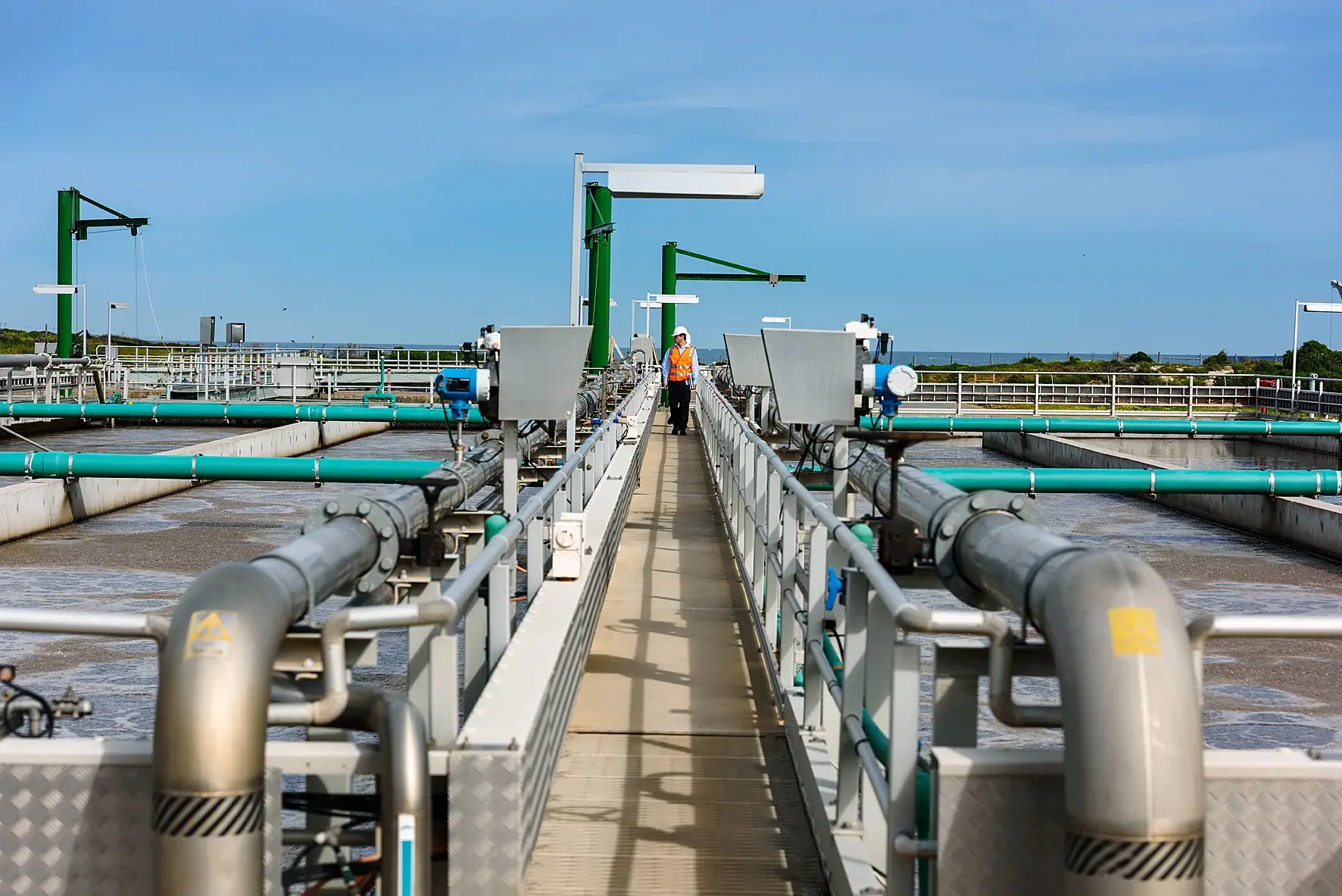
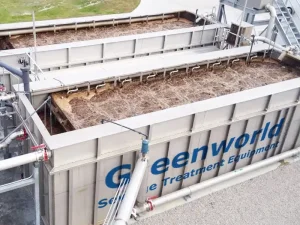
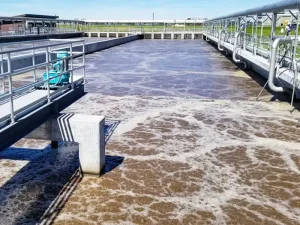
Domestic sewage treatment refers to the treatment of sewage generated in the life of urban residents, so that it meets the discharge standards and does not cause pollution to the environment. The importance of domestic sewage treatment is self-evident, which is related to human health and sustainable development of the environment.
Firstly, domestic sewage contains a large number of organic matter and microorganisms. If directly discharged into the environment, it will cause serious pollution to water bodies. These substances consume oxygen, leading to water quality deterioration and affecting aquatic life. Additionally, nutrients like nitrogen and phosphorus can cause eutrophication and harmful algae blooms.
Secondly, domestic sewage contains harmful substances such as heavy metals, drug residues, and pathogens. Effective treatment is an essential measure to protect ecosystems and human health.
Domestic sewage treatment also enables resource utilization. Organic matter can be converted into organic fertilizer or biogas, realizing resource recycling and reducing natural resource consumption.
Classification of Treatment Systems
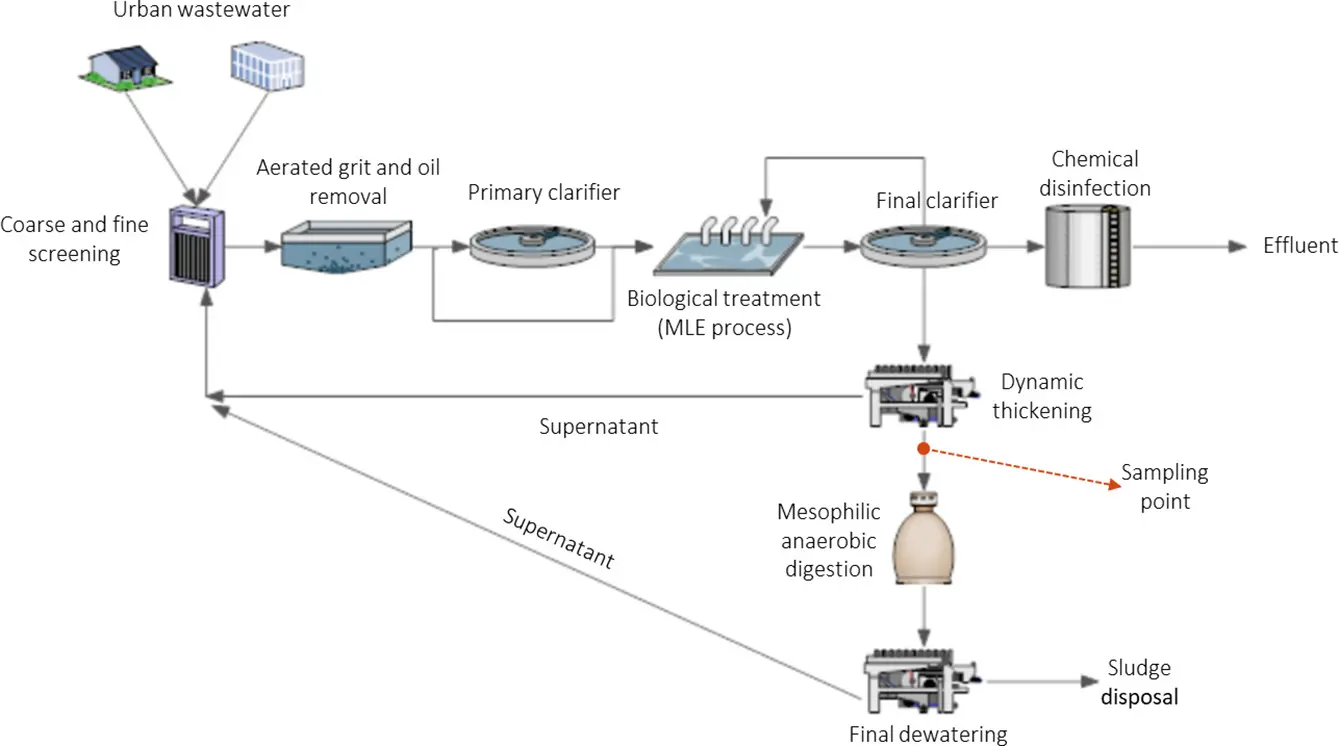
Wastewater treatment systems are generally divided into three degrees:
✔Primary Treatment: Removes suspended solids mainly by physical methods. This is often considered pre-processing as it usually cannot meet final discharge standards.
✔Secondary Treatment: Biological treatment that removes colloidal and dissolved organic matter, allowing wastewater to meet basic discharge standards.
✔Advanced (Tertiary) Treatment: Further removes pollutants like phosphorus, nitrogen, and pathogens using chemical oxidation, precipitation, and membrane separation technologies.
Basic Principles & Consumables
In sewage treatment plants, several chemical agents and agents are essential for the purification process:
01Oxidants: Liquid chlorine, chlorine dioxide, or hydrogen peroxide.
02Flocculants: Polyaluminum chloride (PAC) or anionic/cationic polyacrylamide (PAM).
03Neutralization: Sulfuric acid, quicklime, or caustic soda for pH adjustment.
04Others: Defoaming agents, reducing agents (ferrous sulfate), and chemical phosphorus removal agents.
Cleaning Methods & Common Techniques
Modern wastewater purification relies on a combination of four primary methods:
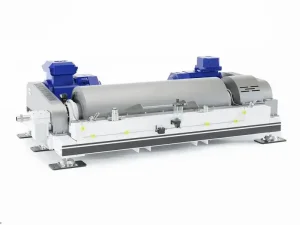
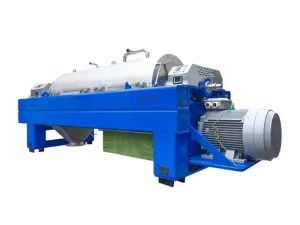
• Physical Method: Filtration, precipitation, and centrifugal separation to remove insoluble solids.
• Chemical Method: Neutralization, oxidation, and flocculation to change the state of pollutants.
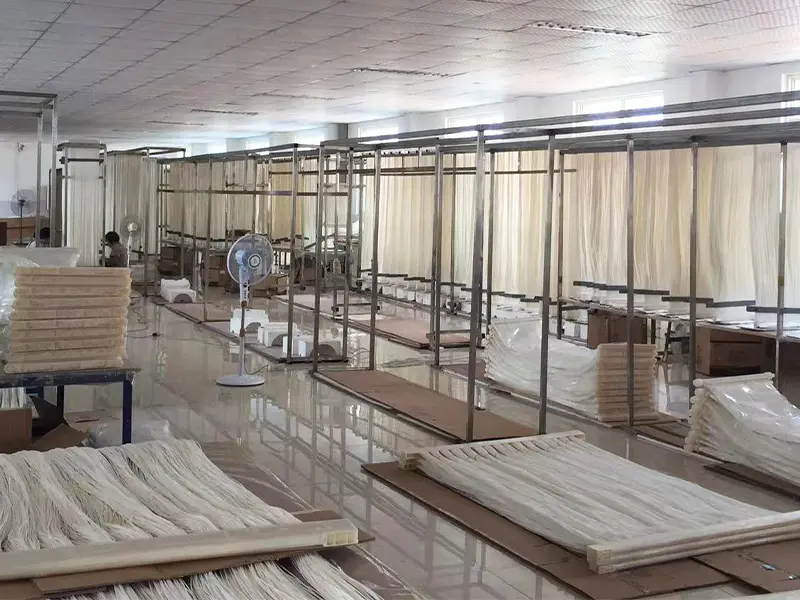
• Physical-Chemical Method: Adsorption, ion exchange, and membrane separation (reverse osmosis).
• Biological Method: Using microbial metabolism (activated sludge, anaerobic digestion) to degrade organic pollutants.
Processing Equipment
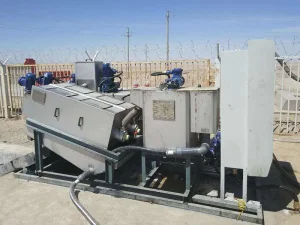
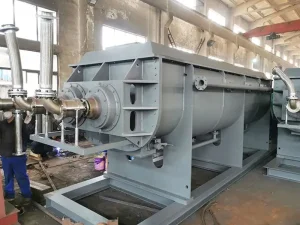
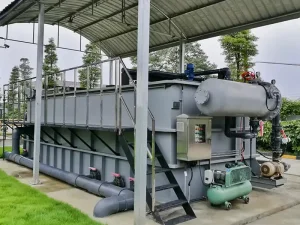
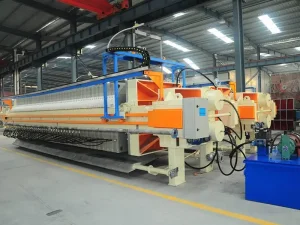
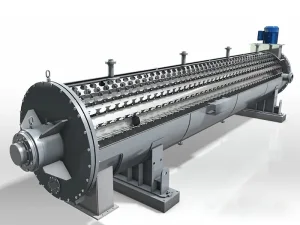
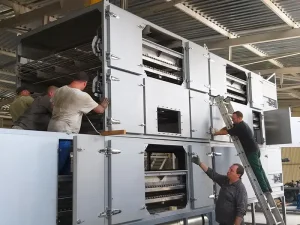
A comprehensive domestic sewage treatment system requires specialized equipment:
1. Grille (Screening)
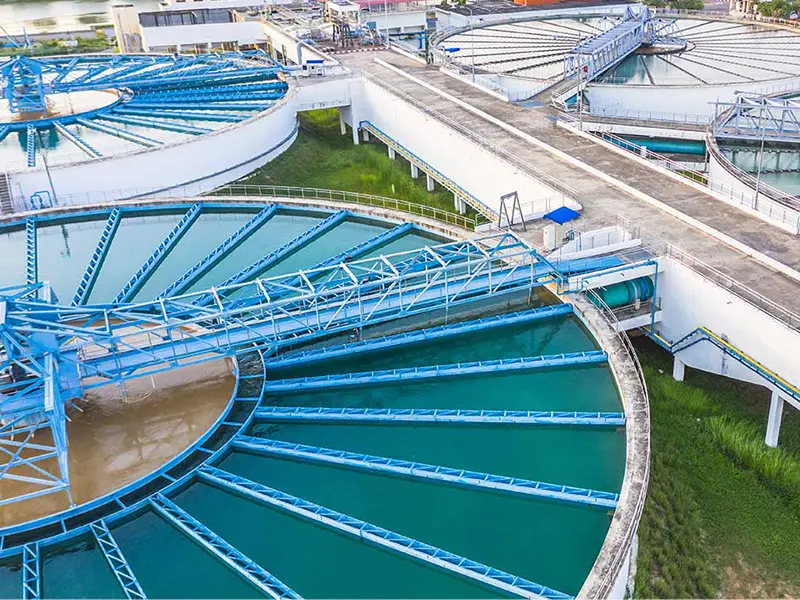
2. Sand Sedimentation Tank
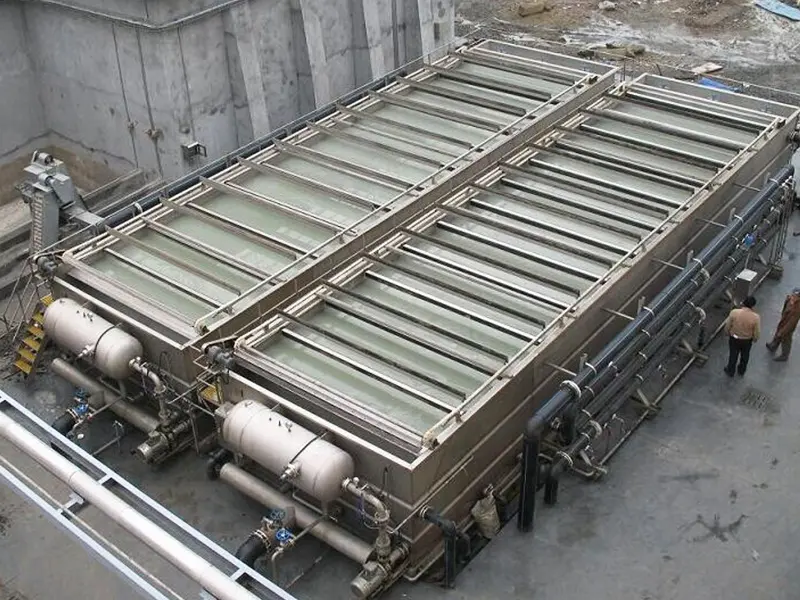
3. Air Flotation Tank
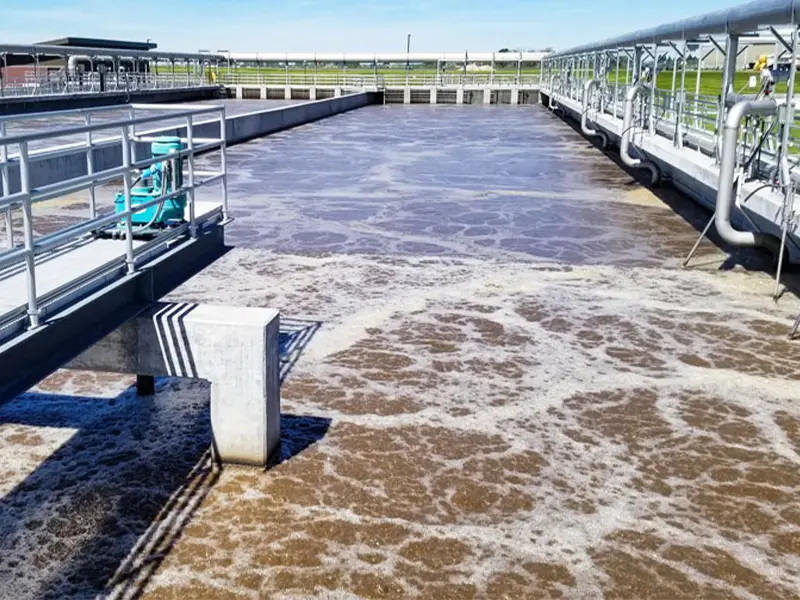
4. Activated Sludge Reactor
5. Anaerobic Digester
6. Biofilm Reactor
7. Ozone Oxidation Reactor
8. Activated Carbon Adsorber
Frequently Asked Questions
What are the three main stages of domestic sewage treatment?
Treatment is divided into primary (physical removal of solids), secondary (biological degradation of organic matter), and tertiary or advanced treatment (chemical and membrane processes for high purification).
How do biological methods treat wastewater?
Biological methods use microorganisms to metabolize organic pollutants. Aerobic treatment uses oxygen to oxidize pollutants, while anaerobic treatment works in the absence of oxygen to convert organic matter into substances like methane.
What are nano-micron particle pollutants?
These are fine particles smaller than 1μm, including clay minerals, synthetic organic matter, and algae. They often carry toxic heavy metals and are difficult to remove using traditional conventional treatment technologies.
What chemicals are commonly used as flocculants?
The most common flocculants are Polyaluminum Chloride (PAC) and Polyacrylamide (PAM), which help small particles clump together so they can be easily removed.
Why is advanced (tertiary) treatment necessary?
It is used to remove specific pollutants that secondary treatment cannot, such as nitrogen, phosphorus, and non-biodegradable organics, making the water safe for reuse or discharge into sensitive environments.
Can domestic sewage be recycled?
Yes, through proper treatment, domestic sewage can be converted into resources like organic fertilizer and biogas, and the treated water can be reused for industrial purposes or groundwater recharge.
 XINJIEYUAN