Explore our premium product portfolio of high-efficiency water and sludge treatment machinery.
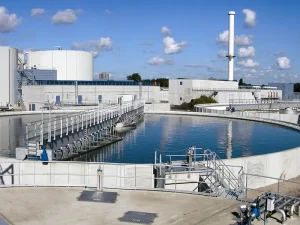
The biological treatment of municipal and industrial wastewater has evolved from classic activated sludge systems toward high-efficiency biofilm reactors. Among these innovations, the Moving Bed Biofilm Reactor (MBBR) represents a hybrid approach combining the benefits of attached growth and suspended growth processes. As leading manufacturers and factories, we engineer custom systems designed to satisfy stringent chemical oxygen demand (COD), biological oxygen demand (BOD), and total nitrogen (TN) standards.
The core performance of any commercial MBBR wastewater treatment system is determined by the fluidization kinetics of its carrier media. These carriers, typically fabricated from virgin High-Density Polyethylene (HDPE), support the growth of specialized biological communities. In an optimal MBBR configuration, the carrier media filling rate remains between 50% and 65% of the total reactor volume. Elevating the filling rate beyond 67% induces poor fluidization and leads to mass transfer limitations, while lower values fail to capitalize on the volumetric capacity of the reactor.
Technical Insight: High-density carriers feature internal surface areas designed to shelter the active biofilm from premature shearing caused by aeration-induced hydraulic turbulence. While the outer surface experiences shear forces that scrape away dead biomass, the inner chambers maintain a highly structured microbial community, enabling simultaneous nitrification and denitrification (SND) within a single reactor chamber.
Effective waste degradation relies on active oxygen transfer across the liquid boundary layer and into the biological matrix. In aerobic zones, we configure custom coarse-bubble aeration grids to deliver oxygen and provide the mechanical energy required to circulate the carriers. The local dissolved oxygen (DO) concentration must be maintained at a minimum of 2.0 to 3.0 mg/L to prevent mass transfer limitations within the biofilm core. High DO gradients facilitate the diffusion of oxygen deep into the biofilm, sustaining nitrification processes dominated by autotrophic nitrifiers (Nitrosomonas and Nitrobacter species) at the carrier's inner surface.
Engineered and manufactured by Guangdong Xinjieyuan Environmental Protection Technology Co., Ltd.
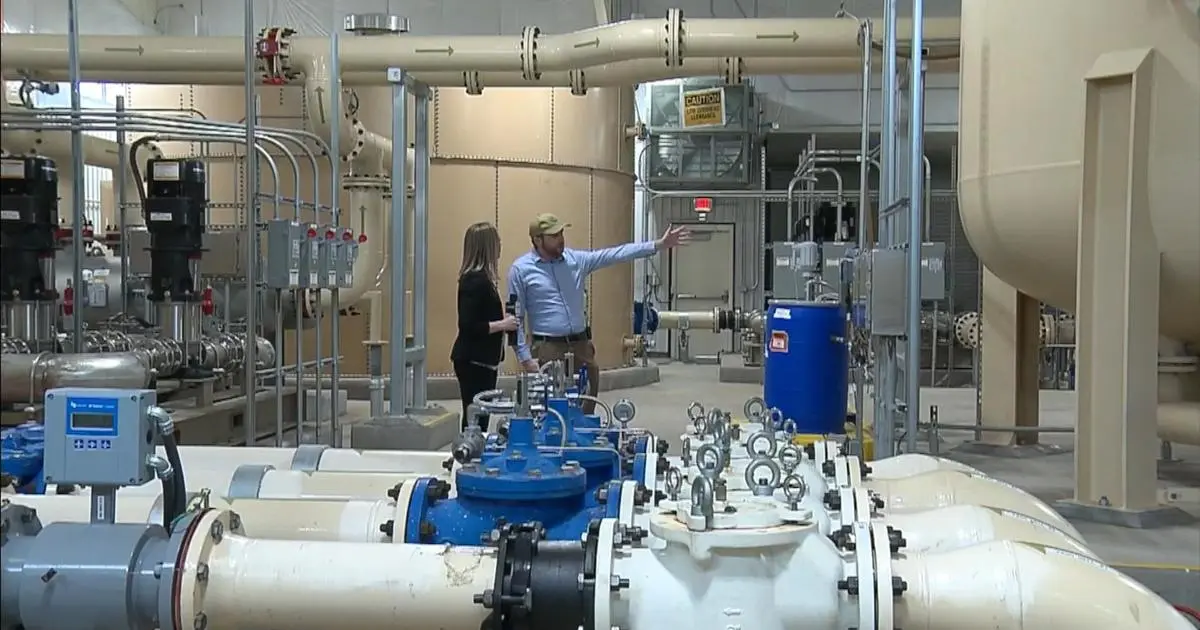
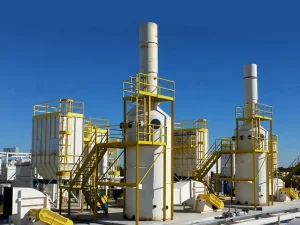
We are a comprehensive enterprise specializing in environmental protection equipment research, development, and manufacturing. Our expertise covers water treatment, waste gas control, and sewage sludge treatment. Powered by a proven professional operations team and supported by extensive construction experience, XJY provides multi-dimensional, integrated environmental services.
We insist on technological innovation and excellent product quality. Our company has obtained national qualifications, including the environmental protection engineering professional contracting qualification, safety production licenses, and ISO quality, environmental, and occupational health management system certifications. With over 45 product patents and 32 computer software and brand registrations, our research drives practical field performance.
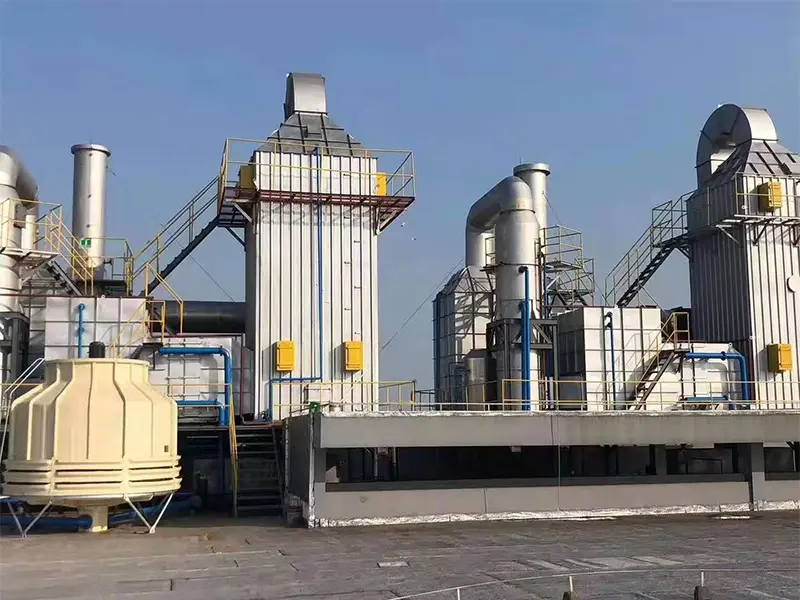
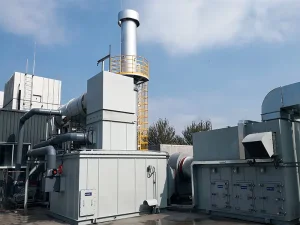
Addressing odor complaints from agriculture, chemical processing, medical facilities, food processing, mining, and electroplating industries, XJY developed the BDS Intelligent Deodorization System. This highly intelligent, energy-efficient solution runs unattended with automated parameters. It helps municipal governments and private enterprises resolve odor challenges and improve community compliance.
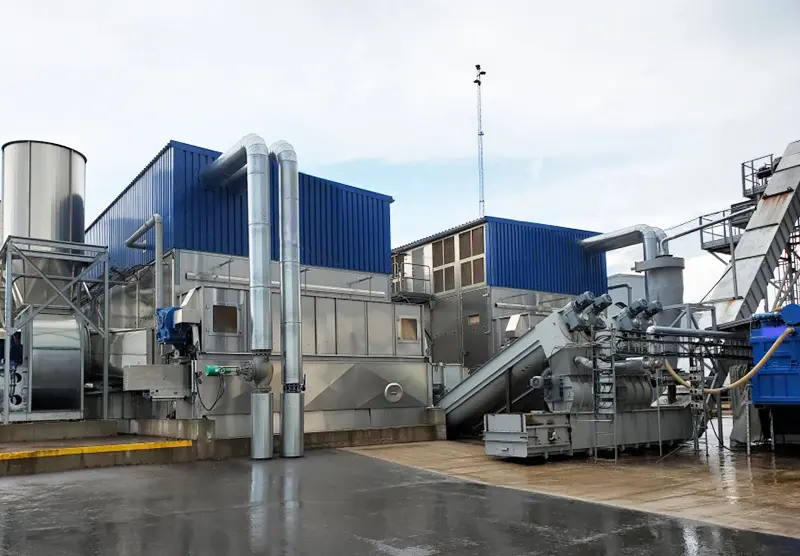
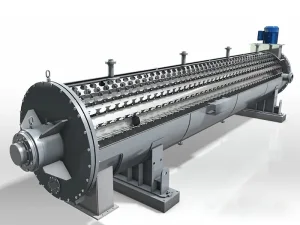
XJY offers integrated solutions for municipal, industrial, and river dredging sludge. Our sludge drying and reduction systems reduce moisture content from 80% down to approximately 35%, producing a dry, granular material. This output can be safely transported to cement works, thermal power plants, or fertilizer facilities for resource recovery and reuse.
How our industrial manufacturing scale delivers value to municipal and commercial projects worldwide.
Our industrial base leverages advanced raw material sourcing and high-speed injection molding lines. This allows us to supply massive volumes of custom-formulated HDPE MBBR carrier media quickly, maintaining consistent density and surface area specifications.
We build our equipment to meet European CE standards, DIN criteria, and US EPA recommendations. Our engineering teams coordinate with overseas general contractors to ensure every system complies with local effluent discharge laws.
From design parameters to system commissioning, we provide full support. This includes remote SCADA integration and field service supervisors to ensure smooth mechanical installation and startup on site.
Solving targeted water challenges across diverse industries and geographic regions.
Faced with tightening nitrogen standards, many existing activated sludge plants lack the physical footprint to build larger settling tanks or oxidation zones. Our MBBR systems solve this by converting existing tankage into hybrid Integrated Fixed-Film Activated Sludge (IFAS) or standalone MBBR systems. Adding specialized bio-carriers increases the active biomass concentration within the same volume, allowing facilities to double their treatment capacity without requiring additional land.
Refineries and petrochemical plants generate complex wastewater containing high concentrations of phenols, hydrocarbons, and dissolved salts. Traditional systems struggle with the shock loads common to these settings. MBBR carrier biofilms are naturally resilient to concentration spikes. The outer layers of the biofilm absorb initial toxicity, protecting the deeper autotrophic communities and ensuring continuous nitrification even during chemical shocks.
The next generation of MBBR plants integrates digital monitoring. By installing real-time nitrate, ammonia, and DO sensors, systems can dynamically adjust air blowers. This AI-driven aeration control matches the oxygen supply to the actual biological demand, reducing energy consumption by 20% to 35% compared to traditional constant-speed aeration setups.
Common engineering and installation questions resolved by our senior design specialists.
Carrier loss is prevented by installing custom-engineered retention screens (sieve plates or wedge wire screens) at the outlet channels. The screen openings are sized (typically 5mm to 8mm) to block the carrier media while allowing treated effluent and suspended solids to pass through without clogging.
Manufactured from 100% virgin High-Density Polyethylene, our biofilm carriers are chemically stable and physically durable. Under normal operating temperatures and hydraulic conditions, they resist degradation for more than 15 to 20 years without structural breakdown.
Yes. While low wastewater temperatures (below 10°C) reduce biological reaction rates, the MBBR system adapts by supporting a high concentration of active biomass. Designing the reactor with a higher carrier filling fraction (e.g., 60-65%) helps maintain target nitrification rates during cold weather.
MBBR systems handle shock loads better than traditional activated sludge. The thick, structured biofilm on the carriers protects the inner microbial layers. If the outer layer is affected by a chemical spike, the sheltered inner bacteria remain active to quickly regenerate and restore the system's performance.
Complete water purification, recycling, and sludge treatment equipment line.
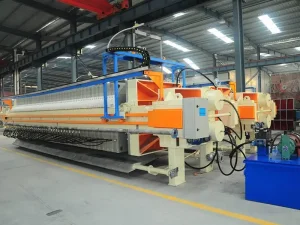
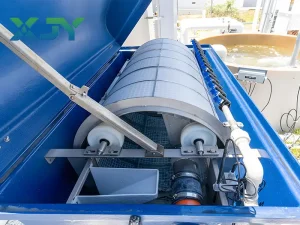
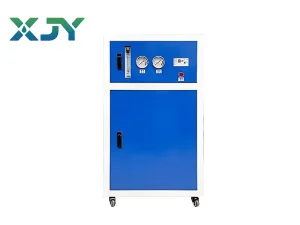
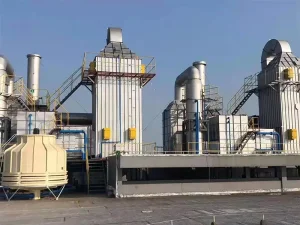
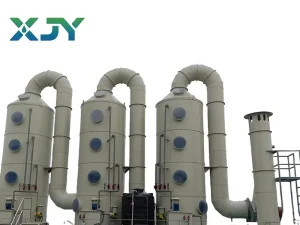
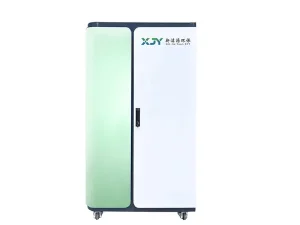
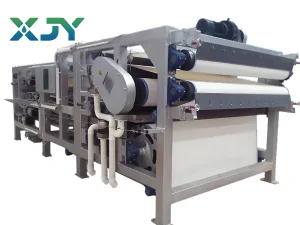
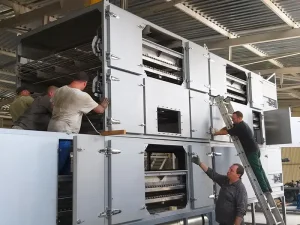
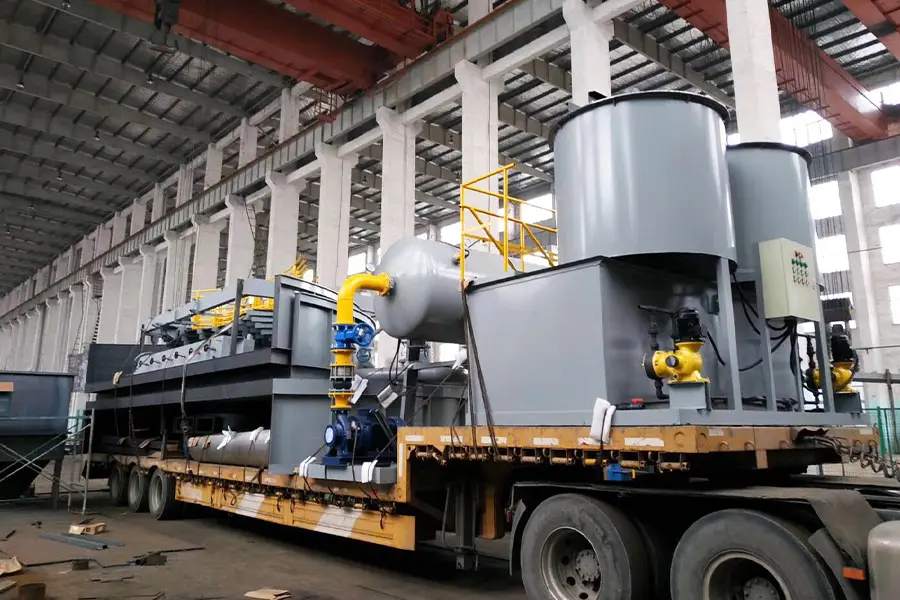
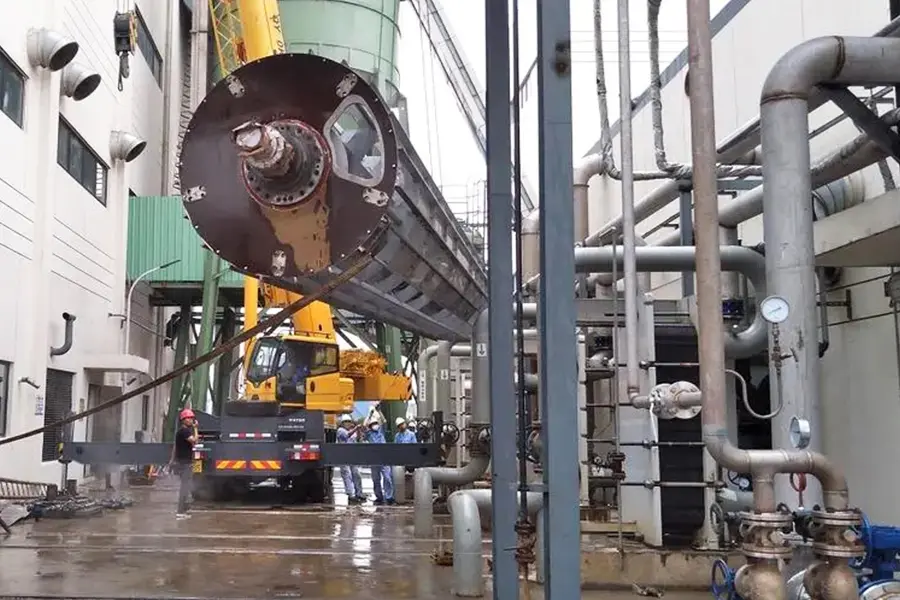
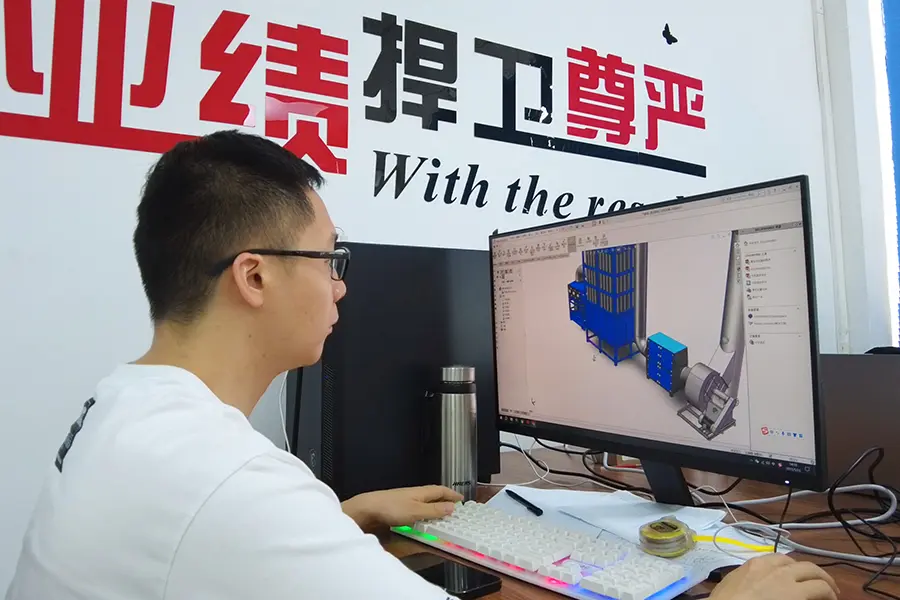
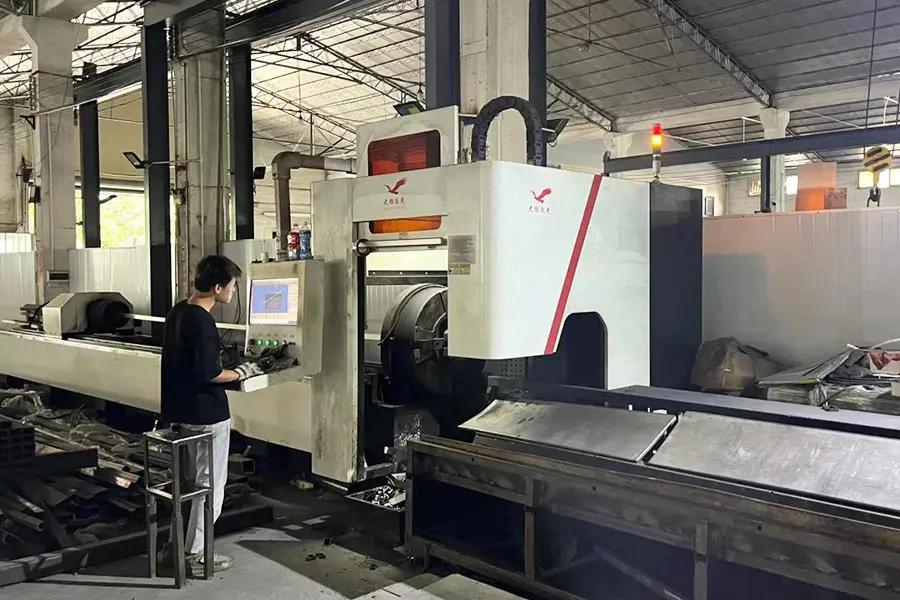
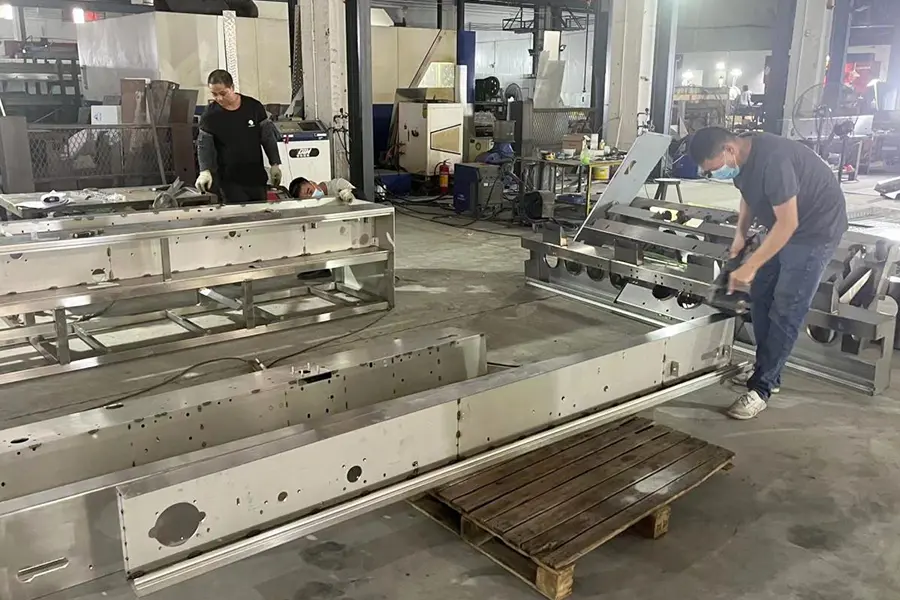
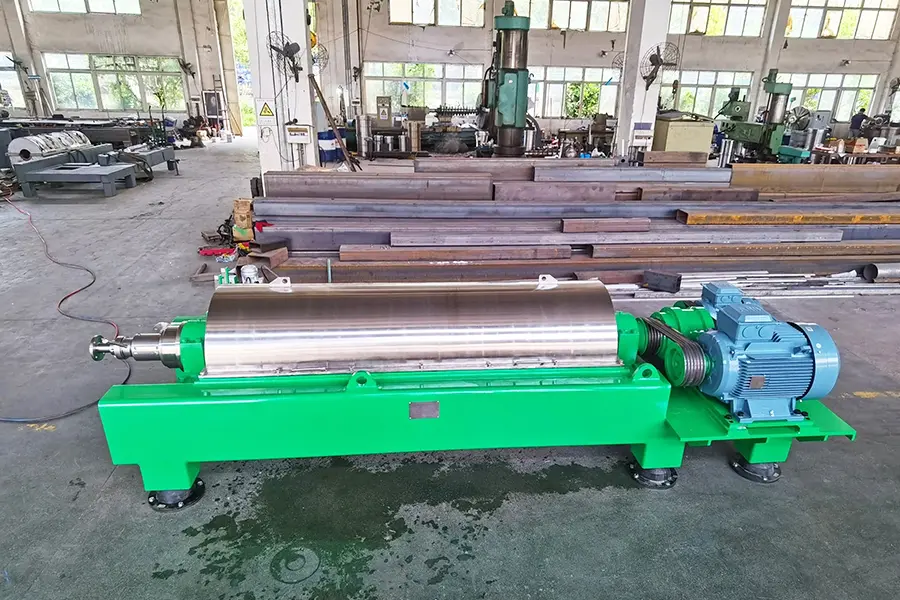
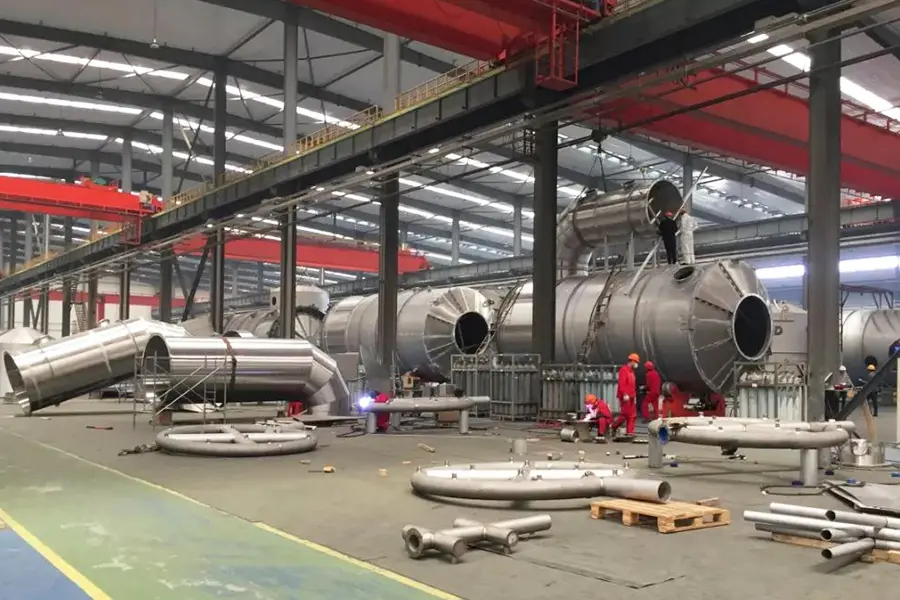
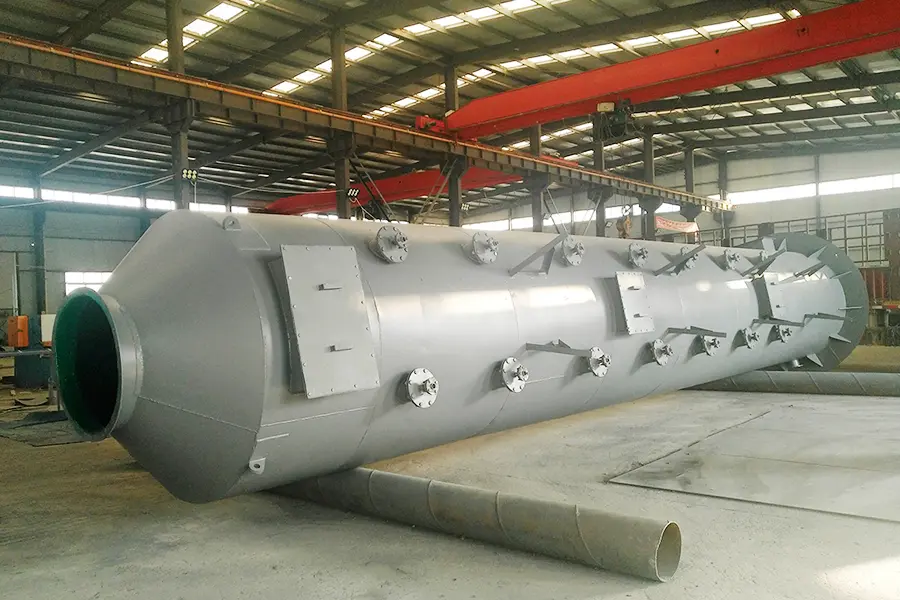
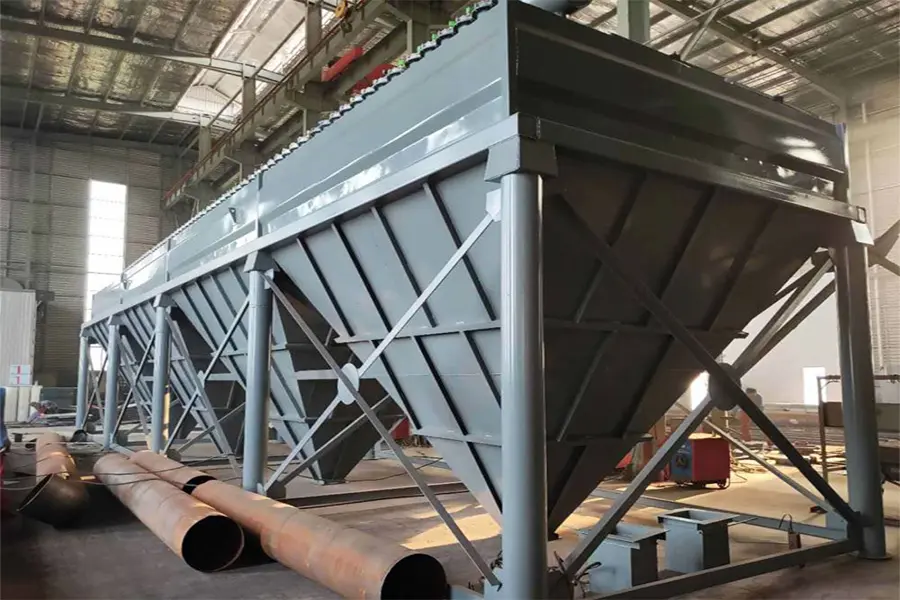
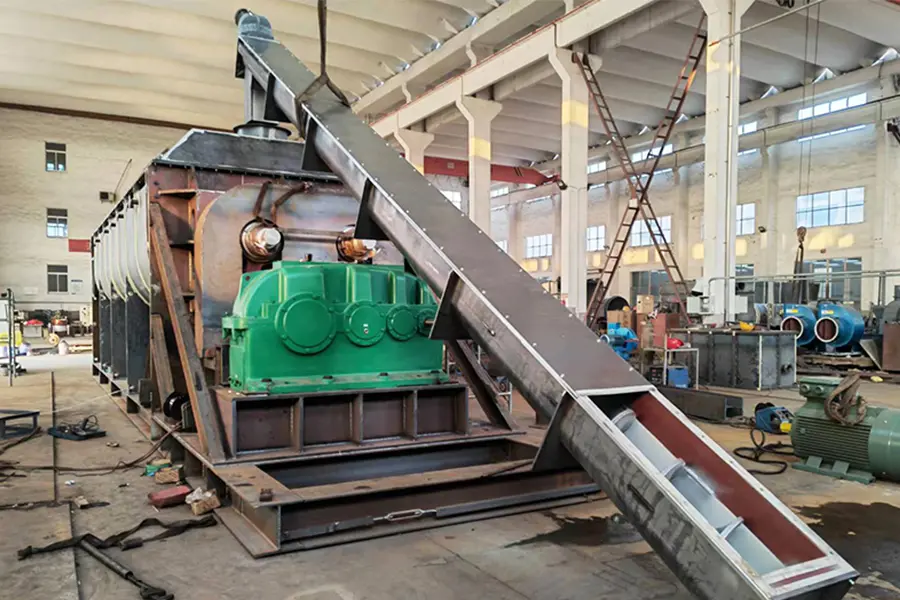
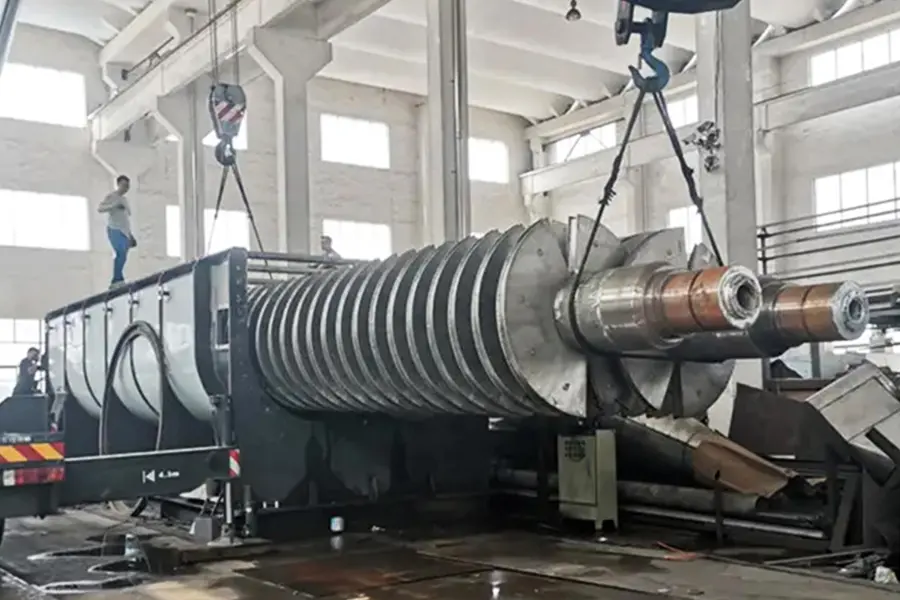
Inside our advanced production base for water treatment and environmental equipment.
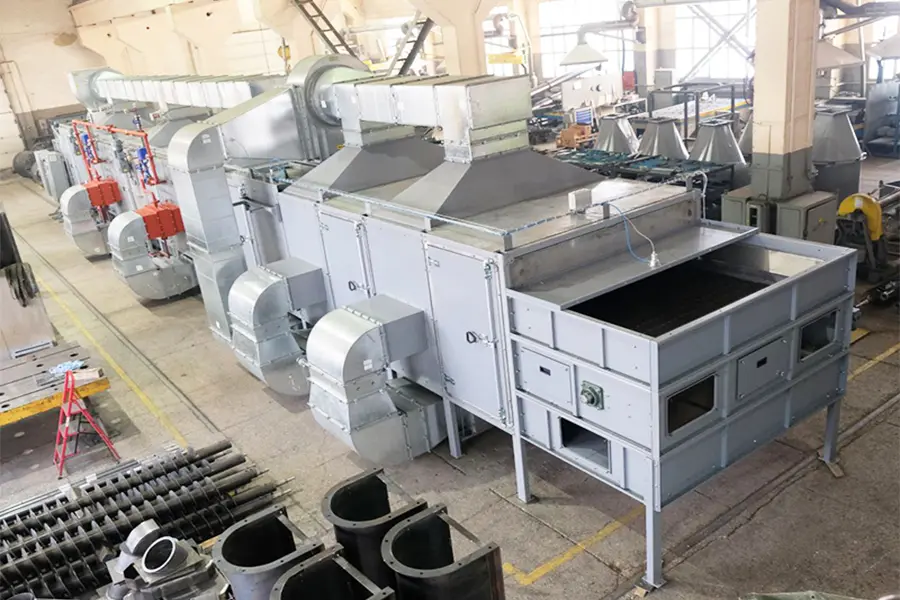
 XINJIEYUAN