Explore our premium range of industrial-grade wastewater processing, sludge dewatering, and emission control systems designed for peak efficiency.
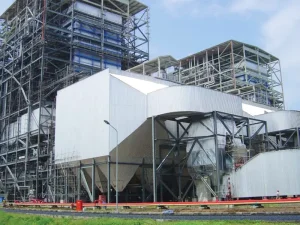
Guangdong Xinjieyuan Environmental Protection Technology Co., Ltd. (XJY) is a vanguard enterprise specializing in the research, development, and advanced manufacturing of industrial environmental protection equipment. Operating at the intersection of technological innovation and ecological stewardship, XJY excels in water purification, waste gas treatment, and comprehensive sewage sludge disposal.
We are a fully integrated corporation offering scientific research, custom manufacturing, international sales, and multi-dimensional project operations. Backed by a verified technical installation team, XJY delivers end-to-end services, providing turnkey systems that solve complex processing challenges for municipalities and heavy industries alike.
By keeping our focus sharp, we guarantee unparalleled professionalism. Emphasizing continuous product enhancement and strict quality assurance, XJY holds specialized environmental engineering contracting qualifications, national safety production licenses, and ISO quality, environmental, and occupational health certifications. Our technological leadership is reinforced by over 45 proprietary product patents, 32 software copyrights, and recognized trademarks.
Three core processing pillars engineered to provide comprehensive, integrated environmental infrastructure.
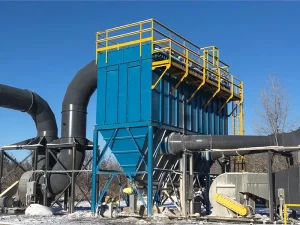
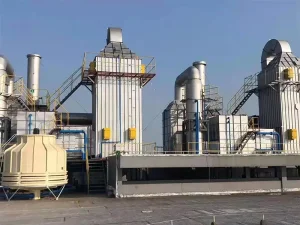
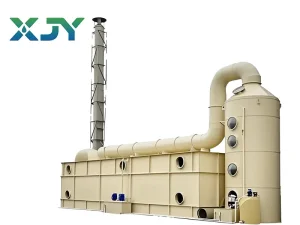
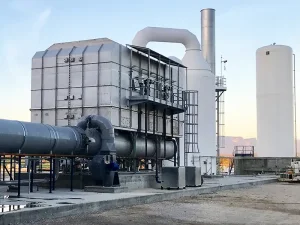
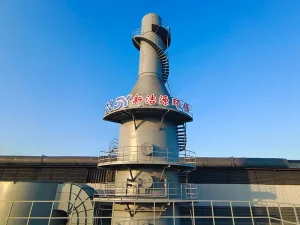
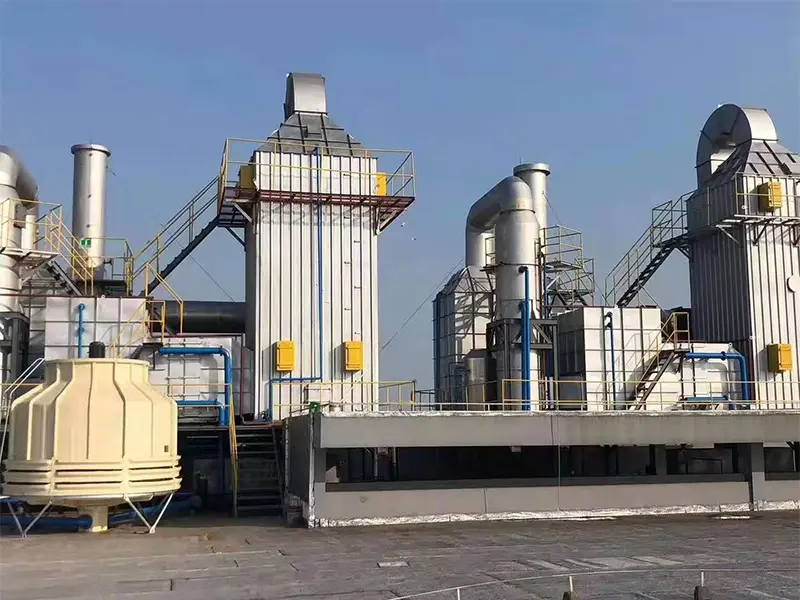
Developed specifically to combat severe odor issues in agriculture, chemical production, pharmaceutical synthesis, food manufacturing, mining, and metal plating. The patented BDS Intelligent Deodorization System leverages highly automated bio-filtration to continuously process VOCs and hydrogen sulfide, running unattended with optimized operating costs.
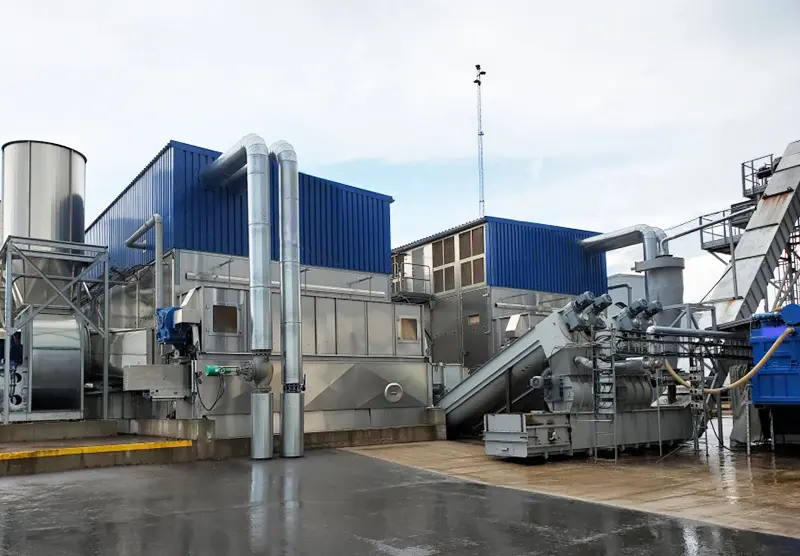
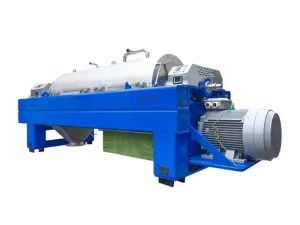
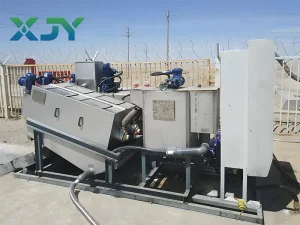
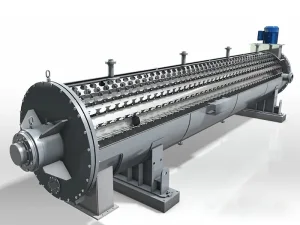
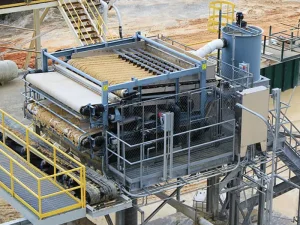
Our complete engineering solutions address municipal sewage sludge, heavy industrial sludge, and polluted blackwater dredging. XJY's thermal drying and dewatering complexes convert volatile, high-moisture sludge cake (80% water content) into stable, dust-free granular dry solids with about 35% moisture content, making them valuable fuel/raw resources for cement kilns, power plants, and organic fertilizer production.
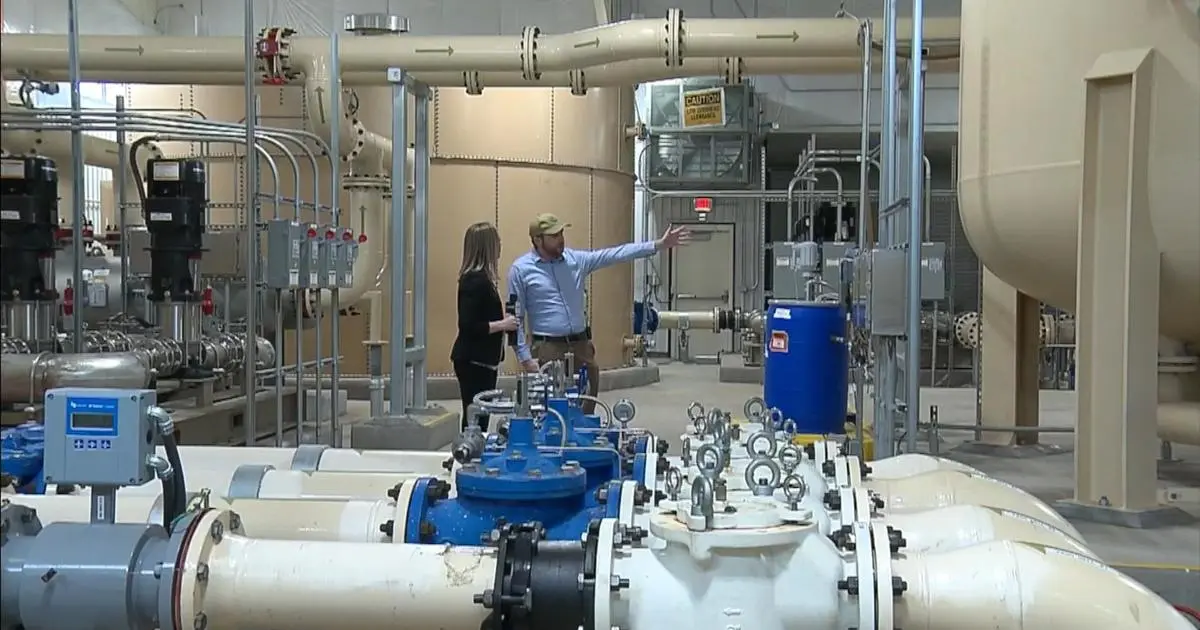
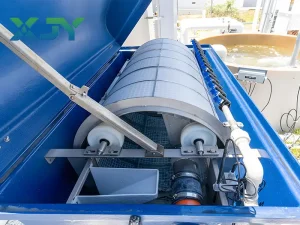
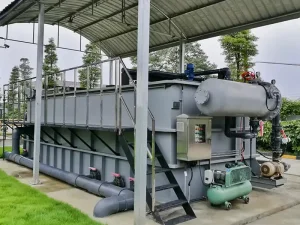
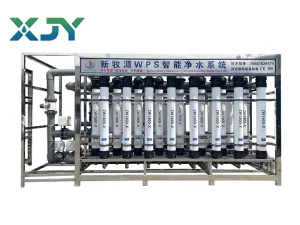
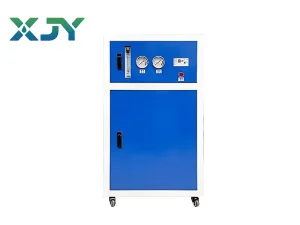
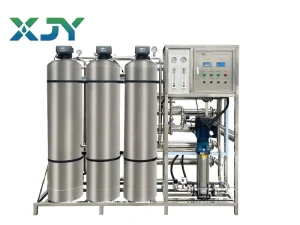
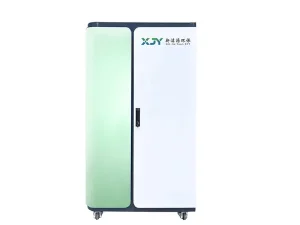
Targeting clean water scarcity, elevated dissolved solids, and organic pollution, our proprietary WPS Intelligent Water Purification System features robust membrane architectures. Scaled for community, clinical, and industrial processes, it supports precise resource recovery, zero-liquid-discharge (ZLD) schemes, and cost-effective wastewater reuse.
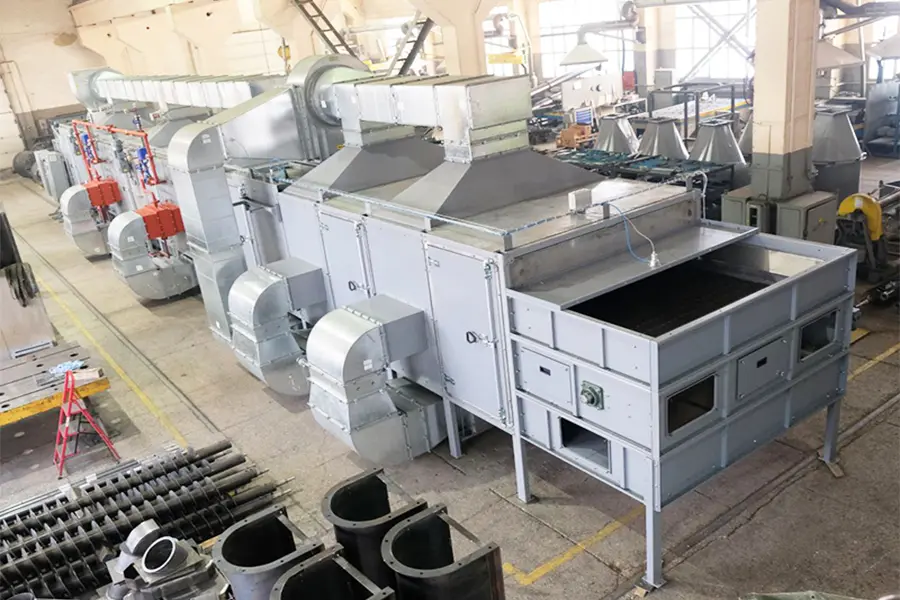
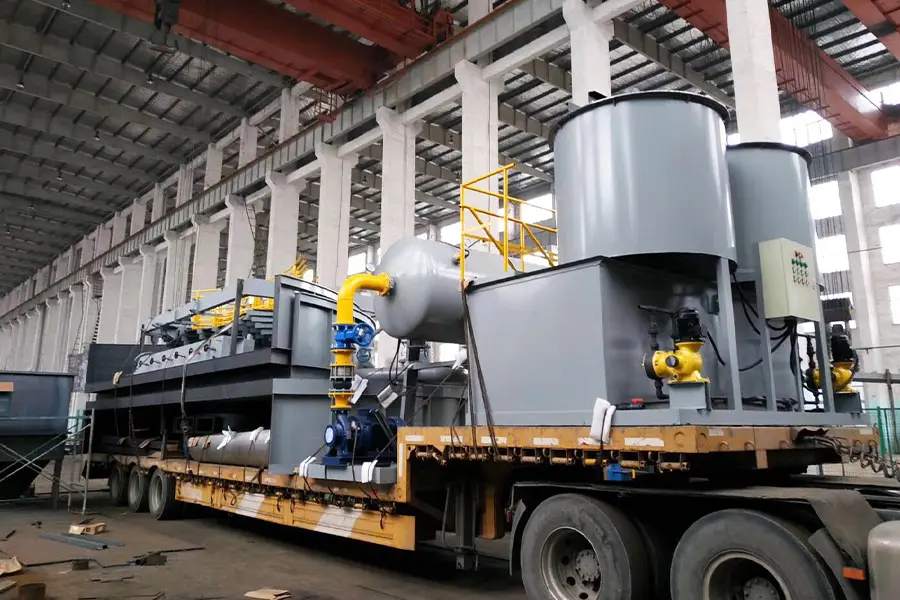
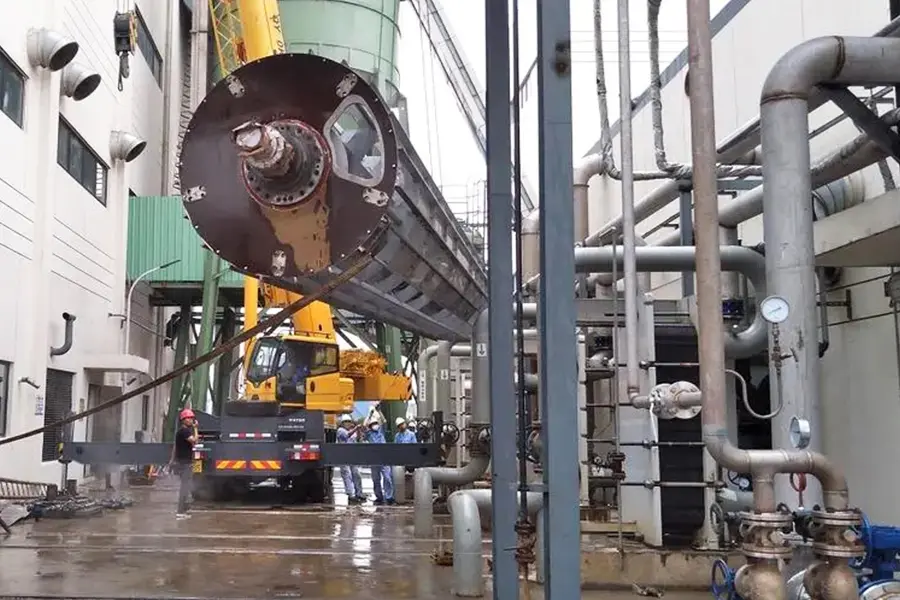
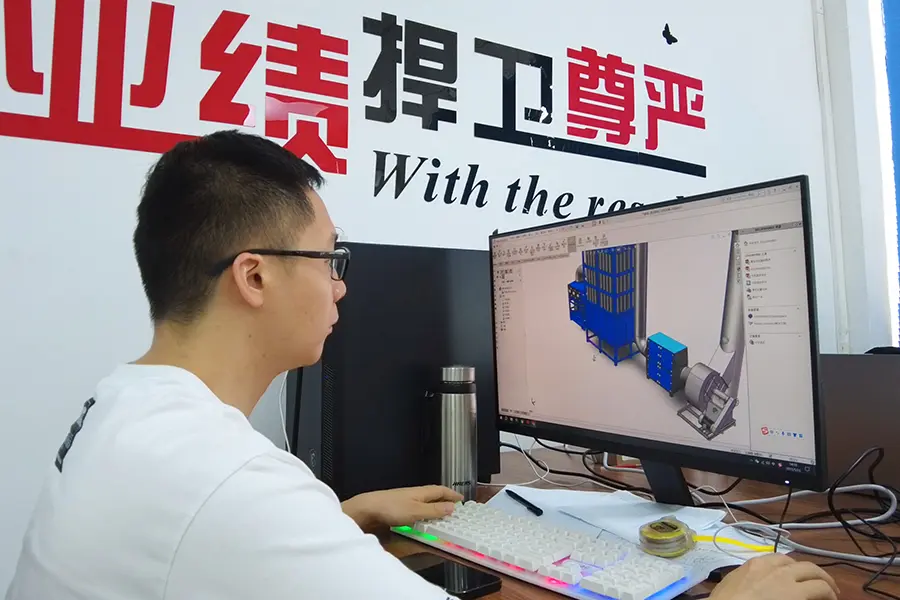
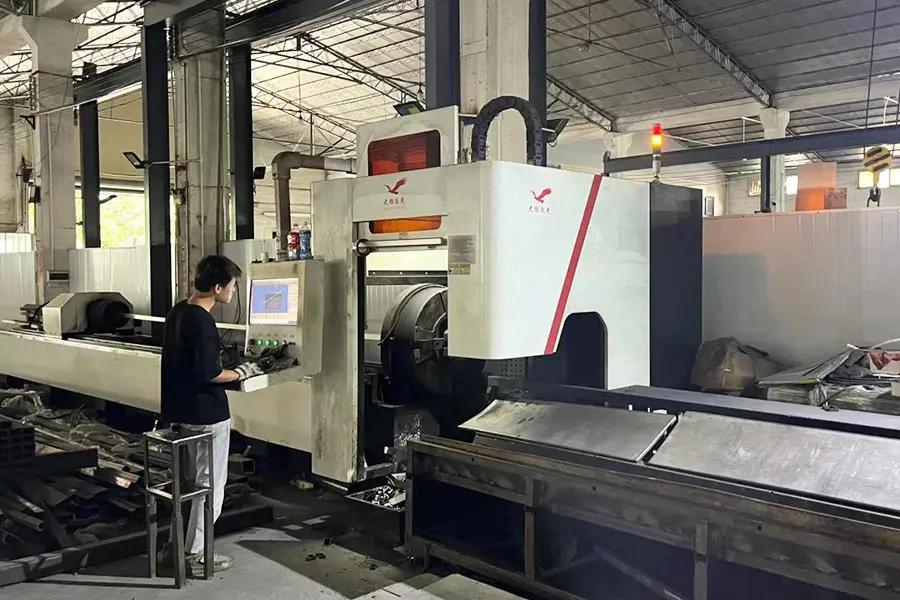
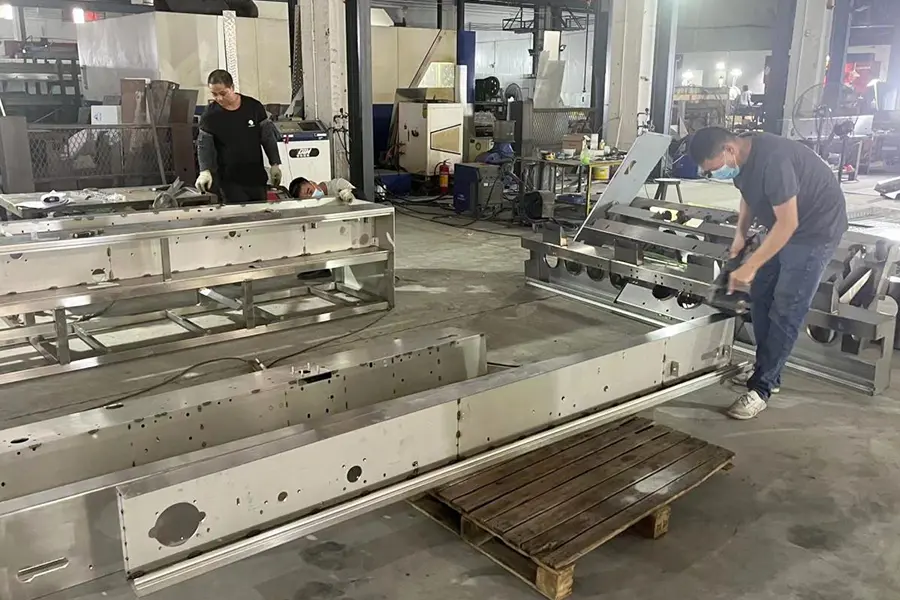
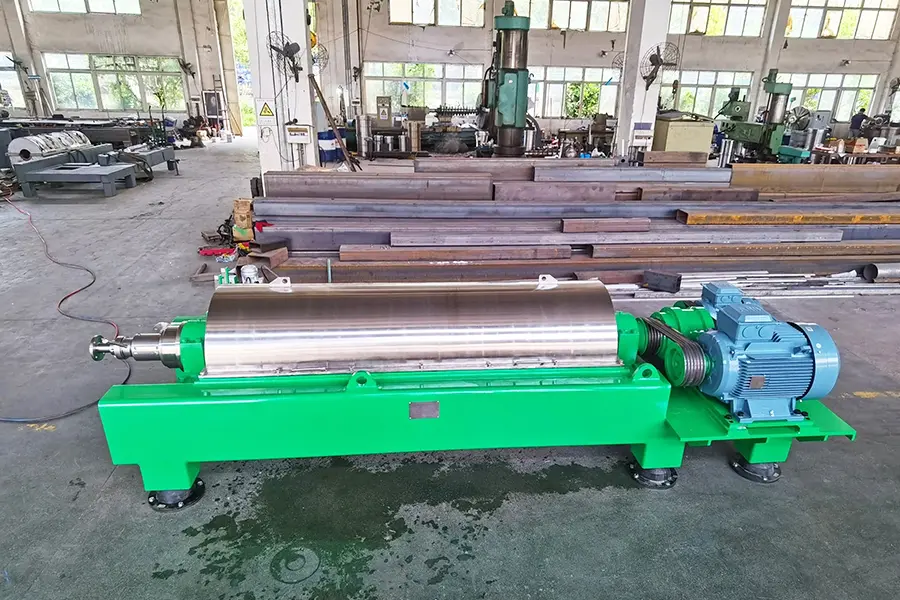
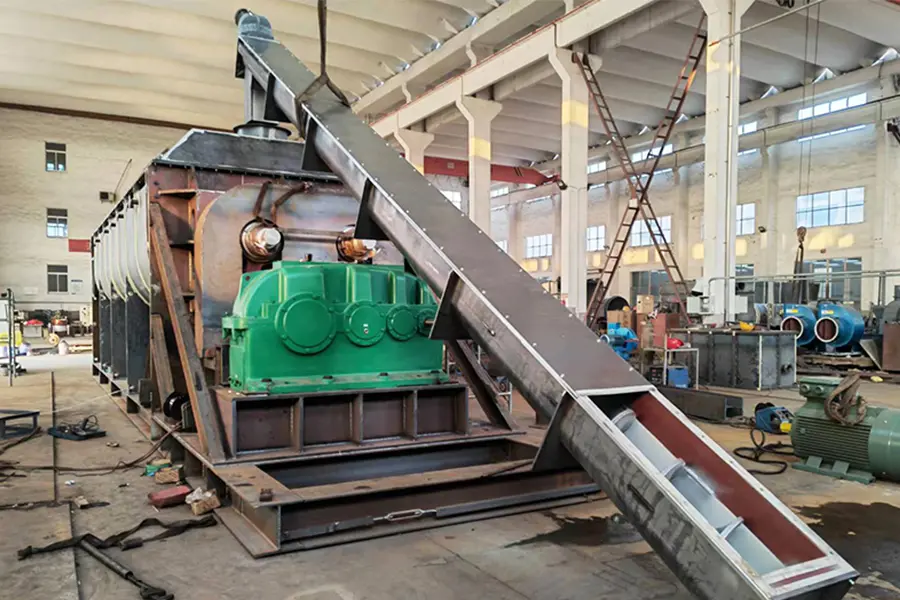
Take a look inside our certified factory floor where precision machining, heavy assembly, and automated testing guarantee quality-controlled system output.
An in-depth analysis of regulatory shifts, technological transitions, and resource recovery frameworks in modern sludge treatment.
Worldwide municipal and industrial wastewater processes produce millions of metric tons of wet sludge cake annually. Traditionally, municipalities relied on simple landfill disposal or direct land application. However, modern environmental policy focuses on reducing landfill volume and eliminating secondary pollution, forcing a transition toward thermal reduction and energy recovery.
The primary global development trend centers on sludge drying and resource conversion. Treating raw sludge to drop its moisture content from 80% down to approximately 35% reduces bulk volume by over 60%, cutting logistics costs and transforming a hazardous waste byproduct into a stable, dry solid. With a calorific value close to low-grade lignite, this dried material serves as an excellent alternative fuel for coal-fired power plants, cement kilns, and municipal incinerators.
Global environmental engineers and procurement managers face strict performance requirements. Key purchasing metrics include thermal efficiency, automated run-time capabilities, safety systems, and wear resistance. Commercial buyers look for systems that can handle fluctuating moisture levels and varied raw feed qualities, such as mixing oily refinery sludges with secondary biological sludge.
Additionally, modern systems must feature modular setups that easily integrate into existing decanting or digestion plants. Global operators require clear data validation, guaranteed uptime warranties, and responsive remote diagnostics to keep plants running smoothly without unplanned downtime.
Achieving a zero-waste industrial footprint requires integrating physical separation, chemical conditioning, and thermal processing. Our engineering methodology approaches sludge not as isolated waste, but as part of a wider mass balance:
Operating a sludge treatment facility requires meeting strict local environmental and safety standards. Our engineering team ensures compliance with national and regional limits, including US EPA Part 503 regulations, EU Sludge Directive 86/278/EEC, and strict domestic wastewater discharge rules.
We back our international shipments with dedicated installation support, remote PLC tuning, and local maintenance partners. By maintaining ISO 9001 quality management, ISO 14001 environmental management, and ISO 45001 safety systems, XJY guarantees that every machine meets regional compliance standards and passes rigorous plant audits.
The next generation of sludge processing will focus on smart, energy-efficient operations. XJY is currently developing low-temperature thermodynamic drying systems that leverage heat pump recovery, allowing plants to reuse latent heat and cut power usage by 40% compared to traditional thermal setups.
We are also integrating AI-based moisture sensors into our PLC control panels. By monitoring feed sludge conditions in real time, the system automatically adjusts screw speeds, chemical dosing, and drying temperatures. This prevents operator errors, saves polymer additives, and ensures a highly uniform dry product output.
Expert answers to critical engineering, installation, and operation questions for commercial wastewater projects.
Our process pairs mechanical conditioning with low-temperature drying. First, we treat the raw slurry with advanced polymers to flocculate the solids, followed by pressing via a multi-plate screw press to drop moisture to 80%. The sludge then goes to our low-temperature belt dryer, where controlled air circulation evaporates the remaining water down to 35%, ensuring stable, dust-free granules.
Yes, dewatered biological sludge is rich in organic matter and minerals. At 35% moisture, it is stable enough to be safely transported to cement kilns as fuel, blended into organic fertilizers, or co-fired in coal plants, supporting a circular economy.
The BDS intelligent deodorization tower uses bio-trickling filters and specialized bacterial strains. Odor-causing compounds like H2S, ammonia, and VOCs are absorbed by the liquid film and broken down by microbes into harmless salts, operating automatically and reliably.
Our plants operate under ISO 9001 (Quality Management), ISO 14001 (Environmental Protection), and ISO 45001 (Occupational Safety) certifications. Individual product lines also carry CE compliance and local environmental licenses matching regional standards.
Complete your environmental system setup with our high-capacity incinerators, reverse osmosis filtration units, and industrial wet scrubbers.
 XINJIEYUAN