Engineered for extreme performance, resource efficiency, and sustainable municipal & industrial operations.
Global potable and industrial water demands are escalating exponentially, while traditional desalination schemes remain notoriously energy-intensive. Modern industrial solar driven desalination factories represent a critical convergence of thermo-chemical process engineering and renewable solar harvesting. By capitalizing on direct solar thermal capture and photovoltaic-driven reverse osmosis (PV-RO), these next-generation systems deliver high-throughput water refinement. This reduces operational Carbon Intensity (CI) to net-neutral levels.
As an industry leader in environmental infrastructure, Guangdong Xinjieyuan Environmental Protection Technology Co., Ltd. (XJY) designs, manufactures, and commissions integrated water purification systems that balance capital expenditure (CAPEX) with unmatched operational longevity. This paper investigates the engineering mechanisms, localized application matrix, global compliance, and industrial manufacturing systems driving the modern solar-driven desalination revolution.
Guangdong Xinjieyuan Environmental Protection Technology Co., Ltd. (XJY) stands at the forefront of environmental process equipment engineering. Through comprehensive scientific research, advanced production lines, and multidimensional contracting services, XJY offers an integrated, full-chain response to environmental stress points.
With national qualifications in professional environmental engineering contracting, safety production licenses, and ISO-certified management systems (ISO 9001, ISO 14001, ISO 45001), our facility manufactures systems capable of handling the most challenging water matrices globally. Backed by 45+ product patents and 32 proprietary computer software platforms, our process designs ensure plant safety, automated processing, and long-term mechanical reliability.
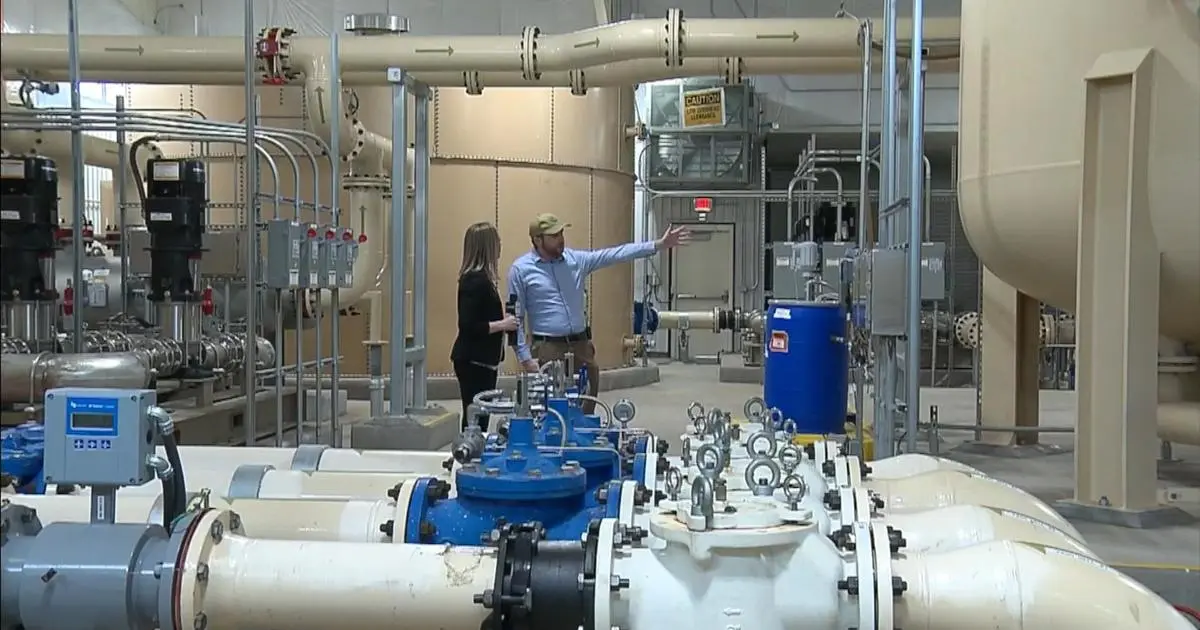
Decentralized, scalable, and thermodynamically optimized architectures designed for zero-carbon industrial water refining.
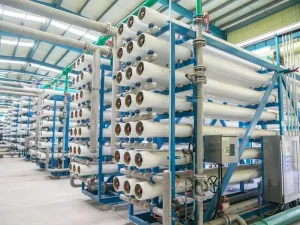
Utilizes advanced solar photovoltaic arrays matched with Variable Frequency Drive (VFD) high-pressure pumps. Eliminates the need for costly grid connections while handling dynamic fluctuating power loads via computerized energy management systems (EMS).
Combines vacuum-assisted membrane distillation (VAMD) with concentrated solar thermal collectors (parabolic troughs). Captures direct thermal energy to vaporize feed water across hydrophobic membranes, achieving exceptional salt rejection ratios (>99.9%).
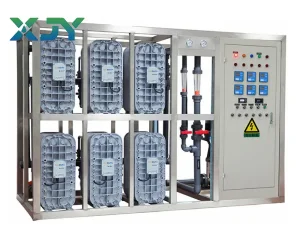
Integrates electrodialysis and EDI for high-purity industrial feeds. Incorporating ultrafiltration and microfiltration technologies ensures raw intake pre-treatment, protecting high-pressure membranes from biological and mechanical fouling.
The major challenge of solar-driven systems is solar intermittency. At XJY, we integrate state-of-the-art isobaric Energy Recovery Devices (ERD) that capture up to 96% of the hydraulic energy from the concentrated brine reject stream, transferring it back to the feed stream. By minimizing energy waste, we reduce the required size of solar fields by 30%. In addition, using latent heat thermal storage (LHTS) using Phase Change Materials (PCM) allows factories to run continuous multi-effect distillation cycles even during low solar-irradiance windows, maximizing daily output while preventing membrane thermal shock.
From remote mining sites in Western Australia to agricultural cooperatives in the Middle East.
Challenge: Arid coastal regions suffering from hyper-saline seawater (TDS > 45,000 ppm) and heavy dust storms that degrade solar panels.
Solution: Implementation of automated dust-mitigating PV cleaning systems combined with multi-stage pre-filtration. High-recovery RO systems optimize localized municipal and utility water supplies.
Challenge: High-salinity groundwater in remote outback mines where diesel fuel transportation costs are prohibitive.
Solution: Containerized, modular solar-driven RO and EDI plants. These systems generate high-purity process water for mineral washing and dust suppression, achieving complete energy independence.
Challenge: High cost of municipal water for manufacturing and stringent Zero Liquid Discharge (ZLD) policies.
Solution: Integration of sludge dewatering, mechanical vapor recompression (MVR), and solar concentrator evaporators. This design recovers 98% of industrial wastewater for facility reuse.
When deploying large-scale solar-driven desalination infrastructure, cost, scalability, and material procurement speed determine project success. Our production facilities in Guangdong leverage the mature industrial ecosystems of Southern China, guaranteeing several strategic advantages:
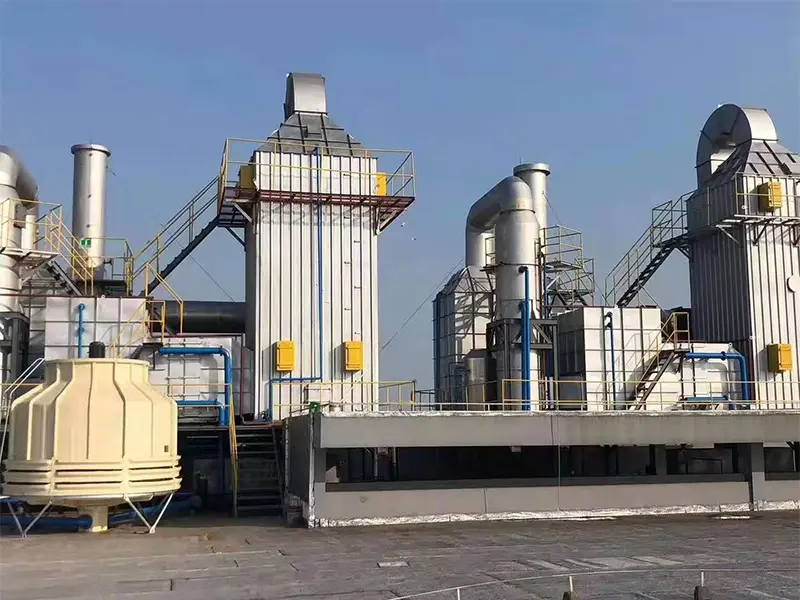
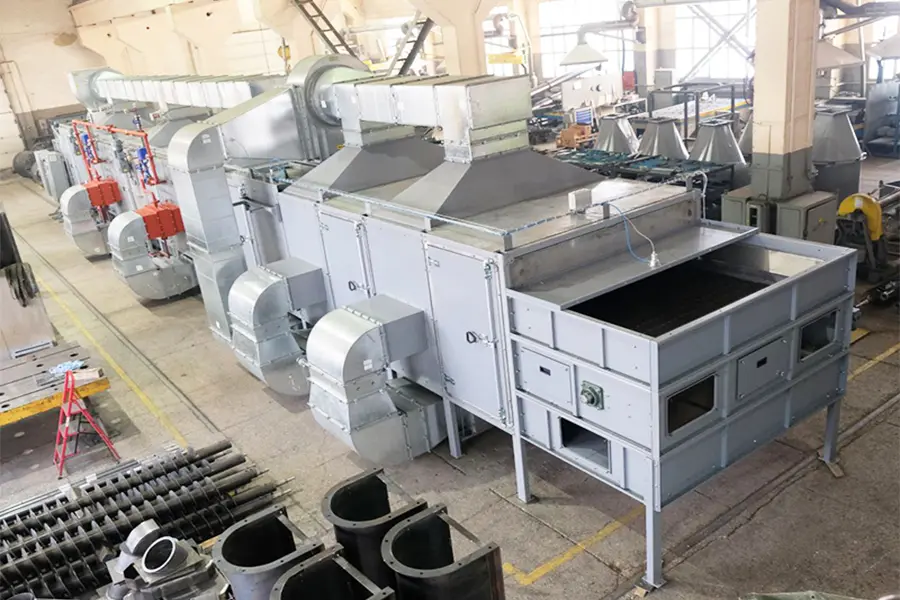
Inside our advanced environmental machinery fabrication plants and research facilities.
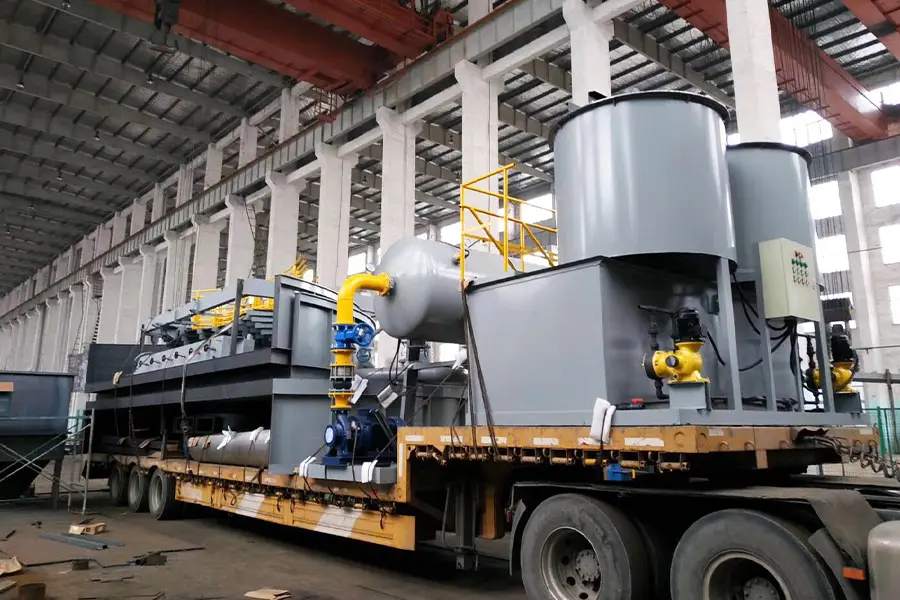
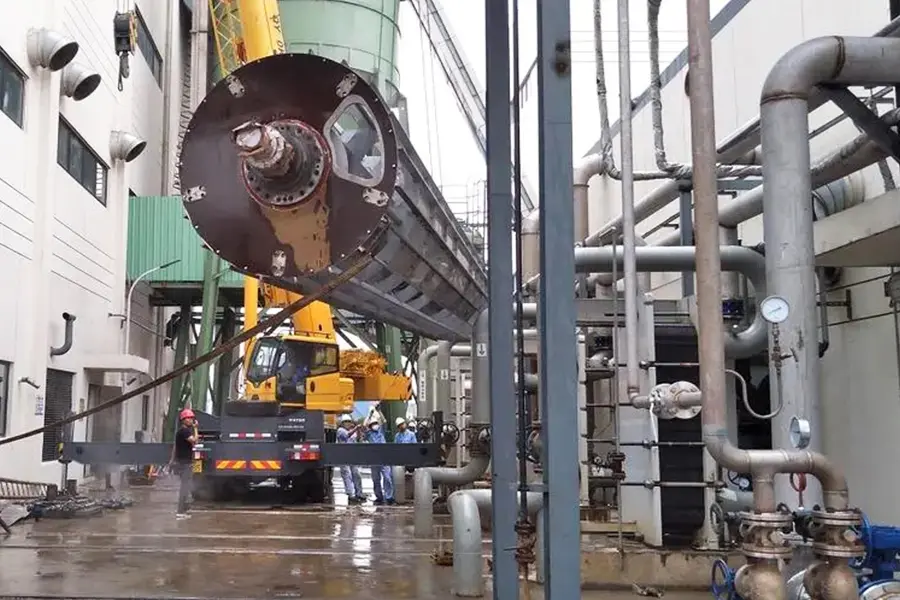
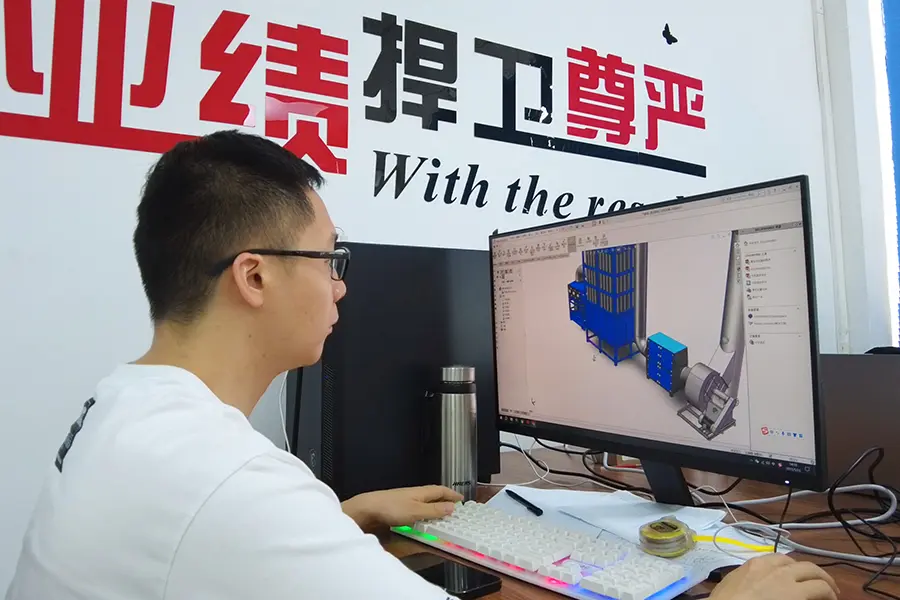
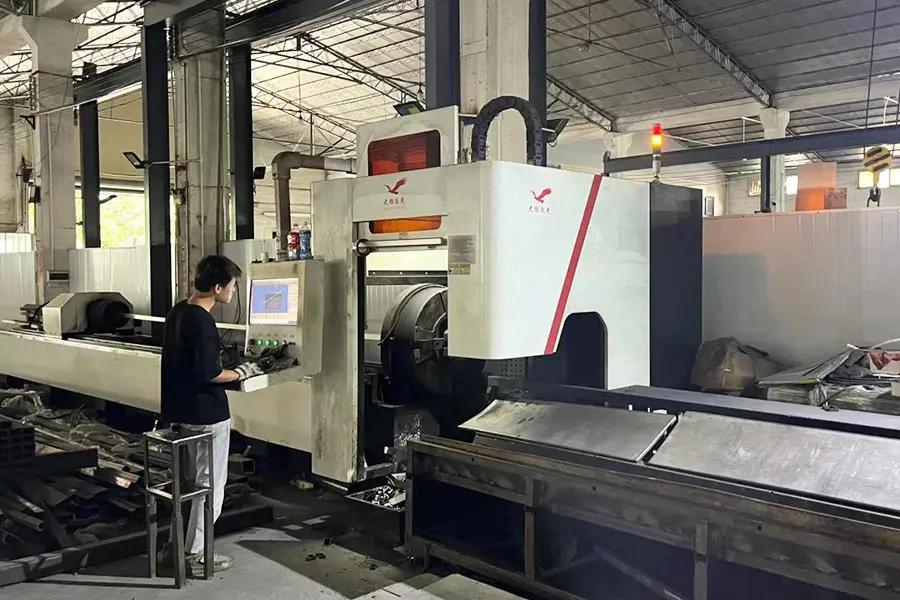
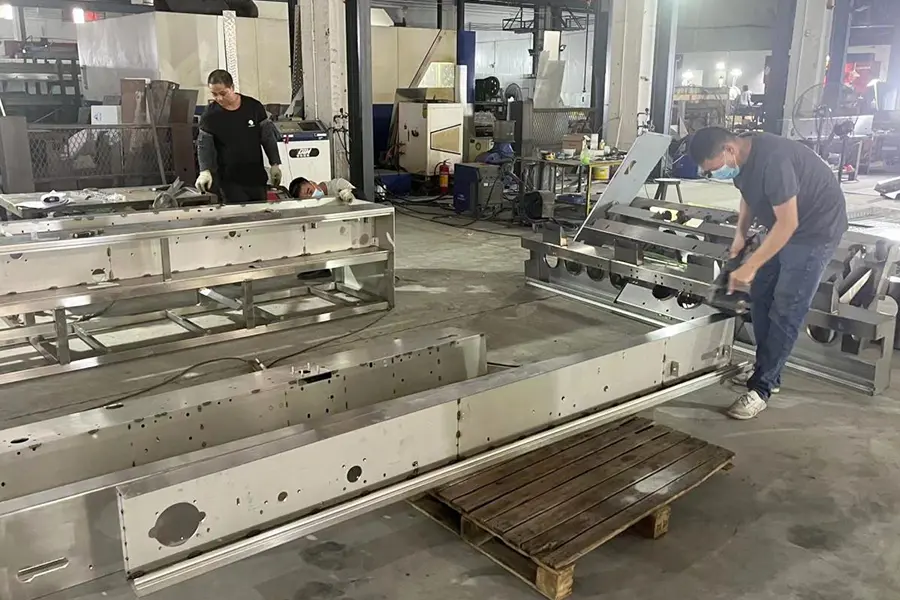
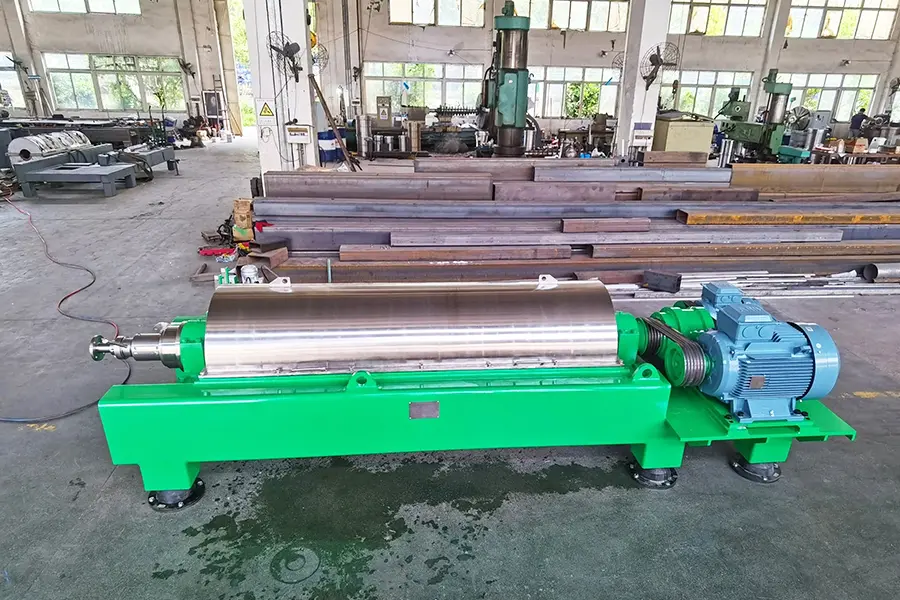
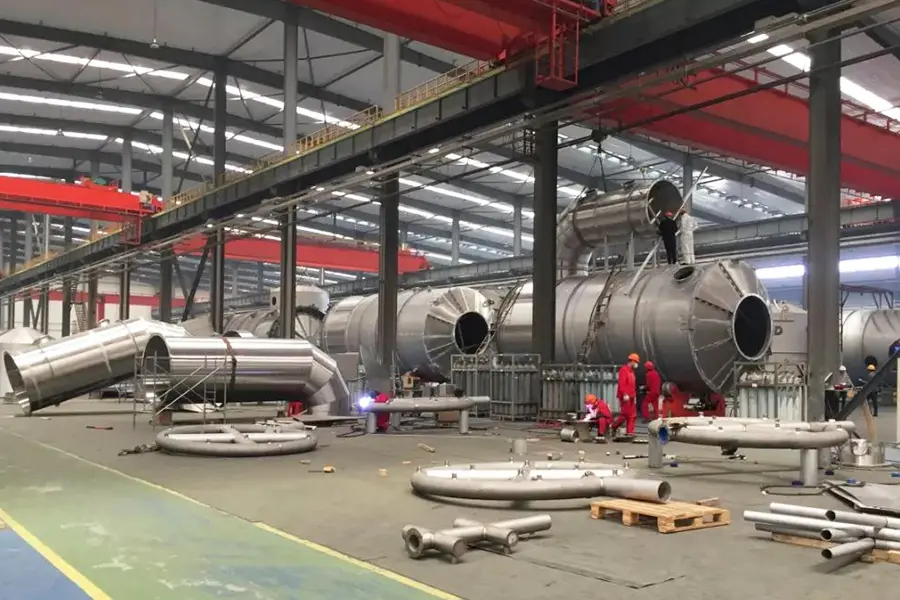
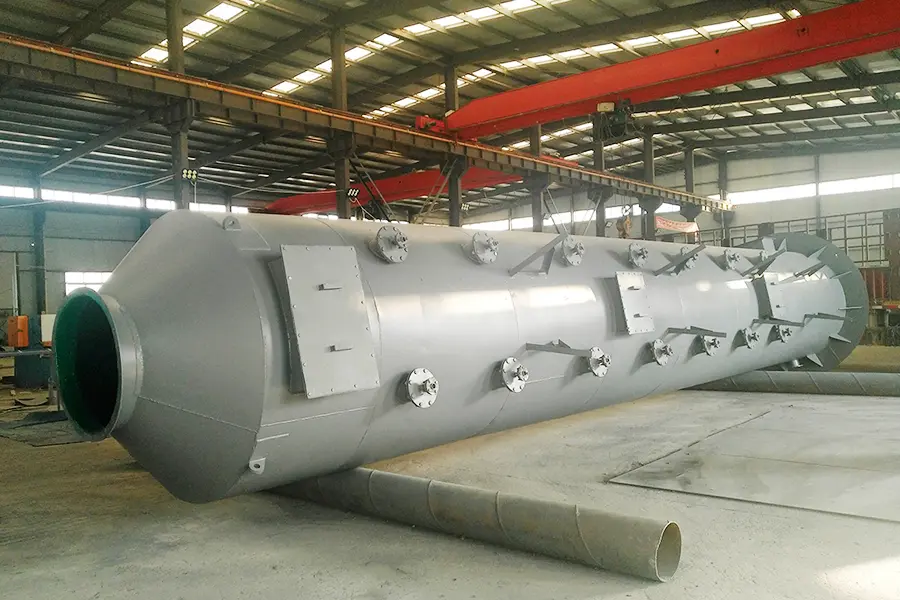
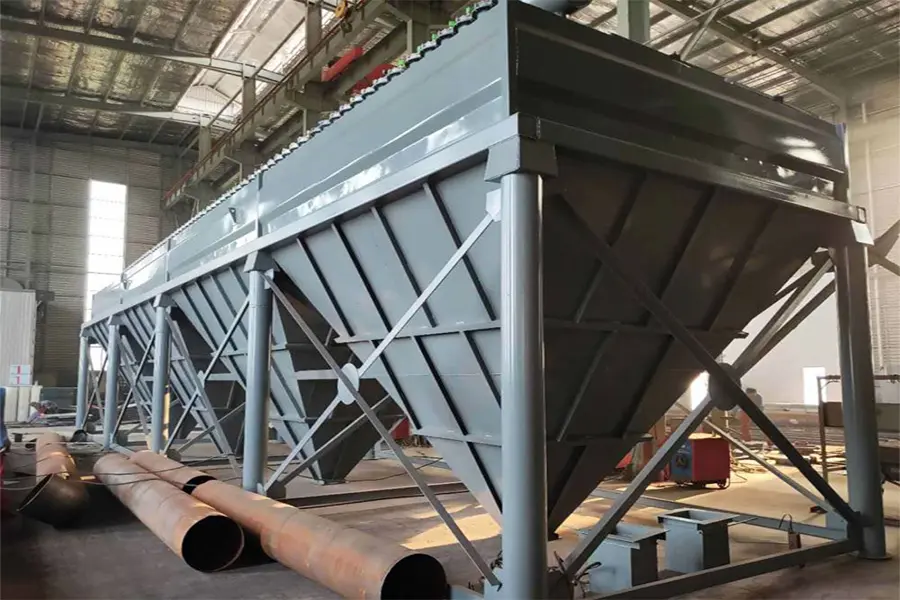
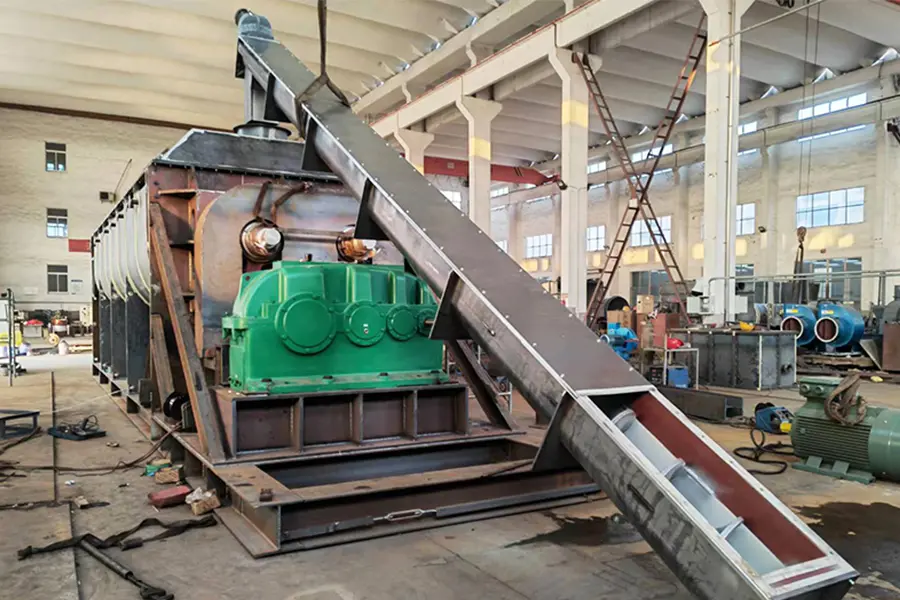
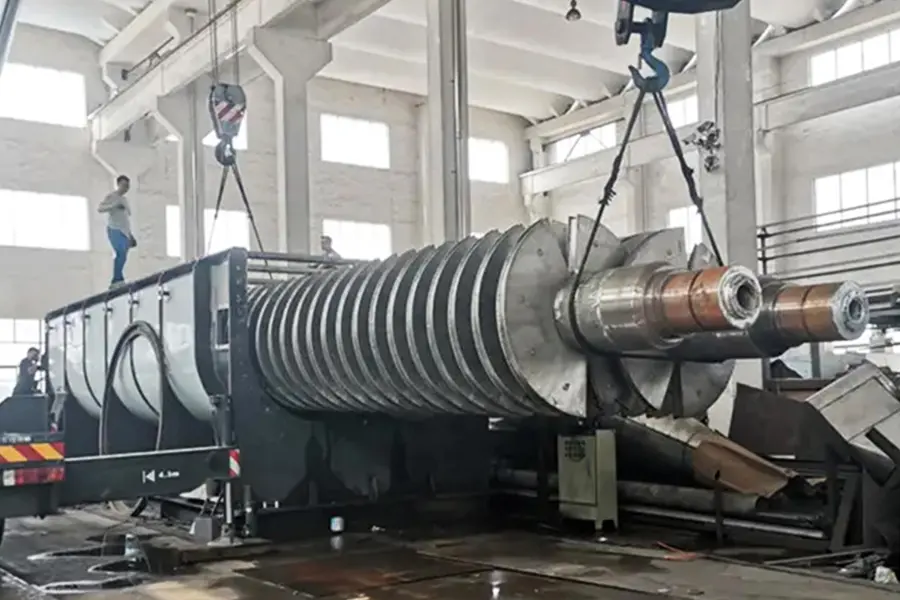
Operating an industrial-scale solar driven desalination factory demands consistent compliance with regional environmental standards, water quality limits, and industrial safety regulations. Guangdong Xinjieyuan integrates robust local service support systems with a comprehensive compliance framework.
Whether meeting WHO drinking water specifications, European Union CE directives, or local municipal discharge standards, our engineers design custom purification processes to meet these requirements. We provide full EPC (Engineering, Procurement, Construction) support, on-site commissioning, operator training, and remote SCADA monitoring. This setup allows for real-time diagnostics and preventive maintenance schedules from anywhere in the world.
Expert analysis addressing critical questions regarding solar-driven water purification engineering.
Explore our full line of industrial systems, purification machinery, and specialized environmental services.
Sustainable water management extends beyond raw water purification. In view of modern environmental challenges, XJY has designed and deployed specialized industrial systems for solid waste management and atmospheric protection.
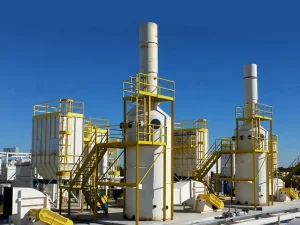
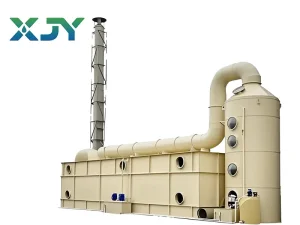
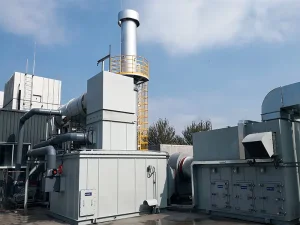
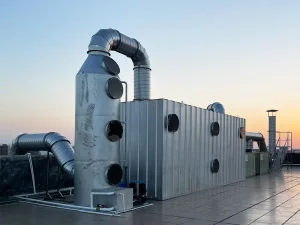
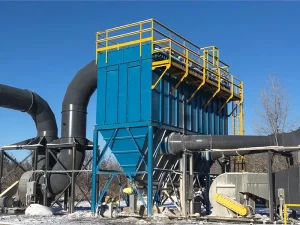
Developed to address organic odors and toxic gas emissions in agricultural processing, chemical manufacturing, mining operations, and municipal sewage works. BDS features highly automated, unattended operation, providing high-efficiency gas purification that resolves odor issues for industries and neighboring communities alike.
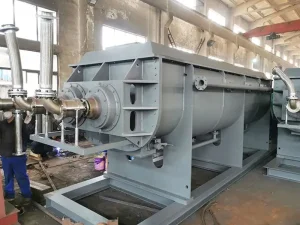
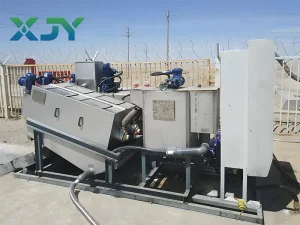
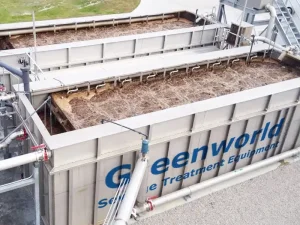
Designed for municipal and industrial wastewater facilities, XJY's sludge drying system processes high-moisture sludge (typically 80% moisture) into stable, dry granular materials (approximately 35% moisture). The resulting product is ideal for energy recovery in cement kilns, thermal power plants, or for reuse in agricultural fertilizers.
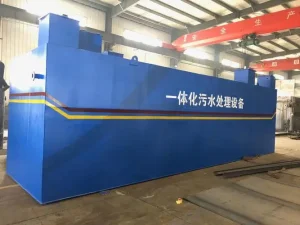
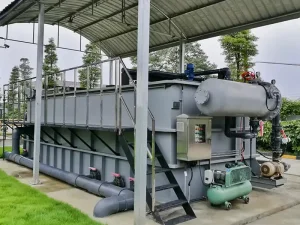
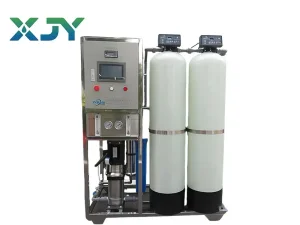
In response to localized water shortages and poor source water quality, the WPS intelligent purification system delivers energy-efficient treatment for domestic drinking water, hospital systems, schools, and large-scale industrial complexes. This system provides critical technical support for zero-emission reuse, water conservation, and resource recovery projects.
 XINJIEYUAN