Explore our engineering-grade industrial hardware for reverse osmosis, biological scrubbers, and regenerative oxidizers.
A comprehensive analysis of decentralized solar RO technology, decarbonization mandates, and high-efficiency water restoration.
As groundwater tables face unprecedented depletion and international carbon regulations squeeze conventional industrial operations, the global manufacturing sector stands at a critical juncture. The traditional model of industrial desalination—heavily reliant on high-voltage grid connections powered by fossil fuels—is becoming economically unviable and environmentally indefensible. The convergence of photovoltaic advancements, direct-drive membrane technology, and intelligent energy management has ushered in the era of high-yield solar-powered desalination plants.
Guangdong Xinjieyuan Environmental Protection Technology Co., Ltd. (XJY) is at the forefront of this industrial revolution. By engineering systems that bypass the need for massive, carbon-intensive battery storage arrays, modern solar-driven desalination operates directly under variable sun conditions. This reduces both the levelized cost of water (LCOW) and the initial capital investment (CAPEX), making clean, drinkable water accessible to off-grid municipal facilities, high-demand coastal agricultural co-ops, and remote petrochemical sites alike.
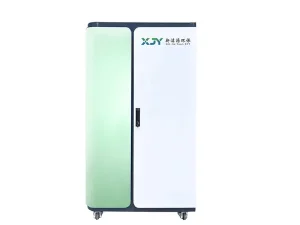
Through our dedicated water purification suites, including the WPS Intelligent Water Purification System, we bridge the gap between variable solar input and constant, high-pressure output requirements. This document explores the technical breakthroughs, macro-level procurement trends, and engineering standards that define the current state of solar-powered desalination globally.
Comparing PV-driven Reverse Osmosis with solar-thermal alternatives for optimal specific energy consumption.
Traditional systems suffer high energy conversion losses through battery arrays. XJY utilizes variable frequency drive technology to match high-pressure pump speeds directly to fluctuating solar solar-irradiance curve, bypassing chemical battery banks.
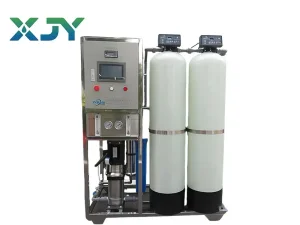
Our reverse osmosis membranes feature highly cross-linked polyamide active layers, providing up to 99.8% sodium chloride rejection while handling high feed pressures and preventing premature scale and biofouling in brackish waters.
By incorporating isobaric chamber energy recovery systems (ERDs), the high pressure of the reject brine stream is transferred directly to the incoming brackish feed, reducing specific energy consumption down to <2.2 kWh/m³.
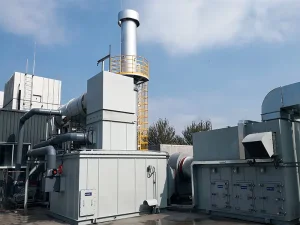
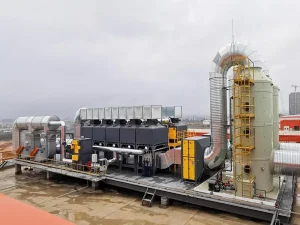
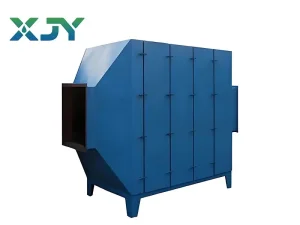
In modern industrial applications, selecting between Photovoltaic Reverse Osmosis (PV-RO) and Solar-Thermal Distillation (such as Multi-Effect Distillation, MED) comes down to scale, footprint, and feed water salinity. PV-RO leads the market due to its modularity, lower land footprint requirements, and rapid startup-shutdown sequence. However, when integrated with industrial waste heat sources—such as XJY’s Regenerative Catalytic Oxidizers (RCO) or flue gas desulfurization systems—hybrid solar-thermal setups offer unique benefits in Zero Liquid Discharge (ZLD) scenarios, transforming high-density brine into solid salt cake while optimizing overall plant thermodynamics.
Evaluating CAPEX, OPEX, and local compliance requirements for large-scale municipal and corporate water infrastructure.
Global procurement agents evaluating solar desalination equipment manufacturers focus on three core pillars: Levelized Cost of Water (LCOW), equipment lifespan, and dynamic load adaptation. Unlike grid-tied systems where utility pricing remains highly volatile, solar-powered systems lock in a predictable cost profile over a 20-to-25-year operational lifecycle. This level of financial predictability is highly appealing to project developers in arid territories across the Middle East, Northern Africa, and South America.
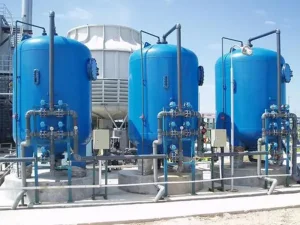
Additionally, manufacturing compliance has emerged as a major deciding factor in tender awards. Factories require equipment designed under ISO 9001 and ISO 14001 frameworks, featuring certified pressure vessels (ASME) and standardized electrical boards. XJY meets these global criteria by integrating our structural engineering expertise, exemplified by our highly customizable FRP (Fiberglass Reinforced Plastic) Tanks, ensuring corrosion resistance in the saltiest environments.
Professional in environmental protection equipment research, development, and high-performance manufacturing.
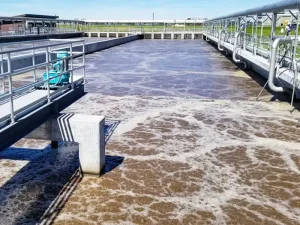
Guangdong Xinjieyuan Environmental Protection Technology Co., Ltd. is a comprehensive enterprise of environmental protection scientific research, production, and sales. We maintain a proven professional operation team and abundant project constructions, with integration, the whole chain, and multi-dimensional comprehensive service capabilities. Our operations span water treatment, waste gas treatment, sewage sludge treatment, and other critical environmental fields.
We are focused, so we are professional! Our company always insists on the concept of technological innovation and excellent quality, and has obtained many environmental protection qualification certificates and scientific technological achievements. We operate with professional contracting qualifications, safety production licenses, quality management systems, environmental management systems, occupational health and safety systems, and other national authenticated certificates. Our asset portfolio features more than 45 product patents, along with 32 computer software copyrights and brands.
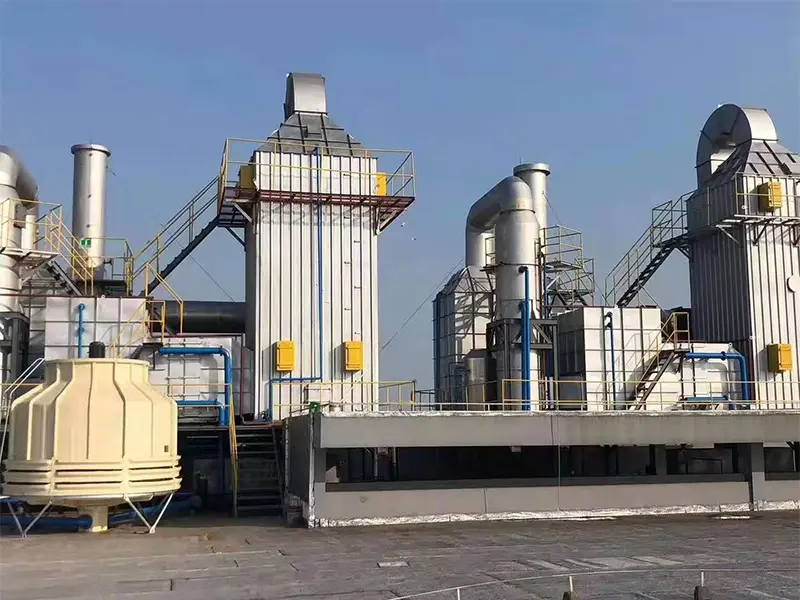
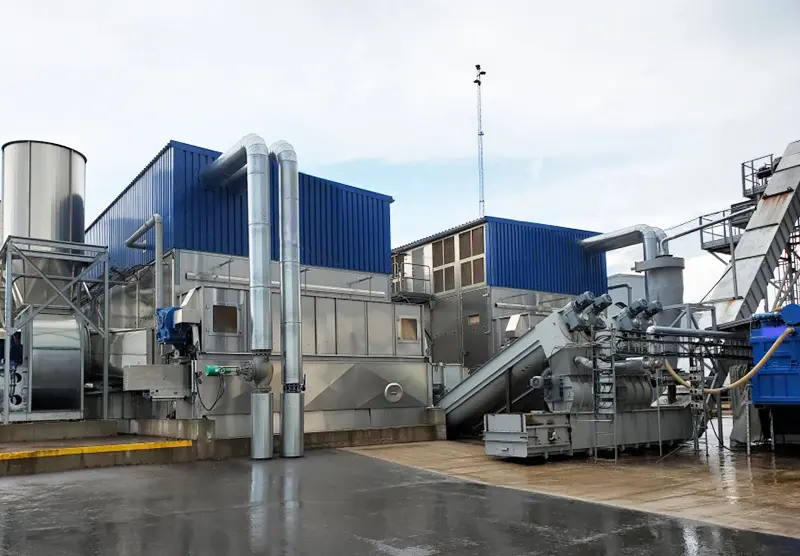
Our capabilities extend beyond basic water treatment to deliver comprehensive environmental systems that work in harmony:
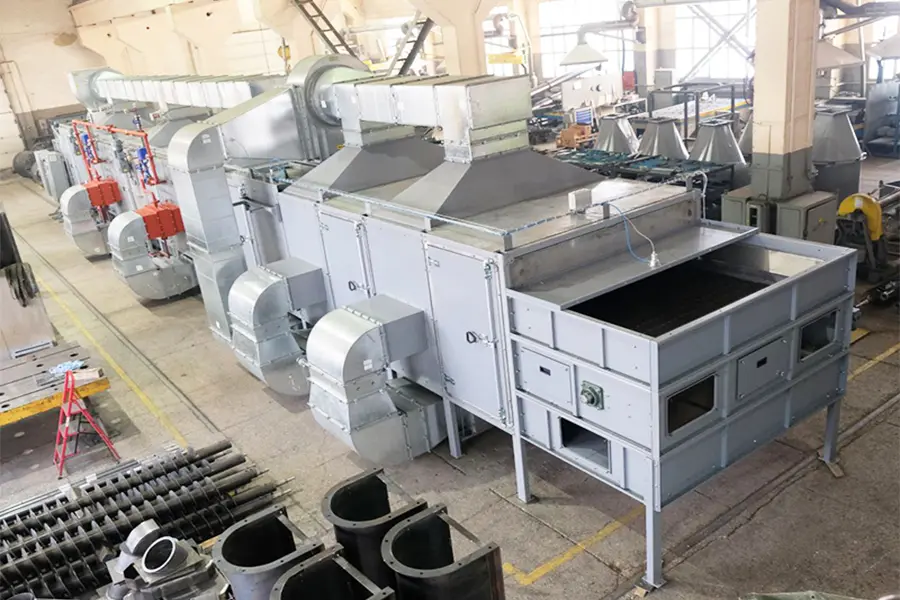
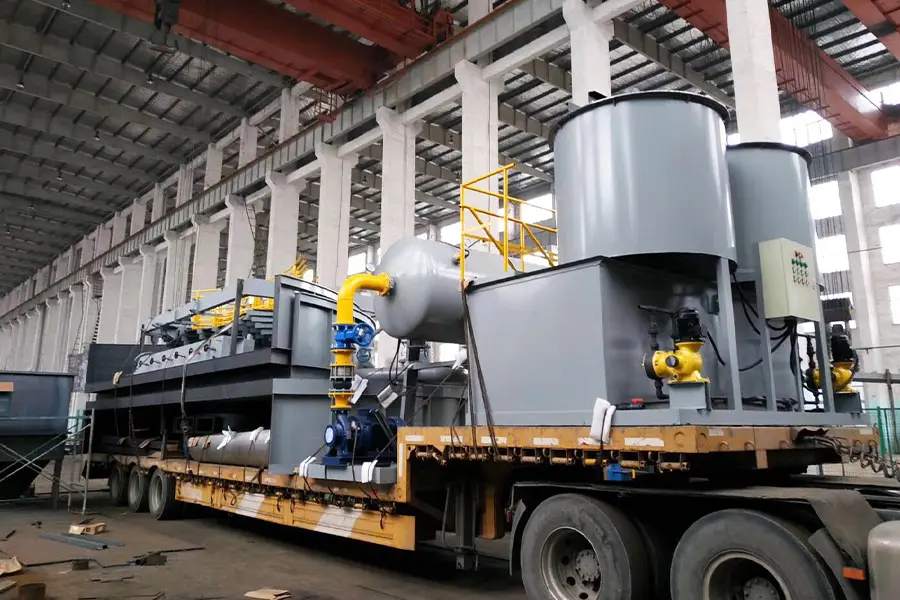
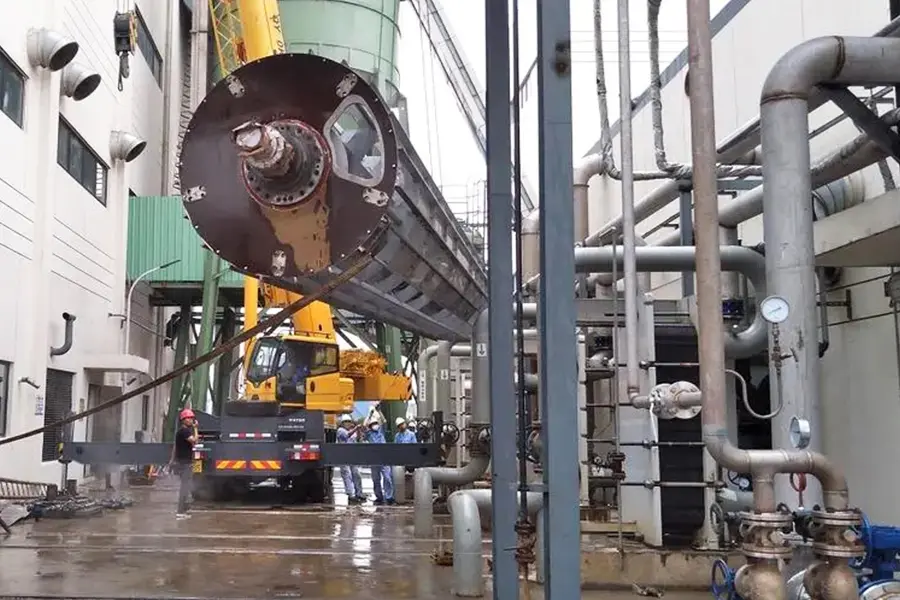
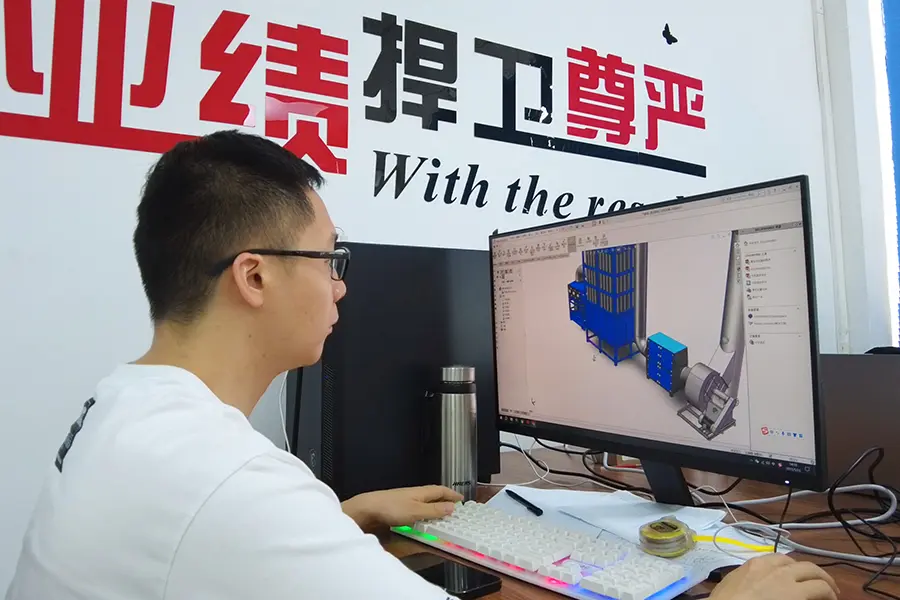
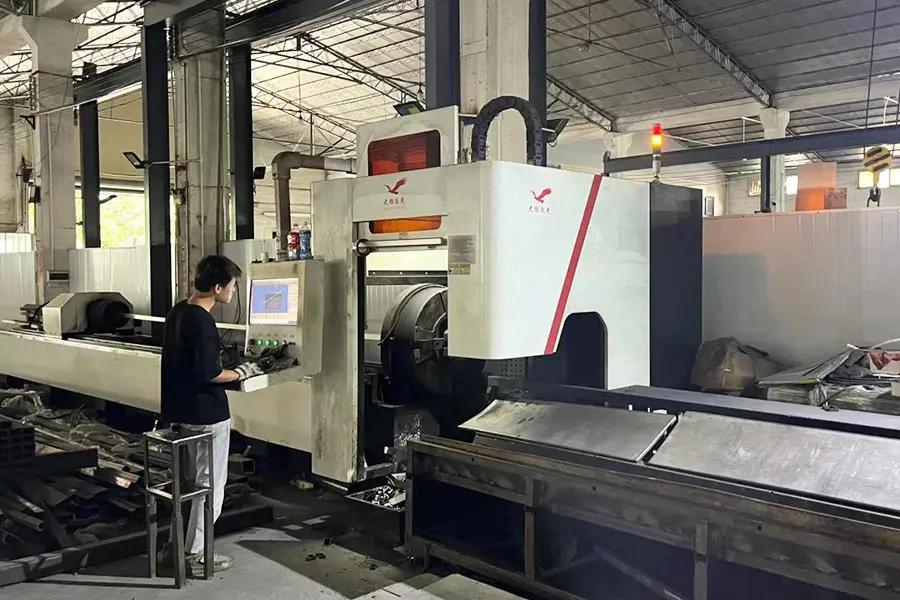
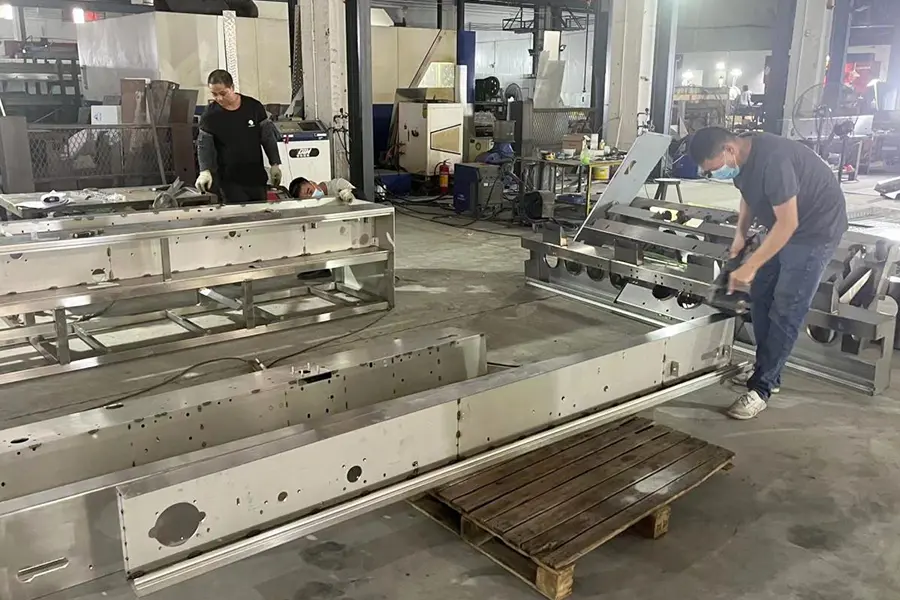
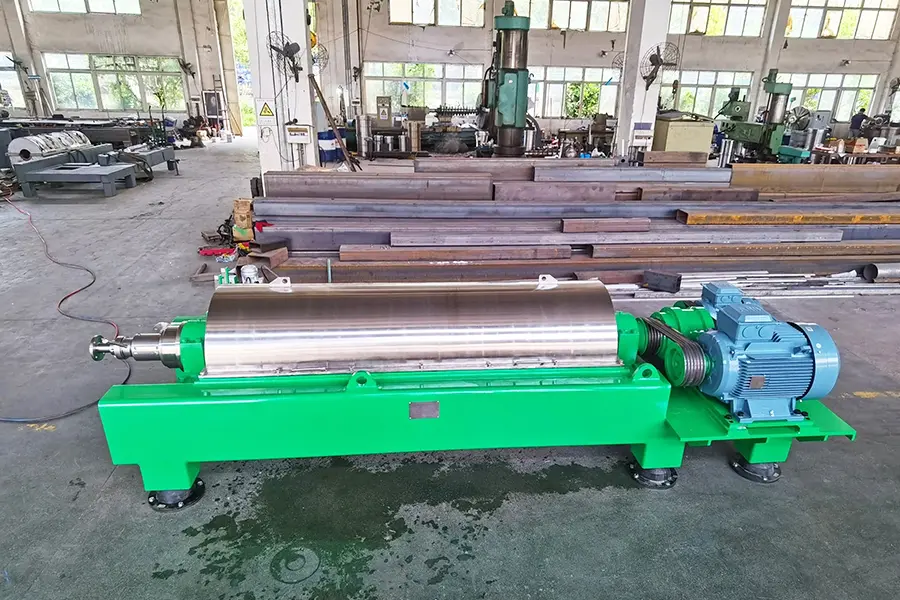
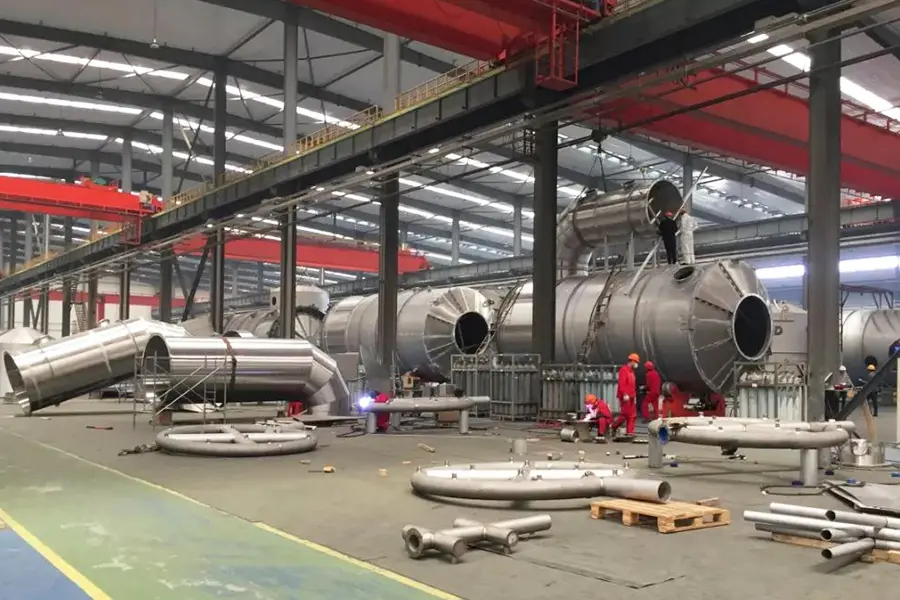
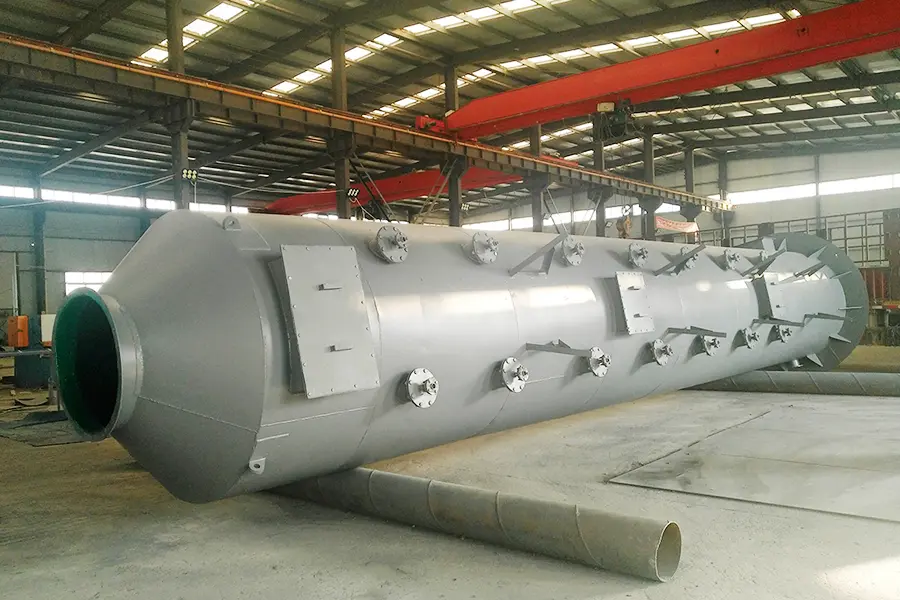
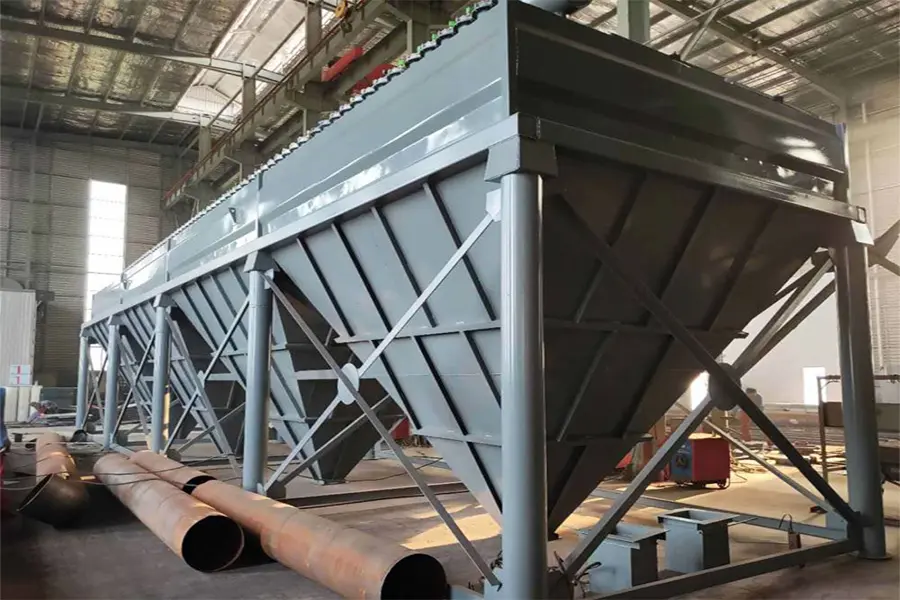
A closer look inside XJY's modern manufacturing lines and assembly halls.
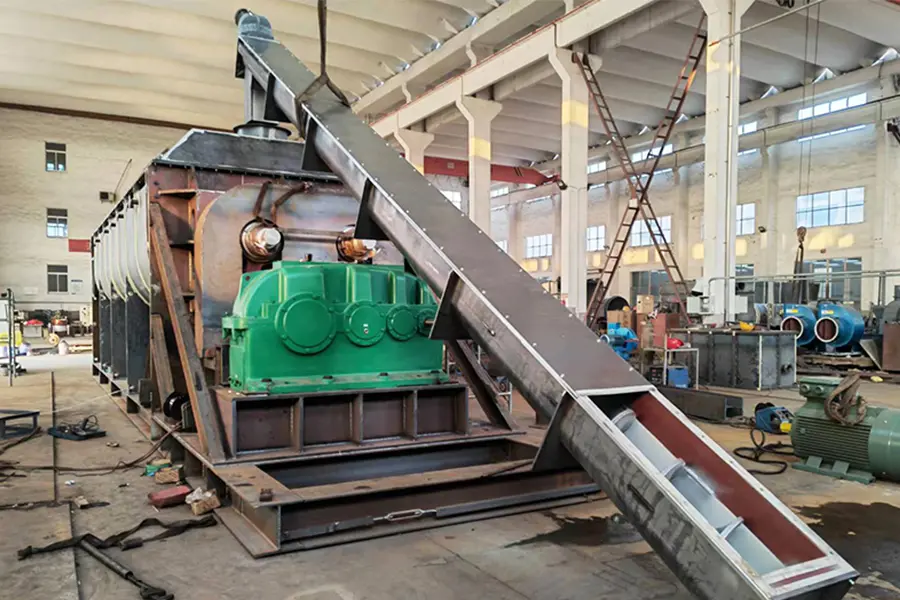
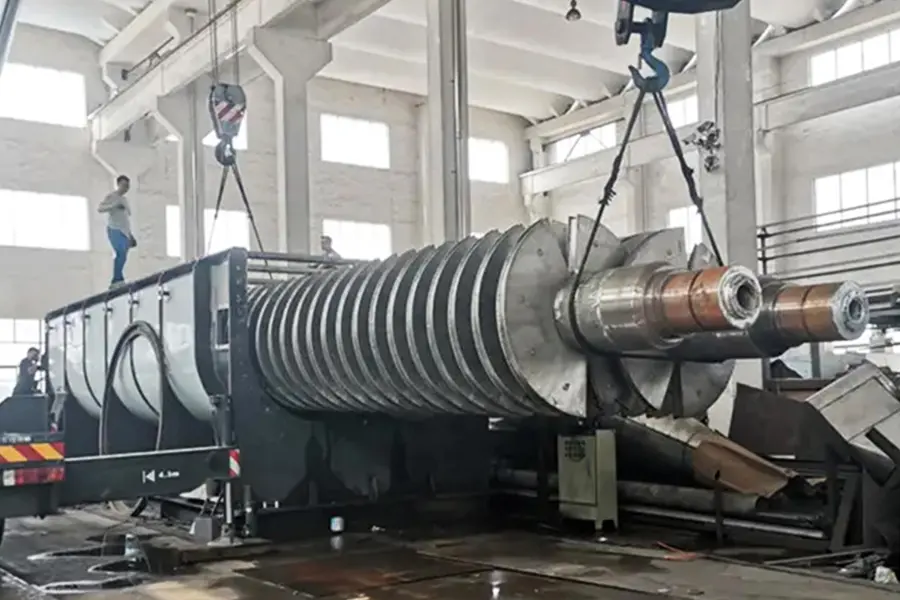
Combining solar RO, odor removal, and sludge minimization for a complete carbon-neutral circular economy.
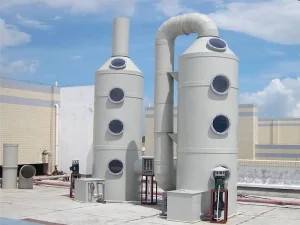
Modern sustainability demands integrated solutions. When a factory invests in a solar desalination facility, the resultant brine must be managed responsibly, and the associated sludge must not end up in landfills. This is where XJY’s full-chain capability becomes a competitive advantage. Rather than dealing with multiple niche vendors, industrial operators can work with one central manufacturer to solve wastewater, solid waste, and odor emission issues simultaneously.
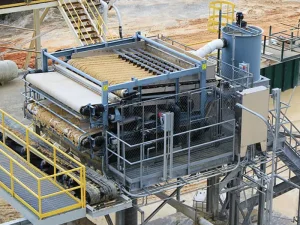
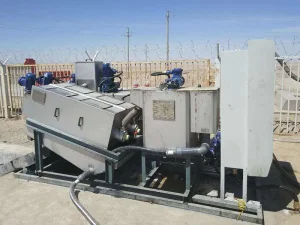
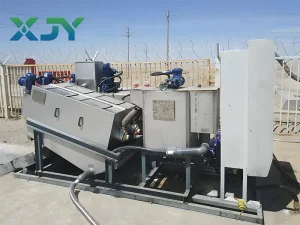
By pairing the solar-driven WPS with our sludge dewatering equipment, factories can dry heavy metals and organic solids from 80% moisture down to 35%. This high-solids powder can then be fed into local cement kilns or thermal power plants as raw fuel source. At the same time, any organic odors generated during water purification are captured by our BDS intelligent deodorization system, ensuring full municipal compliance and local community support. This closed-loop configuration maximizes return on investment, minimizes operating costs, and elevates the factory’s ESG (Environmental, Social, and Governance) rating.
To further advance efficiency, XJY integrates digital twin software that predicts local cloud cover hourly using satellite meteorological data. The system automatically ramps up pressure pumps during maximum solar irradiance, filling clean water storage reservoirs. During overcast periods, the system enters a low-energy circulation cycle to prevent membrane bio-fouling without requiring grid backup power. This predictive logic cuts operational costs by 18% compared to standard solar-direct desalination designs.
Ensuring operational reliability, regulatory alignment, and lifetime support across global installations.
Operating a solar-powered desalination plant requires continuous oversight, preventative maintenance, and adherence to strict local environmental laws, especially regarding brine disposal. Discharging high-salinity brine back into coastal marine environments requires careful diffusion modeling. Our teams assist project developers with comprehensive Environmental Impact Assessments (EIAs), providing localized diffusion nozzle designs that prevent the formation of toxic hyper-saline undercurrents.
XJY ensures our systems meet global manufacturing requirements through active certifications and design reviews:
Our pressure vessel designs for reverse osmosis and nanofiltration elements conform strictly to ASME standards, guaranteeing safety at operational pressures exceeding 70 bar.
Solar control cabinets, variable frequency drives, and PLC interfaces are built to withstand high temperatures and dusty outdoor environments under NEMA 4X / IP66 ratings.
All process piping, structural frames, and pump components carry CE markings and are manufactured in plants audited under ISO 9001 and ISO 14001 quality systems.
Furthermore, our global logistics and engineering network ensures spare parts—such as replacement RO membranes, filter media, and high-pressure pump seals—are delivered to site rapidly, minimizing system downtime. Our remote diagnostic centers monitor critical parameters (differential pressure, conductivity, flow rates, solar voltage) 24/7, notifying local technicians before mechanical wear can cause a system shutdown.
Detailed technical answers to common questions about industrial solar desalination systems.
Fluctuating feed pressure can cause mechanical fatigue in membranes. XJY uses Variable Frequency Drives (VFD) paired with advanced PID controller loops. These adjust pump speeds slowly and smoothly, avoiding pressure spikes. The system also runs a low-pressure flush with fresh permeate water during shutdowns to prevent mineral scaling on the membrane surfaces.
No. While batteries provide constant power, they significantly increase initial CAPEX and operational replacement costs. Our direct-drive systems run dynamically during sunlight hours, storing clean water in elevated storage tanks instead of storing electrical energy. For 24/7 operations, we offer hybrid solar-grid or solar-generator options.
Depending on feed water salinity, solar-irradiance levels, and local civil works, our systems achieve an LCOW ranging from $0.55 to $0.85 per cubic meter. This makes solar-powered RO highly competitive with local municipal grid tariffs in most dry regions.
We supply modular evaporator systems and crystalizing units for Zero Liquid Discharge (ZLD) installations. In coastal areas, high-velocity diffuser manifolds are deployed to mix the reject stream rapidly with ocean currents, preventing localized damage to marine life.
Yes. Brackish water requires lower operating pressures (typically 15-30 bar compared to seawater's 55-70 bar), resulting in lower power requirements and higher fresh water yields (up to 85% recovery).
Explore our heavy-duty industrial systems, including automatic filling machines, dewatering screw presses, and catalytic oxidizers.
 XINJIEYUAN