High-efficiency engineered solutions deployed globally for industrial applications.
Guangdong Xinjieyuan Environmental Protection Technology Co., Ltd. is a leading-edge, global manufacturer specializing in the research, development, and high-precision production of advanced environmental protection systems. Our technological footprints cover key global domains: industrial wastewater treatment, municipal and factory water purification, industrial waste gas and biological deodorization, and comprehensive sewage sludge dehydration and resources recycling.
As an integrated environmental sci-tech group, we deliver complete, end-to-end multi-dimensional engineering systems that serve complex industrial plants worldwide. By combining technological innovation with rigorous manufacturing quality, we help global clients transition to eco-efficient operations that satisfy the strict requirements of circular economies.
Our operation model centers on professional engineering execution, safety-first deployment, and documented compliance. Holding national licenses in professional environmental engineering contracting, safety production permits, and international management standard certifications (ISO 9001, ISO 14001, ISO 45001), Xinjieyuan has established itself as an authoritative leader in modern modular systems.
Our technical edge is supported by relentless research and development, resulting in key compliance certifications and highly respected intellectual capital:
Comprehensive engineering integrations that solve liquid, gas, and solid discharge challenges.
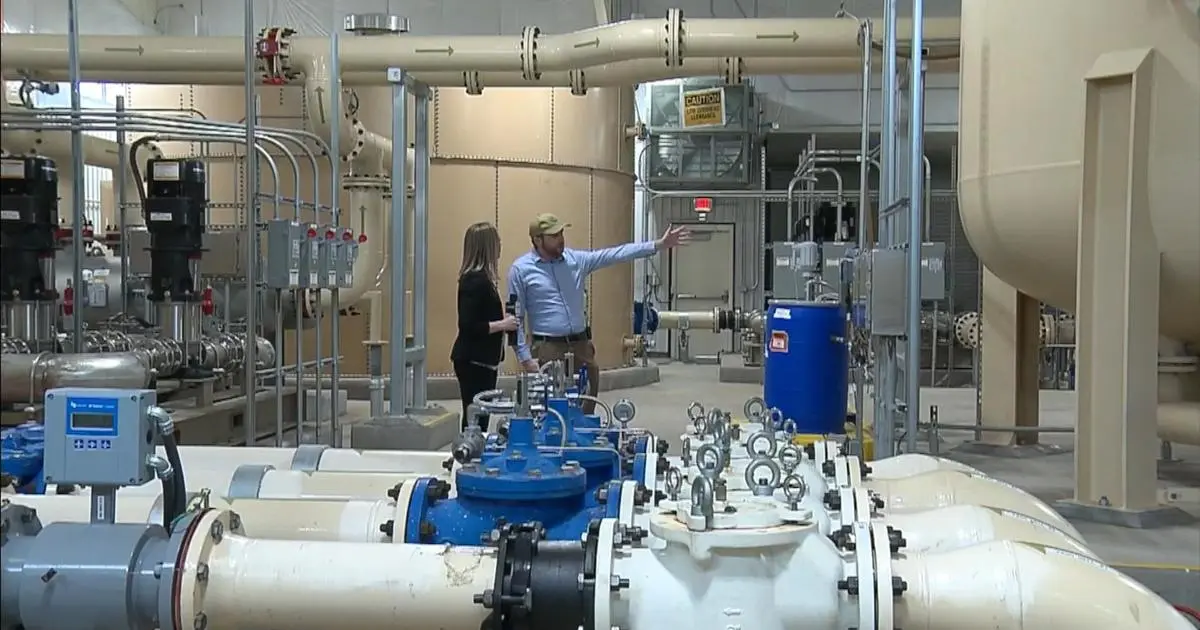
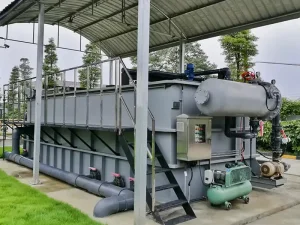
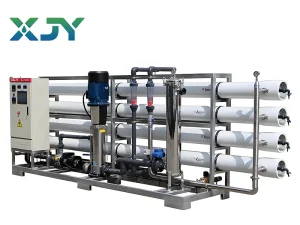
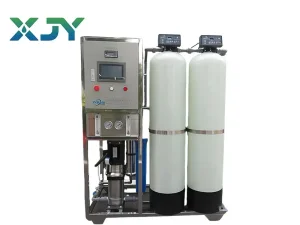
Designed to combat clean-water shortages and complex chemical/biological effluents. The WPS System integrates state-of-the-art biological treatment (MBR), micro-filtration, ultra-filtration, and industrial Reverse Osmosis (RO) systems. These modular units are custom-engineered to match the precise inlet parameters of industrial, agricultural, hospital, community, and commercial facilities. By using a scientific, streamlined footprint, it reduces installation costs by up to 60%, delivering consistent effluent quality suitable for environmental discharge, irrigation, or direct industrial reuse.
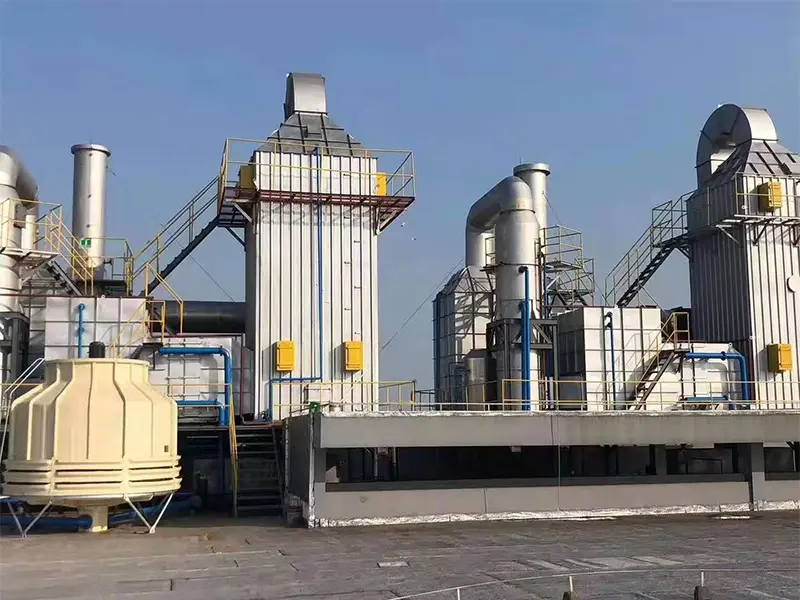
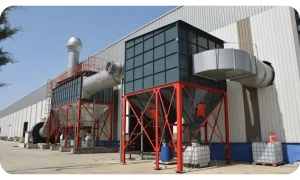
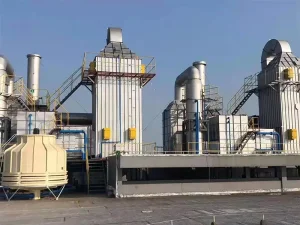
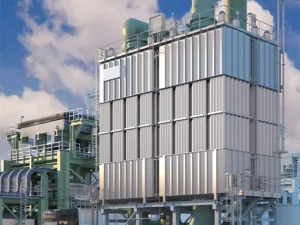
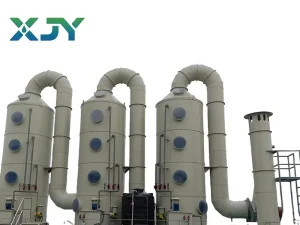
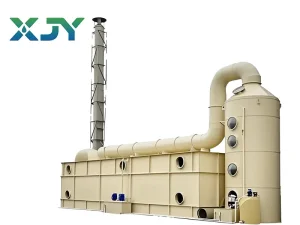
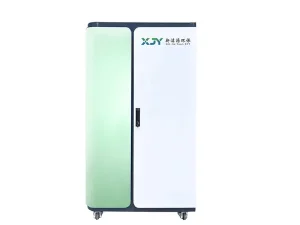
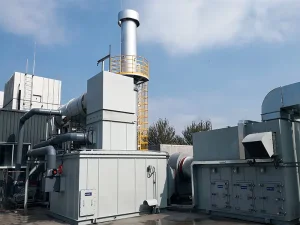
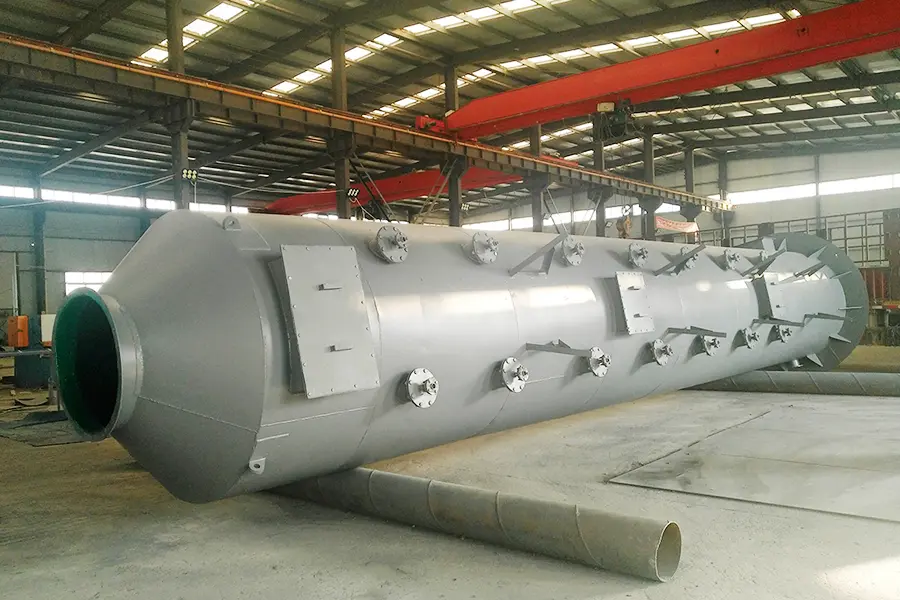
Mitigating industrial odors, sulfurous compounds, VOCs, and chemical aerosols is essential for modern compliance. The BDS Intelligent Deodorization system is a robust solution built for agriculture, chemical plants, pharmaceutical labs, mining, and electroplating industries. By using specialized biotrickling, wet chemical scrubbing, and activated carbon technology, it removes toxic, odor-causing particles with high-efficiency automation. Programmed for unattended operation with automatic cleaning and scrubbing cycles, BDS ensures neighboring communities are unaffected by operational processes.
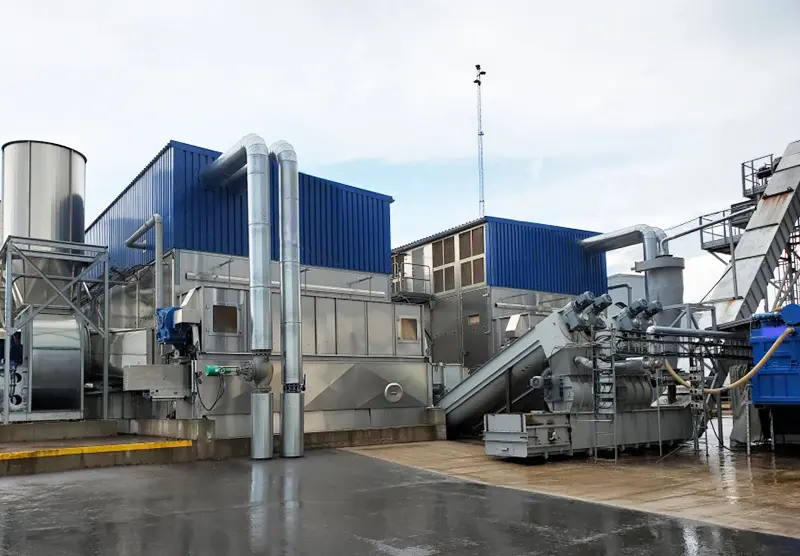
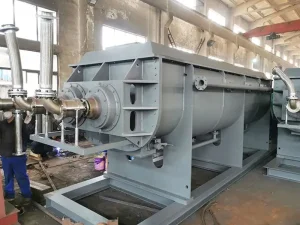
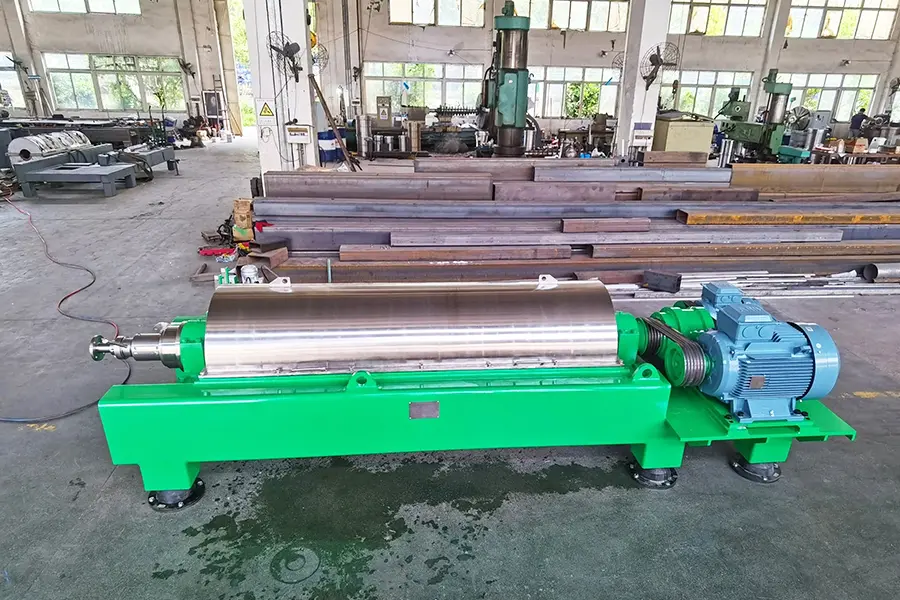
Designed for municipal, industrial, and river dredging sludge management, this system features advanced mechanical dewatering coupled with low-temperature belt-driven drying technology. It processes highly unstable, viscous sludge with an initial water content of 80% down to a stable, dry, granular powder with only 35% moisture. This output is ready for direct co-combustion in cement kilns and thermal power plants, or for fertilizer manufacture. XJY’s system reduces volume by over 60%, drastically cutting transportation costs and processing fees while offering a circular economy path.
Engineered modular plants configured for specific operational scales and waste matrices.
Decentralized sewage plants serving remote communities, construction camps, municipal outskirts, and medical facilities. Eliminates the high infrastructure cost of miles of new civil sewers by processing onsite water back to standards suitable for local landscape irrigation.
Tailored treatment setups addressing complex compounds, heavy metals (such as hexavalent chromium and nickel), high chemical oxygen demand (COD), and volatile phenols. We combine specialized chemical precipitation, DAF clarification, and MBR to meet clean discharge limits.
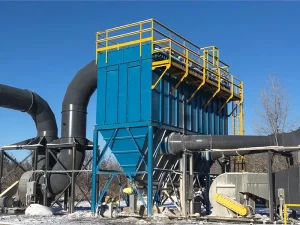
Designed for coal washing slurry, acid mine drainage (AMD), mineral refining recovery, and heavy dust control. Our high-throughput clarifying filtration blocks run under tough conditions, recycling 90% of process water directly back into the mine loop.
Pioneering advancements designed to redefine energy efficiency and operational intelligence.
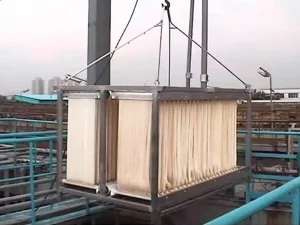
Transitioning from traditional flat-sheet modules to hollow-fiber, anti-fouling polyvinylidene fluoride (PVDF) membranes. These membranes offer higher flux rates, lower cleaning cycles, and extended operational lifespans under high-solids loading.
Integrating cloud monitoring into modular plants. Standard IoT nodes continuously measure pH, DO (dissolved oxygen), turbidity, and pressure, feeding an AI controller that automatically optimizes aerator speeds and chemical dosing.
Pairing advanced Reverse Osmosis (RO) with electrodialysis reversal (EDR) and low-temperature vapor crystallization. This setup achieves up to 98% clean water recovery while yielding crystallizer salts that can be reused or sold.
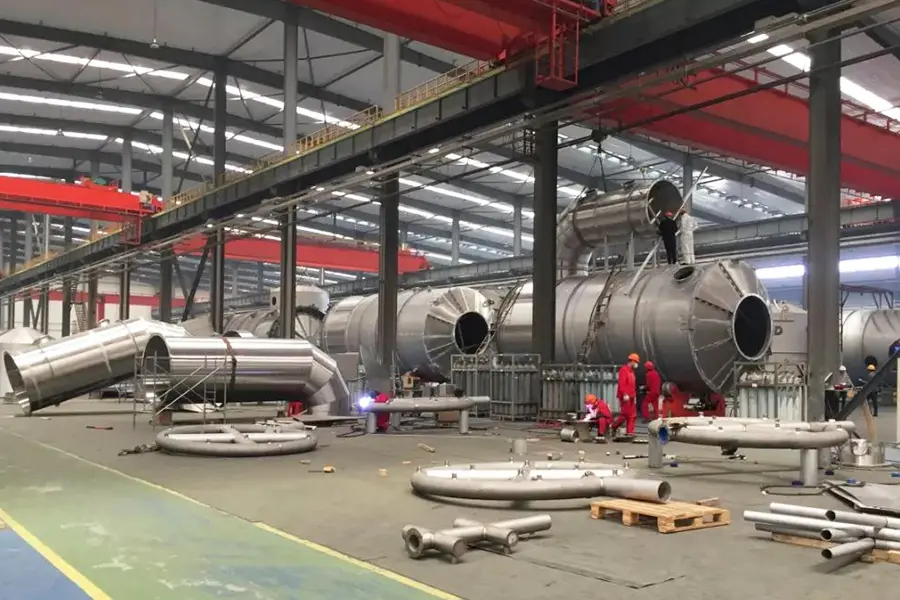
At our automated production base in Guangdong, we leverage intelligent supply chains and advanced manufacturing systems. This integration guarantees consistent build quality and fast lead times for our modular wastewater treatment systems.
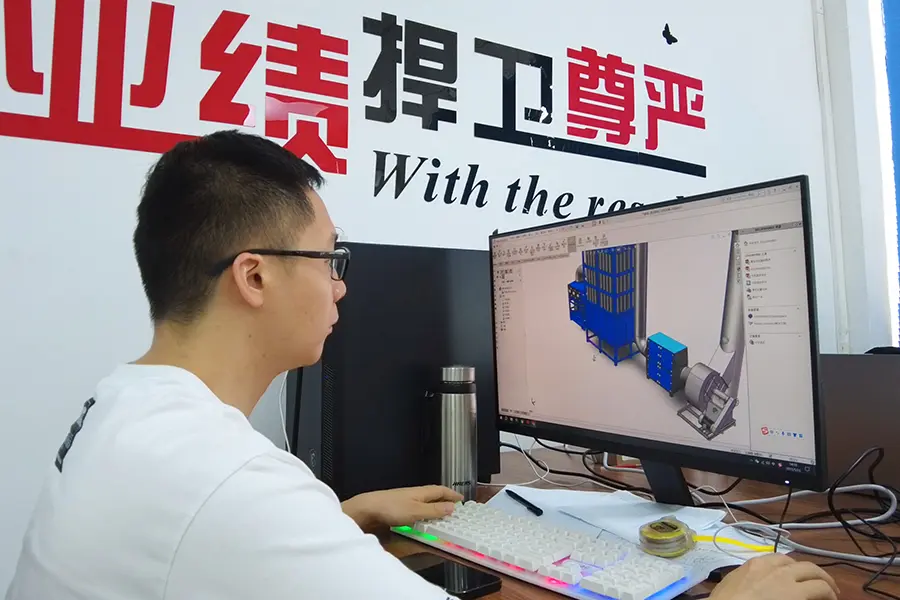
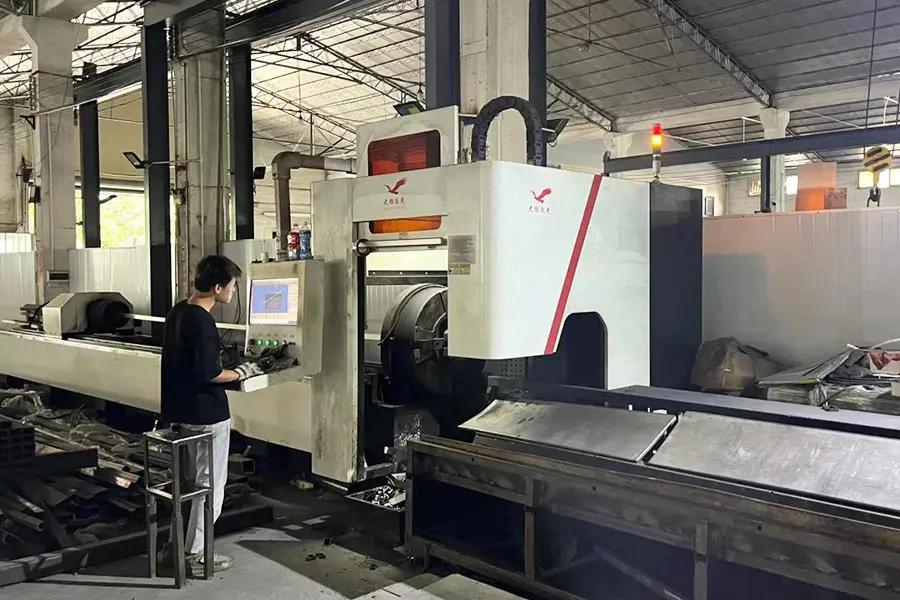
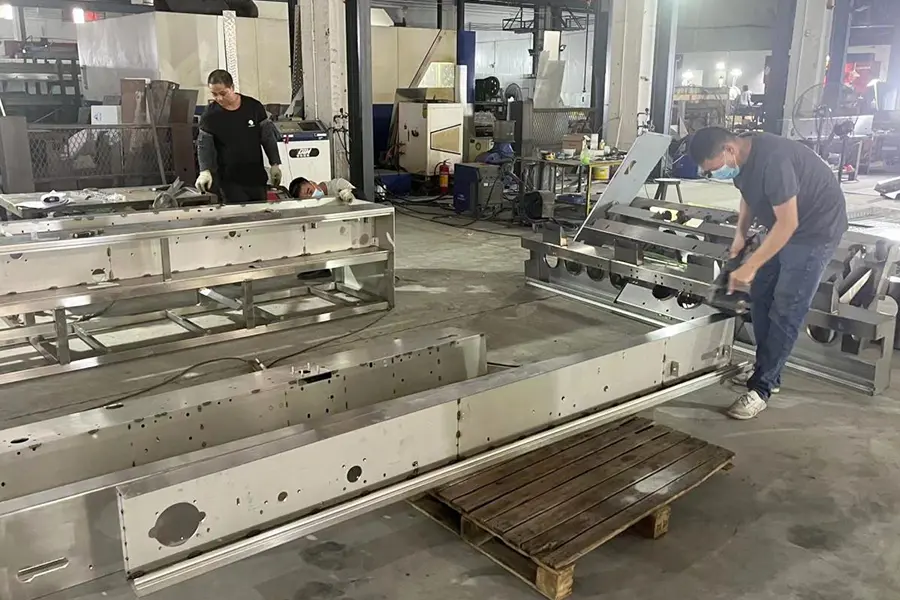
Operating a Factory 4.0 setup means every stage of production—from laser cutting and robotic welding of stainless steel/carbon steel structural frames to surface treatment, assembly, and instrumentation—is tracked digitally. This standardized manufacturing model keeps production costs competitive while ensuring modular components fit together perfectly during field installation.
Our strategic location in Guangdong gives us access to a complete supply chain for pumps, valves, membranes, instruments, and PLC modules. This access protects our international clients from supply chain disruptions, allowing us to maintain rapid delivery schedules and offer reliable global shipping for both standard containerized units and custom builds.
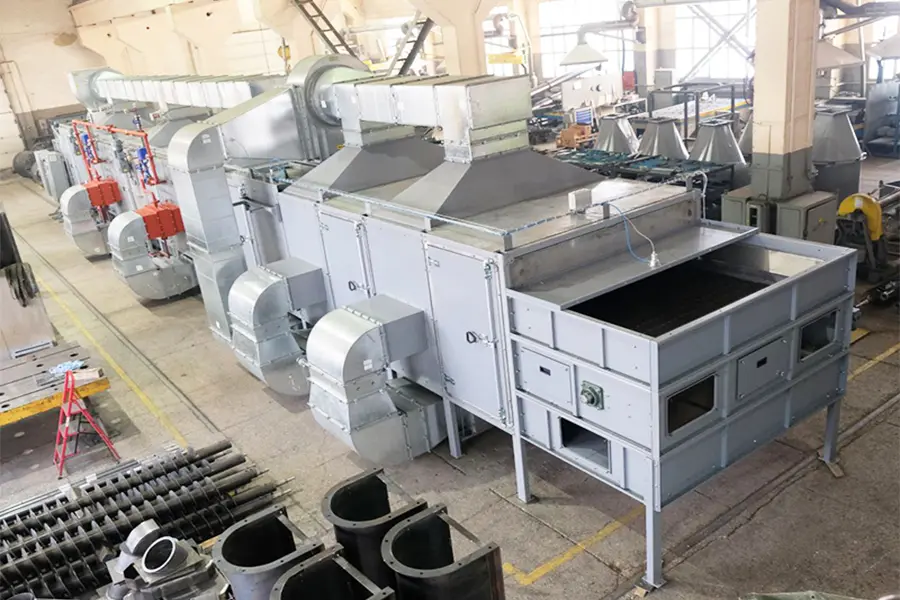
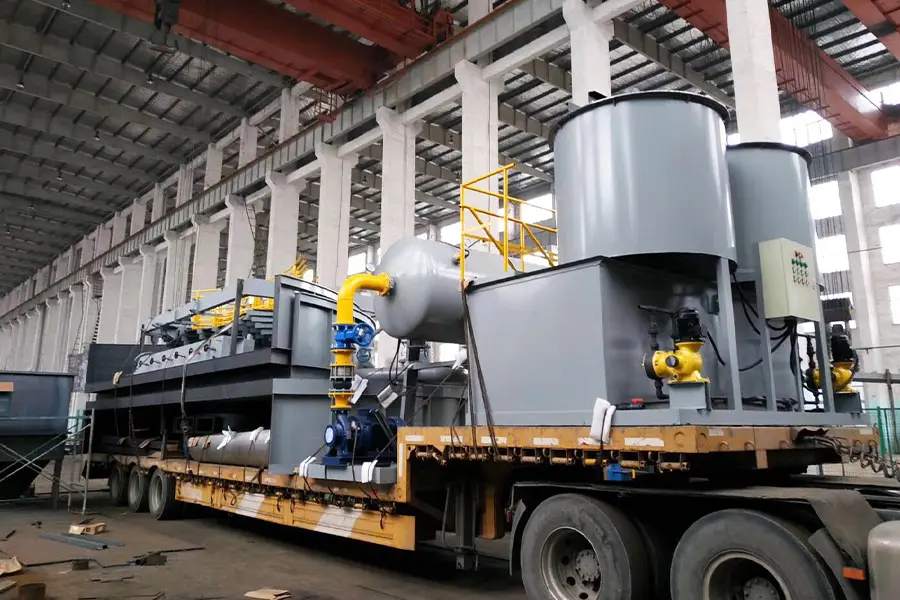
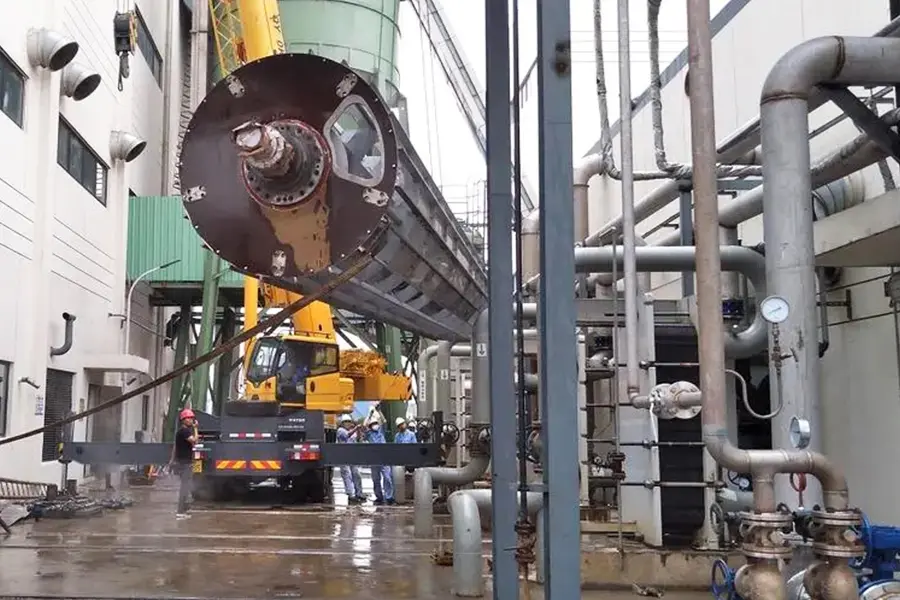
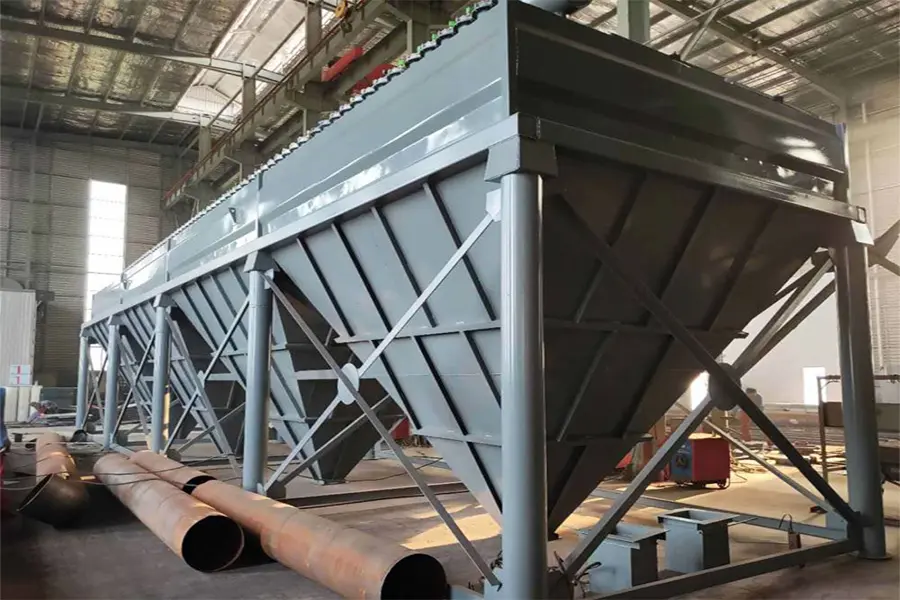
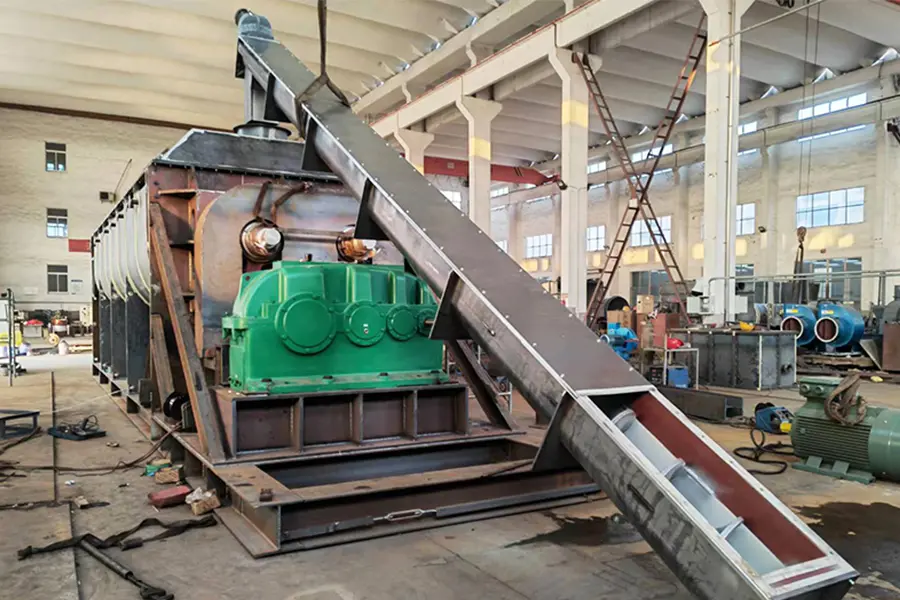
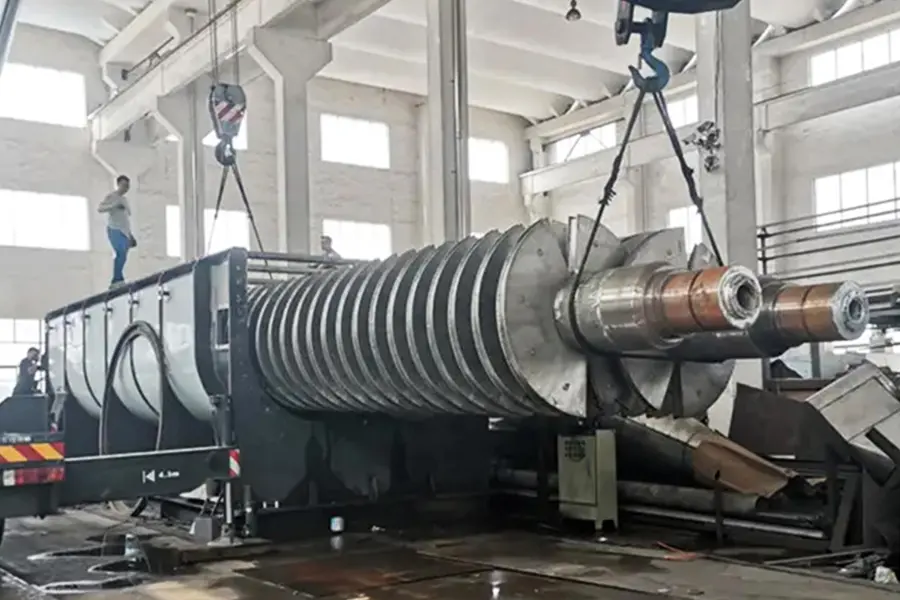
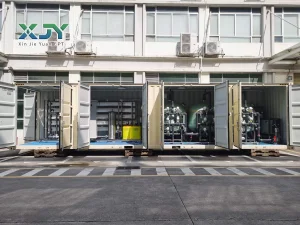
EPC firms, municipal developers, and industrial procurement departments require modular solutions that fit standardized logistics frameworks. Our containerized treatment systems are built directly into standard ISO shipping containers (20-foot and 40-foot HQ sizes). This design facilitates seamless ocean freight, rail transit, and road transportation to remote project sites. By avoiding oversize transport permitting, we reduce shipping costs and simplify logistics coordination.
To support smooth regulatory approvals, our systems are engineered to meet key regional electrical and mechanical standards, including CE, ASME, UL, and CSA. Our design team adapts electrical control cabinets to match local voltages (e.g., 460V/60Hz, 380V/50Hz) and installs localized HMI language packages. We also provide comprehensive documentation, including detailed process flow diagrams (P&IDs), general arrangement drawings, electrical schematics, and operations manuals, to simplify local permitting processes.
Answers to common questions from project engineers, procurement managers, and plant operators.
Select specialized equipment from our factories to round out your environmental treatment train.
 XINJIEYUAN