Explore our core industrial treatment systems engineered to optimize operations, ensure compliance, and maximize resource recycling efficiency.
Modern chemical processing plants generate highly complex, toxic, and recalcitrant effluents containing synthetic organic complexes, heavy metals, surfactants, and refractory chemical oxygen demand (COD). Tightening environmental regulations worldwide—such as the EPA’s Effluent Guidelines in the United States and the EU’s Industrial Emissions Directive—have made traditional discharge methods obsolete.
Today, the chemical manufacturing sector is transitioning rapidly from basic compliance treatment to comprehensive Zero Liquid Discharge (ZLD) systems. This shift is motivated not only by regulatory pressure but also by severe regional water scarcity, elevating clean water from a simple utility to a highly strategic operational asset.
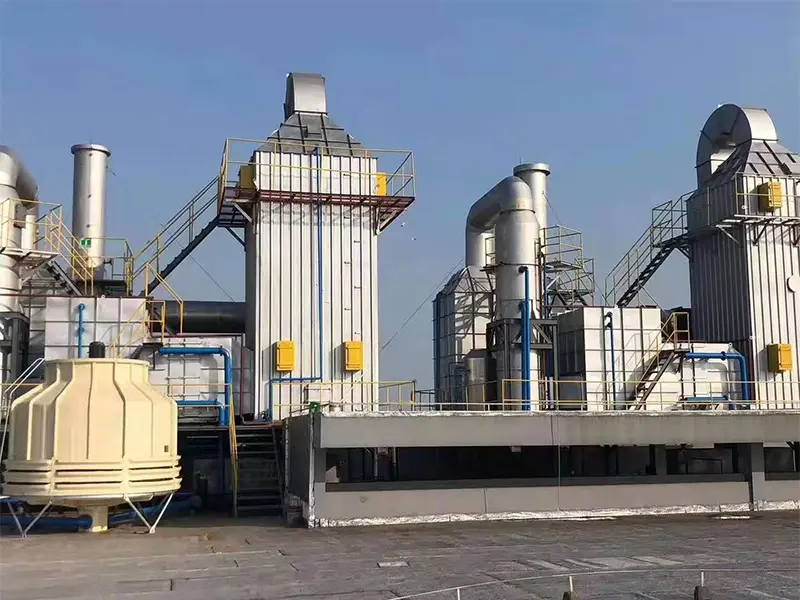
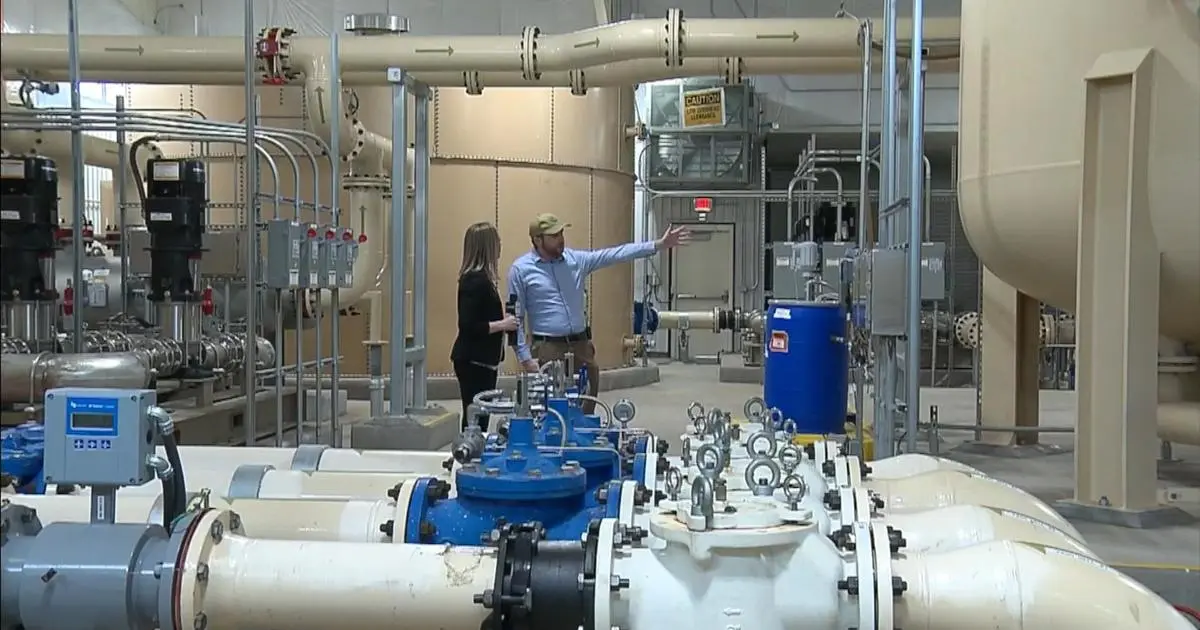
As a leading Chinese manufacturer, Guangdong Xinjieyuan (XJY) is a comprehensive environmental engineering enterprise focusing on the R&D, manufacturing, and multi-dimensional operation of water treatment, industrial waste gas purification, and sewage sludge processing systems.
Supported by a highly skilled operational engineering team, XJY integrates the entire environmental protection chain. By combining technological innovation with rigorous quality management, our company holds professional environmental engineering contracting qualifications, national safety production licenses, and ISO 9001, ISO 14001, and ISO 45001 certifications.
Our commitment to intellectual property is demonstrated by more than 45 product patents, 32 proprietary computer software registrations, and multiple global brand assets.
Providing multi-dimensional engineering solutions designed for complex, high-salinity, and toxic industrial effluents.
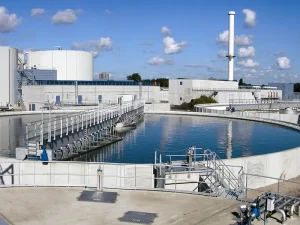
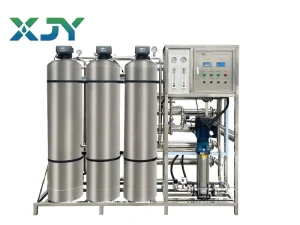
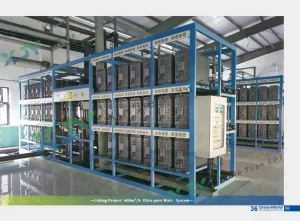
The WPS (Water Purification System) uses advanced membrane separation (RO/NF/UF), chemical precipitation, and advanced oxidation processes (AOP). Designed to mitigate high-concentration organic load, toxic heavy metals, and high salinity, the WPS helps plants achieve closed-loop water reuse, reduce freshwater usage, and achieve Zero Liquid Discharge (ZLD) across chemical, textile, and electroplating industries.
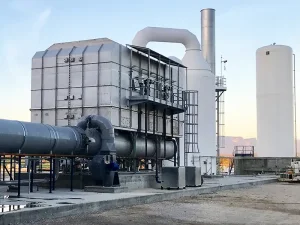
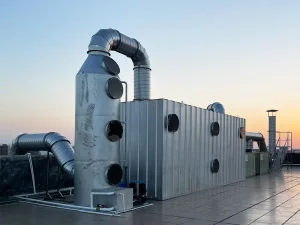
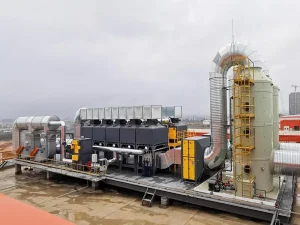
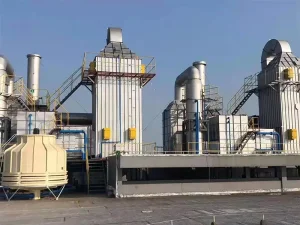
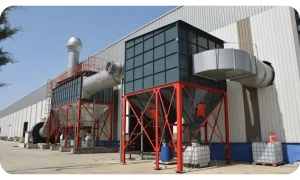
Odor emissions from chemical synthesis, biological treatment tanks, and sludge handling present challenges for regulatory compliance. XJY’s BDS system uses intelligent multi-stage chemical scrubbing, advanced biofiltration, and active dry-media adsorption to break down complex volatile organic compounds (VOCs) and inorganic odors (H₂S, NH₃), ensuring compliance with strict clean air regulations.
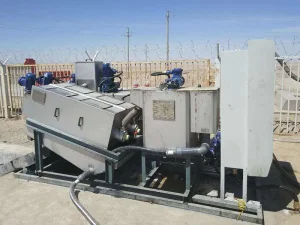
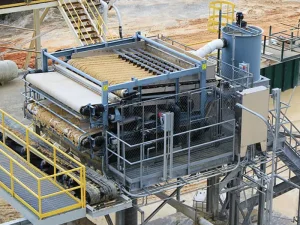
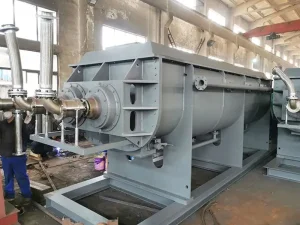
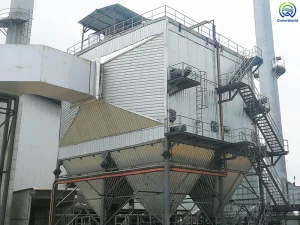
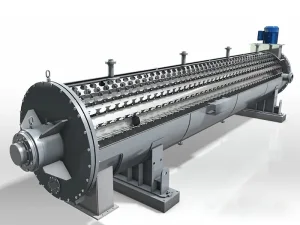
Sludge disposal remains a significant operational cost. XJY's dewatering and drying systems process wet sludge with 80% moisture content down to a 35% dry granular product. This volume reduction minimizes disposal costs and produces a dry, stable material that can be repurposed as alternative fuel for cement kilns, thermal power plants, or as raw material for soil remediation.
Procuring large-scale environmental engineering equipment requires balancing capital investment, build quality, and delivery speed. China's industrial supply chain offers distinct advantages in the production of complex wastewater systems:
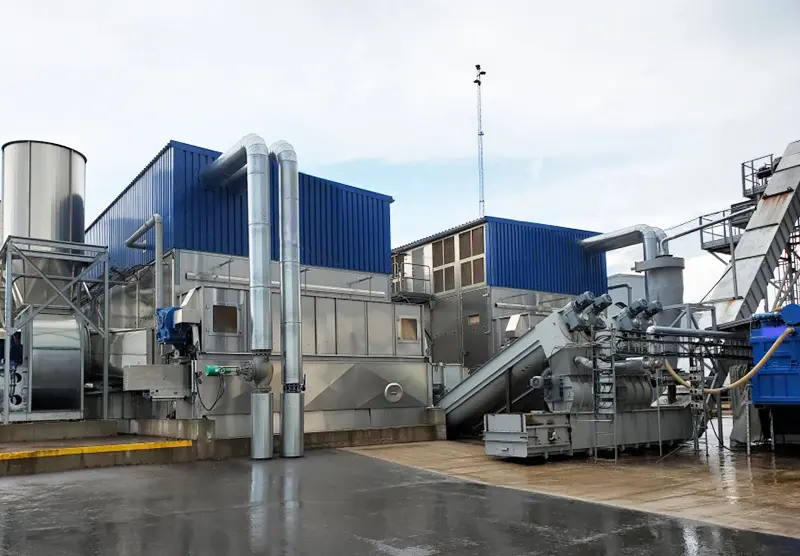
Tailored treatment setups engineered to meet specific industrial and geographical parameters.
Treating high-concentration organic compounds (refractory COD) using advanced biological systems (MBR) followed by secondary reverse osmosis filtration. XJY systems process highly fluctuating chemical streams into clean process water, helping facilities meet tight municipal discharge rules.
Targeted removal of copper, nickel, chrome, and zinc from metal plating lines. By combining chemical precipitation with physical microfiltration, our systems neutralize toxic metals and help plants recycle process bath rinse water.
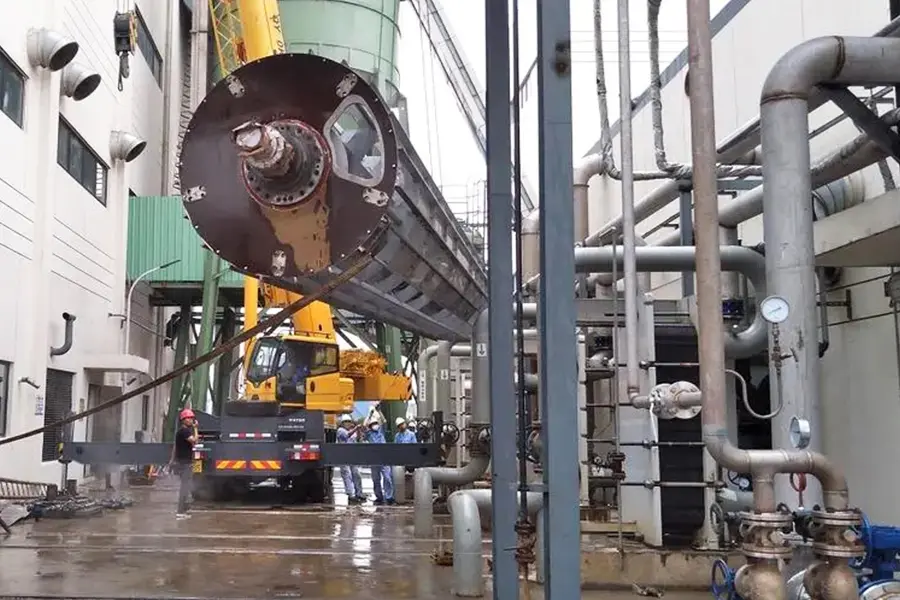
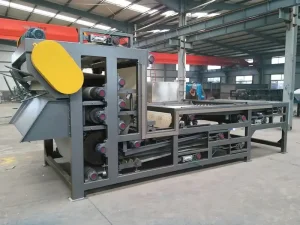
High-volume processing of municipal wastewater sludge and river dredging mud. Utilizing XJY's belt filter presses and thermal dryers, operations dry wet, high-volume sludge cake into compact, dry granules, reducing transport costs and disposal fees.
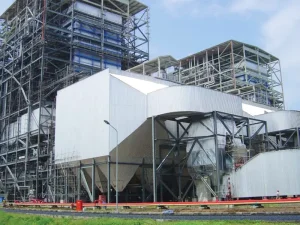
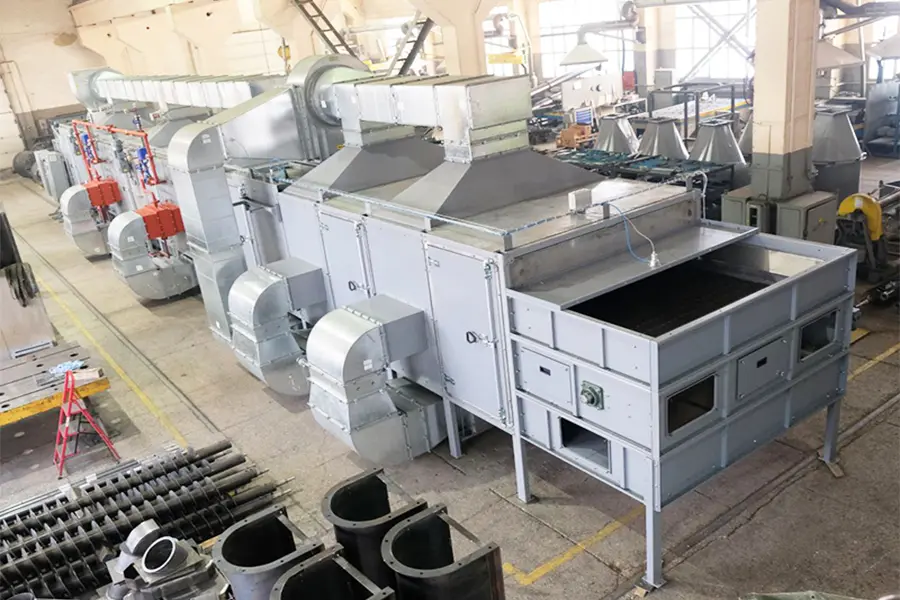
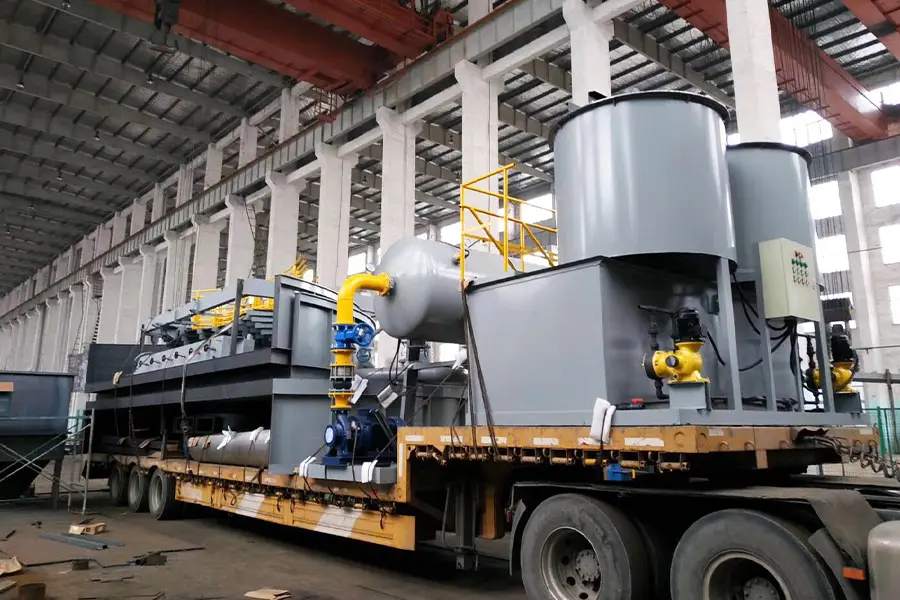
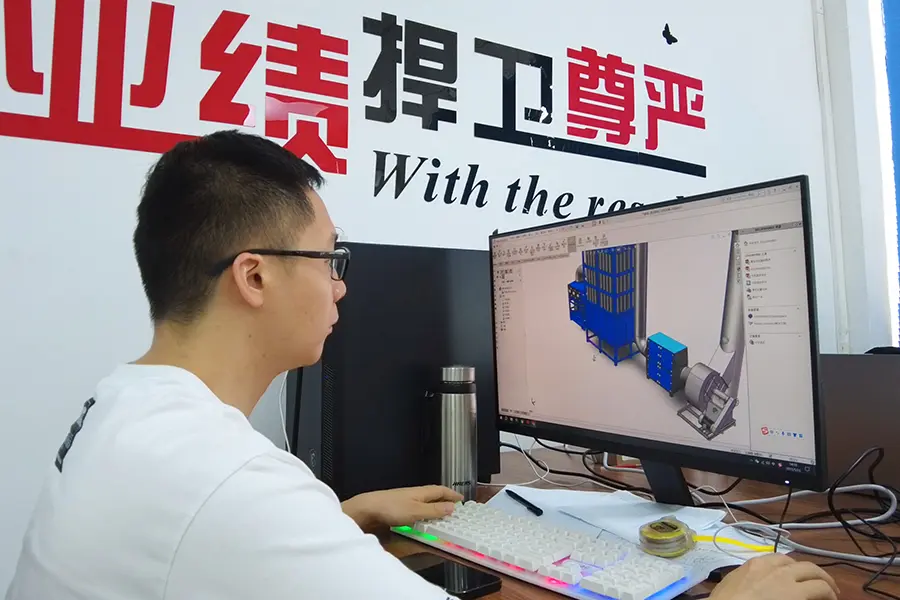
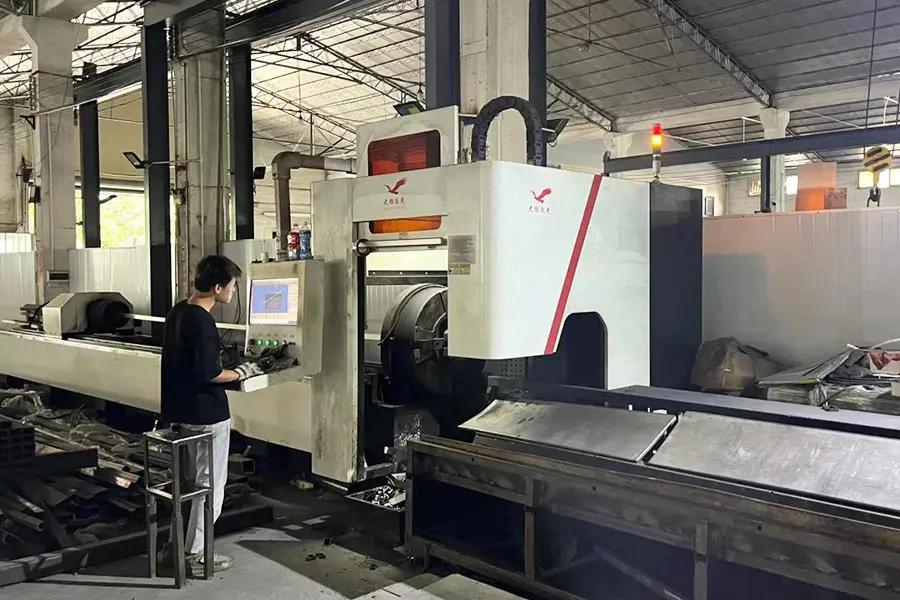
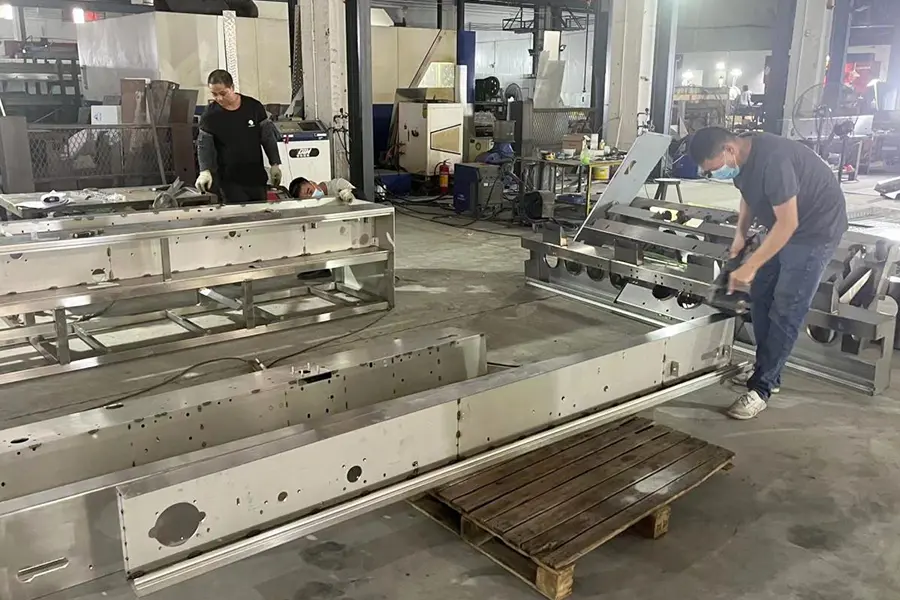
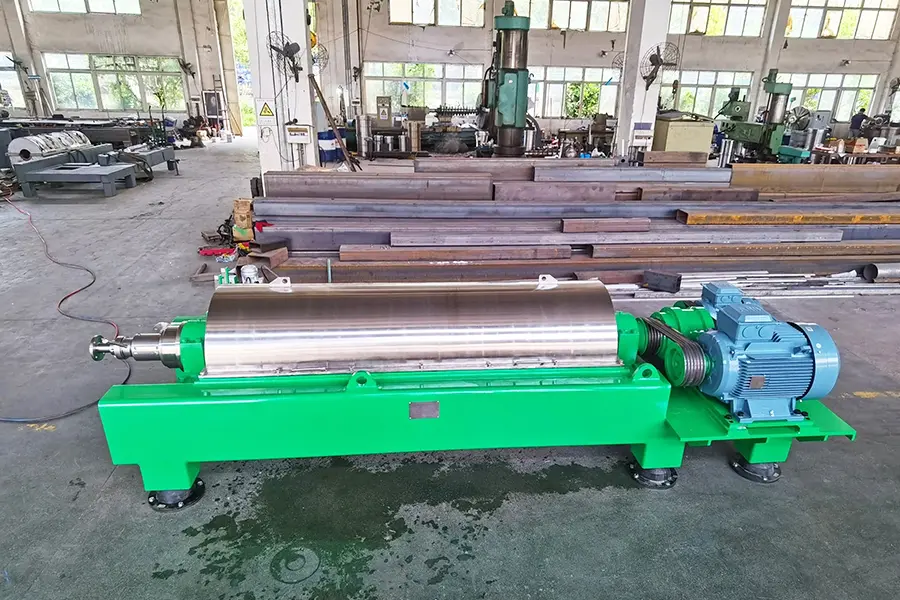
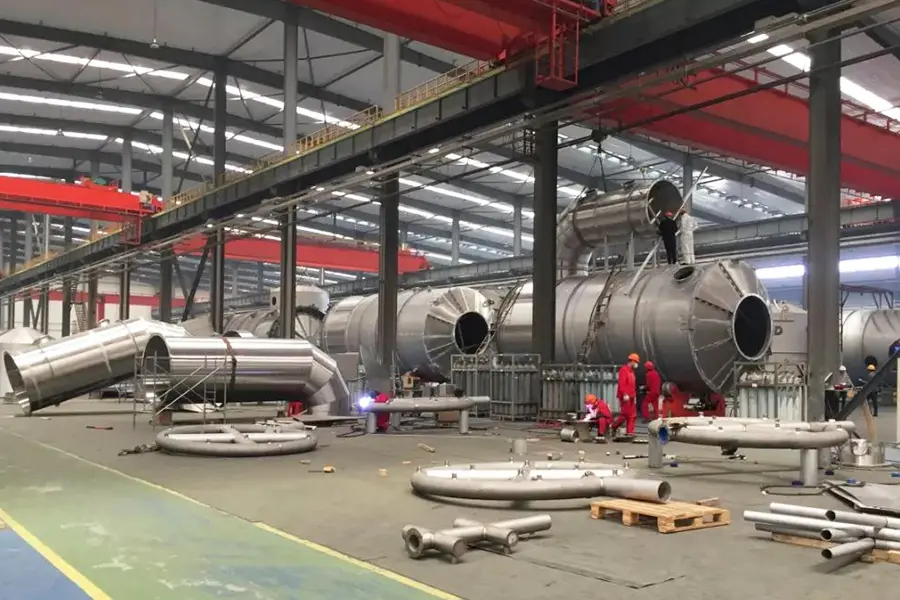
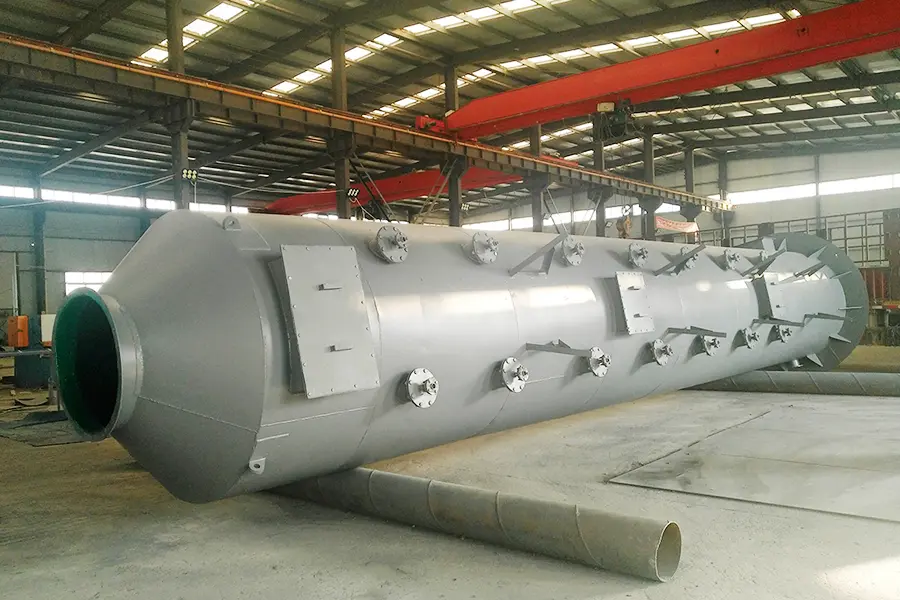
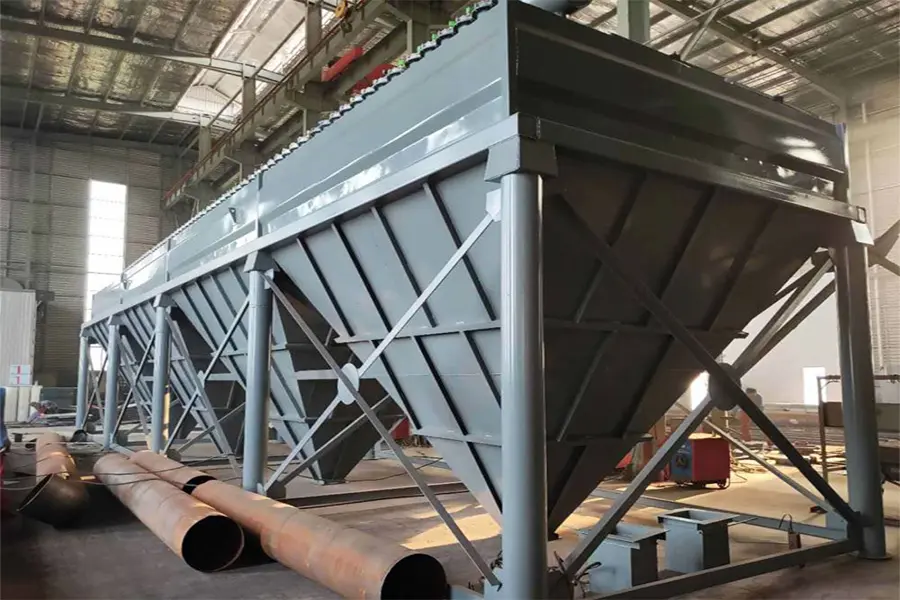
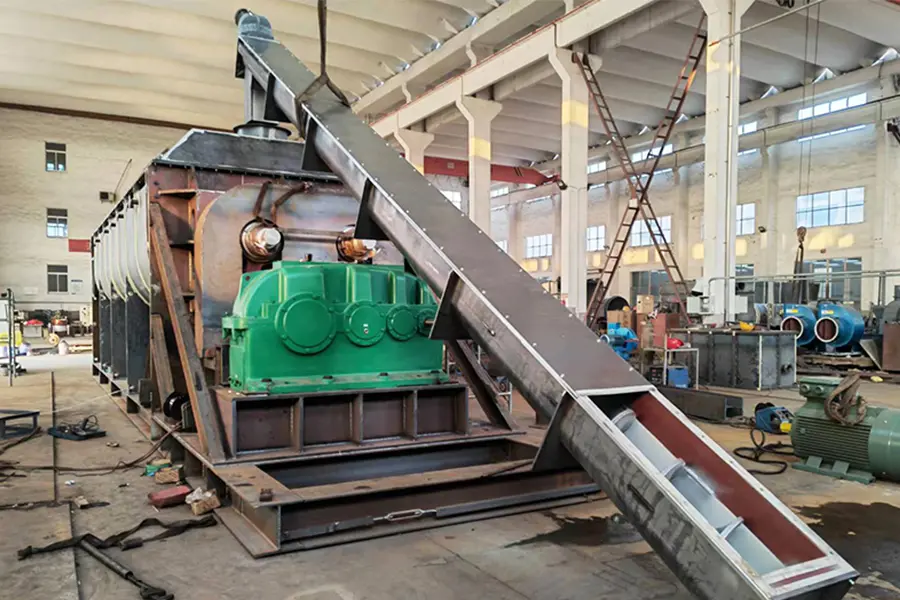
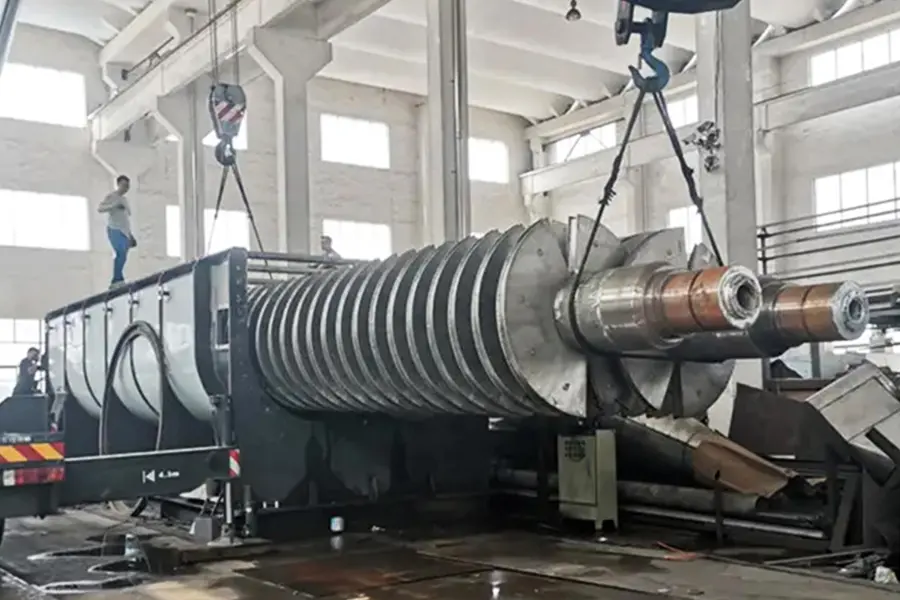
A look inside XJY's production facility, where our systems are fabricated, tested, and assembled.
Procuring industrial environmental systems requires thorough technical and regulatory review. Global operations teams should focus on these critical criteria:
Innovative developments driving sustainable operations and efficiency in industrial wastewater management.
By using real-time chemical sensors, PLC controllers adjust chemical dosing, membrane backwashing, and flow rates automatically, preventing operational issues and minimizing chemical consumption.
Advanced crystallization and selective membrane separation allow plants to extract commercial-grade salts, clean acids, and heavy metal sludges from wastewater streams, transforming a waste product into a potential revenue source.
Modern system design focuses on lowering energy use. Using energy-recovery turbines on high-pressure reverse osmosis systems and low-temperature thermal sludge dryers helps facilities reduce their overall carbon footprint.
Technical insights addressing common challenges, system integration, and operation of industrial wastewater facilities.
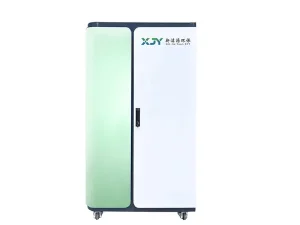
Explore our filtration, sludge dewatering, and high-efficiency purification equipment designed for industrial applications.
 XINJIEYUAN