Engineered for extreme reliability, our key mechanical systems provide optimal moisture reduction for municipal and industrial wastewater in Brisbane.
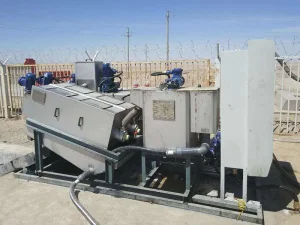
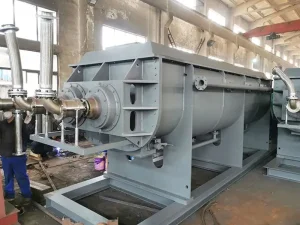
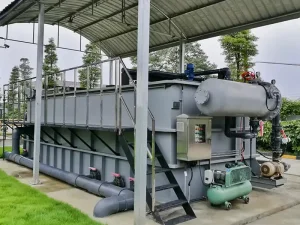
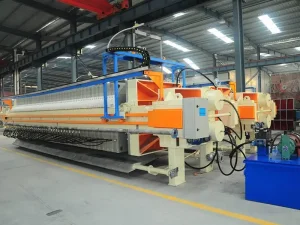
Rapid industrialization, coupled with stringent environmental regulations set by global authorities and local entities like the Queensland Department of Environment and Science (DES), has transformed sludge management. No longer is sludge treated merely as an operational waste product. Instead, modern engineering perspectives view it as a significant source of resource recovery, energy generation, and clean water extraction.
In Brisbane and the broader Australian industrial landscape, factories, municipal wastewater plants, and commercial developers face a unique set of challenges. High transport costs, rising disposal levies, and strict landfill diversion targets make onsite moisture reduction and volume stabilization a financial necessity. Implementing high-efficiency sludge treatment technology directly impacts bottom-line performance while ensuring regulatory compliance.
Guaranteed compliance with environmental parameters including EPA, DES, and Brisbane City Council discharge standards.
Reduction of raw wet sludge volumes by up to 80%, translating to massive savings in handling, transport, and disposal costs.
An engineering comparison of mechanical separation systems deployed in major municipal and industrial projects.
| Technology Type | Primary Application Area | Flocculant Demand | Energy Consumption | Cake Dryness achieved |
|---|---|---|---|---|
| Multi-Plate Screw Press | Oily sludges, municipal WWTPs, food processing | Moderate to High | Very Low (0.1–0.5 kWh/m³) | 18% - 25% dry solids |
| Decanter Centrifuge | High-throughput industrial processing, chemical slurries | High | High (1.2–2.5 kWh/m³) | 20% - 30% dry solids |
| Belt Filter Press | Paper & pulp, aggregate washing, mining tailings | Moderate | Low to Moderate | 18% - 28% dry solids |
| Low-Temperature Belt Dryer | Post-dewatering volume reduction, bio-solids production | None (thermal process) | Moderate (heat integrated) | 60% - 90% dry solids (granular) |
Integrating dewatering, gas desulfurization, and industrial desalination for end-to-end plant compliance.
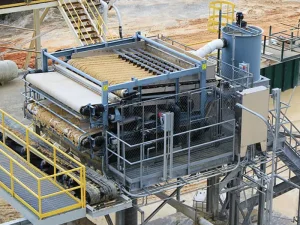
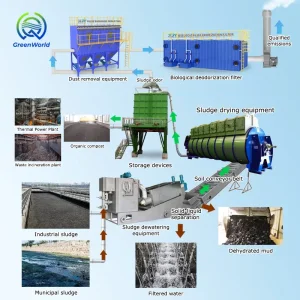
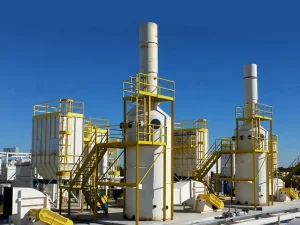
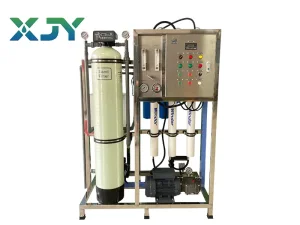
XJY Environmental Protection Technology is a global leader in environmental equipment research, development, and manufacturing. Our engineering portfolio spans key sectors including water purification, waste gas scrubbers, and industrial/municipal sludge dewatering and drying systems.
As a comprehensive enterprise integrating scientific research, fabrication, sales, and onsite service, XJY delivers end-to-end, multi-dimensional environmental management. Our expert operation teams carry a proven track record of handling complex multi-million dollar plant integrations.
Driven by technological innovation, we hold environmental engineering professional contracting qualifications, official safety production licenses, and ISO quality, environmental, and occupational health and safety system certifications. Backed by more than 45 product patents and 32 proprietary computer software copyrights and registered brands, we remain dedicated to engineering excellence.
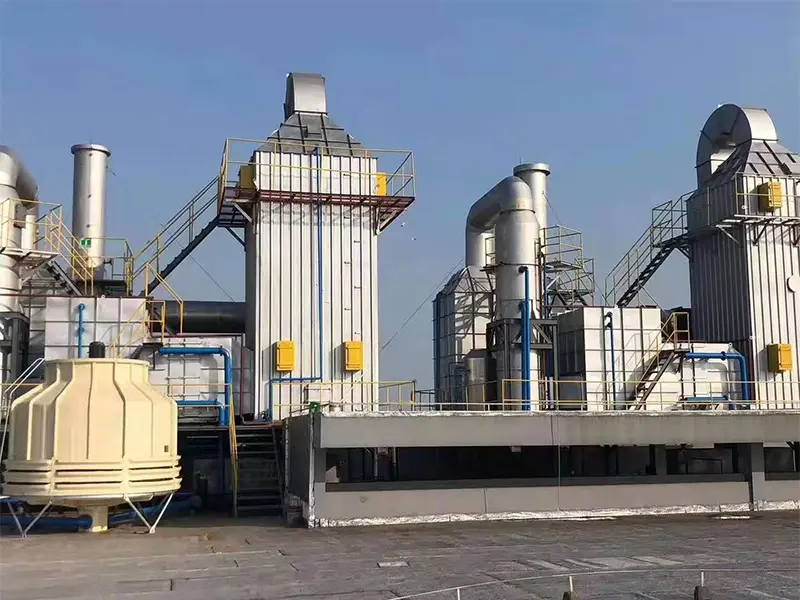
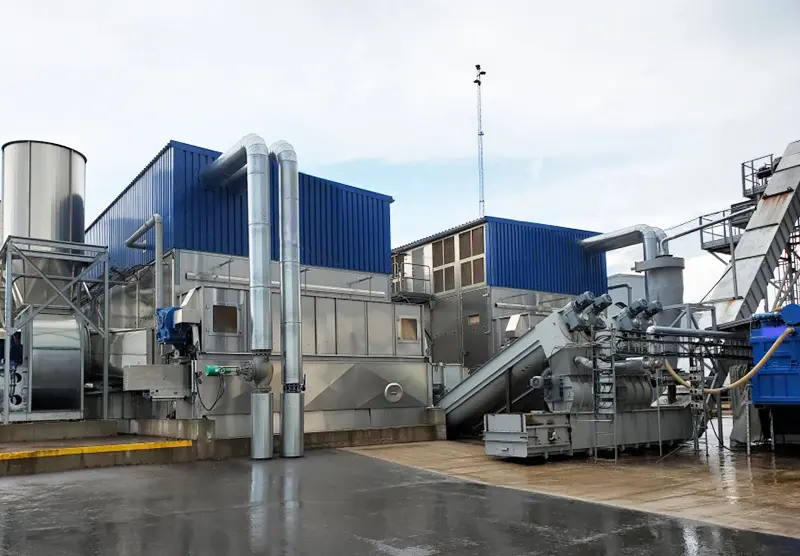
Tailored industrial platforms developed to address critical emissions, water reuse, and waste minimization requirements.
Designed specifically to target emission challenges in agriculture, chemical synthesis, pharmaceuticals, food processing, mining, and electroplating. XJY’s BDS Intelligent Deodorization System features high-efficiency odor control, automated unattended operation, and continuous atmospheric monitoring, resolving community compliance conflicts for industrial facilities worldwide.
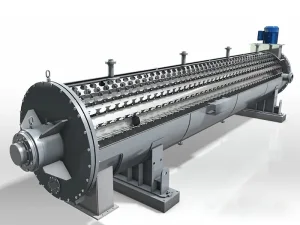
Designed to process municipal sludge, industrial effluent cake, and dredged material from black and smelly water bodies. Our systems reduce sludge from an initial 80% moisture content to a stable 35% granular powder. This dried byproduct is ready for resource recovery pathways, including co-processing in cement kilns, thermal power plants, and agricultural fertilizer formulation.
To combat localized water scarcity and stringent discharge regulations, XJY developed the WPS Intelligent Water Purification System. Deployed across residential developments, hospitals, educational campuses, and heavy industrial facilities, it supports process water recycling, energy efficiency, and reliable municipal effluent compliance.
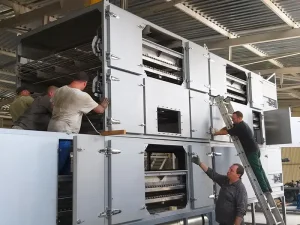
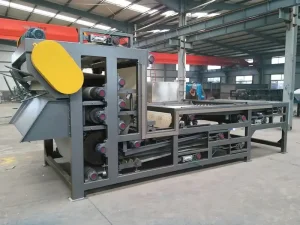
Inside our heavy fabrication, assembly, and testing facilities where high-durability separation machinery is manufactured.
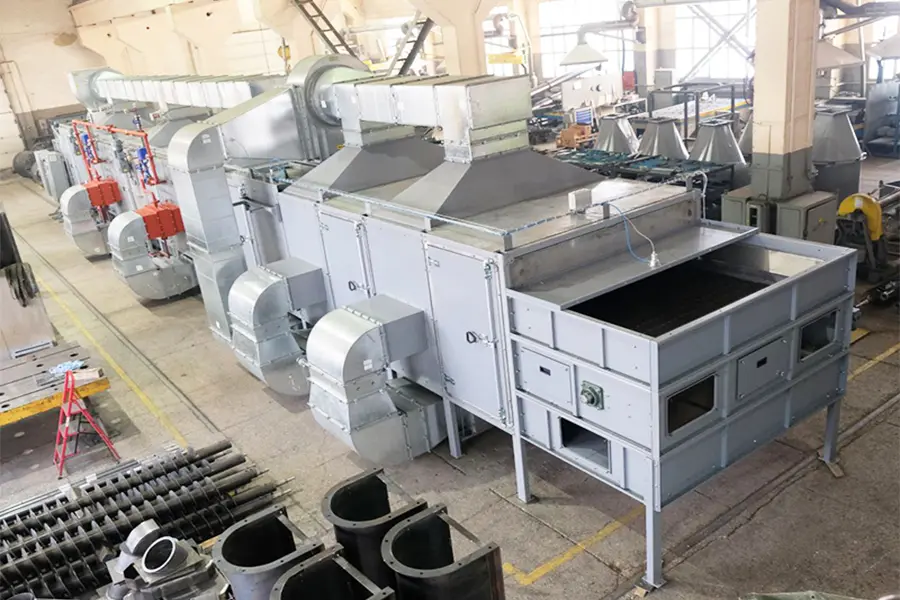
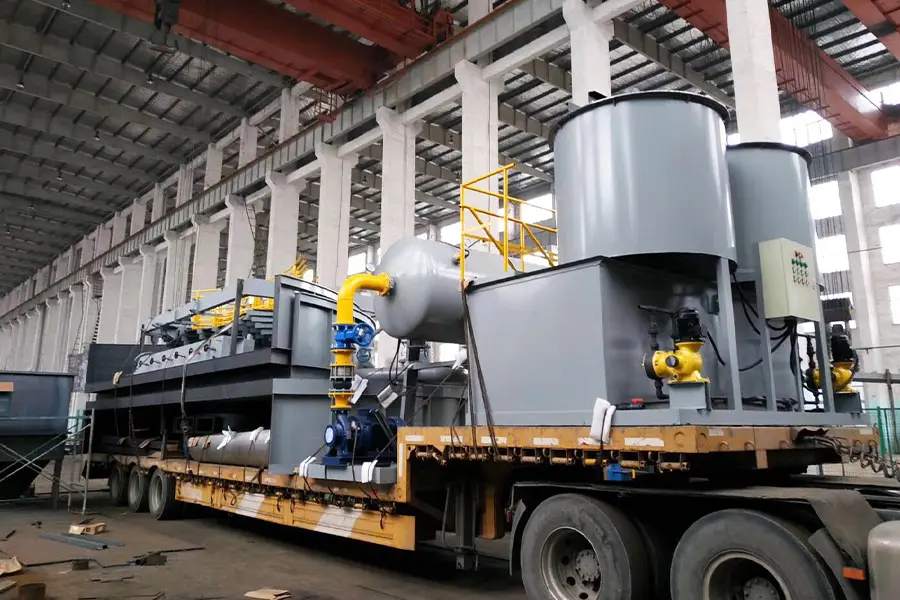
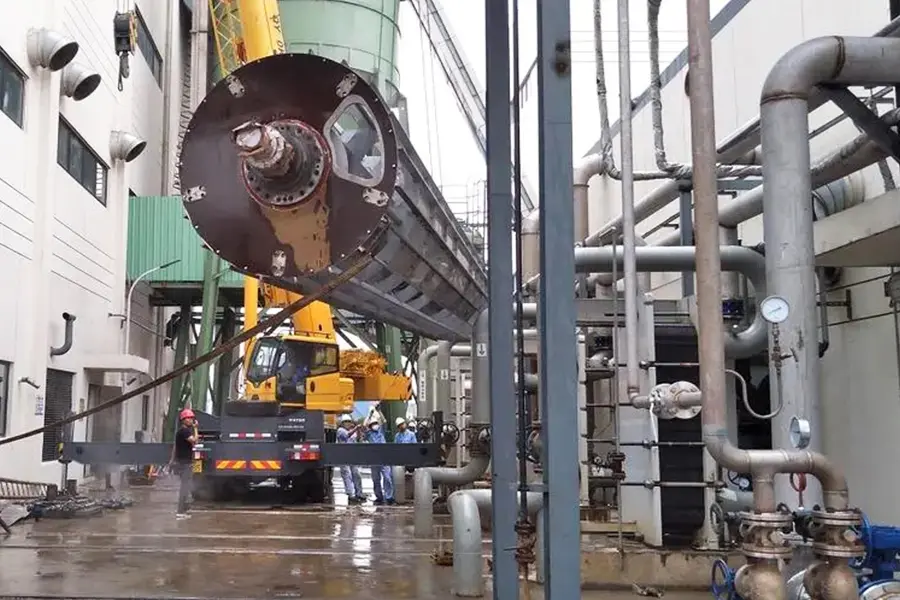
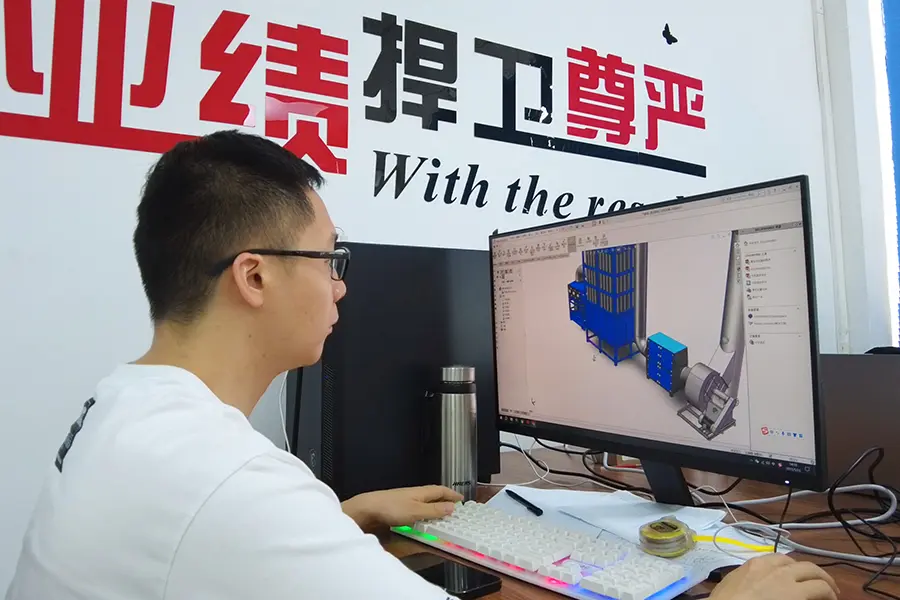
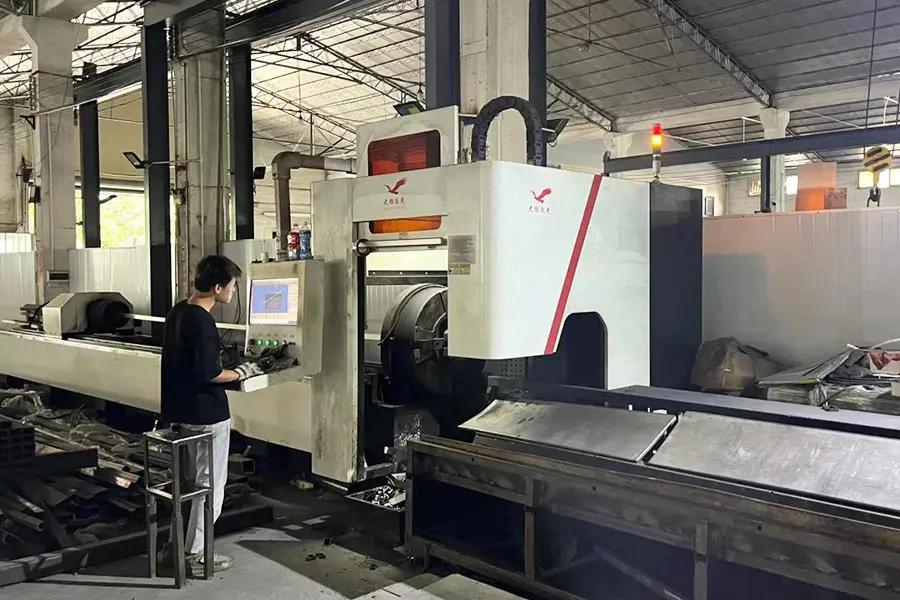
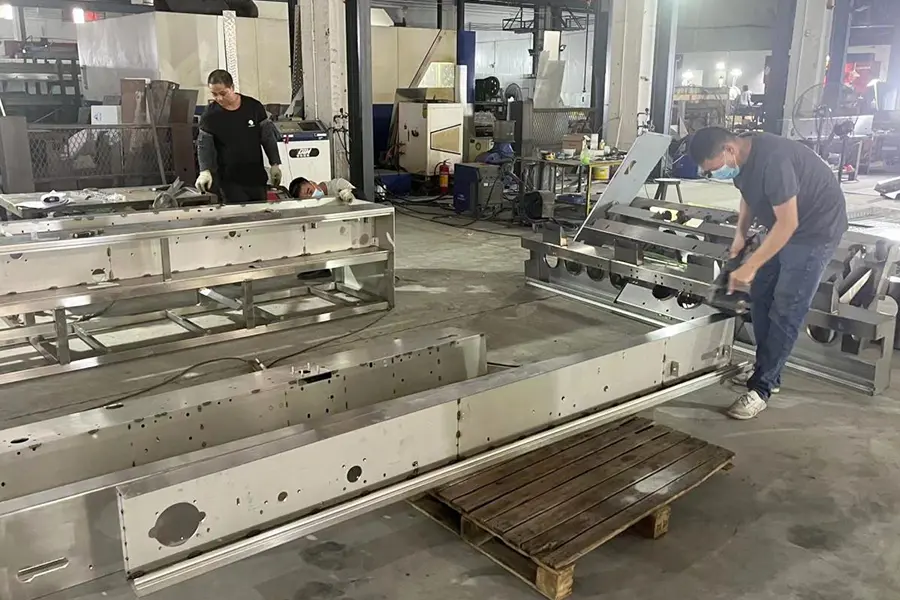
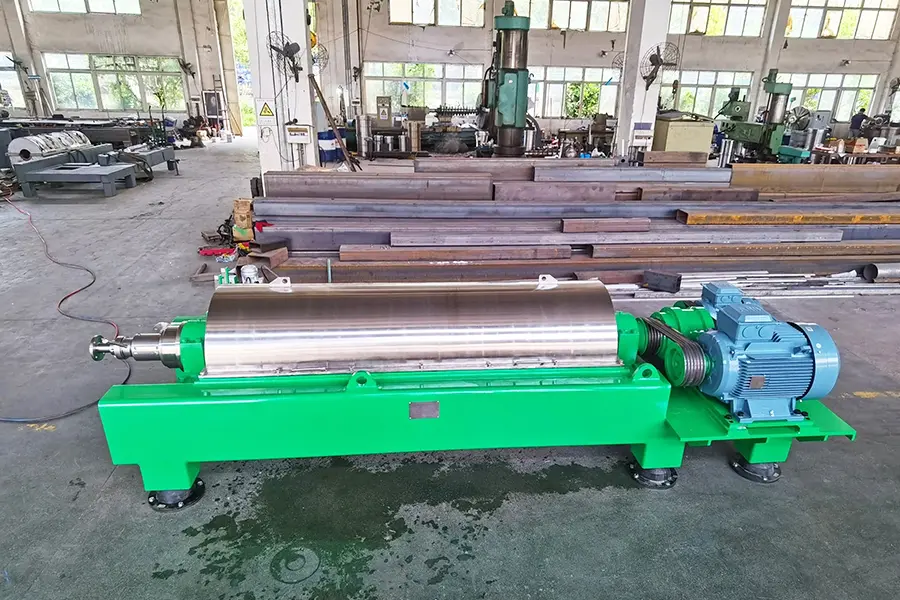
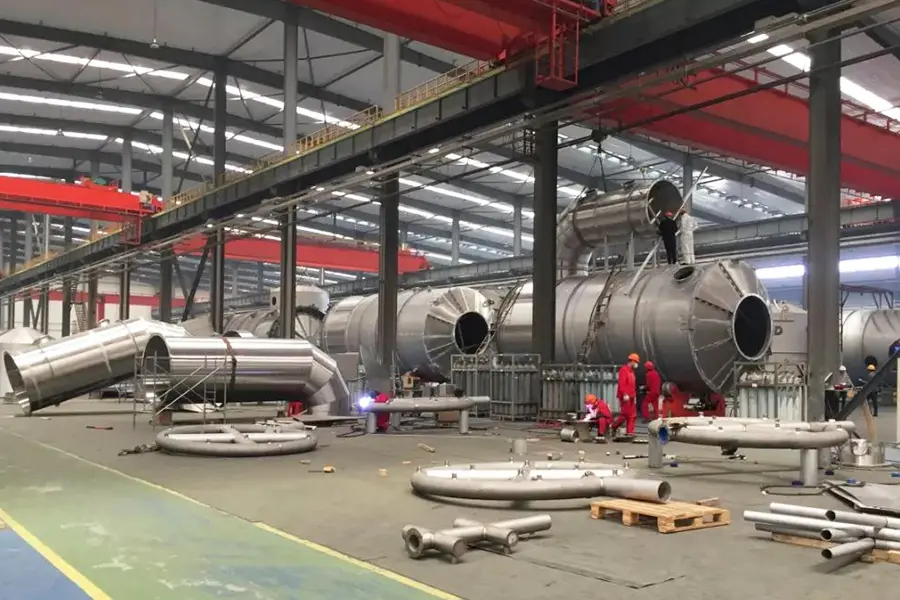
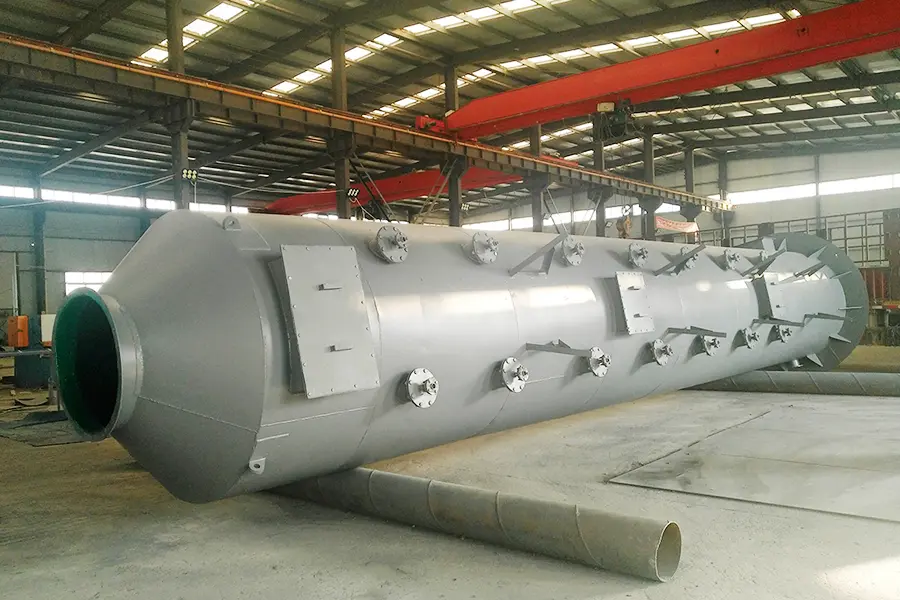
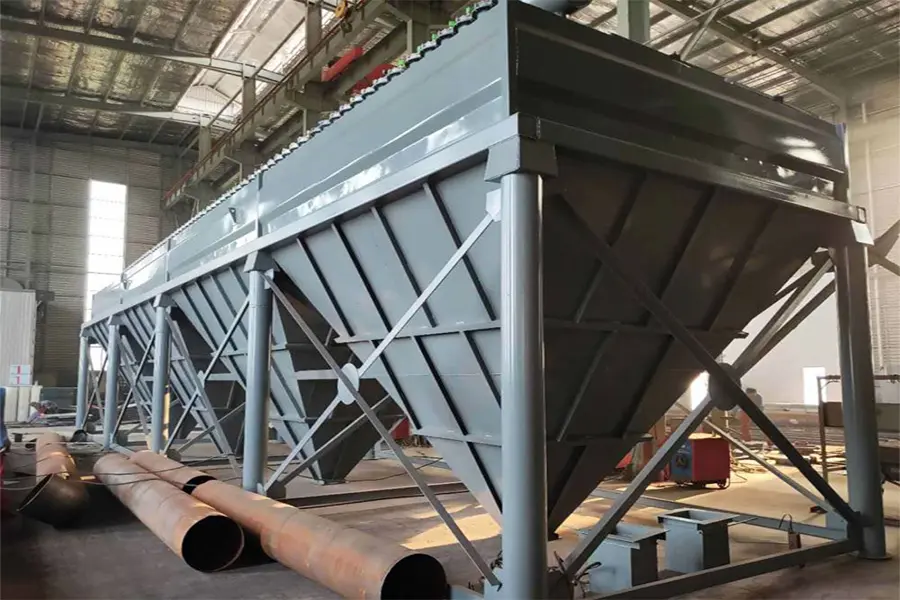
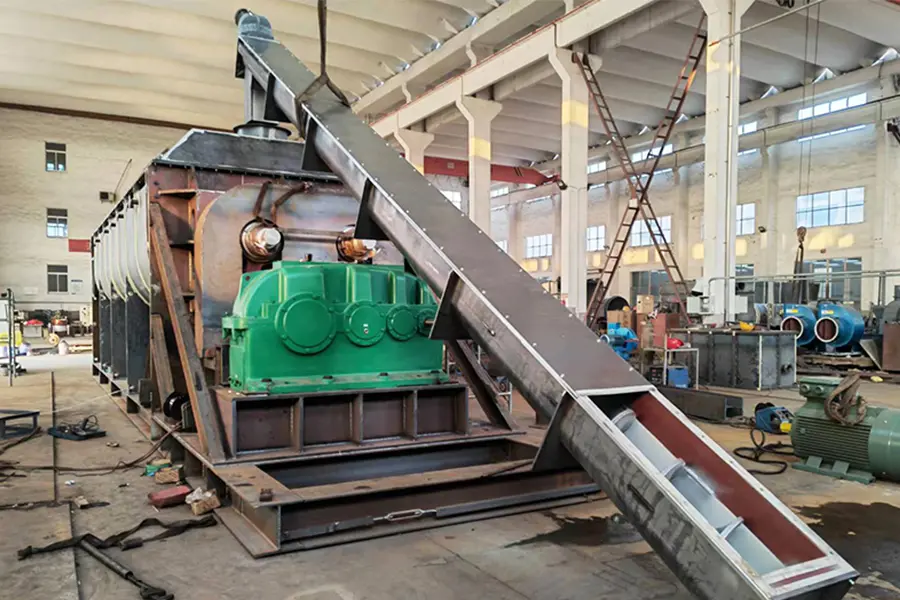
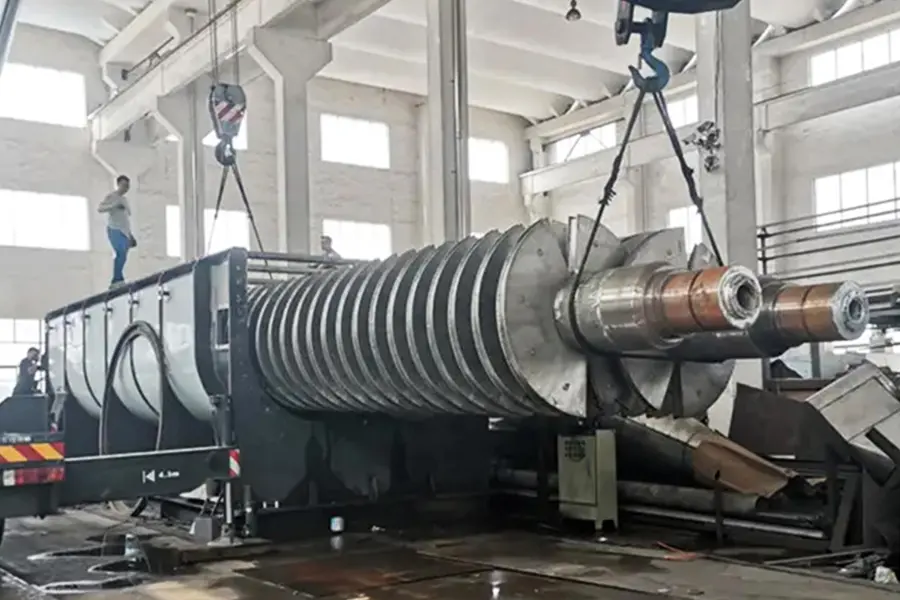
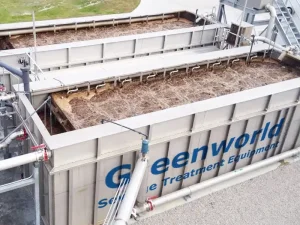
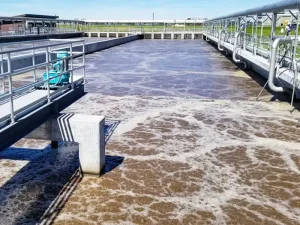
For industrial operators in Queensland, water management is heavily influenced by the protection guidelines of the Great Barrier Reef catchments. Rapid discharge of untreated or poorly dewatered municipal effluents carrying high nitrogen and phosphorus counts is subject to heavy regulatory penalties. Our WPS wastewater systems and high-efficiency DAF clarify biological sludge before discharge, stripping out bound nutrients and suspended materials.
The Queensland government’s landfill waste levy structures create a strong financial incentive to reduce wet waste tonnage. Disposing of raw sludge carrying 80% to 90% water content is no longer financially viable. Utilizing a multi-plate screw press or decanting centrifuge to reduce moisture content below 25% decreases total transport and disposal fees by up to 75%, making the capital investment pay for itself within short payback windows.
Traditional thermal dryers operating at extreme high temperatures often cause VOC emission issues, localized safety hazards, and massive fuel demands. XJY’s closed-loop low-temperature belt dryers utilize dehumidification technology to heat, vaporize, and condense moisture from the cake. This yields pathogen-free, dust-free granules that comply with bio-solids regulations for land applications and agricultural utilization.
Answering common technical questions on sludge dewatering efficiency, machine selection, and operational maintenance.
Explore our complete, field-tested range of industrial processing and separation hardware.
 XINJIEYUAN