Mali is currently undergoing a significant industrial transformation. With rapid urbanization in cities like Bamako, Sikasso, and Kayes, the pressure on municipal wastewater infrastructure has reached a critical point. Simultaneously, Mali’s thriving gold mining sector and nascent textile and food processing industries generate substantial volumes of industrial sludge that require sophisticated treatment to prevent groundwater contamination.
As a leading Sludge Treatment Factory with global reach, we provide Mali-based enterprises with technology that bridges the gap between traditional disposal and modern "Circular Economy" resource recovery. Our systems are specifically engineered to withstand the sub-Saharan climate, ensuring high durability and low maintenance under extreme thermal conditions.
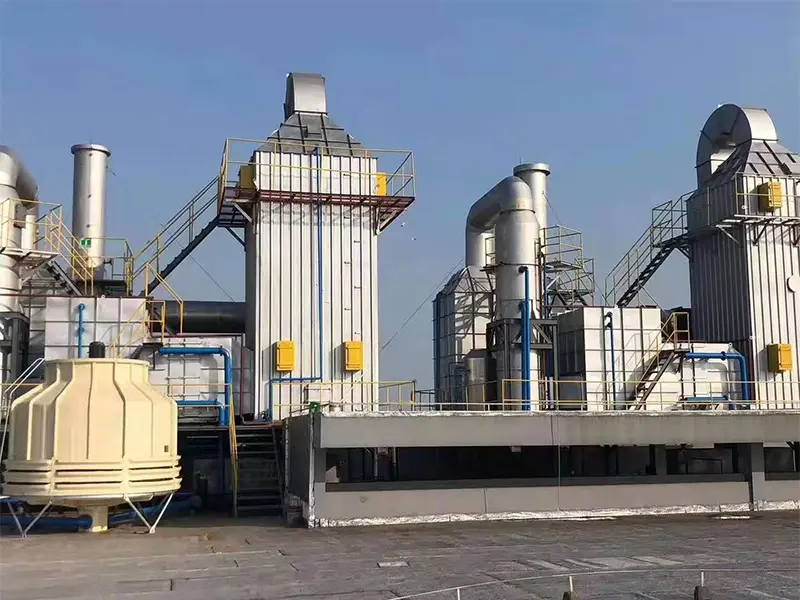
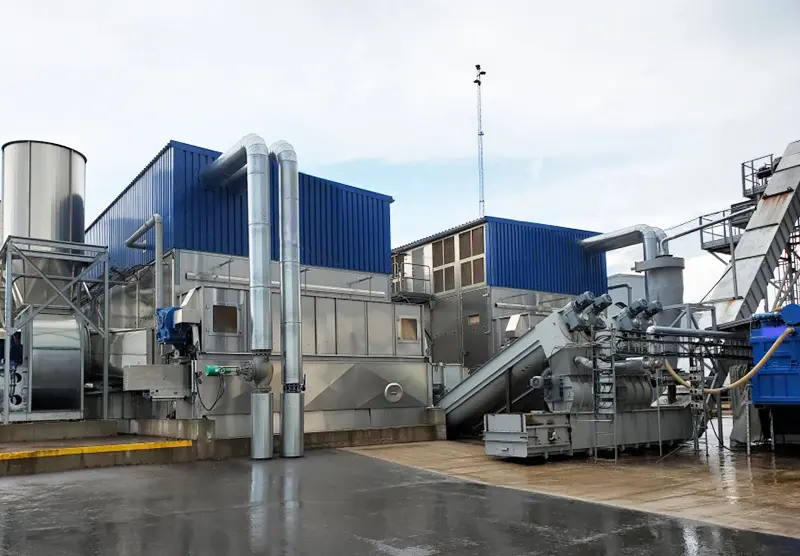
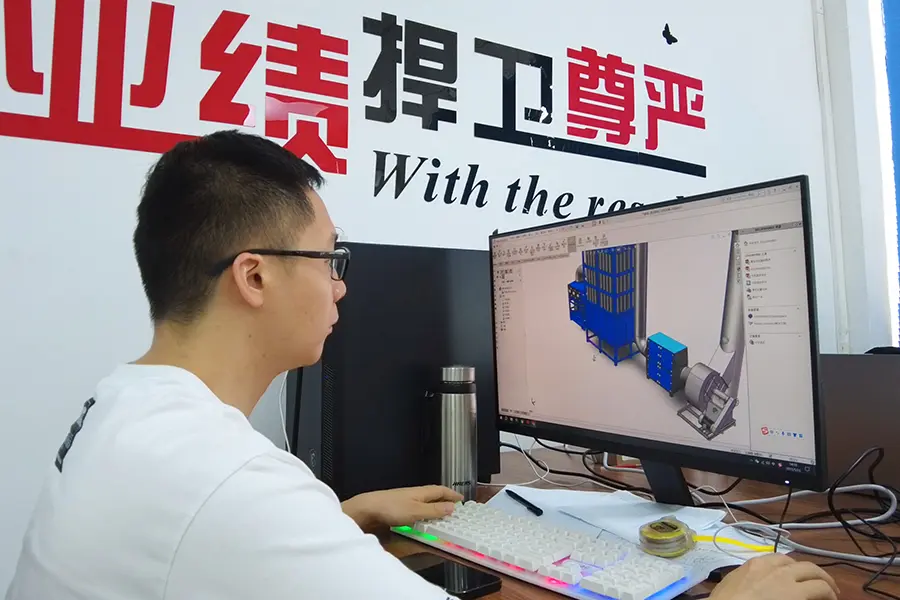
Guangdong Xinjieyuan Environmental Protection Technology Co., Ltd. is a comprehensive enterprise specializing in environmental protection equipment R&D, water treatment, waste gas treatment, and sewage sludge treatment. With more than 45 product patents and 32 computer software certifications, we bring an unparalleled level of Expertise, Experience, Authoritativeness, and Trustworthiness (E-E-A-T) to the Mali market.
Our "BDS Intelligent Deodorization System" and "WPS Intelligent Water Purification System" represent the pinnacle of AI-integrated environmental engineering. We don't just sell equipment; we provide Information Gain through tailored technical roadmaps that consider Mali’s specific regulatory and environmental requirements.
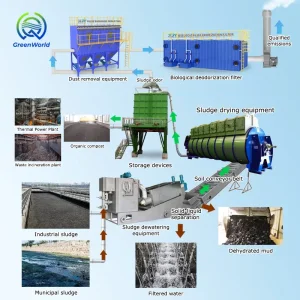
Global trends in sludge management are shifting from "Safe Disposal" to "Resource Utilization." In advanced industrial hubs, sludge is no longer seen as waste but as a source of energy and raw materials. For Mali, this presents a unique leapfrogging opportunity.
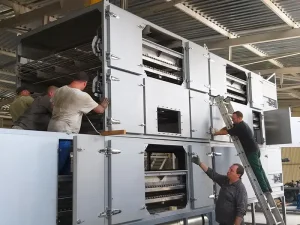
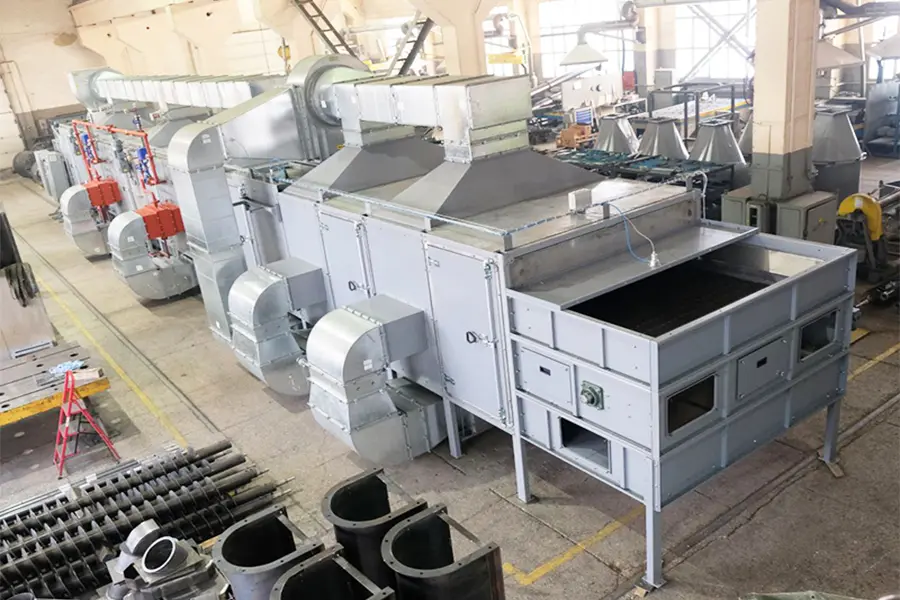
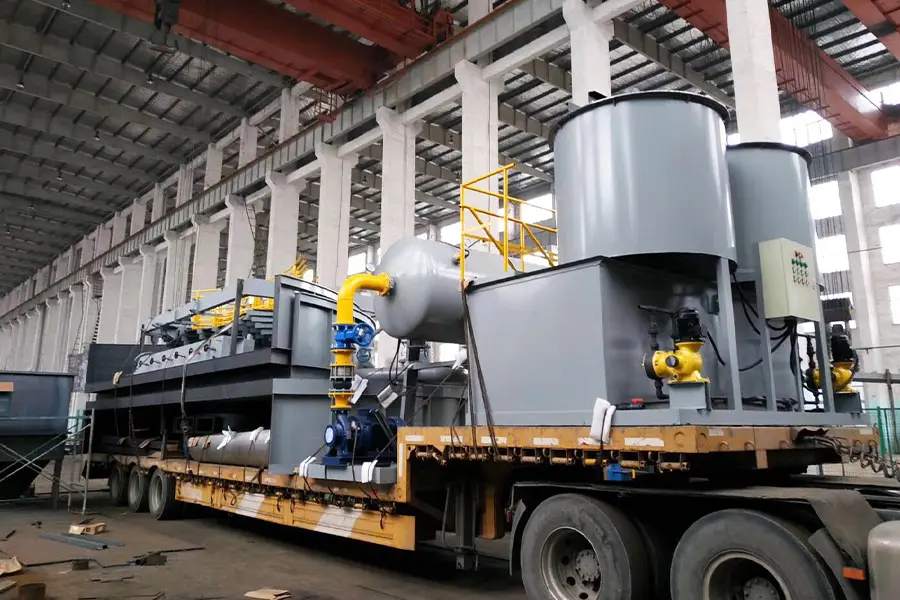
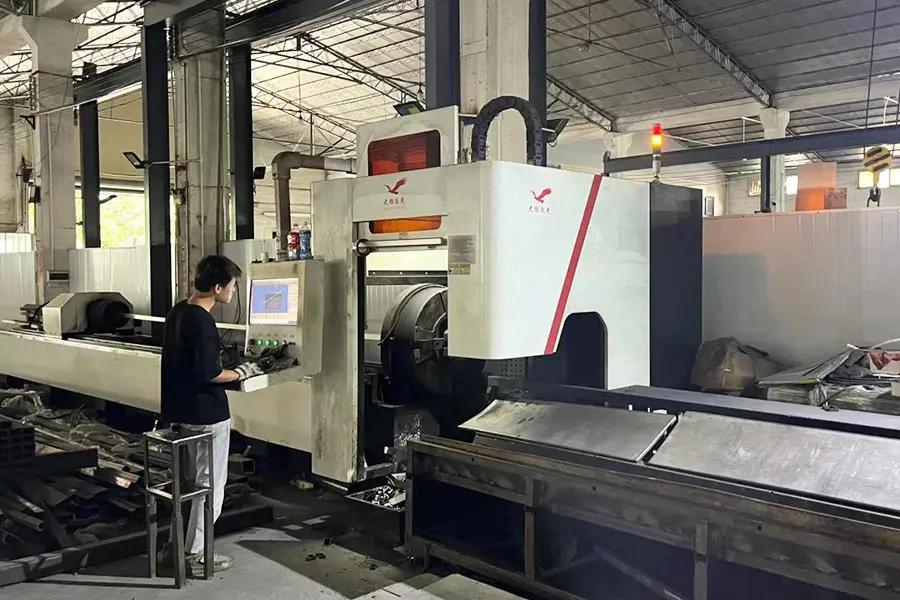
Our manufacturing facility integrates advanced robotic welding and precision laser cutting to ensure every machine meets international ISO standards.
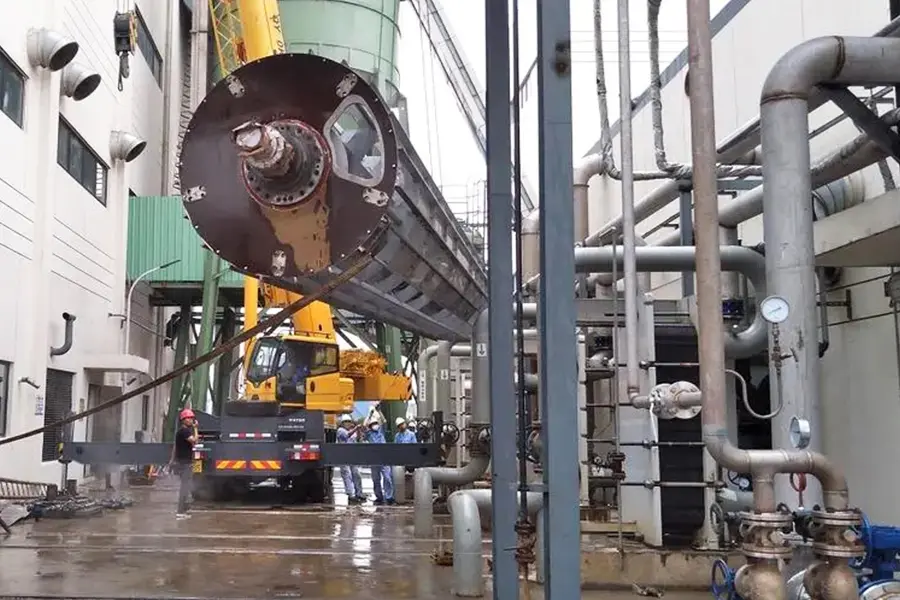
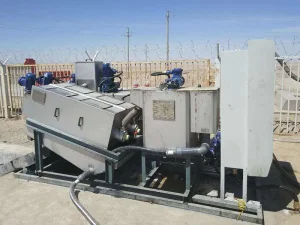
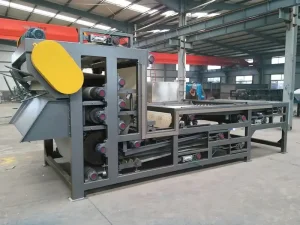
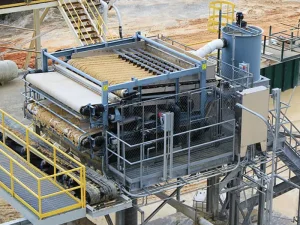
A: Most industrial sludge in Mali originates from the mining sector (tailings management), food processing (organic sludge), and the textile industry (chemical-laden effluent). Our screw press and centrifuge systems are versatile enough to handle all these varieties.
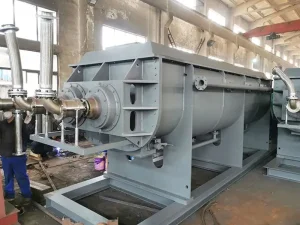
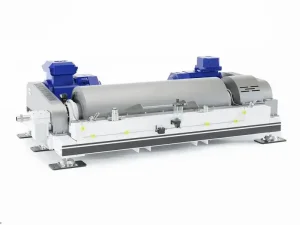
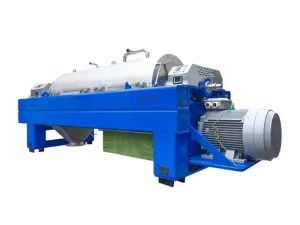
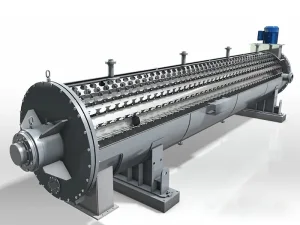
A: Our equipment is built with high-grade stainless steel and utilizes heat-tolerant drive systems. The cooling mechanisms in our decanter centrifuges and sludge dryers are specifically oversized to ensure continuous operation in temperatures exceeding 40°C.
A: Yes. Municipal sludge, when properly treated and dried to <35% moisture by our systems, can often be used in biomass power plants or as organic fertilizer additives (subject to local heavy metal testing). Industrial sludge can often be utilized in cement kilns as a secondary fuel source.
A: Typically, factories see a return on investment within 18-24 months due to drastically reduced sludge transport costs (80% volume reduction), lower waste disposal fees, and potential resource recovery income.
 XINJIEYUAN