Engineered for high-volume municipal and industrial sludge reduction, featuring precision metallurgy and low energy footprint.
The Metropolitan Area of Lisbon (AML), as Portugal's principal economic hub, faces complex environmental challenges regarding industrial wastewater and sludge handling. With key industrial nodes in Barreiro, Seixal, and Palmela, alongside major food processing, chemical, pharmaceutical, and maritime repair operations, the volume of sludge generated daily requires modern, efficient treatment technologies. Historically, sludge disposal was reliant on landfill transport or agriculture application. However, stringent EU directives and national waste frameworks like Decree-Law no. 102-D/2020 have prioritized waste minimization, energy recovery, and circular reuse.
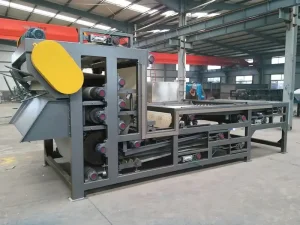
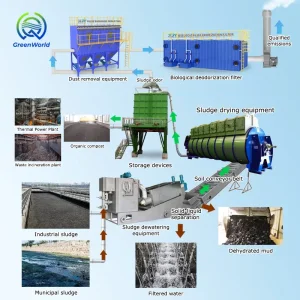
Guangdong Xinjieyuan Environmental Protection Technology Co., Ltd. (XJY) has engineered specialized sludge treatment solutions designed to address Lisbon's regulatory landscape. Our technology aims to reduce total sludge volume through mechanical dewatering, which decreases shipping costs and minimizes secondary pollution. By lowering moisture content from 80% to 35% using low-temperature belt drying, Lisbon operators can transform raw sludge cake into an organic, particulate biomass suitable for co-incineration in cement kilns or coal-fired power plants, closing the material loop.
"Sludge is no longer considered a waste material but a resource. True sustainability in Lisbon’s industrial sectors relies on efficient volume reduction at the source, transforming high-moisture residues into dry, calorifically valuable raw materials."
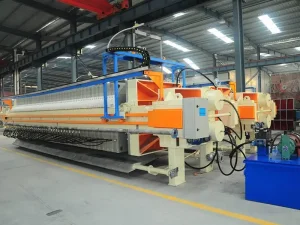
Sludge dewatering is the physical process of separating water from suspended solids within a slurry. The municipal and industrial wastewater treatments in Lisbon yield three main sludge types: primary, secondary (activated), and digested sludge. Each has unique floc structures and bound-water properties. Achieving effective moisture extraction requires matching chemical conditioning (polyelectrolyte dosing) with mechanical shear and pressure.
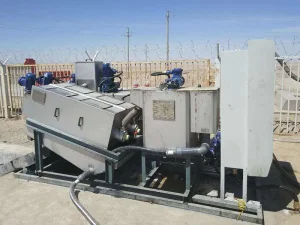
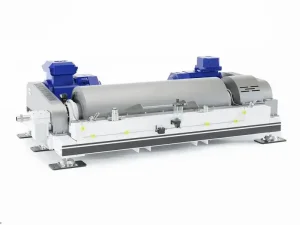
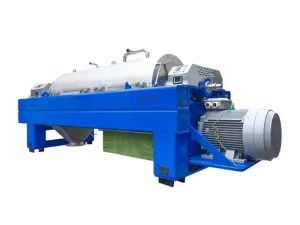
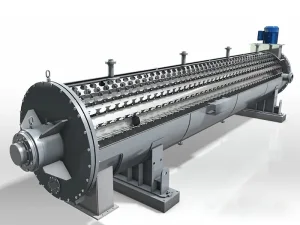
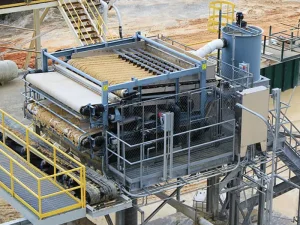
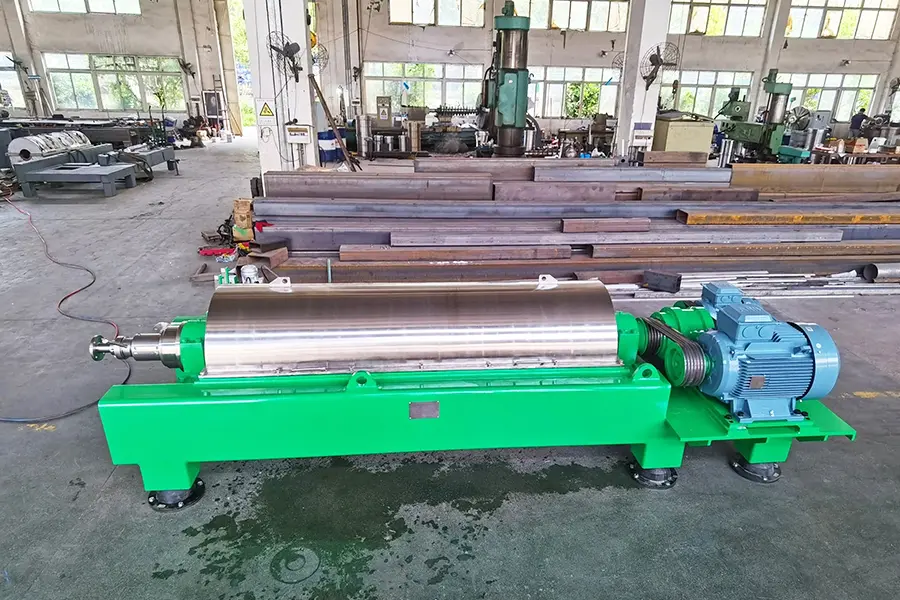
Our Multi-Disk Screw Presses and Decanting Centrifuges utilize mechanical force to compress sludge matrices. The screw press uses a tapered shaft and decreasing pitch to squeeze sludge between moving and fixed rings, letting water escape while retaining cake. This method operates at low speeds (1-3 RPM), consuming less power and requiring less maintenance. For highly abrasive or heavy chemical sludge common in Lisbon's manufacturing zones, our Decanting Centrifuges apply high gravitational forces (up to 3000 Gs) to achieve rapid solid-liquid separation, ensuring continuous throughput for large-scale operations.
Our engineering team holds dozens of national patents, specializing in integrated water purification, waste gas scrubbers, and high-efficiency dewatering machines.
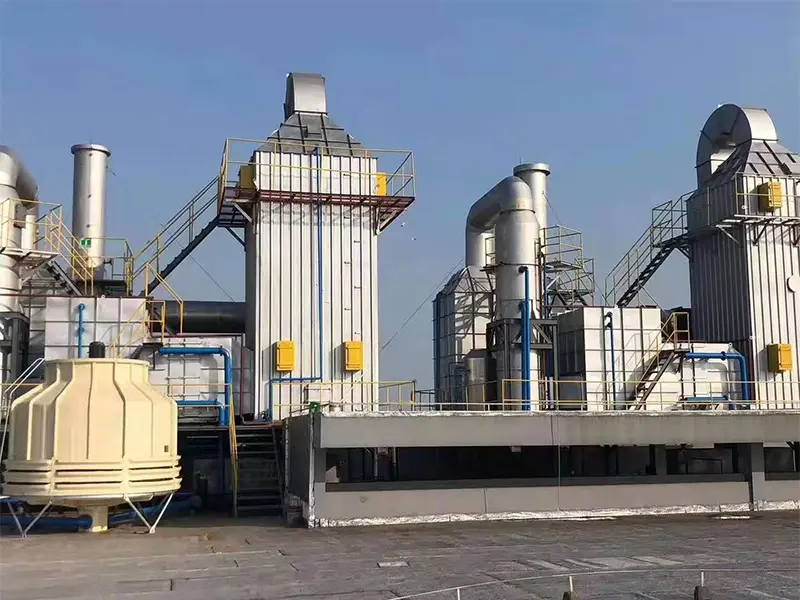
Odor abatement is crucial in urban wastewater treatment. Lisbon's close proximity of residential areas to municipal treatment sites (ETARs) requires strict control of hydrogen sulfide (H₂S), organic sulfides, and ammonia. XJY developed the BDS Intelligent Deodorization System to address these odor management needs.
This automated system features a multi-stage bio-scrubber and chemical oxidation sequence, operating without dedicated personnel. By using smart sensor networks, the system adjusts scrubbing reagent dosing based on real-time inlet gas concentrations. This protects the local community from nuisance odors while safeguarding municipal treatment plants from structural corrosion.
Consult an Engineer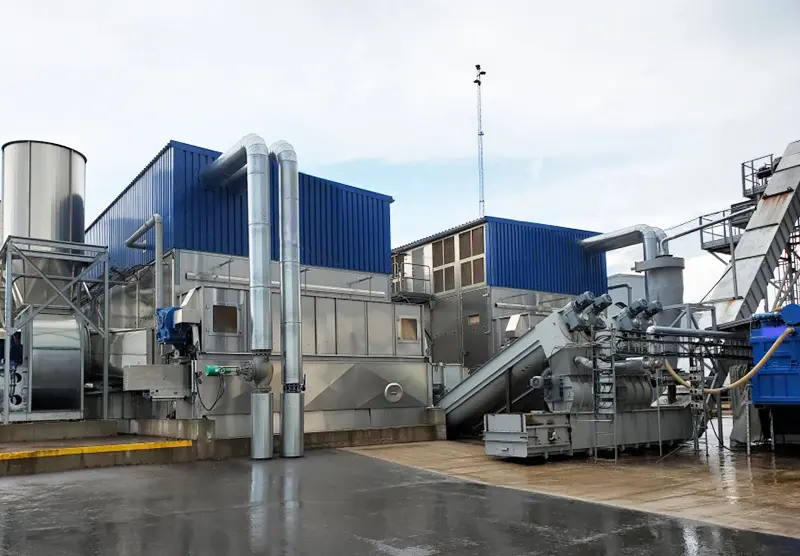
Industrial sludge typically contains high amounts of heavy metals or complex chemical matrices, which complicates direct recycling. Mechanical dewatering alone rarely reduces moisture content below 70-80%, resulting in heavy, gelatinous sludge cake. XJY's Sludge Thermal Drying Systems bridge the gap between mechanical dewatering and ultimate resource recovery.
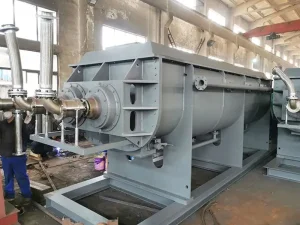
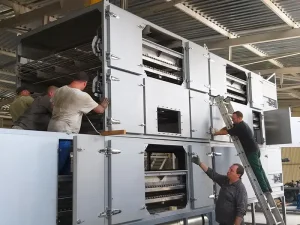
Our technology uses low-temperature waste heat loops to dry sludge cakes into granular, dry particles (typically 30-35% moisture content). This process results in a 60% reduction in weight and volume. The end-product is a dry, standardized material suitable for use as a co-fuel in cement kilns, thermal power plants, or fertilizer manufacturing plants, supporting industrial circular economy initiatives.
How Guangdong Xinjieyuan integrates digital manufacturing with global standards to deliver reliable systems directly to European ports.
Global procurement teams face several challenges when sourcing heavy environmental equipment, including quality control, system integration, lead times, and compliance with EU standards. Guangdong Xinjieyuan (XJY) addresses these concerns by combining China's manufacturing base with internationally recognized quality control standards (including ISO9001, ISO14001, and ISO45001 certifications).
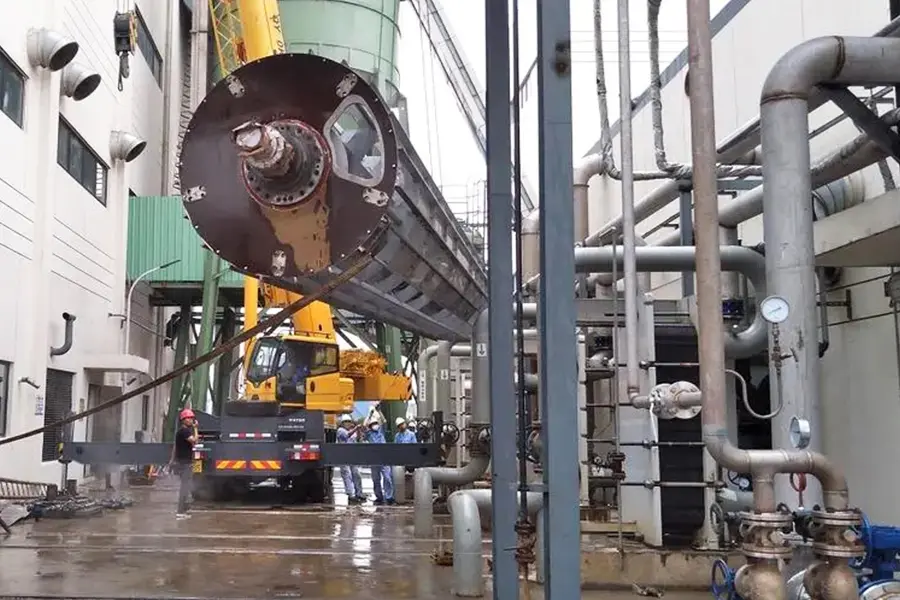
The reliability of sludge dewatering equipment depends on its metallurgy and wear resistance. When processing municipal or industrial sludge in Lisbon, abrasive sands and corrosive chemicals can cause premature component wear. XJY addresses this by utilizing high-grade stainless steel (SUS304, SUS316, or Duplex Steel) for all wetted components. Our screw shafts are overlaid with tungsten carbide using automated thermal spraying, which extends their operating life by up to 200% compared to standard steel alloys. This material approach helps minimize maintenance shutdowns and lowers lifetime operating costs.
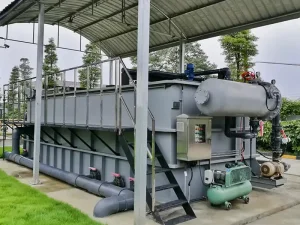
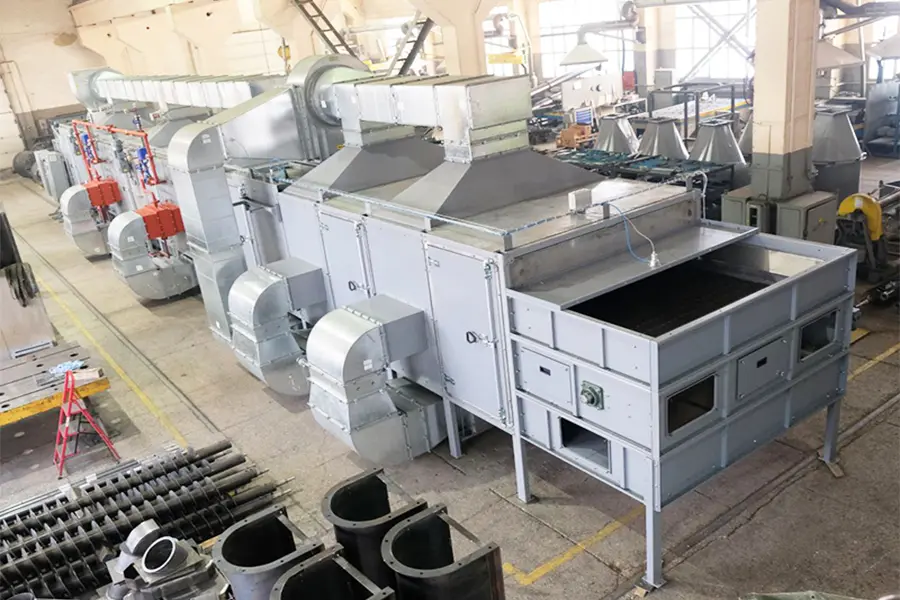
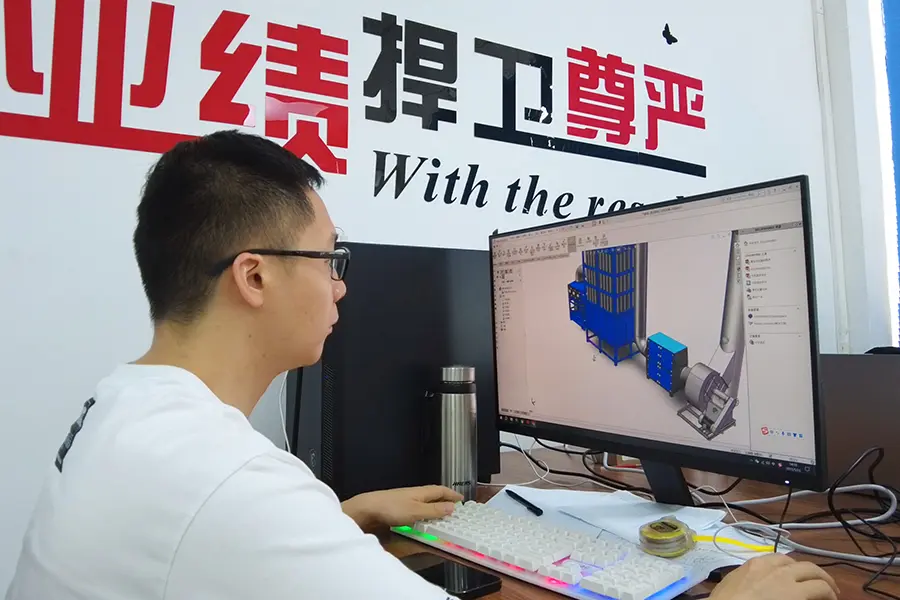
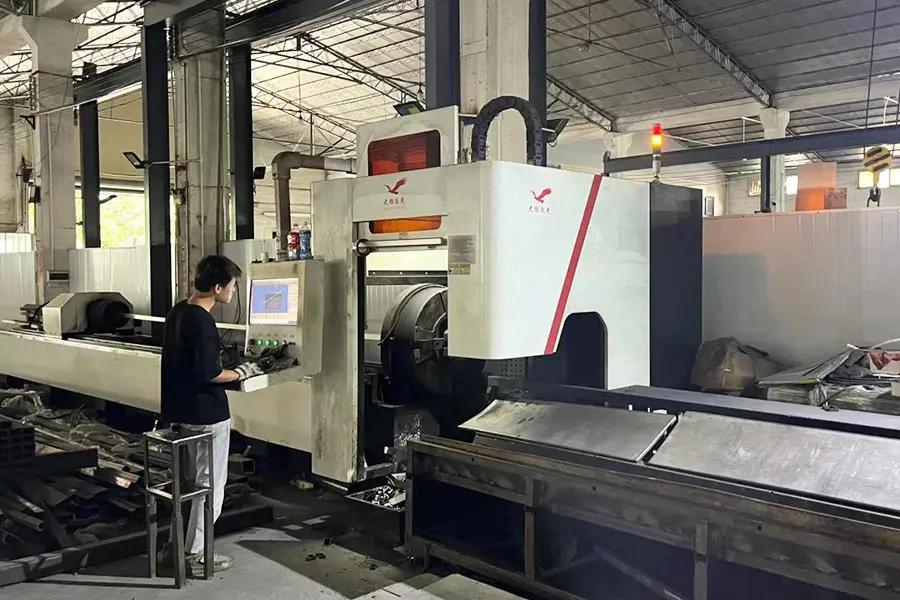
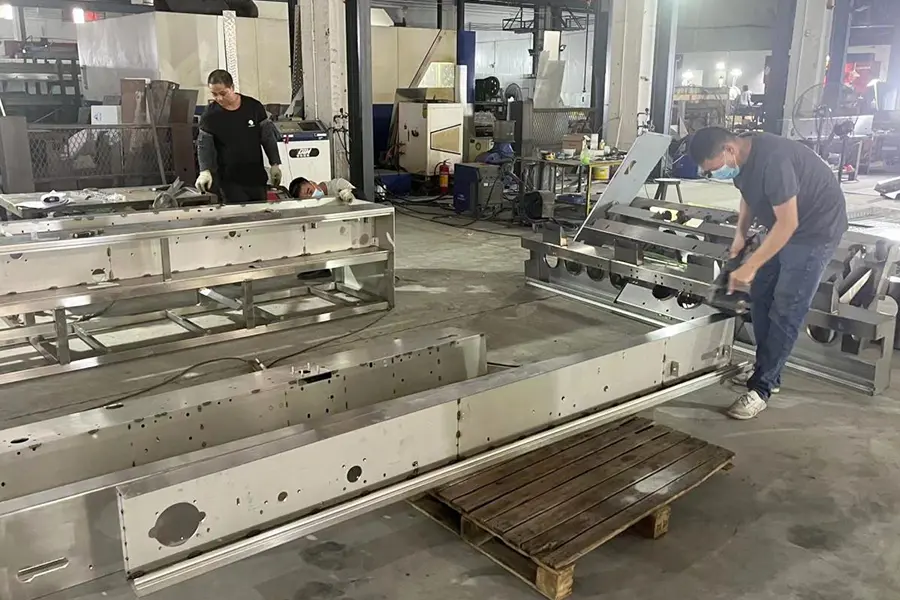
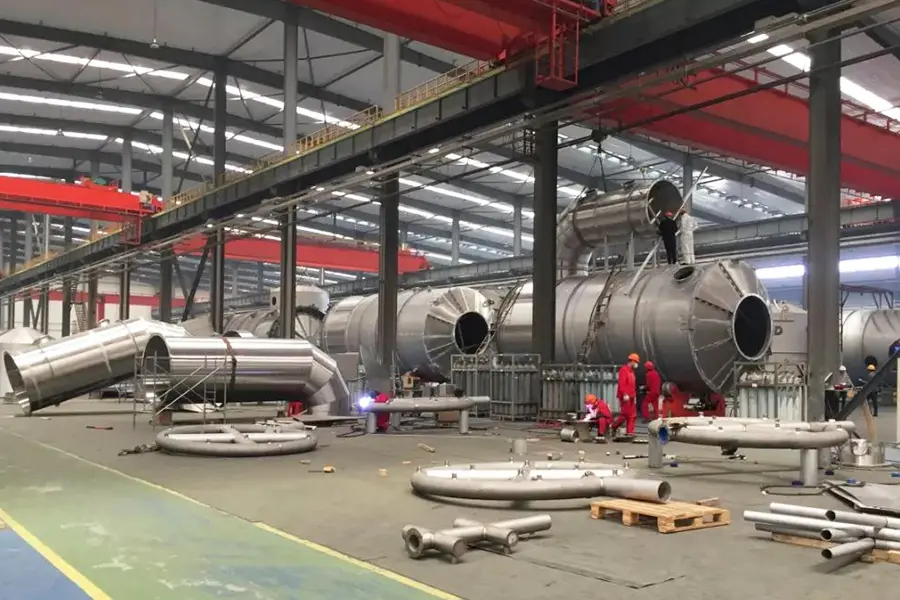
XJY's production facility implements advanced manufacturing methodologies to support product consistency. Every screw press, dissolved air flotation unit, and decanting centrifuge is fabricated using automated welding centers, precision CNC machining, and laser cutting tools. Digital sensors track each production step, and completed equipment undergoes load testing and dynamic balancing before shipment. This QA process helps ensure that when a dewatering unit arrives at a plant in Lisbon, it is ready for deployment with minimal on-site adjustments.
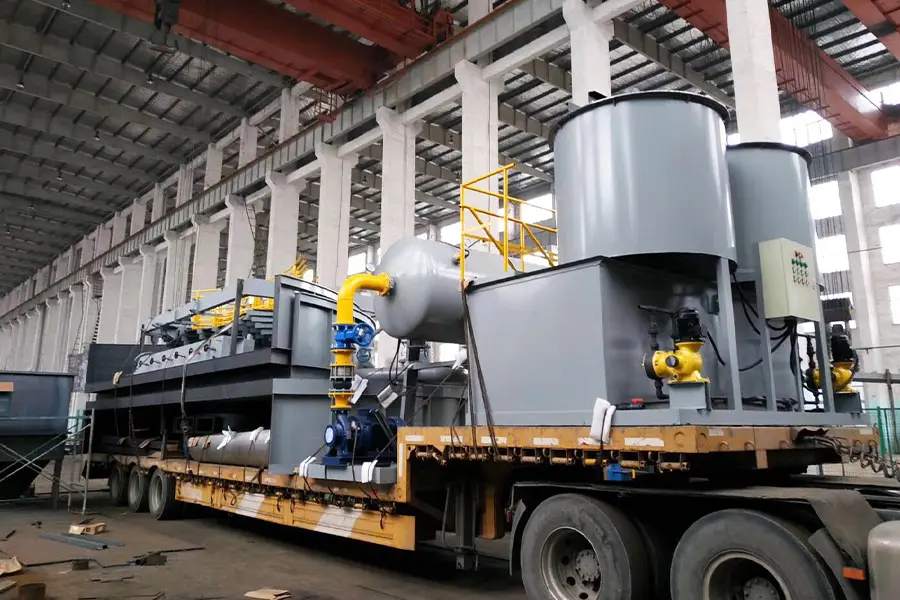
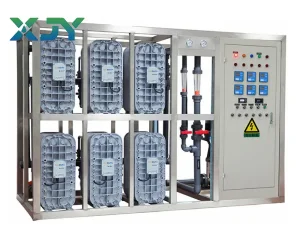
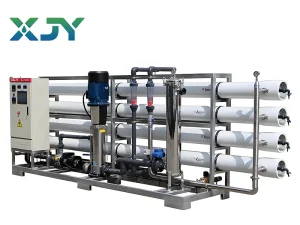
Addressing industrial water scarcity and water quality fluctuations is essential for manufacturing operations. Our WPS Intelligent Water Purification System is designed for industrial, municipal, and institutional wastewater treatment applications, supporting water reuse and conservation efforts.
The system uses automated coagulant dosing, multi-barrier filtration, and membrane separation to target suspended solids, biochemical oxygen demand (BOD), and dissolved salts. In regions like Lisbon, where water costs and wastewater discharge fees are high, the WPS system helps factories recycle process water, reducing total freshwater consumption and helping to lower operational costs.
Get System Technical Layouts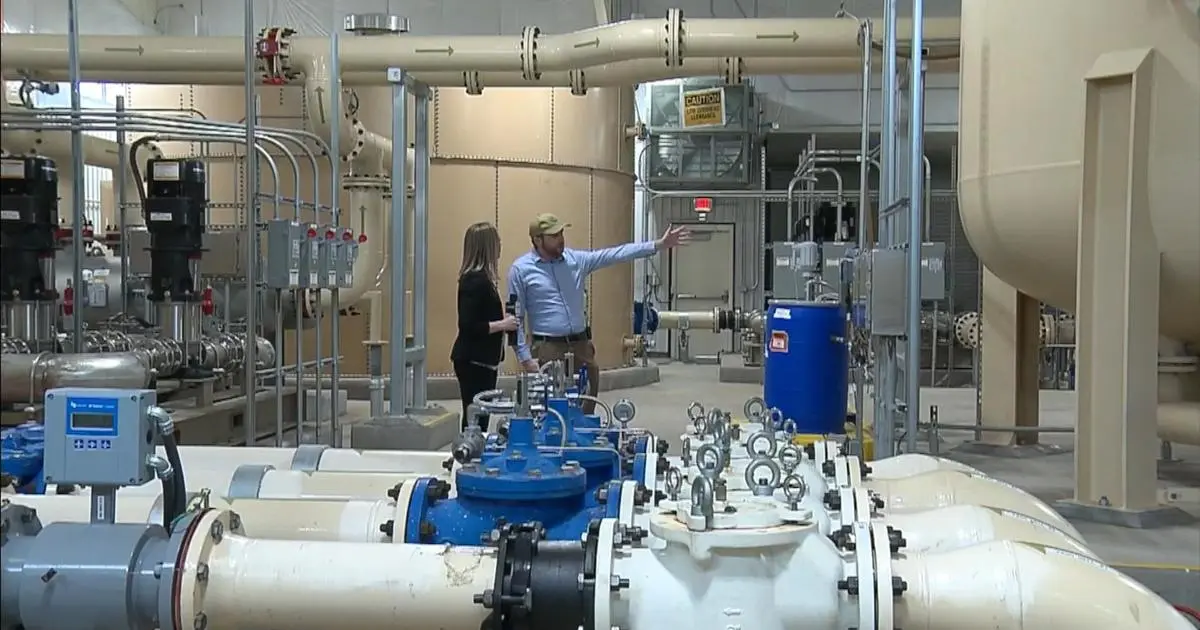
Sludge treatment solutions must be tailored to the specific characteristics of the incoming feed. The Lisbon Metropolitan Area presents several distinct application profiles:
Modern sludge management focuses on resource recovery. Dried sludge contains nitrogen and phosphorus, which are valuable nutrient sources. Once decontaminated and thermal-dried, this material can be pelletized for agricultural use or land reclamation projects. Alternatively, sludge with high organic content can be routed to anaerobic digesters in Lisbon to produce biogas, generating renewable heat and electricity to support facility operations.
Direct answers to common technical and operational questions regarding industrial and municipal separation systems.
Our complete range of industrial separation and chemical purification systems, designed to meet international engineering standards.
Get in touch with our engineering team for customized calculations, equipment specifications, and detailed budget estimates tailored to your project requirements in Lisbon and surrounding regions.
Send Inquiry Now XINJIEYUAN